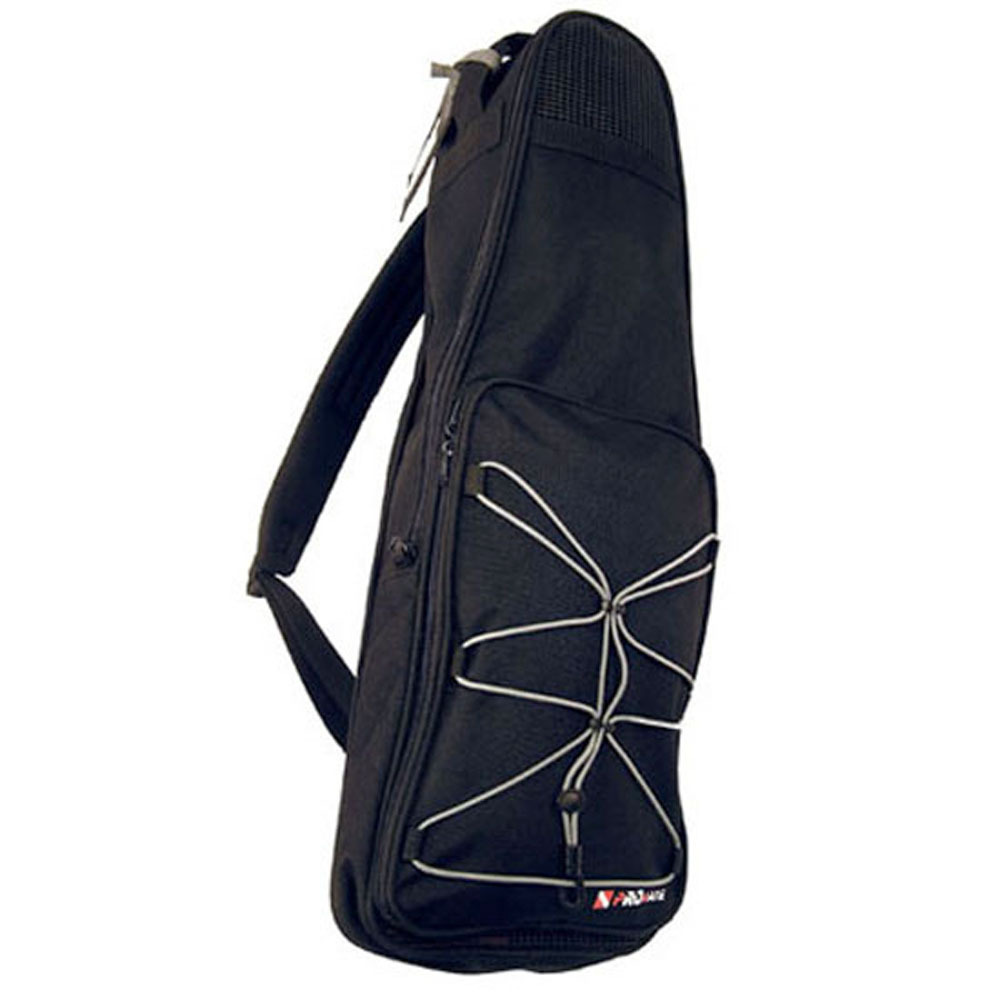

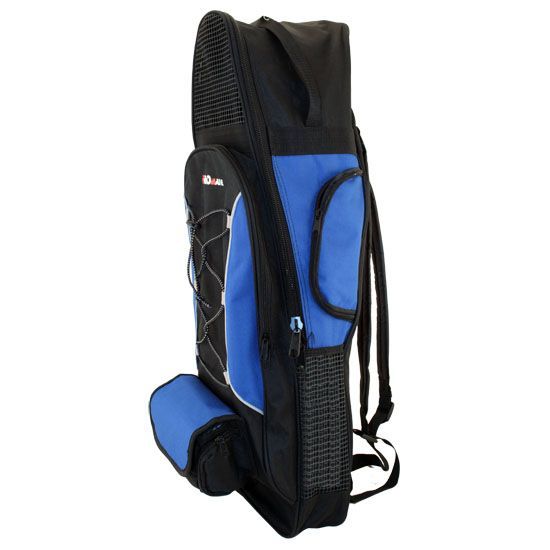
Photos from current listings. Actual item, color, and included accessories may vary.
Scuba Bag With Wheel Buying Guide
A scuba bag with wheels is a rolling gear hauler that combines a rigid or semi-rigid frame with a handle and wheels to move heavy dive equipment—wetsuit, BCD, regulator, fins, and mask—without carrying it. The core trade-off is between wheel/axle durability and dry-bag protection: budget rollers use thin plastic hubs and single-stitch seams, while expedition-grade rollers use sealed bearing wheels, reinforced honeycomb frames, and water-resistant tarpaulin. The decision rule is simple: buy a roller only if the loaded bag will exceed roughly 30 lb and you will roll it over pavement or boat decks—otherwise a backpack is lighter and more versatile.


At a glance
- Category
- Dive Bags, Maintenance & Safety
- Data updated
- Nov 16, 2026
Current offers
Highlights
- Wheel type separates durability tiers: sealed cartridge-bearing wheels with solid rubber tires handle gravel and dock edges; plain nylon hub wheels crack under 50+ lb loads on rough surfaces.
- Frame construction determines shape retention: internal aluminum or fiberglass rods and molded EVA back panels keep the bag upright when loaded; unstayed soft rollers collapse and drag.
- Fabric grade controls water and abrasion resistance: 600D–1680D ballistic polyester or PVC-coated tarpaulin resists dock rash and splash; thin 210D nylon wears through at wheel wells.
- Handle hardware is the top failure point: telescoping aluminum tubes with locking detents outperform sewn webbing pulls, which tear at the seam under a fully loaded bag.
Best use cases
- Best fit: boat and shore divers hauling 40–70 lb of gear across parking lots, docks, and liveaboard decks—pick a two-wheel roller with sealed bearings and a rigid bottom.
- Best fit: travel divers flying with checked gear—choose a roller with a water-resistant main compartment, lockable zippers, and a size that fits standard airline checked-bag limits.
- Wrong fit: snorkelers or warm-water divers with under 20 lb of gear—a lightweight mesh backpack is cheaper, drains faster, and packs smaller than a roller.
- Wrong fit: technical cave or drysuit divers needing full submersion protection—a roller is not a dry bag; pair it with a separate roll-top dry bag inside.
Buying tips
- Match wheel diameter to terrain: 3–4 in wheels roll over pavement and carpet; under 2 in wheels bind on gravel, sand, and boat gratings and wear quickly.
- Check the loaded weight rating against your kit: a BCD (7–10 lb), regulator (5–6 lb), wetsuit (5–8 lb), fins (4–6 lb), and mask/snorkel (2 lb) total 25–35 lb before tanks or cameras.
- Prefer a bag with a reinforced abrasion patch at the wheel wells and bottom corners—these are the first wear points on rolling dive bags.
- Confirm the telescoping handle locks at full extension and retracts fully; a loose handle wobbles and fatigues the mounting rivets over time.
Specs
| Wheel Configuration | 2-wheel tilt vs 4-wheel spinner |
|---|---|
| Fabric Grade | 600D–1680D polyester / PVC tarpaulin |
| Frame Type | Rigid internal rods vs soft unstayed |
| Handle Type | Telescoping aluminum vs webbing pull |
Related searches
What to check before buying
- Measure your longest fin and folded wetsuit; the main compartment must exceed those dimensions by at least 2 in to avoid stressing zippers.
- Verify the wheel track width fits your vehicle trunk or boat locker; wide-stance rollers can be stable but bulky.
- Check that the bag has drain grommets or a vented panel so wet gear does not trap moisture and corrode wheels or frame hardware.
- Confirm the roller has a top grab handle and shoulder strap option for lifting over obstacles where wheels cannot roll.
FAQ
Data sources: eBay / Amazon listings and product attribute feeds Data updated Nov 16, 2026.
Some links on this page are affiliate links. If you buy after clicking one, we may earn a commission at no extra cost to you. This does not change which products appear here or their order. Affiliate disclosure.