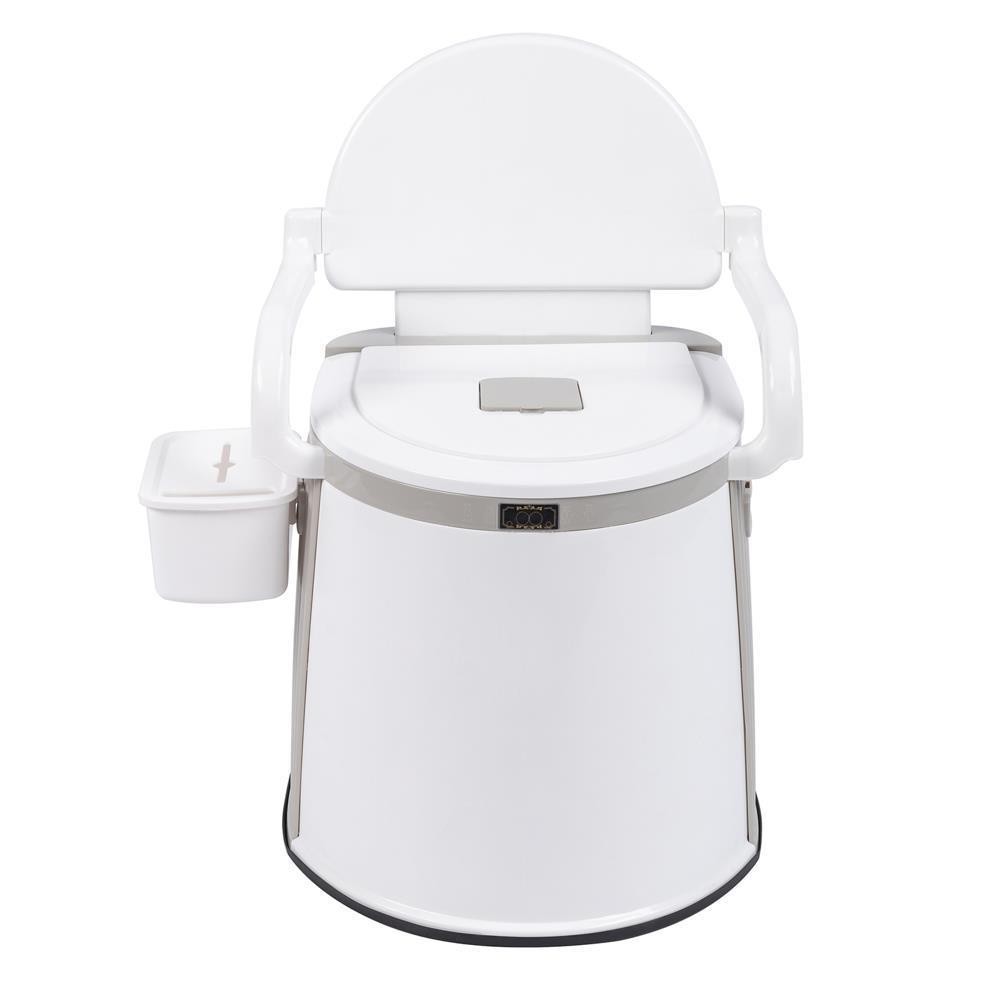

Photos from current listings. Actual item, color, and included accessories may vary.
Camping Toilet Buying Guide
A camping toilet is a portable human-waste solution for car campers, van lifers, and emergency kits, available as simple bucket-style foldables or flushable tank models. The core trade-off is between lightweight packability and hygienic flush capacity, with durability hinging on the tank seal, valve design, and frame thickness. Choose a flushable tank model with a secure 3-way piston for multi-day trips, or a basic 20L foldable only for short, low-frequency use where weight and space dominate.


At a glance
- Category
- Camping & Hiking
- Data updated
- Nov 16, 2026
Current offers
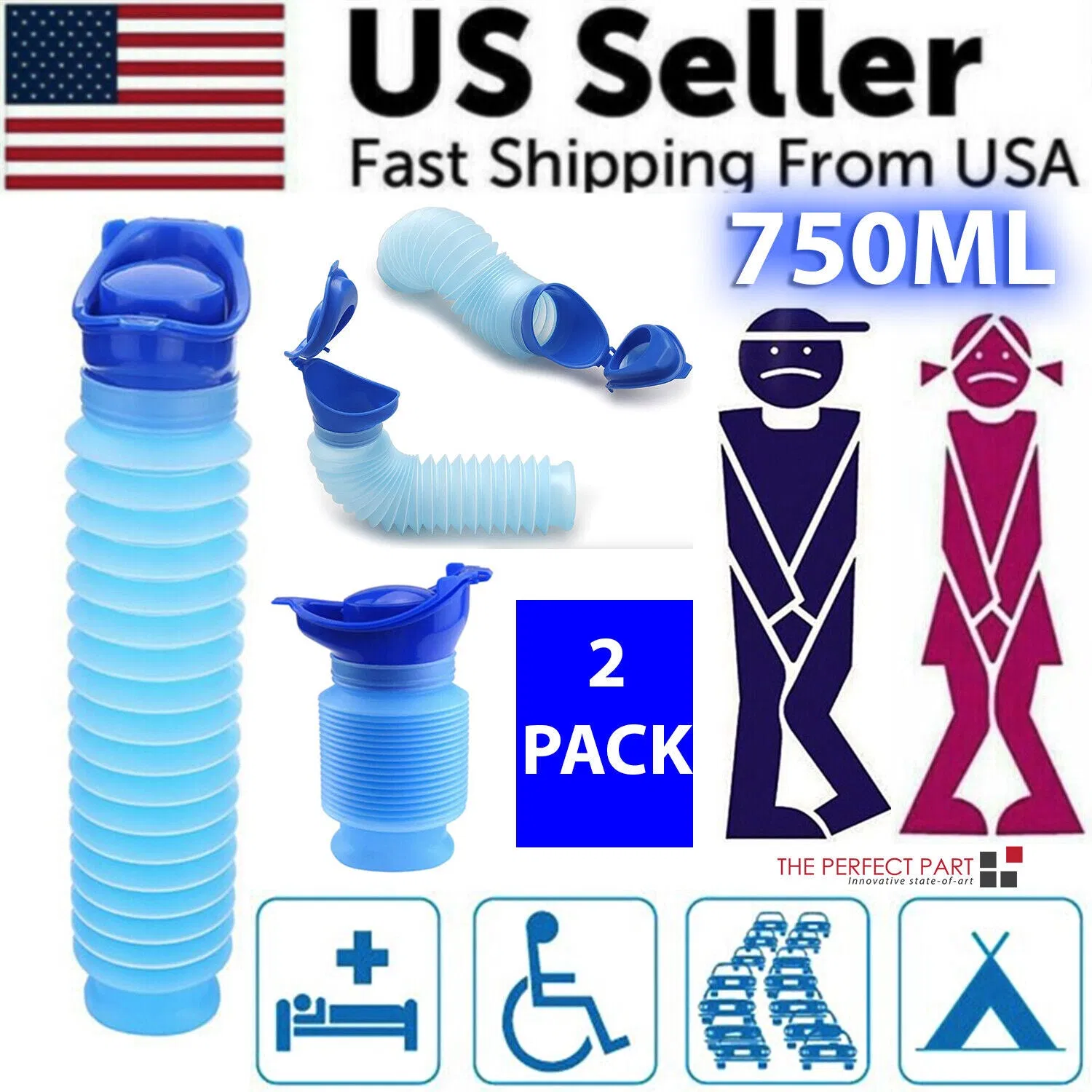
Highlights
- Flushable tank toilets use a 3-way pistol pump that requires pressure buildup; cheaper models leak at the dump valve after repeated cycling.
- HDPE and PP plastic grades determine durability: thicker walls resist UV cracking and seat flex, while thin blow-molded shells crack at hinge points.
- Foldable bucket-style toilets rely on a nested ribbed base; the 20L class is standard for car camping but too tall for ultralight packing.
- Tank capacity directly affects carry weight when full: a 5.3-gallon model exceeds 40 lb, so transport must account for full-load handling and dump logistics.
Best use cases
- Best fit for multi-day car camping or RV trips: a 5.3- or 7.9-gallon flushable tank toilet with level indicator and 3-way piston for odor control and repeat use.
- Best fit for short weekend or emergency car use: a 20L foldable bucket toilet with liner bags—lighter, cheaper, and stows flat when not in use.
- Wrong fit for backpacking or ultralight hiking: any rigid tank toilet adds pounds and bulk; use a trowel and cathole method or an ultralight backpacking trowel instead.
- Wrong fit for high-use group camps: a small 2.6-gallon tank fills too fast and requires frequent dumping; step up to 5.3 gallons or more per 2-3 people per day.
Buying tips
- Match tank size to group-days: budget roughly 1 gallon per person per day for flush models; a 5.3-gallon tank suits two people for a weekend.
- Prioritize a 3-way pistol flush with a level indicator; this combination signals a proper pressure valve and prevents overfill without guesswork.
- Check the seat hinge and lid thickness: thin PP seats flex and crack; reinforced hinges and a double-wall lid extend service life under repeated use.
- For foldable models, verify the base locking tabs are glass-filled nylon or thick ABS; cheap snap tabs are the first failure point in cold weather.
Specs
| Toilet Type | Flush tank / Foldable bucket |
|---|---|
| Tank Capacity | 2.6 / 5.3 / 7.9 gal (10 / 20 / 30 L) |
| Flush Mechanism | 3-way pistol pump / Manual |
| Seat Material | HDPE / PP plastic |
Related searches
What to check before buying
- Measure your vehicle cargo height and trunk opening: a 5.3-gallon flush toilet stands roughly 15-17 inches tall, while 20L foldables collapse to about 4-6 inches.
- Confirm waste disposal access: flush tanks require a dump station or approved toilet, so plan your route or carry heavy-duty wag bags for pack-out.
- Check floor stability and level ground: a full 7.9-gallon tank weighs over 60 lb, so the base must sit flat on firm ground to avoid tipping.
- Verify liner compatibility if using a bucket toilet: standard 8-gallon trash bags or dedicated wag bags fit 20L buckets, but tank models need their own chemistry.
FAQ
Data sources: eBay / Amazon listings and product attribute feeds Data updated Nov 16, 2026.
Some links on this page are affiliate links. If you buy after clicking one, we may earn a commission at no extra cost to you. This does not change which products appear here or their order. Affiliate disclosure.