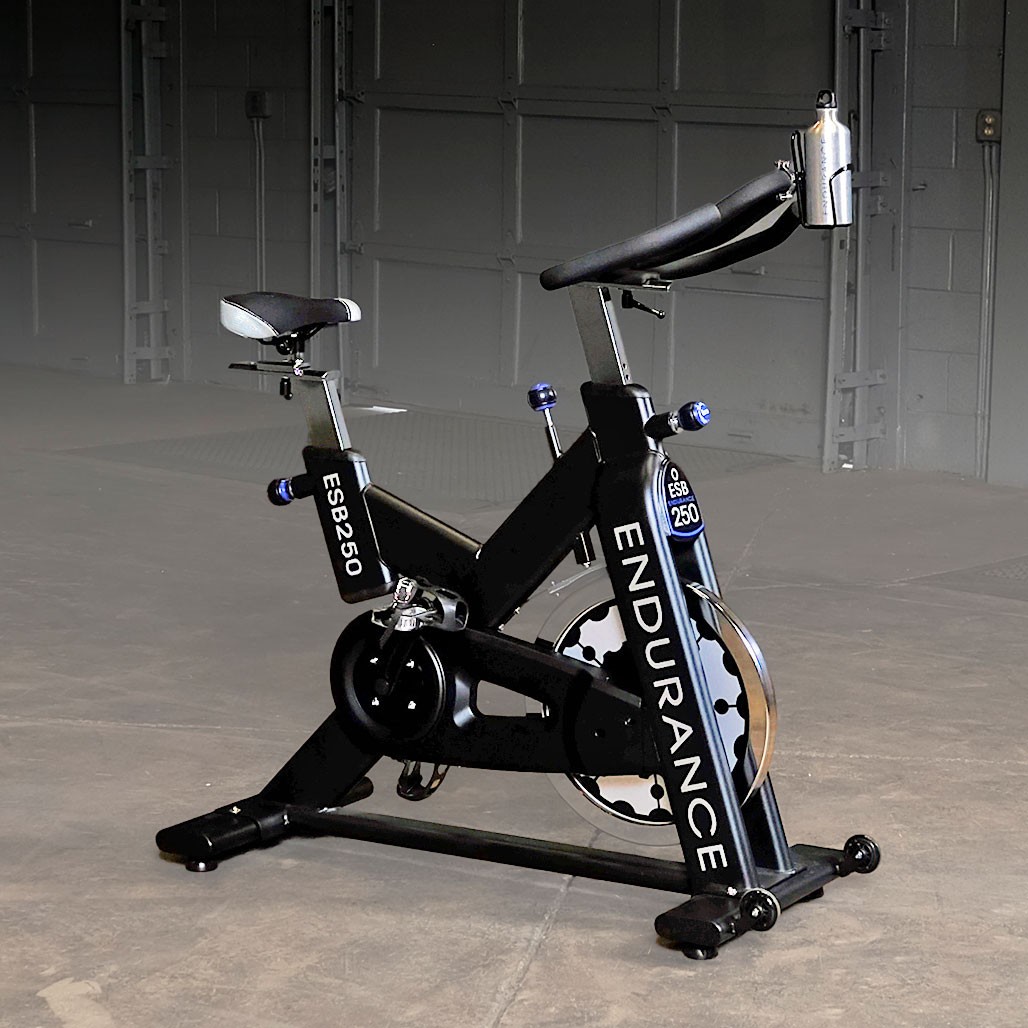

Photos from current listings. Actual item, color, and included accessories may vary.
Body-Solid Endurance ESB250 Indoor Cycle Buying Guide
The Body-Solid Endurance ESB250 is a belt-driven indoor cycling bike positioned as a light-commercial-grade trainer for home and studio use. The core trade-off in this segment is between magnetic/eddy-current resistance with a heavy flywheel and durable sealed bearings versus friction-pad resistance and lighter frames that wear faster. Choose a sealed-bearing, belt-drive build with a 30 lb+ flywheel for daily training; accept a pad-brake, chain-drive bike only for occasional low-resistance use.


At a glance
- Brand
- Not synced yet
- Model
- Not synced yet
- MPN
- Not synced yet
- Category
- Cardio Machines
- Status
- Offers available
- Data updated
- Nov 16, 2026
Current offers
Highlights
- Belt drive eliminates chain maintenance and runs quieter than chain-drive indoor cycles, but requires frame alignment to prevent belt walk.
- Flywheel weight of roughly 30–40 lb stabilizes pedal stroke; lighter flywheels under 20 lb feel choppy at high cadence.
- Friction-pad resistance wears pads and generates dust; magnetic resistance is maintenance-free but costs more at the same build tier.
- Sealed cartridge bearings in the bottom bracket and hubs outlast open bearings in high-sweat indoor environments.
Best use cases
- Best fit: daily home rider doing 30–60 minute sessions — pick the belt-drive ESB250 class with sealed bearings and a 30 lb+ flywheel.
- Wrong fit: studio-class power users needing calibrated wattage and ANT+/BLE — skip this tier and choose a smart trainer with a power meter.
- Best fit: low-impact rehab or spin-class replication at home — a friction-pad bike with adjustable seat/handlebar range is adequate and cheaper.
- Wrong fit: riders over the frame's stated max user weight — step up to a light-commercial steel frame rather than pushing a home frame past its limit.
Buying tips
- Match seat height to inseam: saddle at hip-bone height with a slight knee bend at bottom dead center; ensure the seat post has at least 2 inches of insertion.
- Choose belt drive over chain drive for indoor use — no lubrication, less noise, and no greasy chain near carpet or mats.
- Confirm the flywheel is at least 30 lb for road-feel; below that, cadence above 100 rpm feels unstable.
- Check resistance type: magnetic/eddy-current for zero maintenance, friction-pad for lower cost but expect pad replacement.
Specs
| Drive Type | Belt drive vs chain drive |
|---|---|
| Flywheel Weight | 30–40 lb class vs under 20 lb |
| Resistance Type | Friction pad vs magnetic eddy-current |
| Pedal Spindle | 9/16-inch standard |
Alternatives to compare
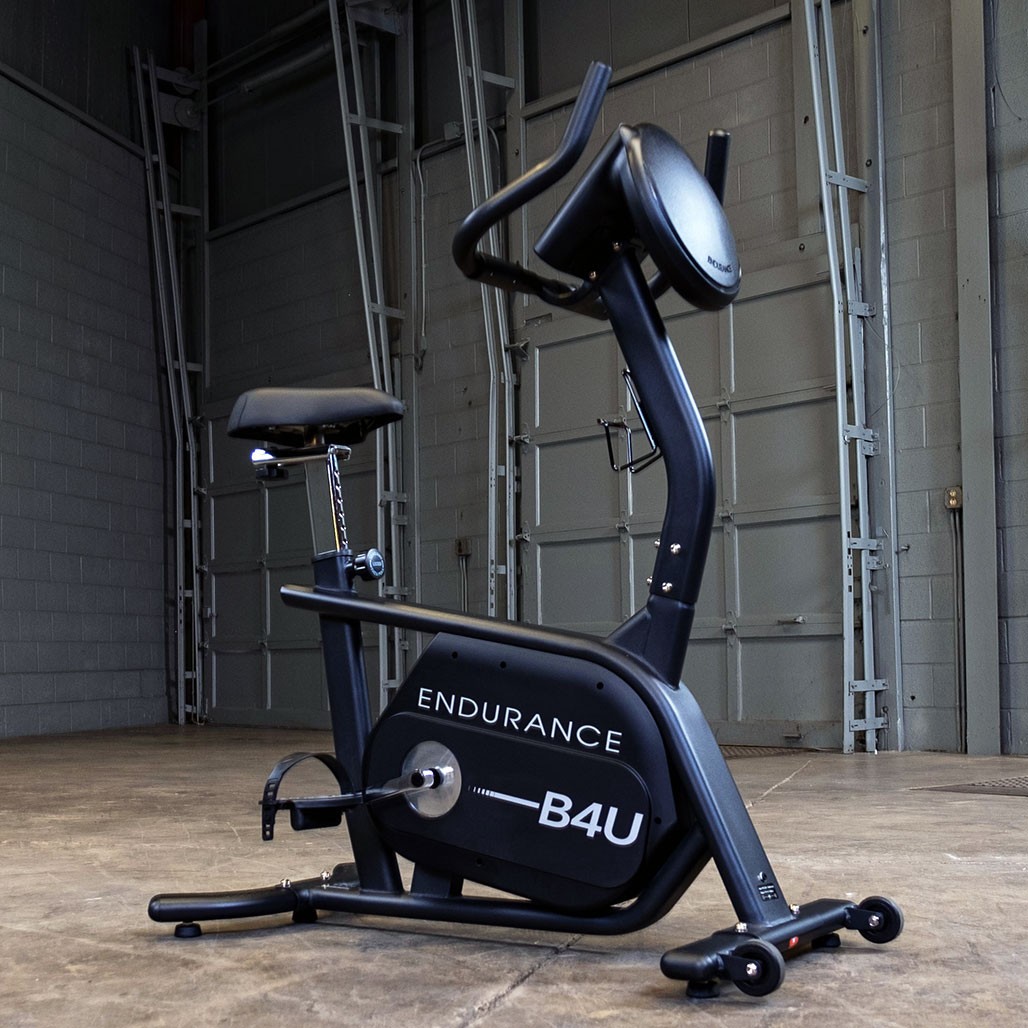
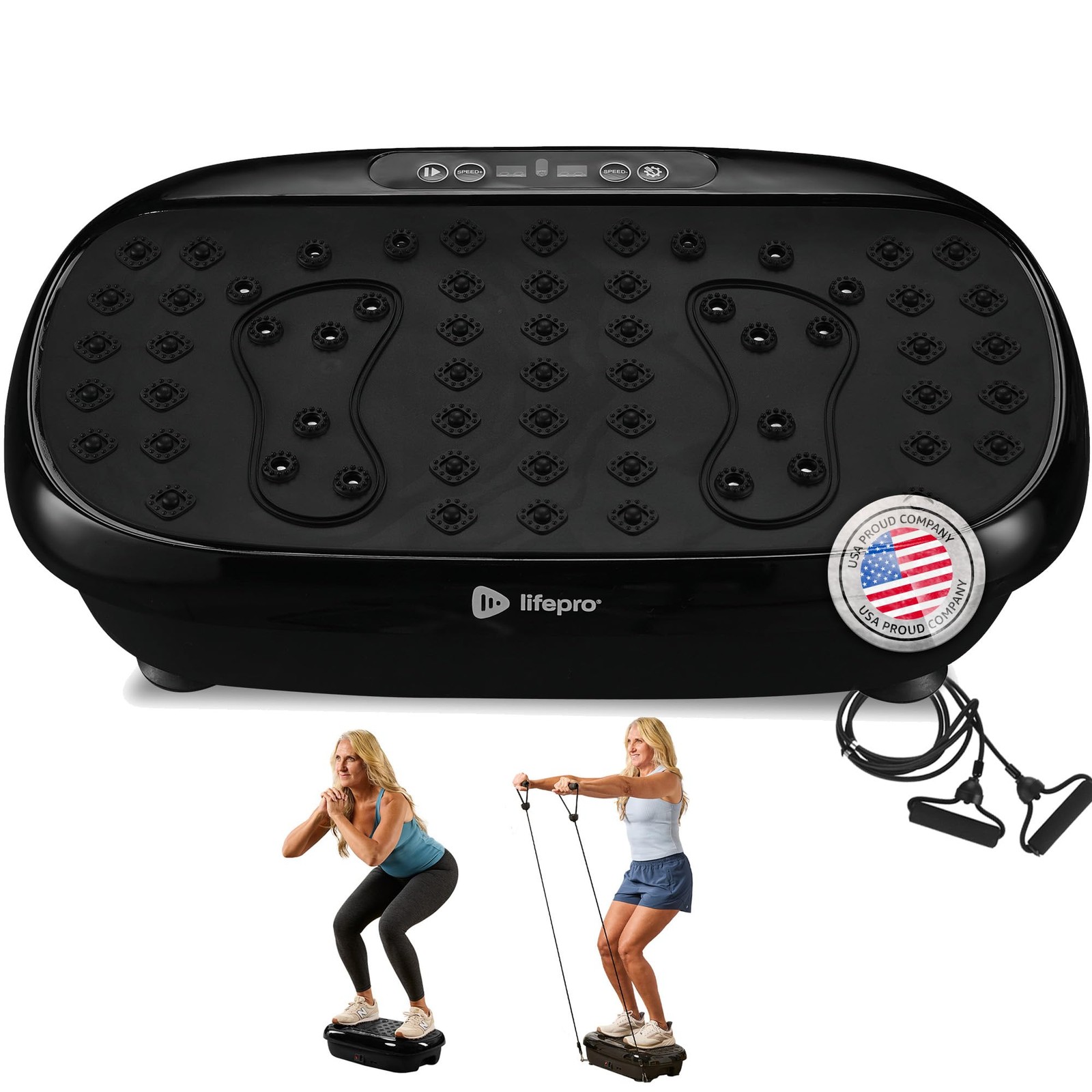
Related searches
What to check before buying
- Measure floor footprint and ceiling height: indoor cycles need roughly 4 ft x 2 ft of floor and 8 ft ceiling clearance for standing efforts.
- Verify the bike's max user weight rating exceeds the heaviest rider by at least 20 lb for safety margin.
- Confirm pedal spindle standard (9/16-inch) if you plan to swap in SPD or Look-compatible pedals.
- Check that the seat and handlebar posts adjust through the full range needed for all household riders.
FAQ
Data sources: eBay / Amazon listings and product attribute feeds Data updated Nov 16, 2026.
Some links on this page are affiliate links. If you buy after clicking one, we may earn a commission at no extra cost to you. This does not change which products appear here or their order. Affiliate disclosure.