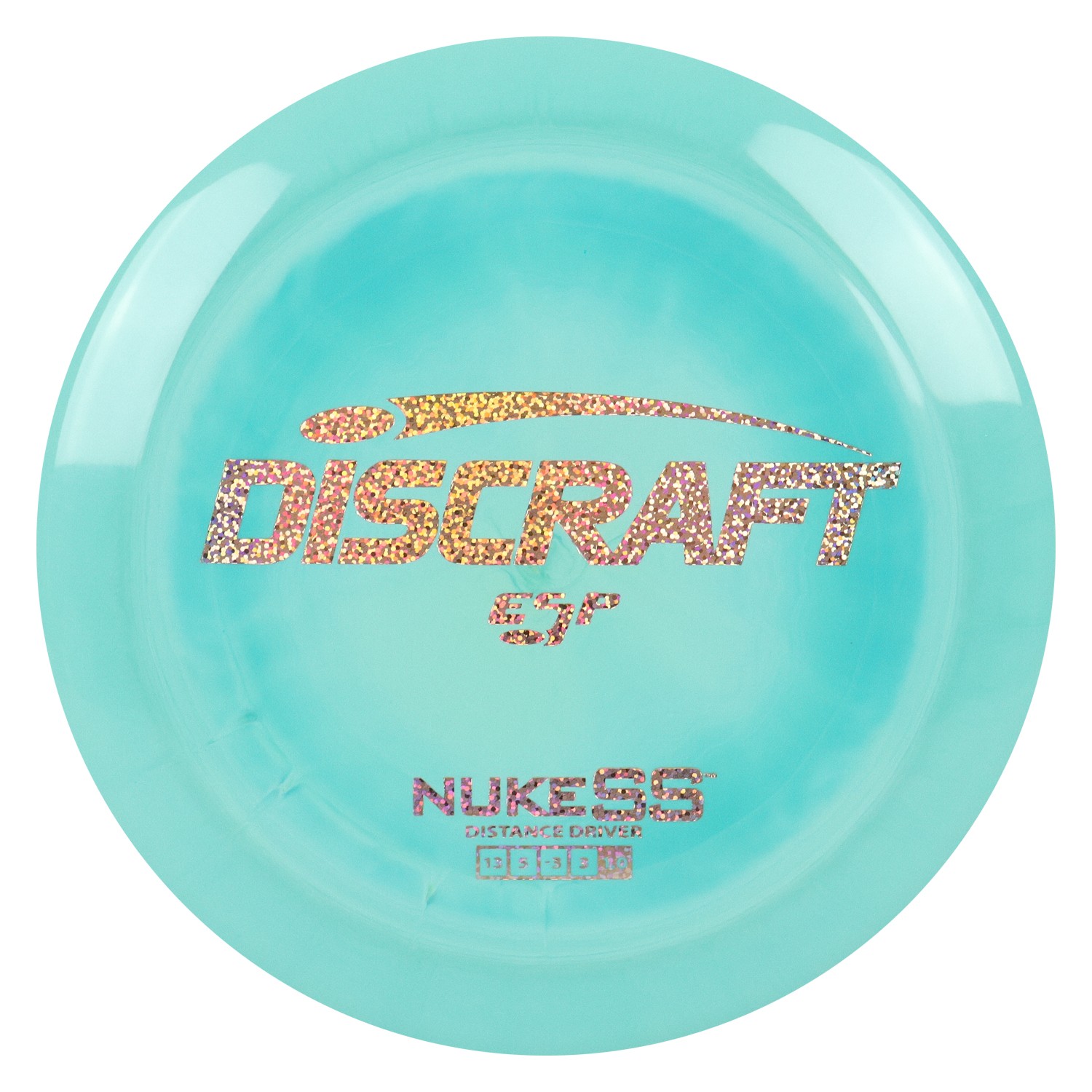

Photos from current listings. Actual item, color, and included accessories may vary.
Discraft Disc Golf Disc Buying Guide
Discraft drivers are injection-molded golf discs defined by their plastic grade (ESP, Z, Big Z, Titanium) and flight numbers, where durability and stability retention over time matter more than any single model name. The primary trade-off is grip/break-in speed versus structural toughness: premium ESP and Z blends resist tree hits and hold their flight path far longer than base Pro-D or X plastic. The decision rule: buy premium plastic if you throw drivers into obstacles or want a disc that stays stable for hundreds of rounds; choose base plastic only for cycling a specific flippy slot cheaply.


At a glance
- Category
- Disc Golf Drivers
- Data updated
- Nov 16, 2026
Current offers
Highlights
- ESP plastic is a premium, grippy, moderately durable blend that beats in predictably; Z plastic is tougher and slicker with the highest impact resistance and slowest wear.
- Flight numbers follow Speed/Glide/Turn/Fade (e.g., Nuke SS 13/5/-3/3); higher speed ratings require more arm speed to reach intended flight, and negative turn plus positive fade defines the hook shape.
- Discraft distance drivers run high-speed wide rims (Nuke, Force, Zeus around 12–13 speed) versus fairway drivers (Heat, Stalker around 7–9 speed) with narrower rims for control.
- Big Z and Titanium are stiffer, more overstable versions of Z and ESP respectively; same mold in different plastic flies measurably more overstable in premium stiff blends.
Best use cases
- Best fit for max-distance open-field throws: pick a 12–13 speed premium driver (Nuke SS in ESP, Force in Z) only if you consistently throw fairway drivers past 300 ft.
- Best fit for controlled fairway lines and tight woods: choose 7–9 speed discs (Heat, Stalker) in Z or ESP; skip 13-speed wide rims that need high arm speed to fly straight.
- Best fit for cycling a flippy hyzer-flip or roller disc: buy base Pro-D or X plastic in a stable mold; skip premium plastic if you want fast break-in.
- Wrong fit to skip: buying a max-speed overstable driver as a beginner or in cold weather — stiff premium plastic cracks on tree hits below freezing, and high speed ratings mask form flaws.
Buying tips
- Match speed rating to your average distance: 6–8 speed for 200–250 ft, 9–10 for 250–300 ft, 11–13 only above 300–350 ft of controlled power.
- Choose Z or Big Z for wooded courses and rocky terrain where impact resistance matters; choose ESP for grip in wet or humid conditions and faster predictable beat-in.
- Use the turn/fade pair to pick shape: -3 to -5 turn discs flip and roll; 0 to +1 turn with 3–4 fade are wind-fighting overstable drivers.
- Treat premium plastic as an investment: Z and Titanium retain stability for hundreds of tree hits, while Pro-D wears from stable to understable within a season of heavy use.
Specs
| Plastic Grade | ESP / Z / Big Z / Titanium / Pro-D |
|---|---|
| Driver Speed Range | 7–13 speed (fairway to distance) |
| Flight Ratings | Speed/Glide/Turn/Fade (e.g., 13/5/-3/3) |
| Max Legal Weight | 175.1 g (PDGA standard) |
Related searches
What to check before buying
- Confirm your max controlled distance with a midrange or fairway driver before buying a 12–13 speed rim; wide-rim drivers expose arm-speed gaps.
- Check course obstacles: heavily wooded layouts favor Z/Big Z toughness, open windy layouts favor overstable premium blends.
- Verify disc weight is legal for competition (max 175.1 g) and choose lighter weights (165–170 g) for slower arm speeds and tailwind distance.
- Inspect rim condition on any used disc: gouges and dents in the rim alter flight more than scuffs on the flight plate.
FAQ
Data sources: eBay / Amazon listings and product attribute feeds Data updated Nov 16, 2026.
Some links on this page are affiliate links. If you buy after clicking one, we may earn a commission at no extra cost to you. This does not change which products appear here or their order. Affiliate disclosure.