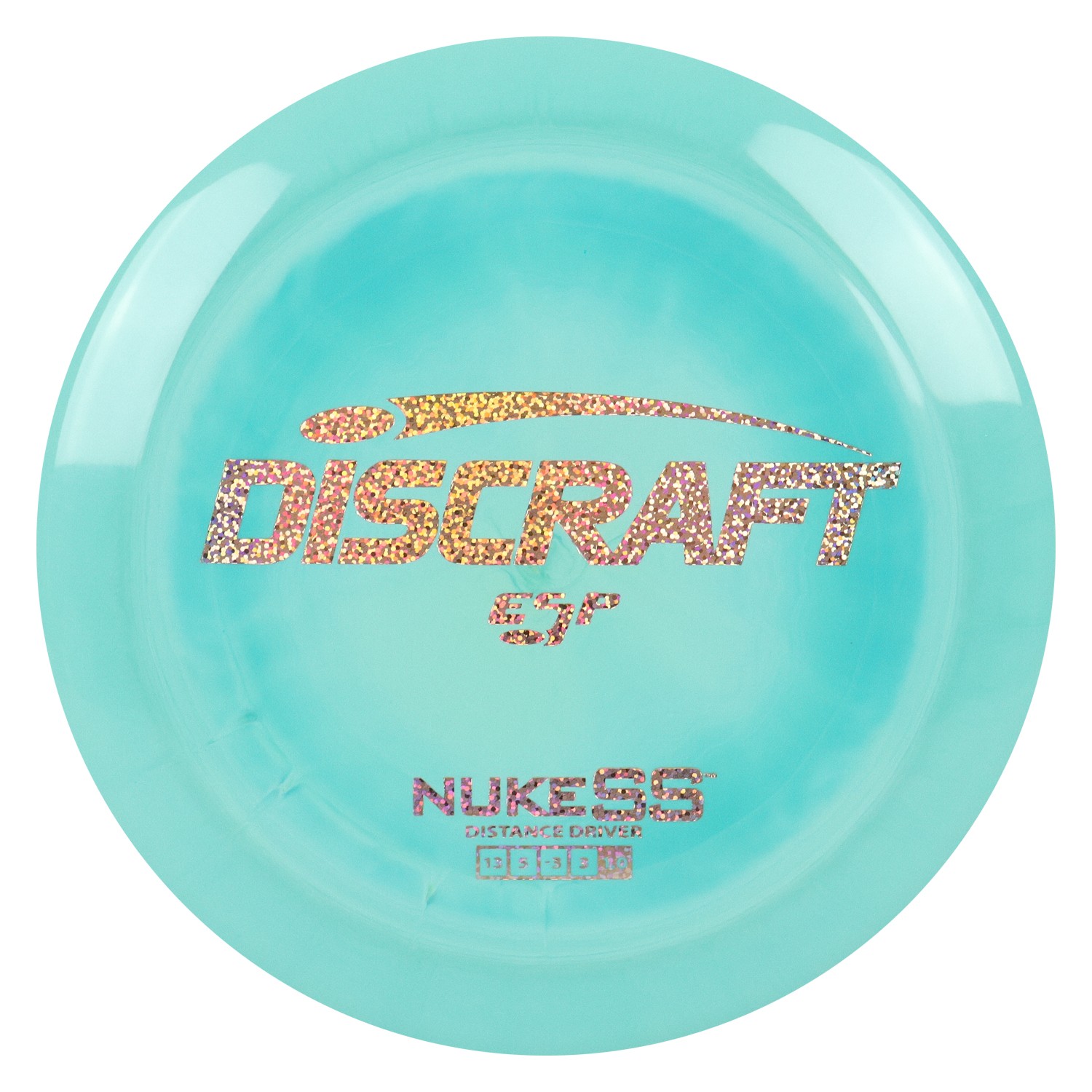

Photos from current listings. Actual item, color, and included accessories may vary.
Distance Driver Buying Guide
Distance drivers are high-speed golf discs (speed 9–14) engineered to maximize carry on long tee shots, with the core trade-off being rim width and stability: wider rims and overstable flights add distance for strong arms but demand higher release speed, while narrower, understable discs are easier to control. The decisive rule is to match disc speed and stability to your arm speed and shot shape—buying a 13-speed overstable driver before you can consistently hit 300 feet creates low, fading shots, not distance.


At a glance
- Category
- Disc Golf Drivers
- Data updated
- Nov 16, 2026
Current offers
Highlights
- Speed rating corresponds to rim width: speed 9–10 uses ~1.9–2.0 cm rims, speed 13–14 pushes 2.3–2.4 cm, which demands higher release velocity to achieve the intended flight.
- Flight numbers read speed/glide/turn/fade; a turn of -3 to -4 (understable) suits slower arms for straight distance, while fade 2–3 (overstable) resists turnover for power throwers.
- Premium plastics (Star, ESP, Q-Line) keep a disc's stability longer than base DX or D-Line, which beat in quickly and turn more understable within weeks.
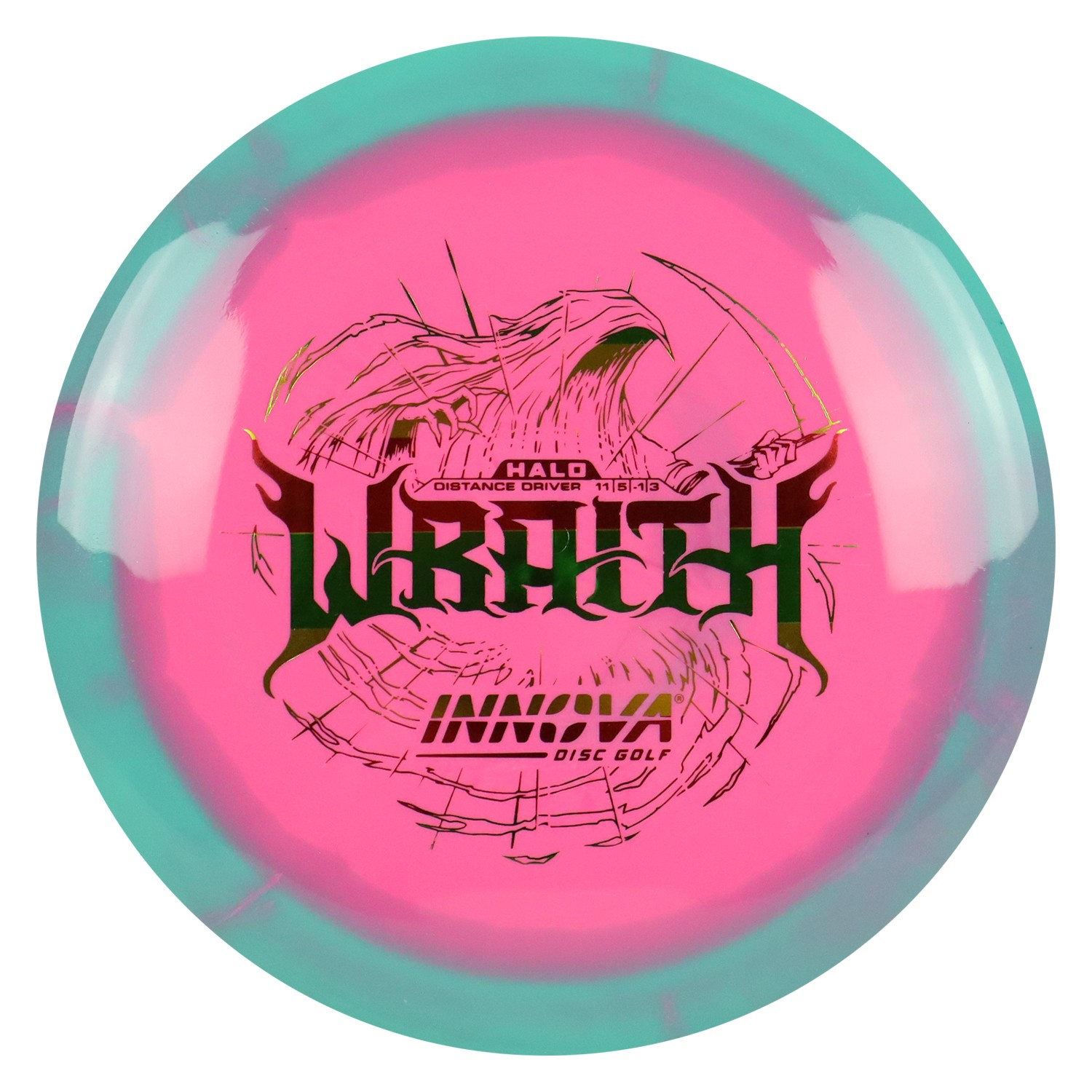
- Halo Star and similar two-tone blends are typically more overstable than standard Star runs, so a Halo Wraith flies closer to a Destroyer than a fresh Star Wraith.
Best use cases
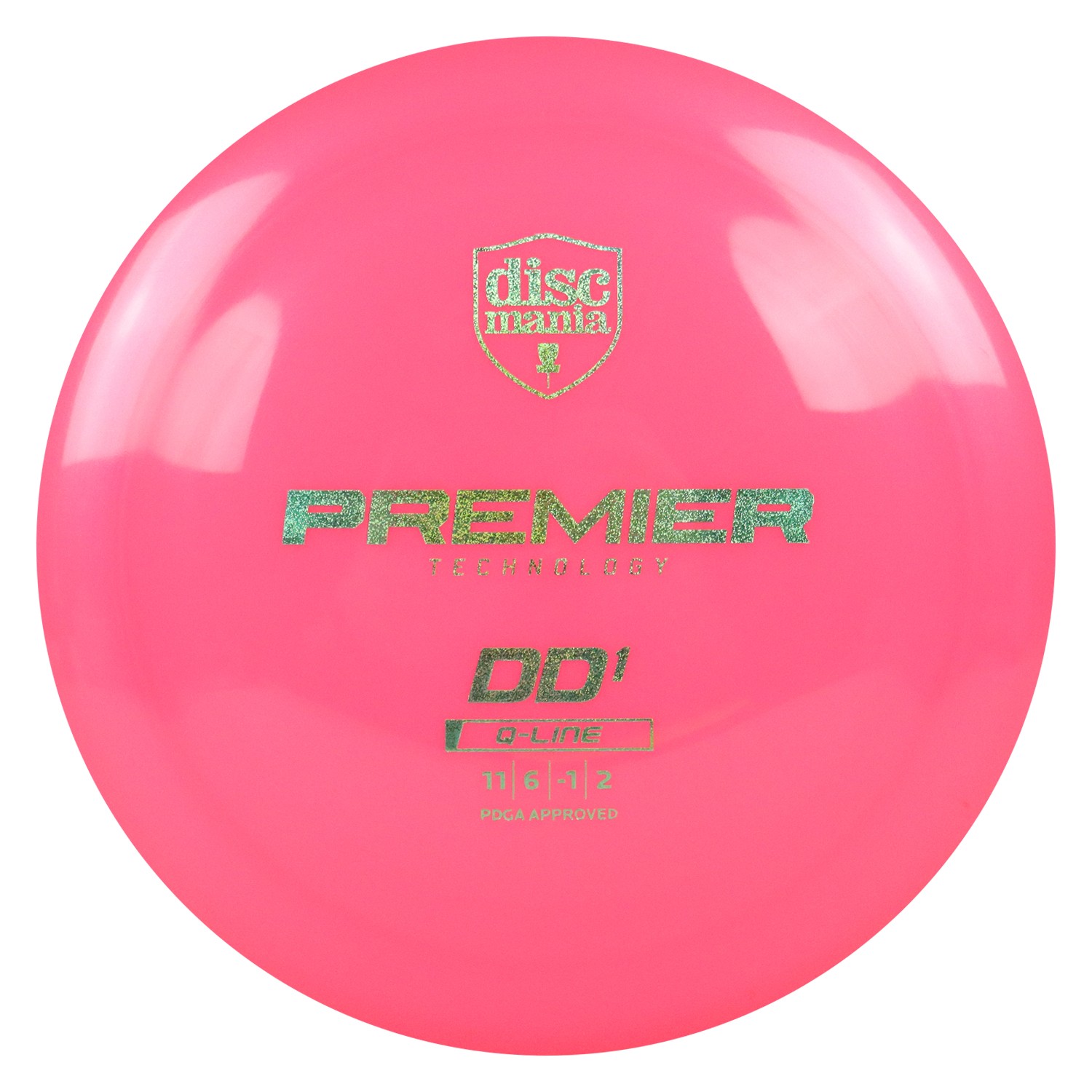
- Best for max-distance tee shots with 300+ ft of power: pick a speed 11–12 overstable driver (Wraith, DD1) for controlled flex lines; skip speed 13–14 if your arm speed can't reach them.
- Best for slower arms (under 250 ft) seeking straighter distance: choose an understable speed 9–11 like the Nuke SS (13/5/-3/3) for turnover glide; skip high-fade overstable drivers that dump left early.
- Best for wooded courses needing shapeable lines: a neutral-stable speed 9–10 fares better than max-speed drivers; skip wide-rim 13+ drivers that demand full-power releases.
- Best for headwind tee shots: overstable fade 2–3 models hold their line; skip understable -3/-4 drivers in wind unless you throw with heavy hyzer.
Buying tips
- Match speed to arm speed: if your max drive is under 250 ft choose speed 9–10; 250–350 ft choose speed 11; 350+ ft can use speed 12–14.
- For straight distance with moderate power, select turn -2 to -3 and fade 1–2; for wind-fighting or forehand, pick turn 0 to -1 with fade 2–3.
- Buy premium plastic (Star, ESP, Q-Line, Halo) for durability and consistent flight; base plastics beat in fast and become more understable.
- Expect Halo/metal-flake blends to run more overstable than stock runs of the same mold; pick one speed lower if you want comparable turn.
Specs
| Speed / Rim Width | 9–14 speed; 1.9–2.4 cm rim |
|---|---|
| Stability Range | Understable (-3/-4) to Overstable (0/3) |
| Plastic Grade | Premium (Star/ESP/Q-Line) vs Base |
| Primary Flight Role | Max-distance tee shots / headwind control |
Related searches
What to check before buying
- Measure your average max drive distance to pick the correct speed tier before choosing a mold.
- Confirm the disc's rim width fits your hand comfortably for a clean power grip release.
- Check course type and typical wind: open windy layouts favor overstable fade 2–3; wooded lines favor neutral-stable.
- Verify you have the companion putter and midrange already dialed—distance drivers only pay off once release consistency is established.
FAQ
Data sources: eBay / Amazon listings and product attribute feeds Data updated Nov 16, 2026.
Some links on this page are affiliate links. If you buy after clicking one, we may earn a commission at no extra cost to you. This does not change which products appear here or their order. Affiliate disclosure.