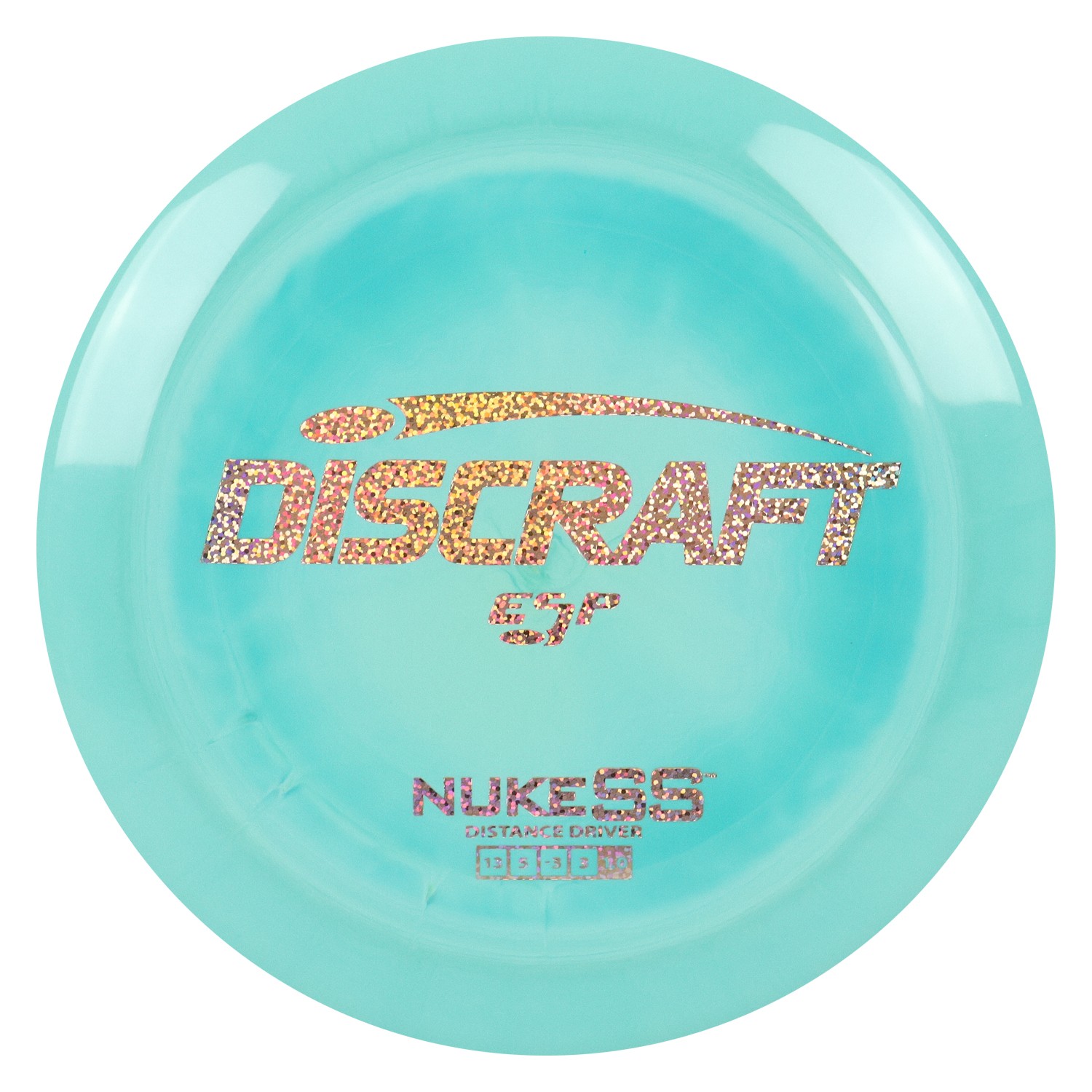

Photos from current listings. Actual item, color, and included accessories may vary.
Distance Driver Disc Golf Buying Guide
Distance drivers are high-speed discs (speed 11-14) engineered for maximum carry, where rim width, plastic grade, and stability tier determine both flight shape and lifespan. The core trade-off is control versus raw distance: wider rims and premium plastics add glide and durability but demand higher arm speed, while baseline plastics beat in faster. Buy a distance driver only if you already throw fairway drivers cleanly; otherwise stay with speed 7-9 control drivers.


At a glance
- Category
- Disc Golf Drivers
- Data updated
- Nov 16, 2026
Current offers
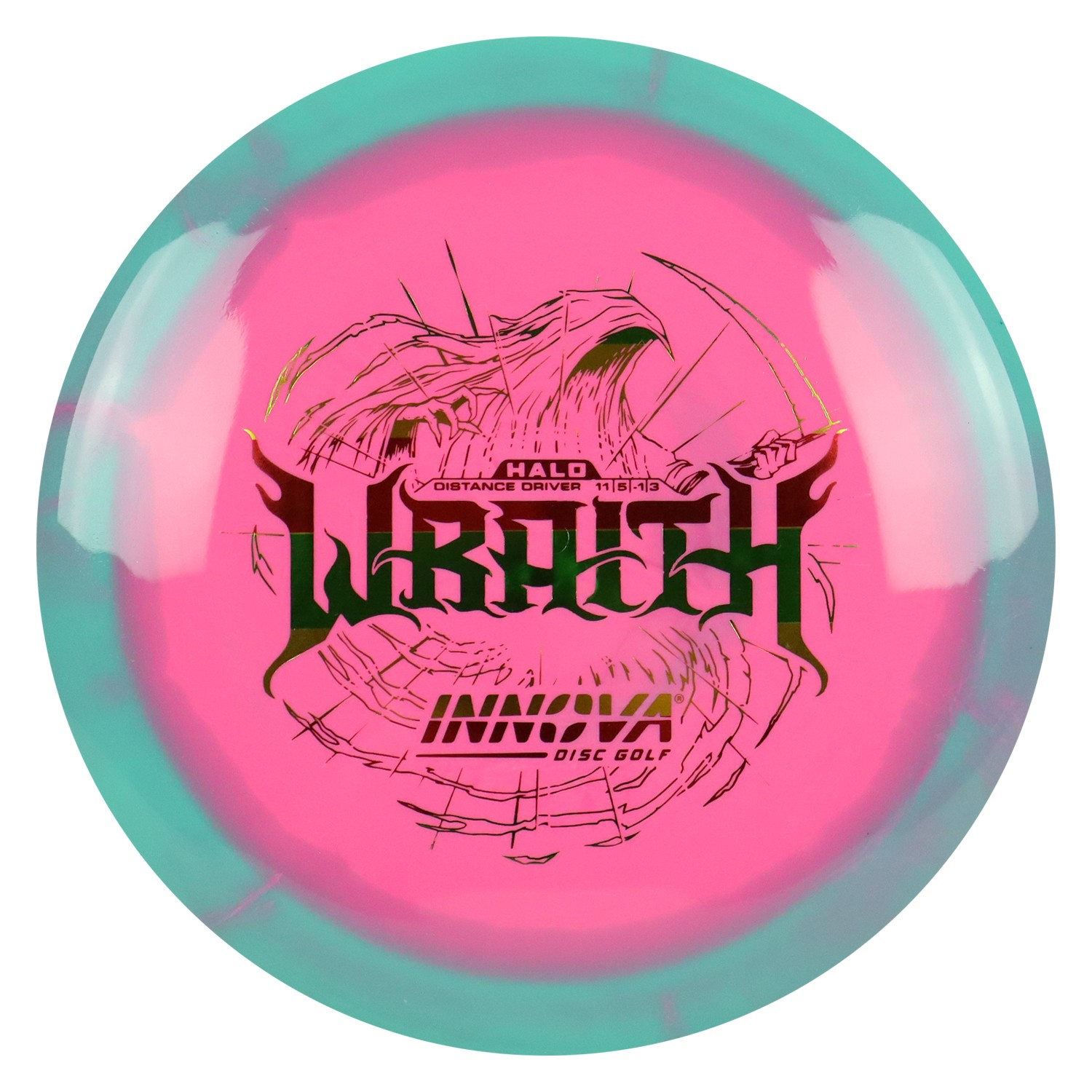
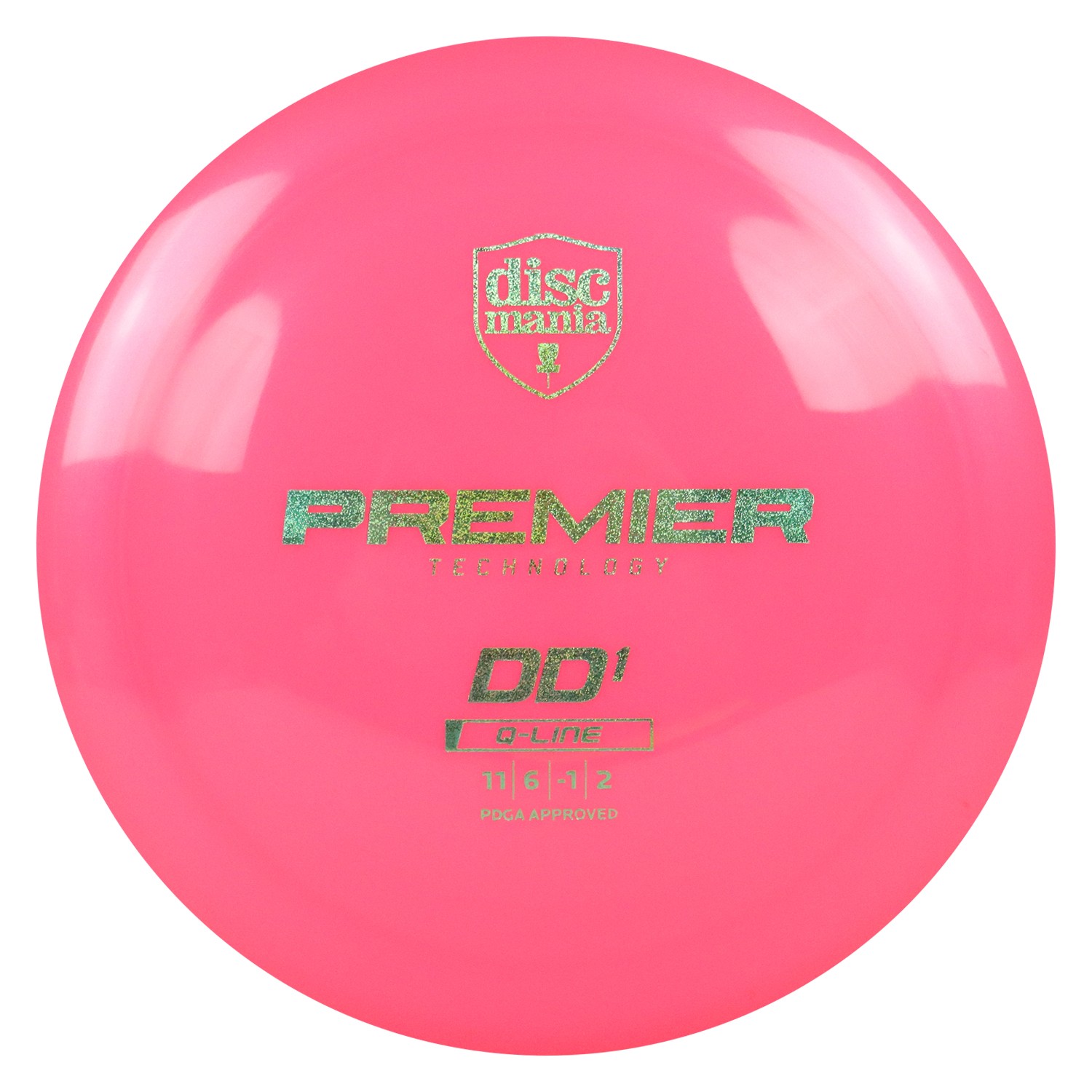
Highlights
- Flight ratings use four numbers: Speed (rim width), Glide (lift), Turn (high-speed understability), Fade (low-speed overstability) — a 13/5/-3/3 is far flippier than an 11/5/-1/3 at the same arm speed.
- Premium plastics (Innova Star/Halo Star, Discraft ESP, Discmania Q-Line) hold stability far longer than DX or Pro-grade baseline blends, which beat into turnover within weeks of tree hits.
- Rim width drives speed class: speed 11-12 rims (~2.2-2.3 cm) suit 300-350 ft arms, while speed 13-14 rims (~2.4 cm) need 350+ ft of power to fly as designed rather than hyzer out early.
- Stability tiers matter more than brand: understable (-3 to -2 turn) maximizes distance for slower arms; overstable (0 to +1 turn) resists wind and finishes reliably for power throwers.
Best use cases
- Best fit for a 300-350 ft thrower seeking max distance: pick an 11-speed, -1 to -2 turn driver in premium plastic (Wraith-class or DD1-class) — controllable without elite arm speed.
- Best fit for 350+ ft power arms or windy open courses: choose a 12-13 speed with 0 to +1 turn in premium plastic for predictable fade and wind resistance.
- Wrong fit: beginners or sub-250 ft arms buying 13-14 speed drivers — the disc will hyzer out early and mask form flaws; buy a speed 7-9 fairway driver instead.
- Wrong fit: buying baseline DX/Pro plastic for a primary distance slot — it beats into a turnover disc fast; reserve baseline plastics for cycling backups, not your go-to max-distance disc.
Buying tips
- Match speed to arm speed, not ego: if your max drive is under 300 ft, stay at speed 9-10; 300-350 ft suits speed 11-12; only 350+ ft arms unlock speed 13-14 designs.
- Read turn and fade together: a -3 turn with +3 fade is a flip-to-straight bomber for moderate arms, while -1/+3 stays stable and needs more power — same speed, very different flights.
- Prefer premium plastic (Star, ESP, Q-Line, Halo Star) for your primary distance driver; the higher cost buys 3-5x the stable lifespan before it turns over.
- Choose lighter weights (165-170 g) for slower arms to gain distance and easier high-speed turn; heavier (173-175 g) resists wind for power throwers.
Specs
| Speed Class | Speed 11-14 (distance tier) |
|---|---|
| Plastic Grade | Premium (Star/ESP/Q-Line) vs baseline |
| Stability Tier | Understable to overstable (-3 to +1 turn) |
| Standard Weight | 165-175 g (max 175 g) |
Related searches
What to check before buying
- Know your max measured drive distance (not best-ever throw) — it sets your correct speed tier before you pick a disc.
- Confirm the disc's exact flight numbers from the stamp or listing, since the same mold in different plastics flies noticeably more or less stable.
- Verify plastic grade matches your durability need — premium for a primary driver, baseline only for backups or turnover cycling.
- Check weight availability in your preferred range (165-170 g for distance, 173-175 g for wind) before committing to a mold.
FAQ
Data sources: eBay / Amazon listings and product attribute feeds Data updated Nov 16, 2026.
Some links on this page are affiliate links. If you buy after clicking one, we may earn a commission at no extra cost to you. This does not change which products appear here or their order. Affiliate disclosure.