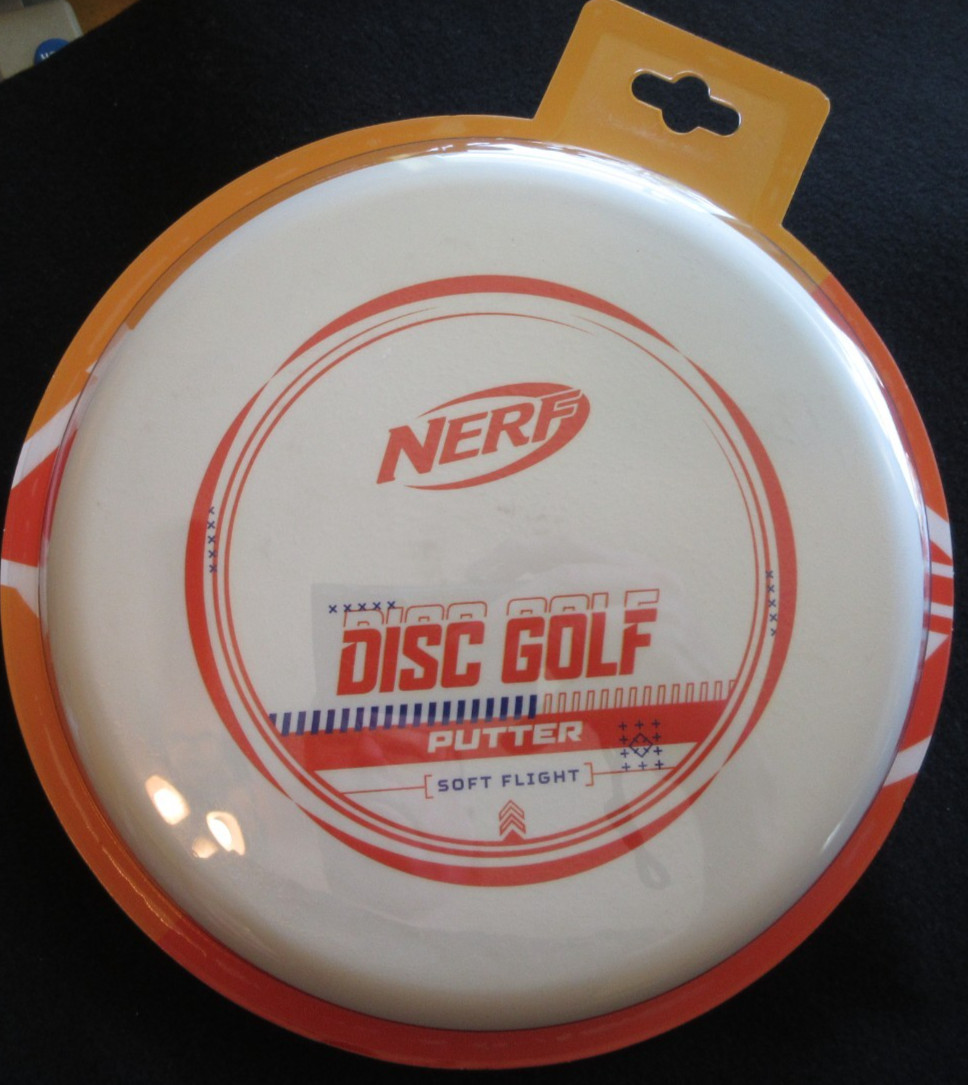

Photos from current listings. Actual item, color, and included accessories may vary.
Disc Golf Putter Buying Guide
Putters are the slowest, straightest discs in the bag, engineered for short approach shots and chain-seeking putts where glide control and a consistent release matter more than distance. The core trade-off is plastic grade versus grip and durability: base plastics (DX, D-Line, Electron) grab chains and hold a line but wear quickly, while premium polymers (ESP, Z, Neutron, Lucid) resist warping yet can skip off the cage. The decision rule is simple: buy base plastic for your primary putting putter and premium plastic for your driving/approach putter.


At a glance
- Category
- Disc Golf Midranges & Putters
- Data updated
- Nov 16, 2026
Current offers
Highlights
- Flight numbers on putters typically read 2-4 speed, 2-5 glide, 0 to -2 turn, 0-2 fade; anything stamped 2/2/0/1 is a dead-straight, low-glide chain-seeker.
- Base plastics (DX, D-Line, Electron, Retro) offer the best chain grip and beat into a hyzer-flip within a season; premium plastics (Z, ESP, Neutron, Lucid, Opto) hold their original flight for years.
- Putter rim depth runs 1.2-1.5 cm and bead style (beaded vs beadless) changes release feel; beaded rims like the Wizard or Judge suit push-putters, beadless rims like the Luna or Pure suit spin-putters.
- Most putters weigh 170-175 g in premium plastic and 172-176 g in base; sub-165 g putters are only appropriate for youth players or tailwind approach shots.
Best use cases
- Primary putting inside 10 m: pick a base-plastic beaded putter (Judge, Wizard, Challenger) in 172-175 g for maximum chain grab and a predictable straight flight.
- Driving and approach shots 60-90 m: use a premium-plastic putter (Z Luna, Neutron Envy, Lucid Judge) that resists tree hits and maintains low-speed stability.
- Windy courses: choose a 2/3/0/2 or overstable putter in premium plastic; skip understable 2/3/-2/0 options that turn over into headwinds.
- Beginner or single-disc rounds: a 2/3/0/1 base-plastic putter covers putting, approach, and short drives; skip high-glide 4/5/0/2 midrange-style putters that overshoot.
Buying tips
- Match plastic to role: base plastic for the putter you throw only inside the circle, premium plastic for any putter you throw off the tee.
- Use flight numbers as a stability guide: 0 turn and 0-1 fade is neutral-straight; -1 to -2 turn is understable and best for turnover approaches, not headwinds.
- Weight matters more than brand: 172-176 g maximizes wind resistance and chain energy transfer; drop to 165-170 g only for slower arm speeds under 50 mph.
- Buy two identical putters in the same plastic and weight for practice; mismatched weights or plastics create inconsistent release timing.
Specs
| Putter Speed | 2-4 (putter class) |
|---|---|
| Plastic Grade | Base (DX/D-Line) vs Premium (Z/ESP) |
| Rim Style | Beaded vs Beadless |
| Standard Weight | 170-176 g |
Related searches
What to check before buying
- Confirm your putting style: push-putters benefit from a beaded rim (Judge, Wizard), while spin-putters prefer beadless rims (Luna, Pure, Pilot).
- Measure your hand span: players with hands under 18 cm across should favor shallower rims (1.2-1.3 cm) for clean release.
- Check course wind exposure: open, windy layouts require premium-plastic overstable putters; wooded layouts reward base-plastic straight putters.
- Verify the disc is PDGA-approved if you play sanctioned events; all major-brand putters are approved, but white-label discs may not be.
FAQ
Data sources: eBay / Amazon listings and product attribute feeds Data updated Nov 16, 2026.
Some links on this page are affiliate links. If you buy after clicking one, we may earn a commission at no extra cost to you. This does not change which products appear here or their order. Affiliate disclosure.