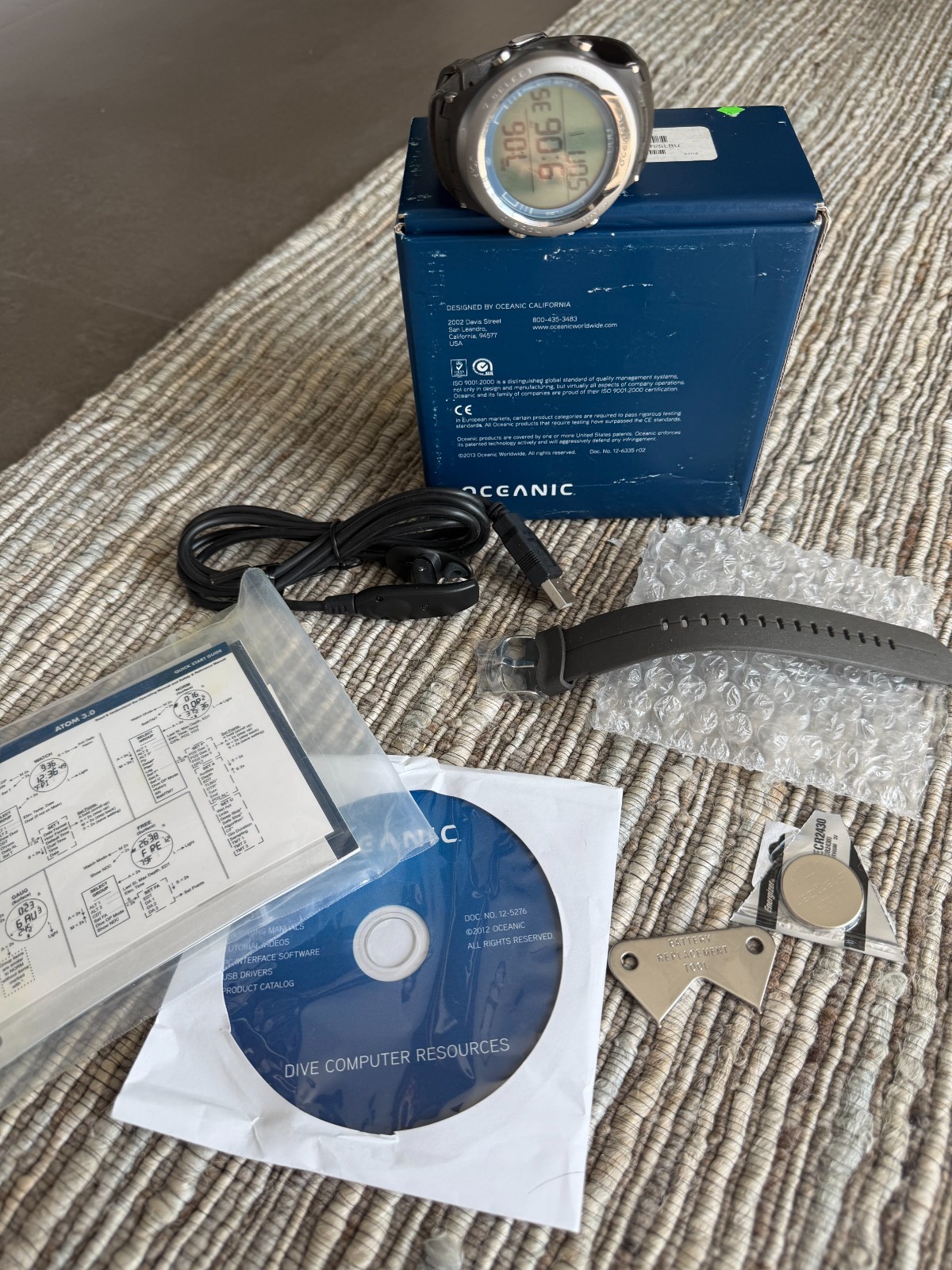

Photos from current listings. Actual item, color, and included accessories may vary.
Oceanic Dive Computer Buying Guide
Oceanic dive computers span air-integrated consoles, wristwatch-style nitrox units, and basic puck instruments, with the primary trade-off being air integration and transmitter compatibility versus display readability and battery simplicity. The durable decision rule is to match the unit's gas-switching capability and transmitter protocol to your actual diving (single-gas vs. multi-gas, hoseless vs. hose-mounted) and to prioritize user-replaceable batteries and a serviceable depth sensor over cosmetic condition.


At a glance
- Category
- Dive Computers & Instruments
- Data updated
- Nov 16, 2026
Current offers
Highlights
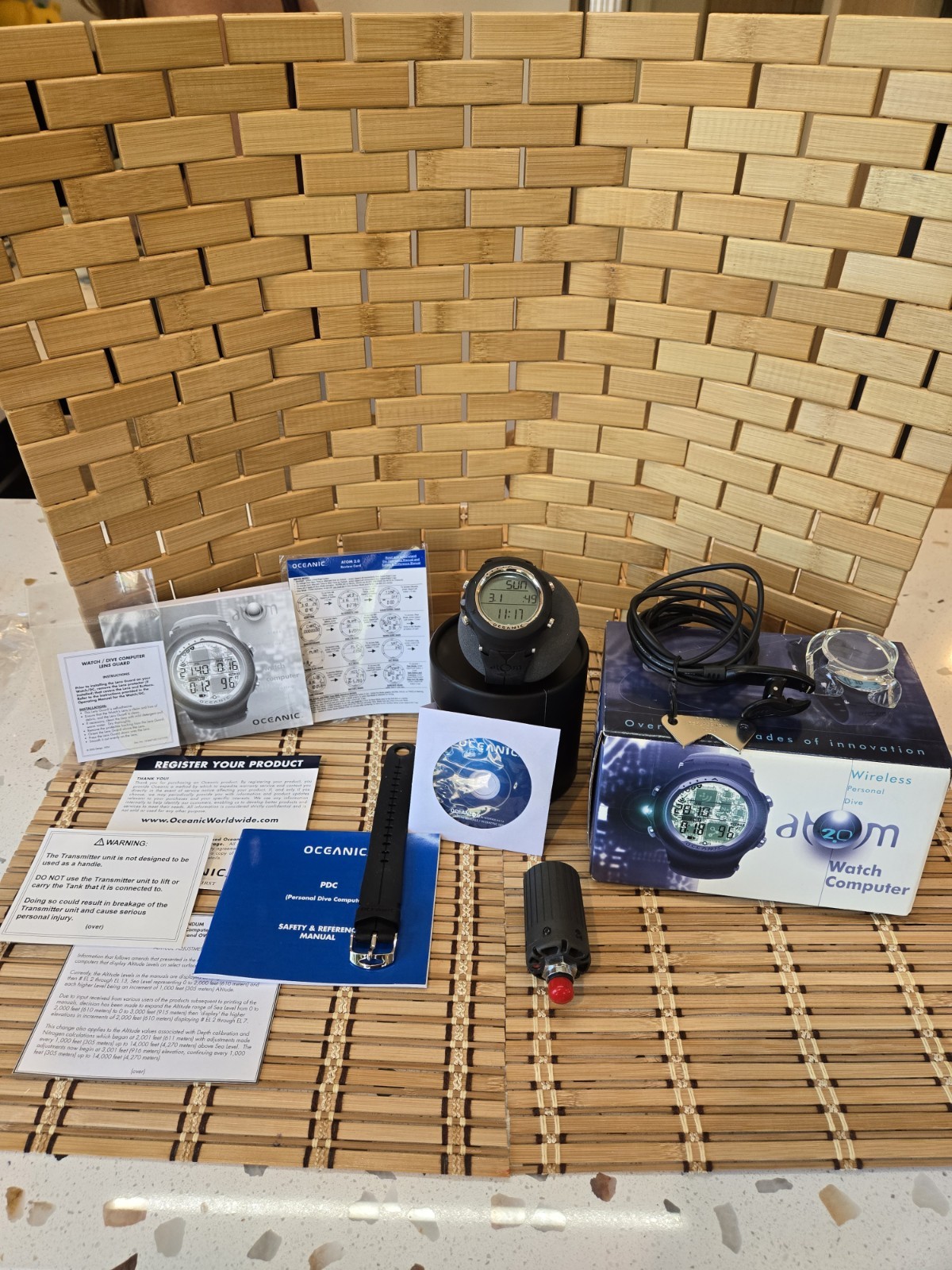
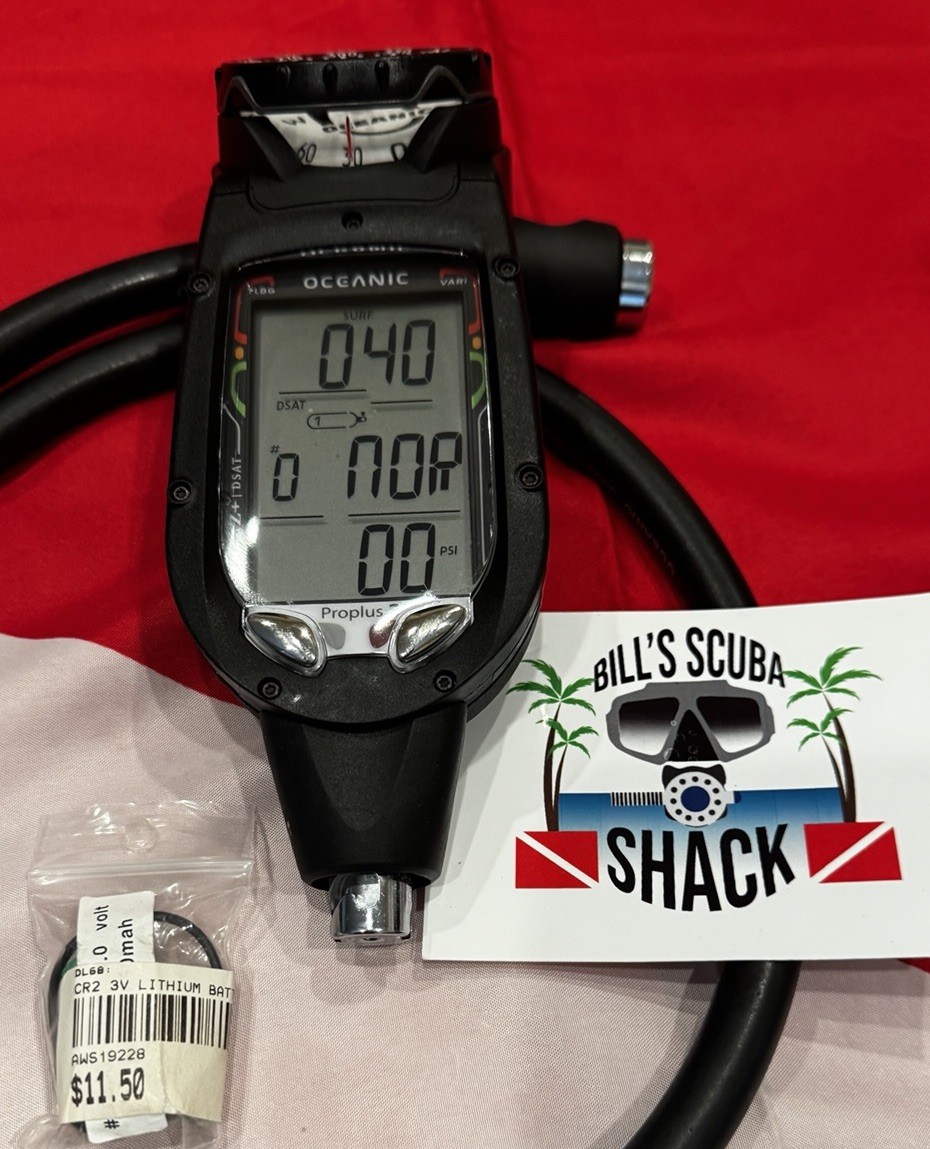
- Air-integrated models like the Atom 2.0 use a hoseless transmitter on the first stage to display tank pressure, gas time remaining, and SAC rate on the wrist unit, while non-integrated consoles like the Pro Plus 3 rely on a high-pressure hose and analog spg for pressure.
- Nitrox-capable Oceanic computers support user-selectable FO2 from 21% to 50% (and some to 100% in gauge mode), with programmable ppO2 alarms typically set between 1.2 and 1.6 atm for bottom gas and deco obligations.
- Wristwatch form factors (Atom, OCi) run on user-replaceable CR2450 or CR2032 coin cells with 1-2 year life, whereas console models often use AA or CR2 cells and are bulkier but easier to read in low visibility.
- Algorithm differences matter: Oceanic's Dual Algorithm (Pelagic Z+ / DSAT) allows switching between conservative and liberal decompression models, and newer units add a digital compass and Bluetooth log downloads that older Pro Plus 2 and Atom 1.0 lack.
Best use cases
- Best fit: recreational single-gas or nitrox divers doing 2-4 dives per day who want tank pressure and NDL on one wrist screen should choose an air-integrated wrist unit (Atom 2.0 or OCi) with a compatible transmitter.
- Wrong fit: technical multi-gas divers doing accelerated deco or trimix should skip Oceanic recreational computers and move to a multi-gas trimix-capable unit with 3+ gas switching and CCR support.
- Best fit: boat and resort divers who prefer a hose-mounted pressure gauge and large console display should pick the Pro Plus 3 with compass; skip wristwatch units if you need a backup analog spg and easy battery access.
- Wrong fit: pool or shallow snorkel use does not justify an air-integrated computer; a basic depth/time puck or gauge mode unit is sufficient and avoids transmitter battery and pairing maintenance.
Buying tips
- Confirm transmitter compatibility: Oceanic air-integrated units use a specific hoseless transmitter (often branded Oceanic or Aeris) that must match the computer's firmware generation; a mismatched transmitter will not pair or display pressure.
- Check the gas switching capability: single-gas units allow one FO2 setting, while multi-gas units let you program 2-3 nitrox mixes and switch underwater—match this to your planned dive profiles, not to marketing labels.
- For used units, verify the depth sensor and battery compartment seals are intact and that the screen has no delamination or dead pixels; a factory screen protector or fresh O-ring kit is a stronger indicator of serviceability than low dive count.
- Prefer user-replaceable batteries (CR2450/CR2032/AA) over proprietary rechargeable cells, and confirm the unit includes the correct high-pressure hose or transmitter mount for your regulator's first stage port configuration.
Specs
| Air Integration | Hoseless transmitter vs hose SPG |
|---|---|
| Gas Switching | Single-gas vs 2-3 nitrox mixes |
| Form Factor | Wristwatch vs console vs puck |
| Battery Type | CR2450/CR2032 vs AA/CR2 |
Related searches
What to check before buying
- Measure your wrist circumference and confirm the strap or bungee mount fits over a 3mm-7mm wetsuit cuff; watch-style units typically fit 5.5-8.5 inch wrists with the stock strap.
- Verify your regulator's first stage has a spare 3/8-24 UNF high-pressure port (for hose-mounted consoles) or a 7/16-20 UNF low-pressure port for a hoseless transmitter.
- Check that the unit's altitude and fresh/salt water settings match your diving environment, and that the display is readable in the visibility and light conditions you actually dive.
- Confirm the battery type is available locally and that the unit's dive log download (if any) uses a standard interface (Bluetooth, USB) rather than a proprietary cable you must source separately.
FAQ
Data sources: eBay / Amazon listings and product attribute feeds Data updated Nov 16, 2026.
Some links on this page are affiliate links. If you buy after clicking one, we may earn a commission at no extra cost to you. This does not change which products appear here or their order. Affiliate disclosure.