Photos from current listings. Actual item, color, and included accessories may vary.
Fishing Bait Buying Guide
Fishing bait spans scented consumables, soft and hard lures, and multi-piece tackle kits, so the core trade-off is scent/attraction versus durable reusable hardware. Match bait class to water type and target species: consumables for stocked or pressured fish, hard/soft lures for repeatable casting and hooksets.
Bait Class:Soft plastic / hard / scentedLure Length:1–5 in (species-matched)Hook Gap:1/0–5/0 offset wormWater Type:Freshwater / saltwater hardware
Typical price range$18.99 – $70.99

At a glance
- Category
- Fishing Hooks, Lures & Baits
- Data updated
- Nov 16, 2026
Current offers
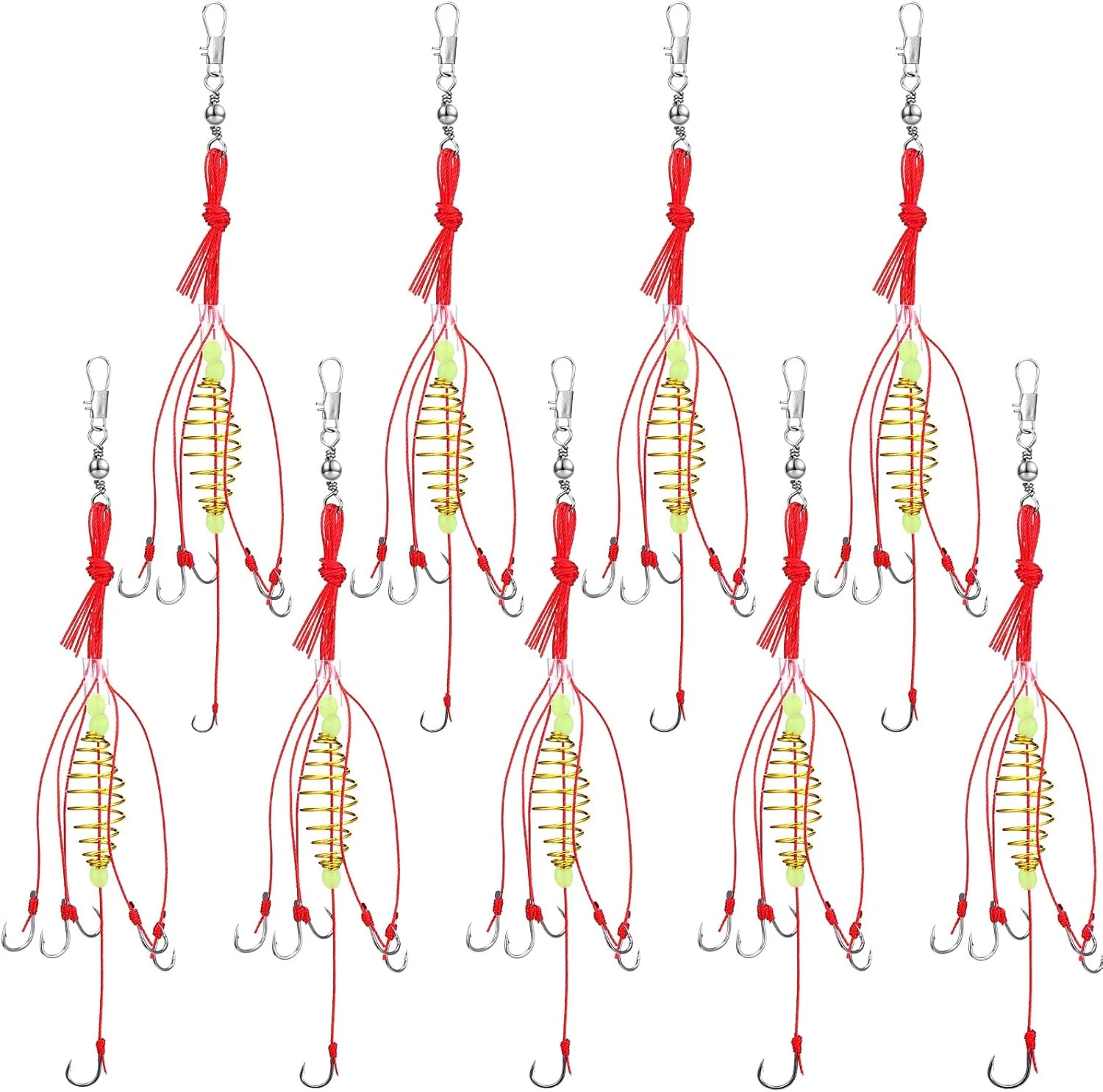 Teenyyou 9 Pack Carp Fishing Baits Hooks with Fishing Spring Carp Feeder Lure Tr$23.76
 View on eBay
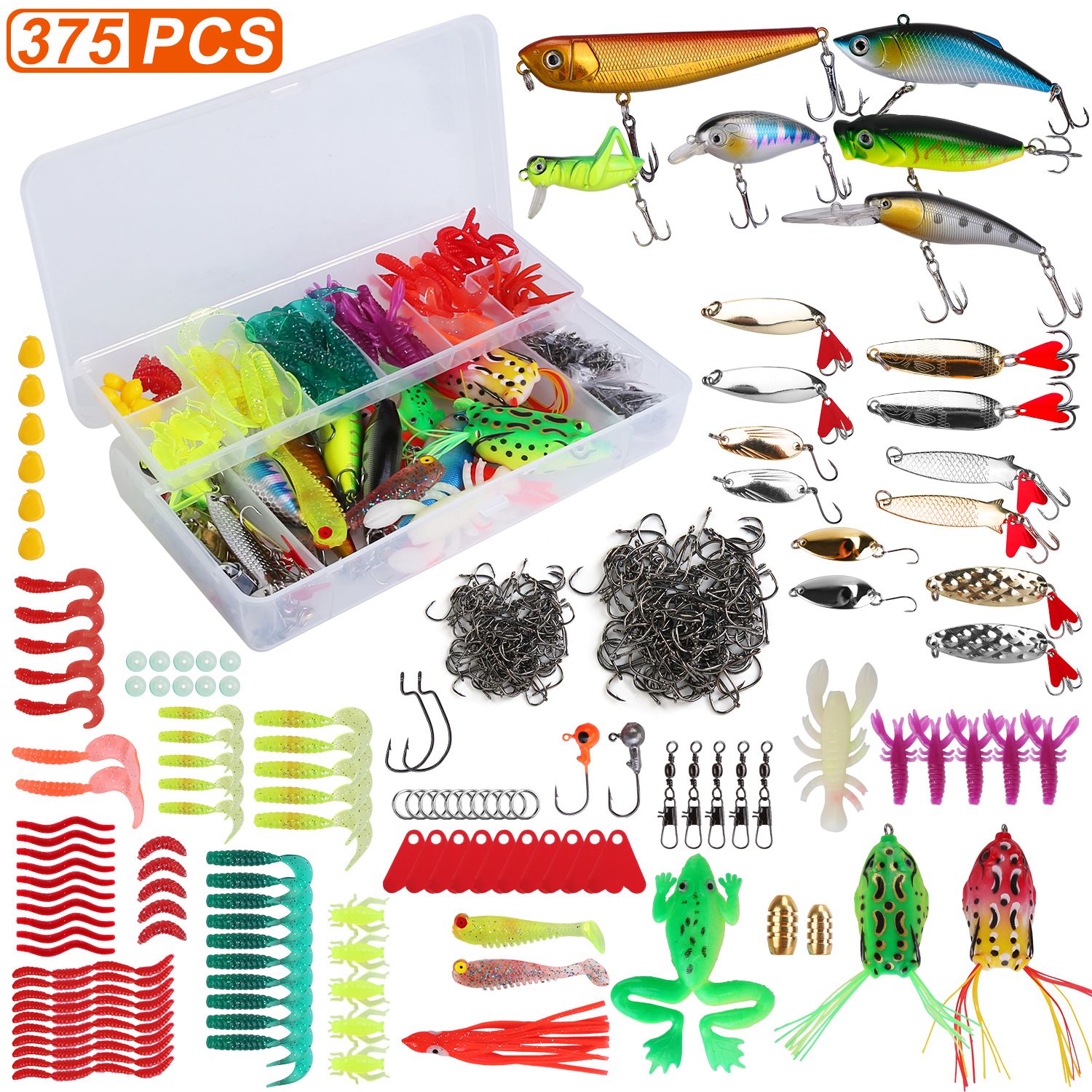 375Pcs Fishing Baits And Tackle Box Saltwater Freshwater Lures Kit Lifelike Popper Crankbaits Crickets Frogs Spoon Maggots$28.99
 View on Mallflare
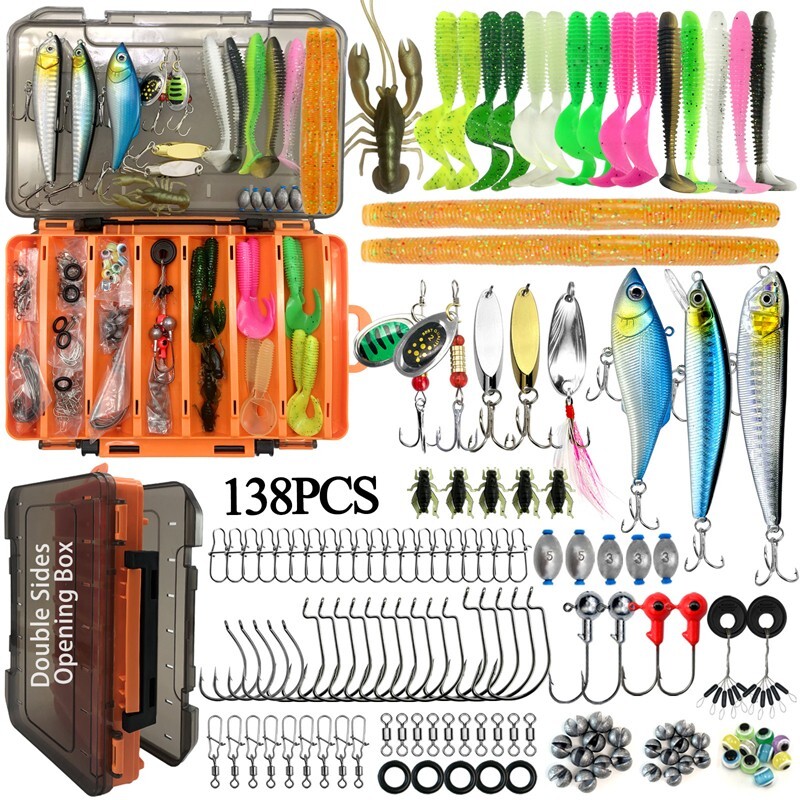 138 Bait sets - Fishing gear box with spoon bait, soft plastic worms and bait$25.99View on eBay
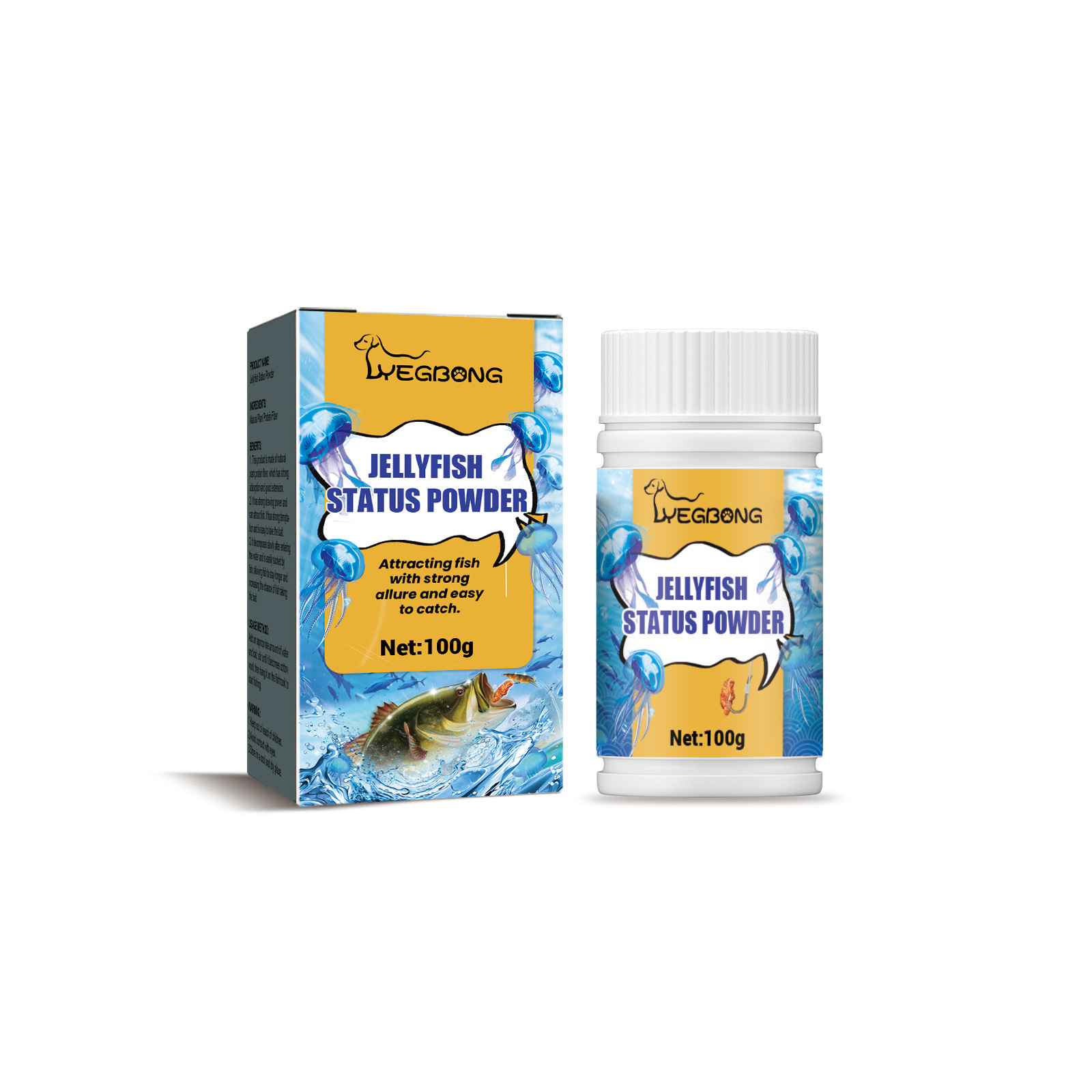 Auth. & Cert. Yegbong Jellyfish Status Powder, Bait For Fishing Wild Crucian Tilapia$18.99View on Mallflare
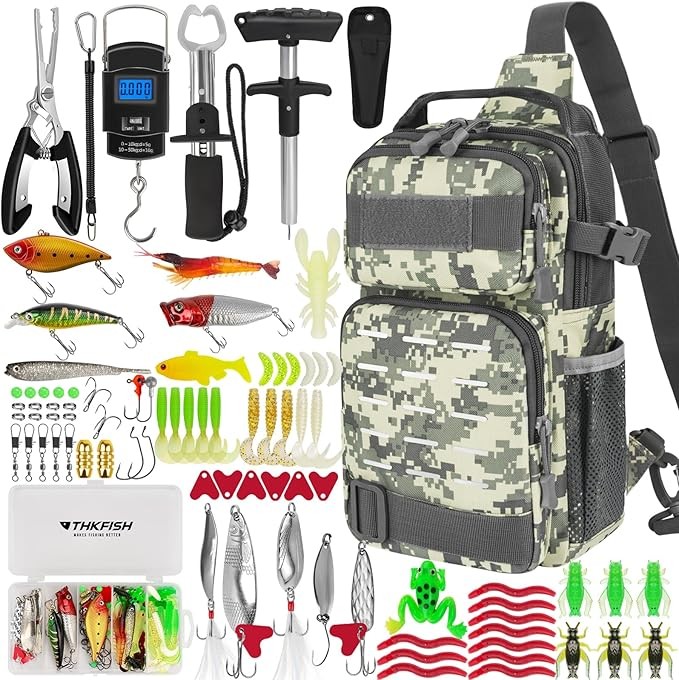 413-153PCS Fishing Lures Kit Set, Baits Tackle Tackle Box More Gifts Gear Tools$39.99View on eBay
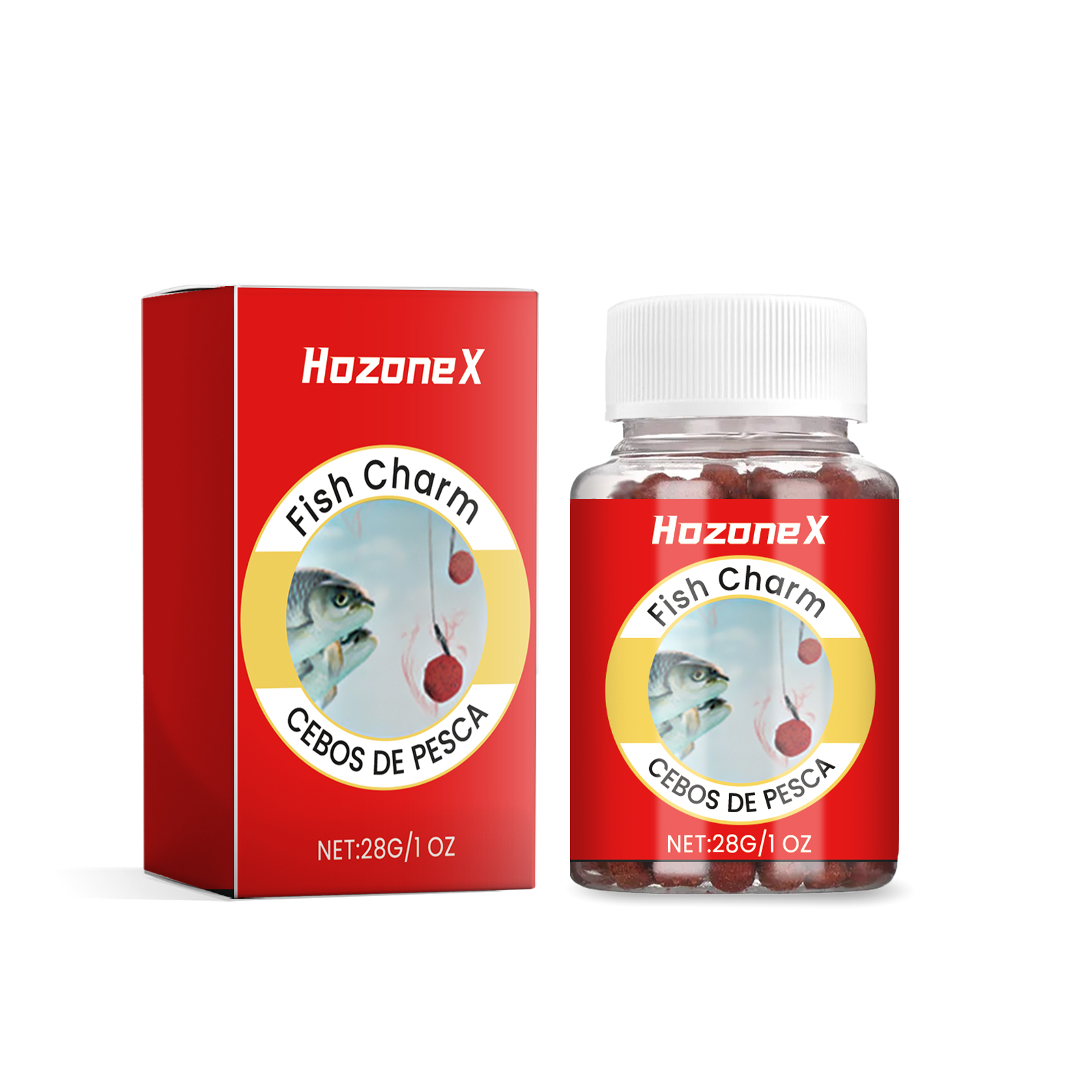 Auth. & Cert. HozoneX Scented Bait, Fishing Outdoor Wild Reservoir Fish Freshwater Nest Material$18.99View on Mallflare
- Fishing Tackle Box Kit Assorted Lures Topwater Baits Swimbaits Frog Baits Bass$39.99View on eBay
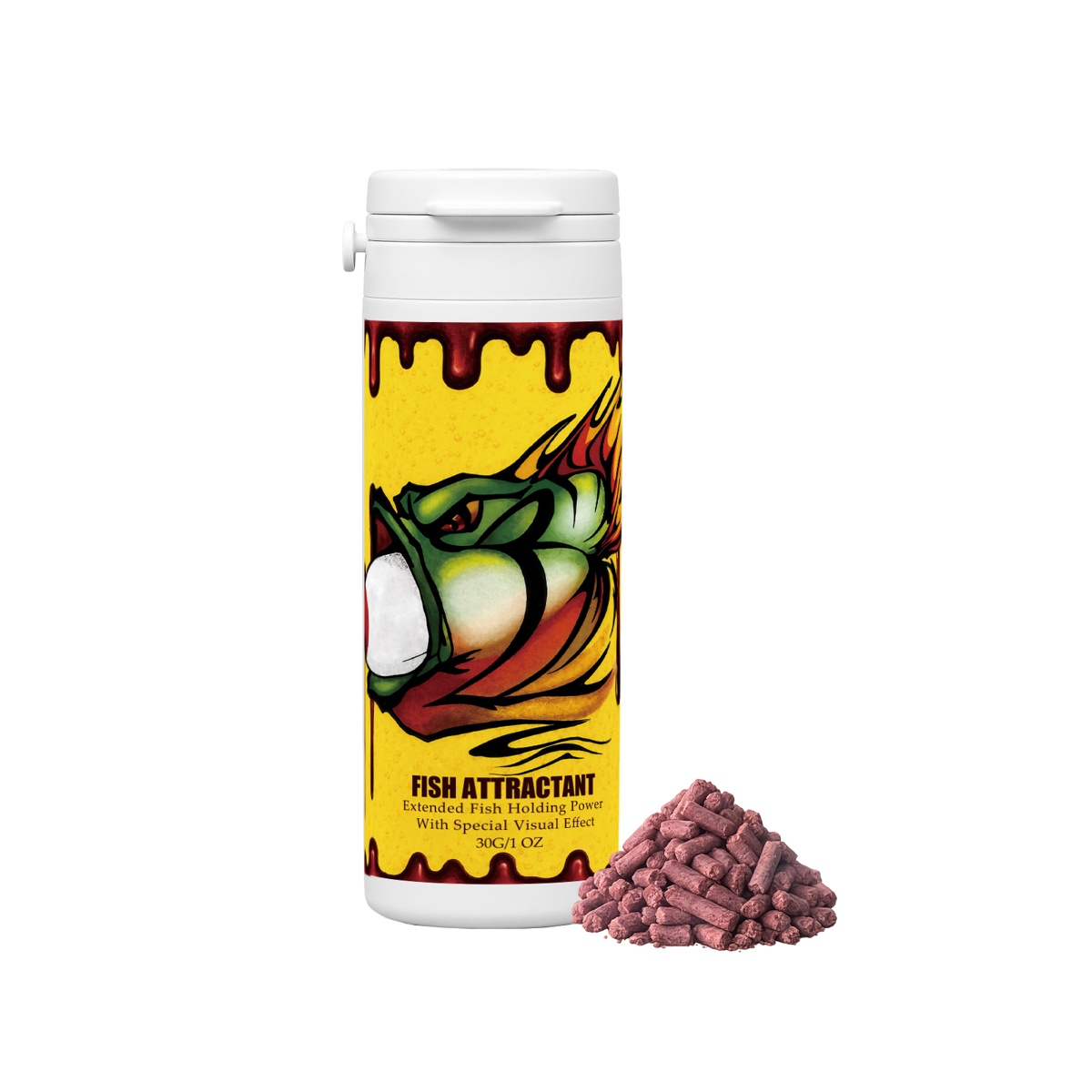 Auth. & Cert. AMZ Fish Bait Mix - Daily Freshwater Fishing For Reservoirs, Rivers And Lakes. Convenient For Attracting Enhancer For Easy Use.$18.99View on Mallflare
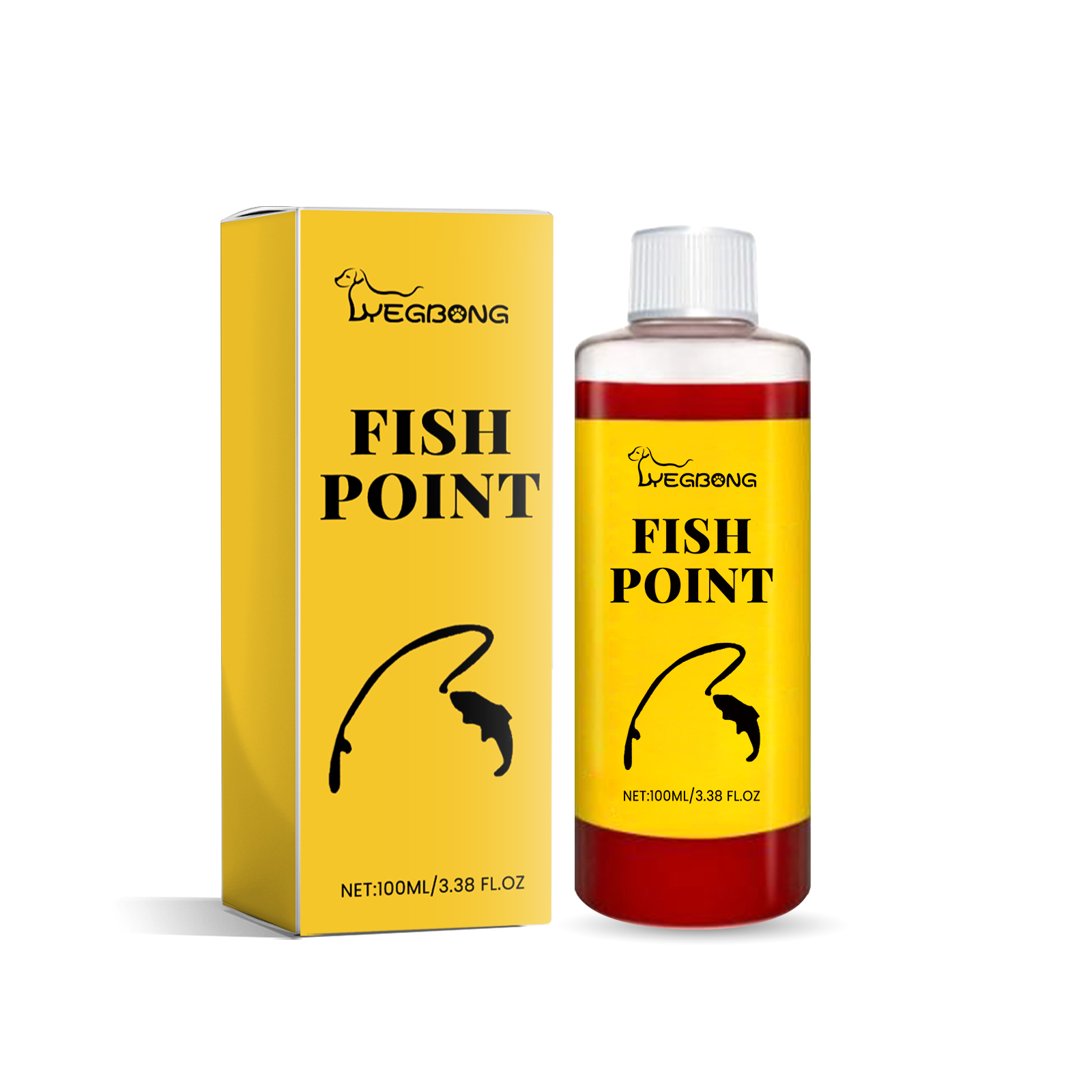 Auth. & Cert. Yegbong Red Bug Bait, Fish Feed Nutrient Fishing Wild Attractant$18.99View on Mallflare
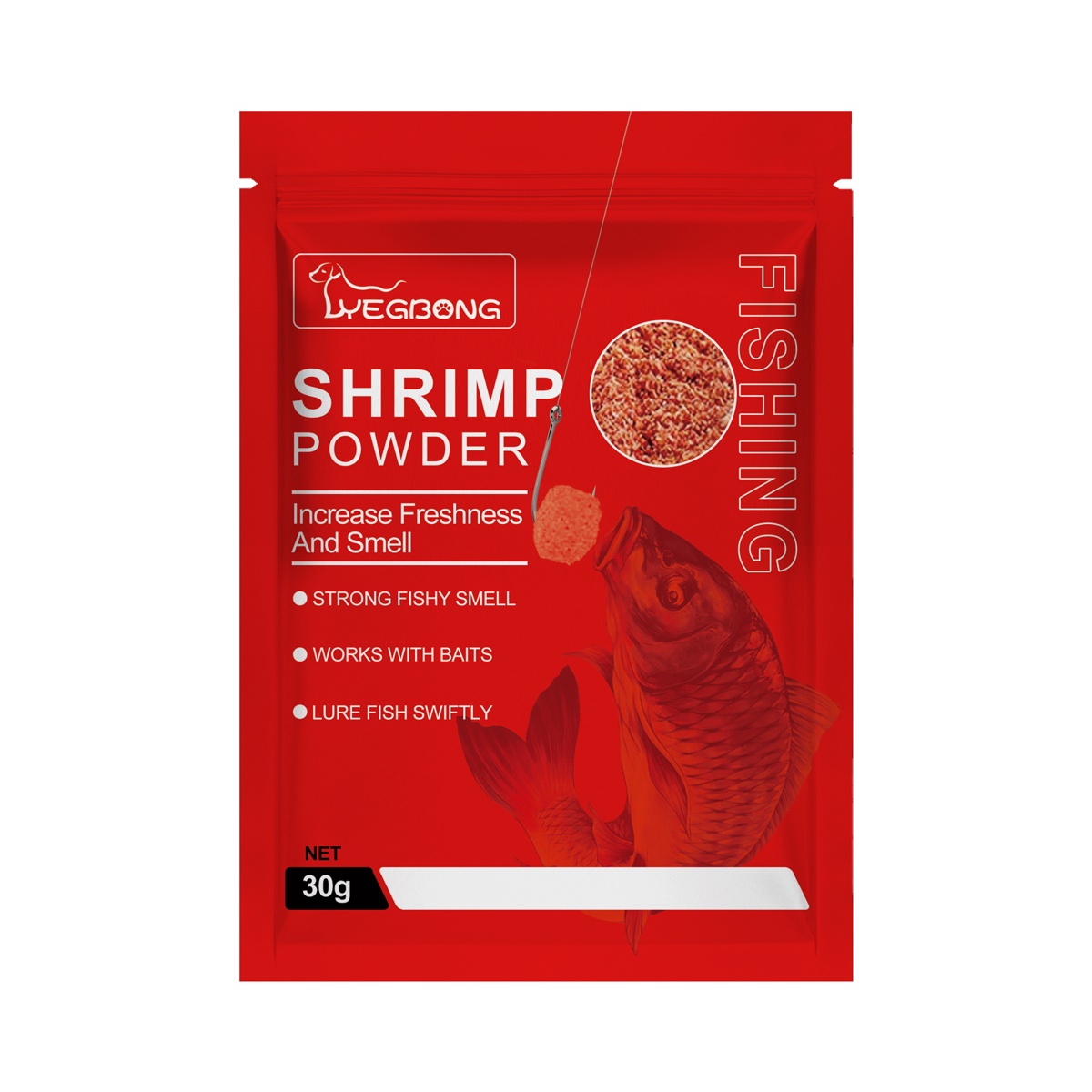 Auth. & Cert. Yegbong Bait Attractant, Reservoir Fishing Fish Portable Primer$18.99View on Mallflare
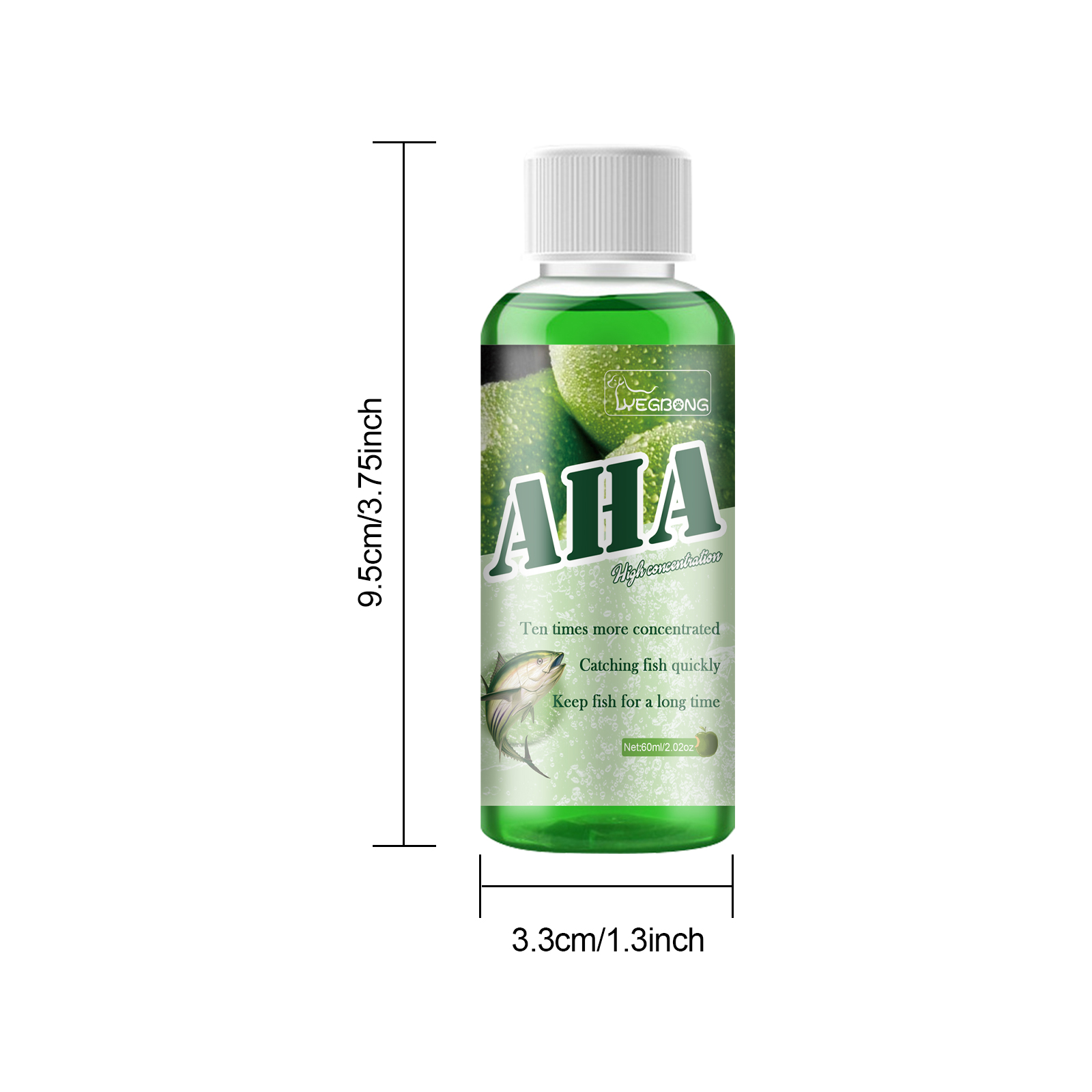 Auth. & Cert. Yegbong Fish Attractor, Carp Eel Grass Tilapia And Bighead Fishing Medicine Bait Lure Agent$18.99View on Mallflare
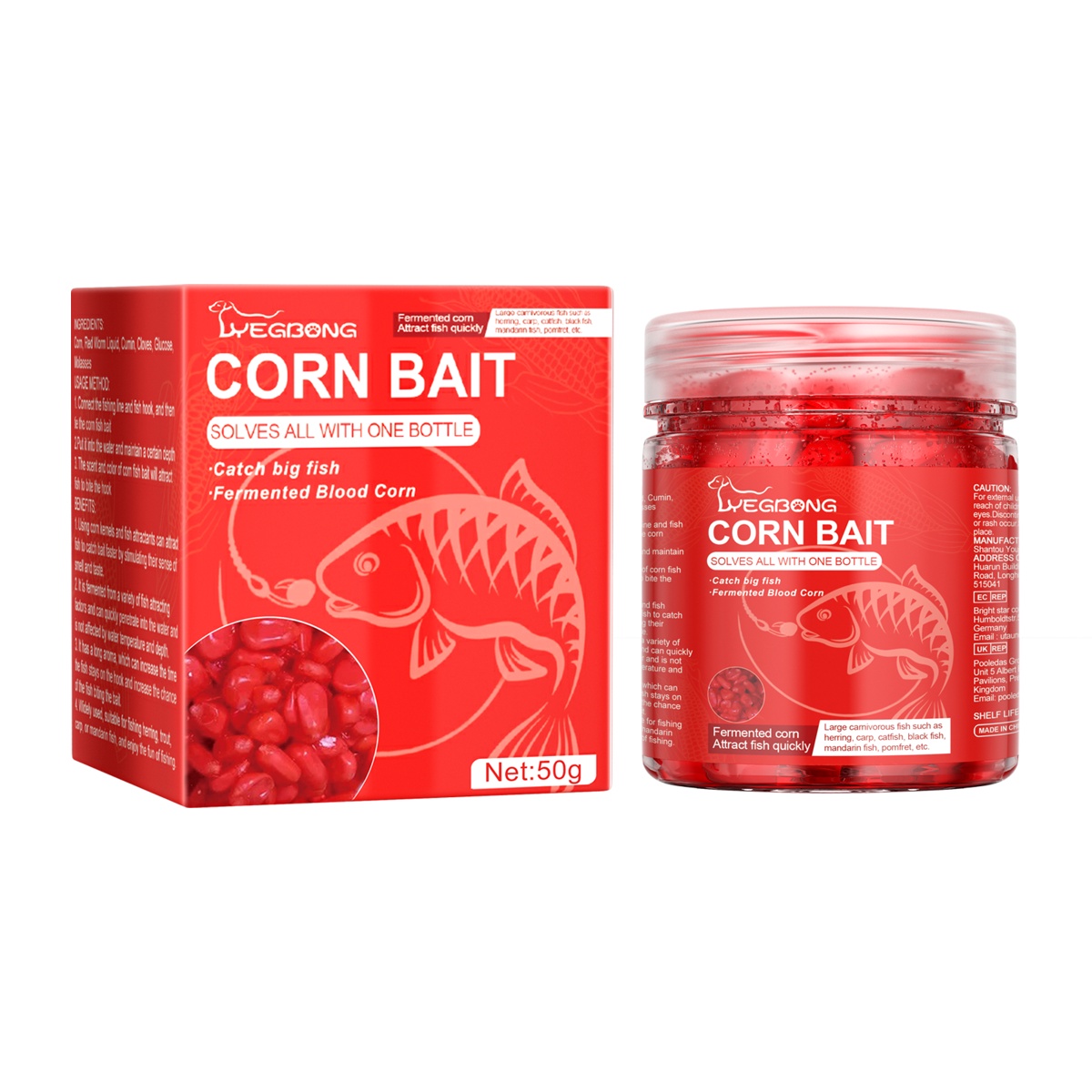 Auth. & Cert. Yegbong Corn Fish Bait, Reservoir Fishing Lure Portable Primer$18.99View on Mallflare
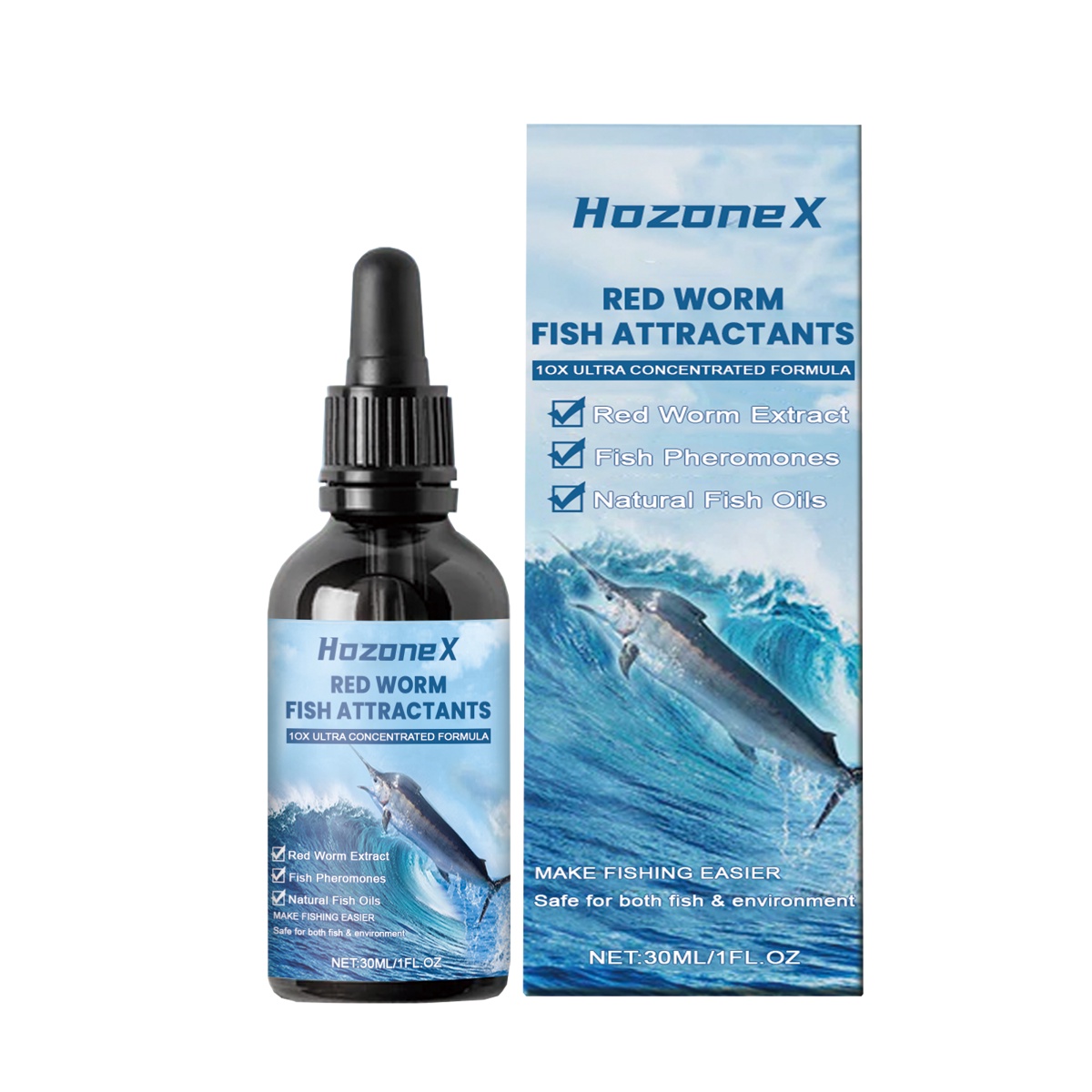 Auth. & Cert. HozoneX Red Bug Bait Attractor, Red Bug Formula Wild Fishing$18.99View on Mallflare
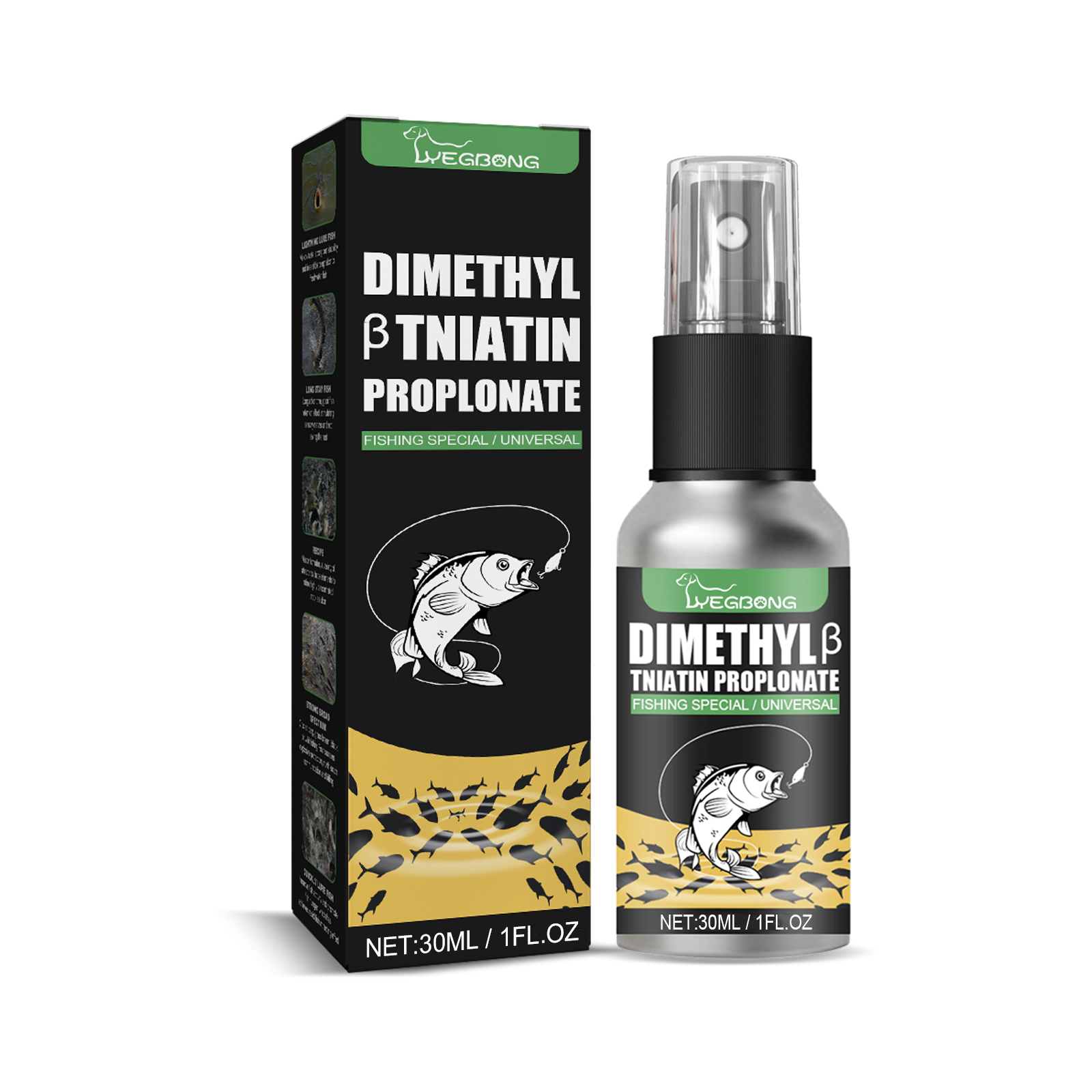 Auth. & Cert. Yegbong Bait Attractant, Small Medicine Wild Fishing Lure Agent Is Expected To Lead Fish$19.99View on Mallflare
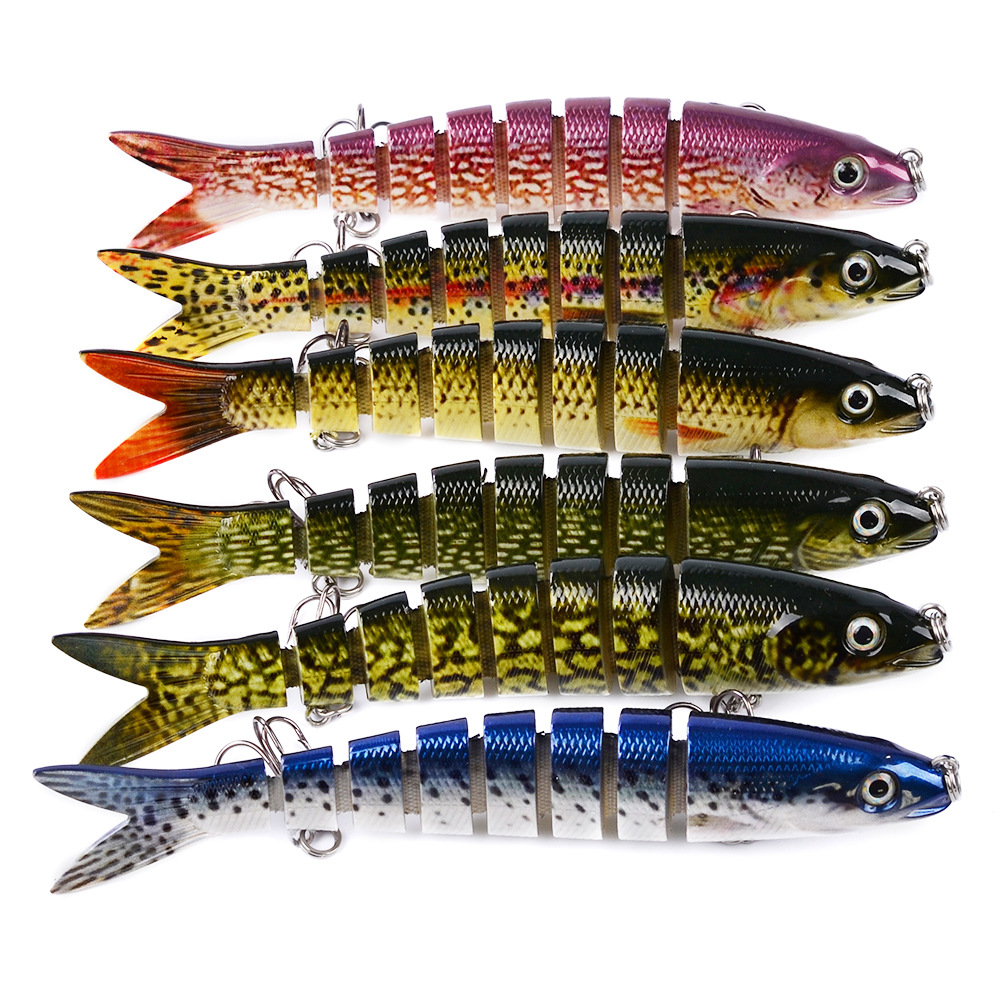 Pike Fishing Lures Artificial Multi Jointed Sections Hard Bait Trolling Carp Tools$20.99View on Mallflare
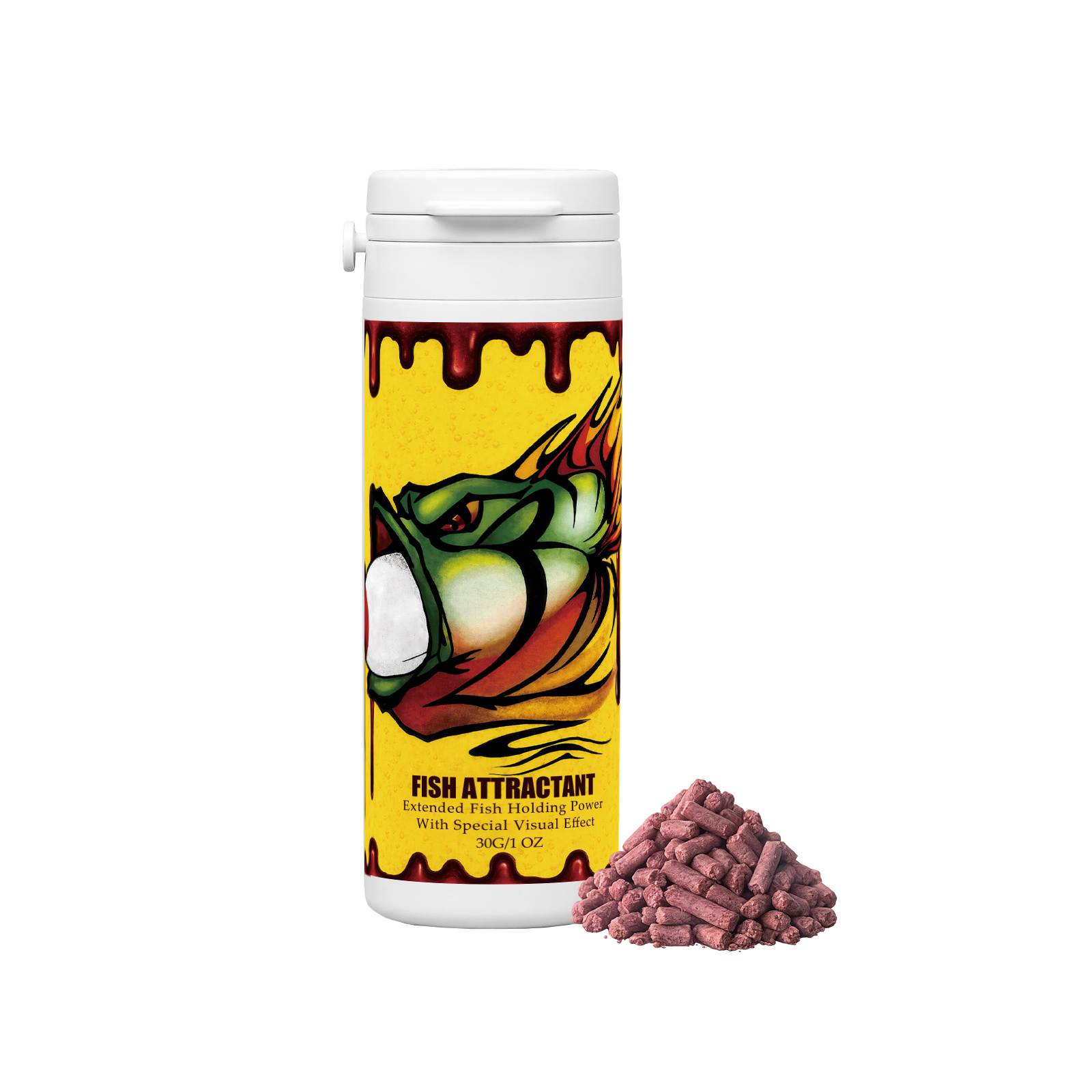 Pet Supplies Fish Bait Mix - Daily Freshwater Fishing For Reservoirs$26.99View on Mallflare
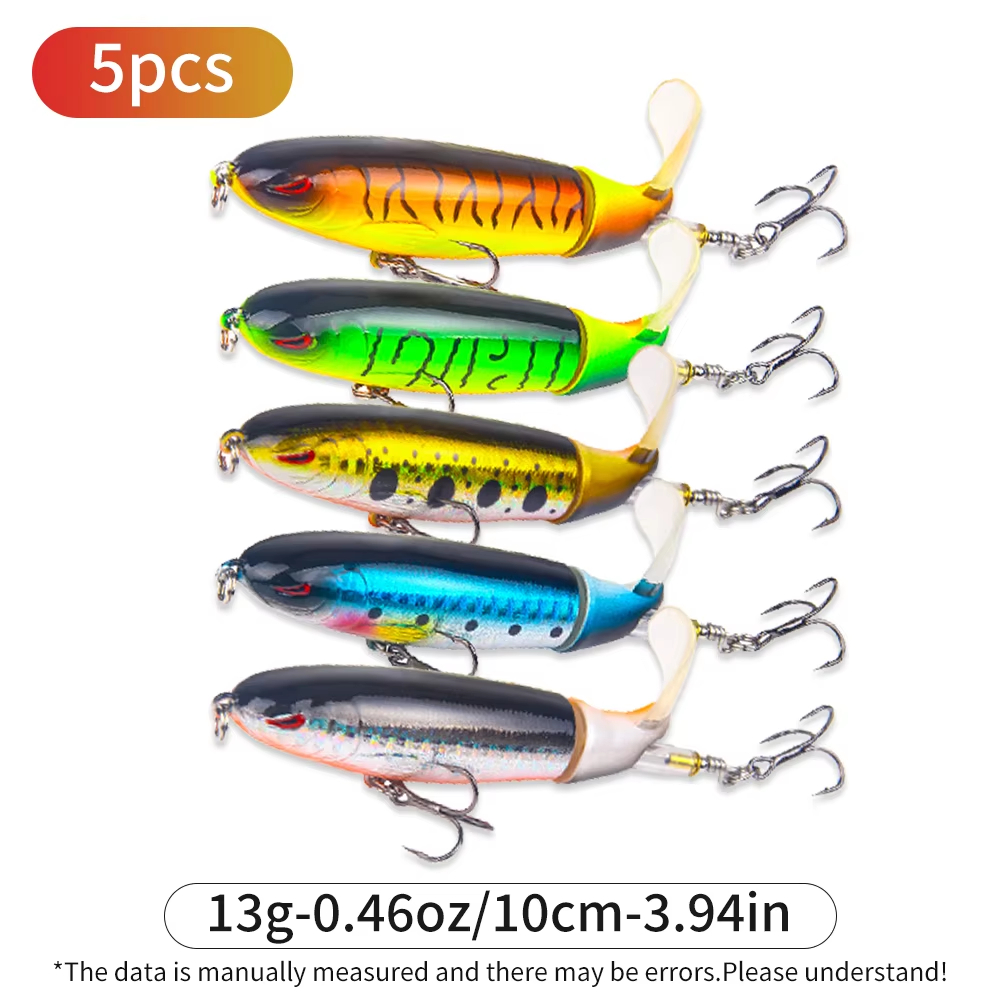 5pcs 1set 13g 10cm Top Water Pencil Fishing Lure Hard Bait With Floating Rotating Tail For Bass Trout Freshwater Saltwater$26.99View on Mallflare
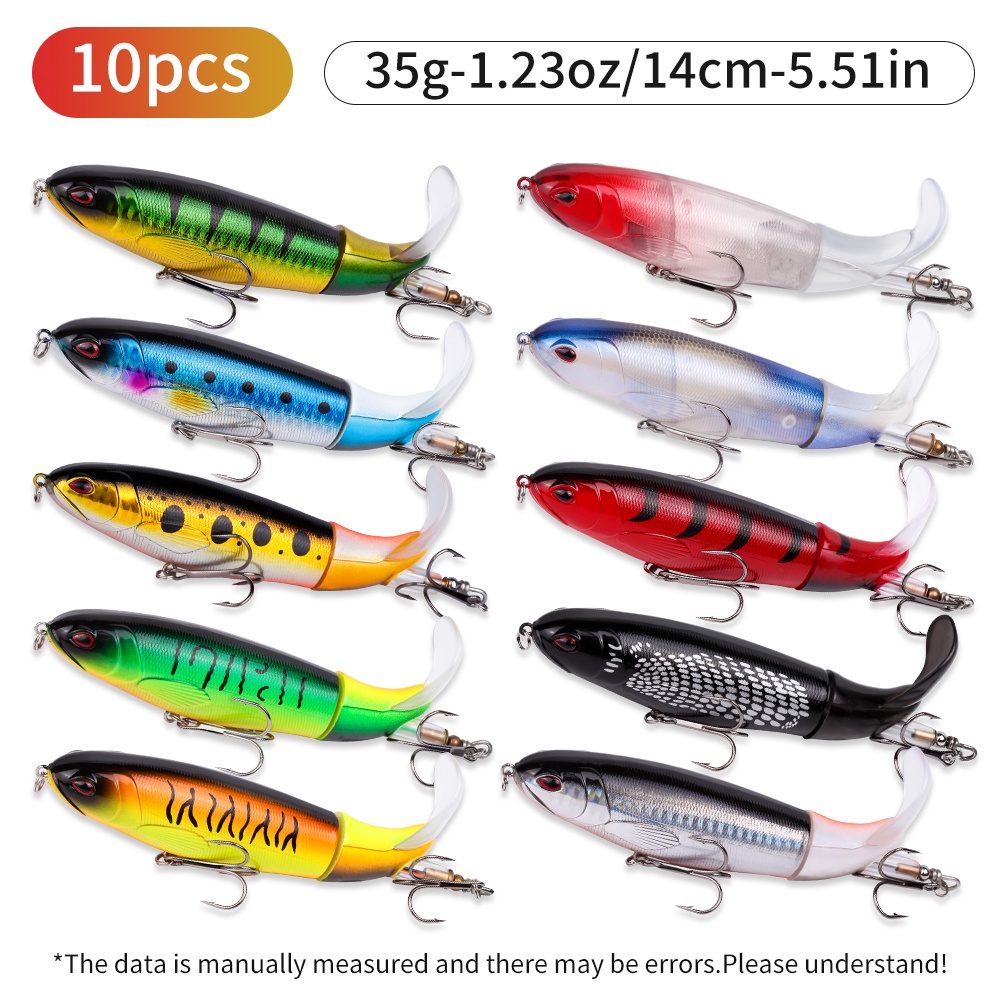 10pcs 1set 13g 10cm Premium Fishing Lure Kit Bass Trout Baits With Propeller Tail Durable Hooks Realistic Action For Freshwater$39.99View on Mallflare
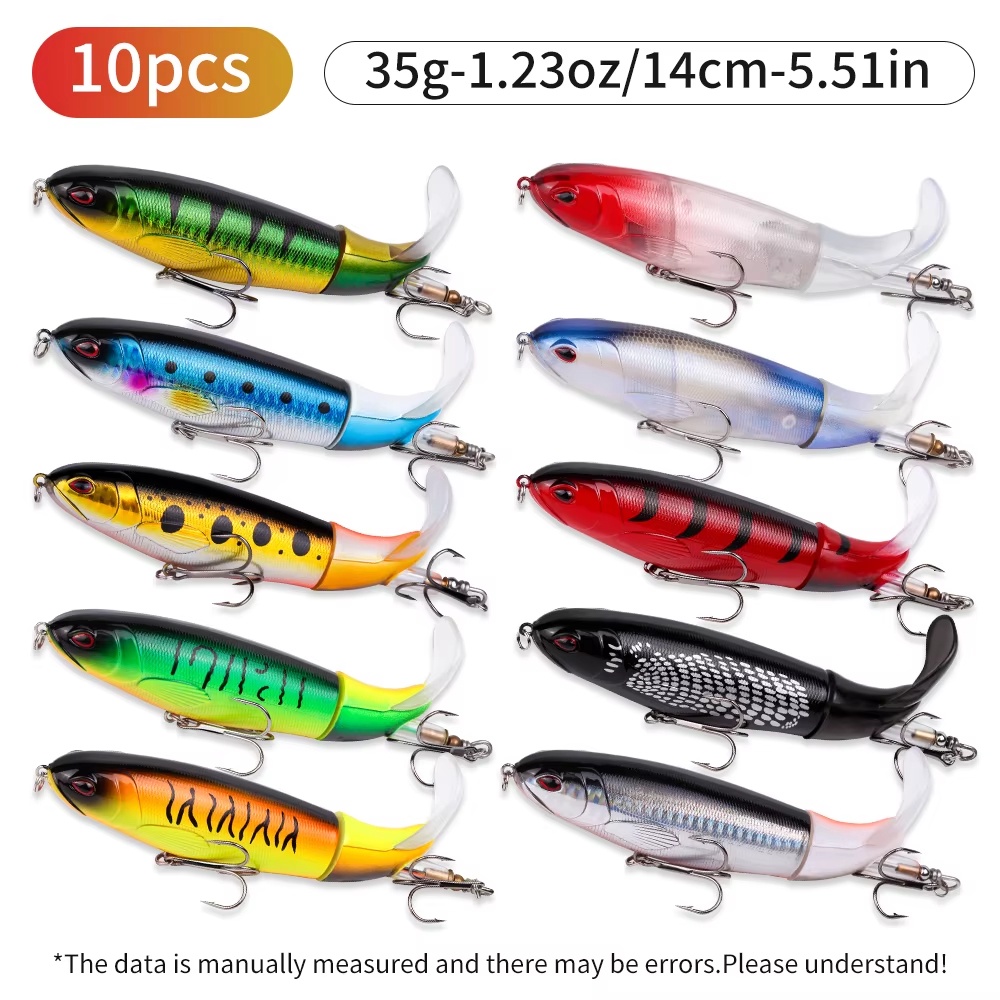 10pcs 1set 35g 14cm Topwater Fishing Lure Kit With Lifelike Swiveling Tail Vibrant Realistic Bait For Freshwater & Saltwater$45.99View on Mallflare
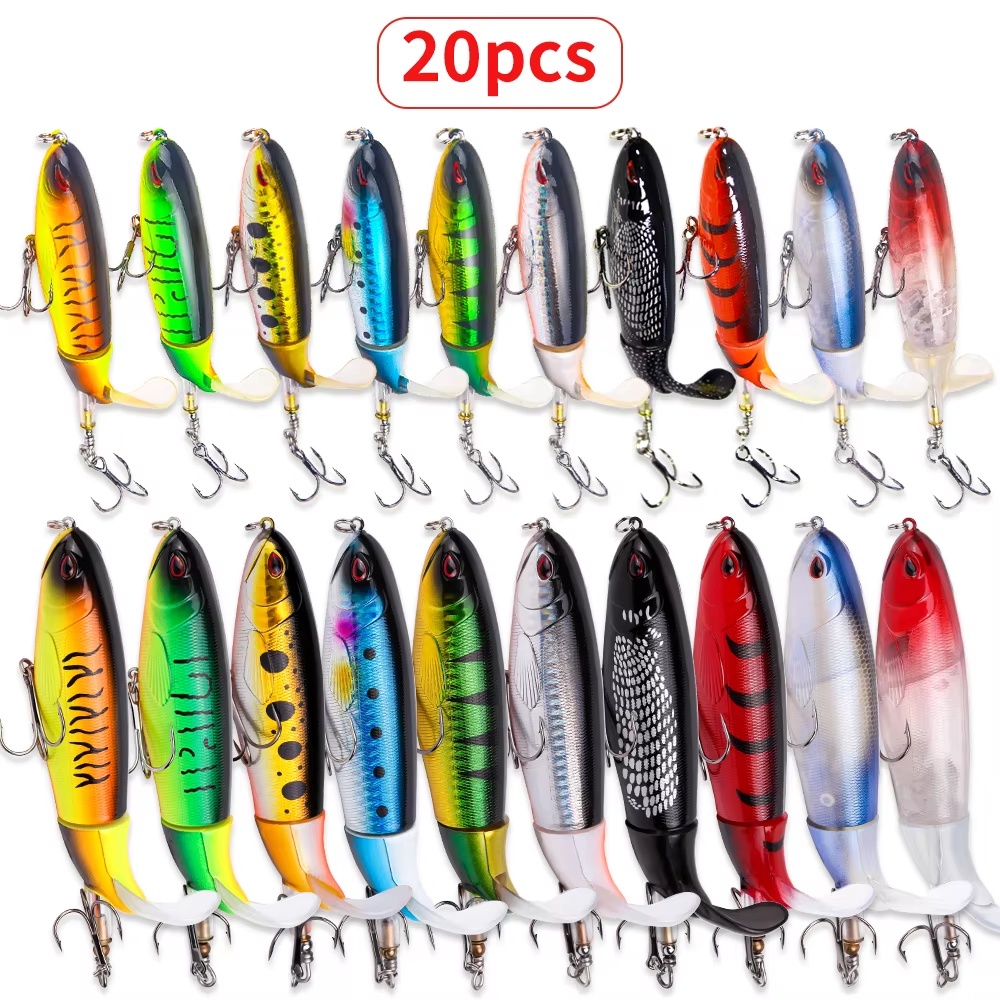 20pcs 1set 13g 35g Topwater Fishing Lures Set Of 20 Popper Bait With 3D Eyes ABS Plastic Hard Baits For Bass Pike$70.99View on Mallflare
Highlights
- Soft plastics are measured in body length and hook slot size; 3–5 in worms and swimbaits cover most freshwater bass, while 1–2 in grubs and crickets suit panfish and trout.
- Hard baits use ABS plastic bodies with through-wire or molded hangers; through-wire construction survives repeated hooksets and toothy fish better than screw-eye hangers.
- Scented dough, powder, and nest-material baits are consumables graded by attraction strength and binding; they excel in still water but wash out in current.
- Tackle kits consolidate hooks, weights, swivels, and lures in compartment boxes; kit value depends on component count and box wall thickness, not lure count alone.
Best use cases
- Best for pressured ponds and stocked trout: pick scented dough, powder, or nest material matched to the species; skip hard baits when fish are feeding by scent.
- Best for bass and pike in lakes and rivers: choose through-wire hard baits and 4–5 in soft swimbaits; skip tiny panfish kits that lack hook gap for larger predators.
- Best for beginners building a first box: a 100–400 piece kit with hooks, weights, and mixed lures covers multiple species; skip single-species specialty packs until a pattern is established.
- Best for saltwater: select metal spoons, jig heads, and corrosion-resistant terminal tackle; skip freshwater-only painted baits that rust or chip in salt.
Buying tips
- Size lures to hook gap: a 4/0–5/0 hook suits 5 in soft plastics, while 1/0–2/0 fits 3 in baits; mismatched gaps cause missed hooksets.
- Choose soft plastic grades by salt content and plastisol hardness: salty, soft plastics sink and tear faster; firm plastics last longer on Texas rigs.
- Match bait weight to depth and current: 1/8–1/4 oz for shallow flats, 3/8–1/2 oz for wind and deeper ledges; carry both to cover the water column.
- For kits, count usable terminal tackle (hooks, weights, swivels) separately from filler lures; a 400-piece kit with 50 usable hooks is a starter, not a full box.
Specs
| Bait Class | Soft plastic / hard / scented |
|---|---|
| Lure Length | 1–5 in (species-matched) |
| Hook Gap | 1/0–5/0 offset worm |
| Water Type | Freshwater / saltwater hardware |
Related searches
What to check before buying
- Confirm target species and average size so lure length and hook gap match the fish, not the box art.
- Check water type: freshwater lakes and rivers versus saltwater requires corrosion-resistant hooks and hardware.
- Measure tackle box compartments against lure lengths; 5 in swimbaits need long slots, not shallow trays.
- Verify local regulations on bait types, barbless hook requirements, and scented-bait restrictions before buying consumables.
FAQ
Data sources: eBay / Amazon listings and product attribute feeds Data updated Nov 16, 2026.
Some links on this page are affiliate links. If you buy after clicking one, we may earn a commission at no extra cost to you. This does not change which products appear here or their order. Affiliate disclosure.