Photos from current listings. Actual item, color, and included accessories may vary.
Frog Fishing Lure Buying Guide
Frog fishing lures are hollow-bodied topwater baits designed to skim weed mats and open water without snagging, with performance dictated by body softness, hook-gap clearance, and weight balance. The core trade-off is between a collapsible, high-hook-up-ratio body and a durable, buoyant frame that survives repeated bass strikes. Choose a hollow-body frog with a wide hook gap and a soft, pliable shell for mat fishing; skip rigid plastic frogs if you need reliable hooksets in heavy cover.

At a glance
- Category
- Fishing Hooks, Lures & Baits
- Data updated
- Nov 16, 2026
Current offers
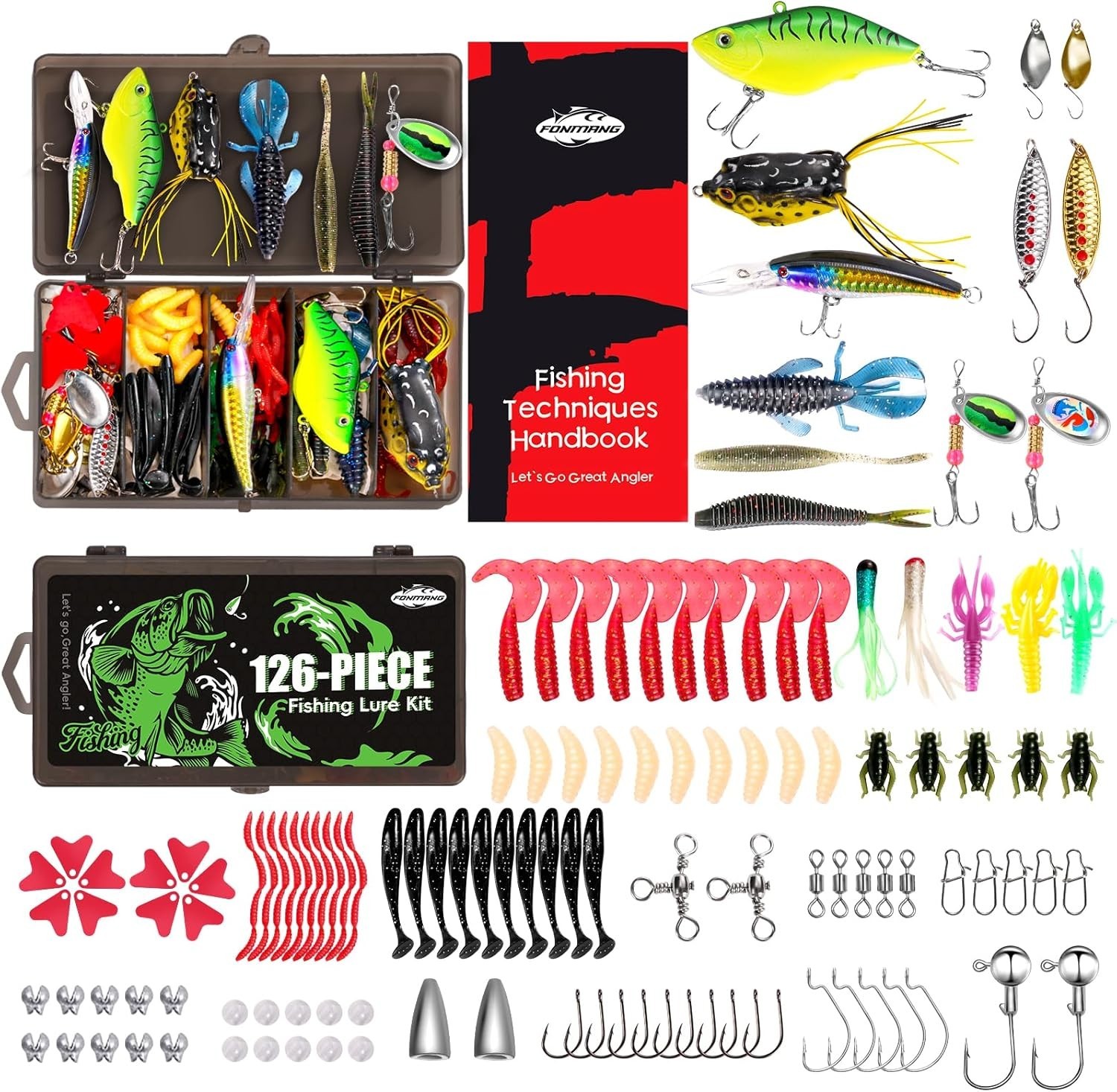 Fishing Lures - Tackle Box with Tackle Included, Fishing Kit with Vibs, Frogs, M$22.45
 View on eBay
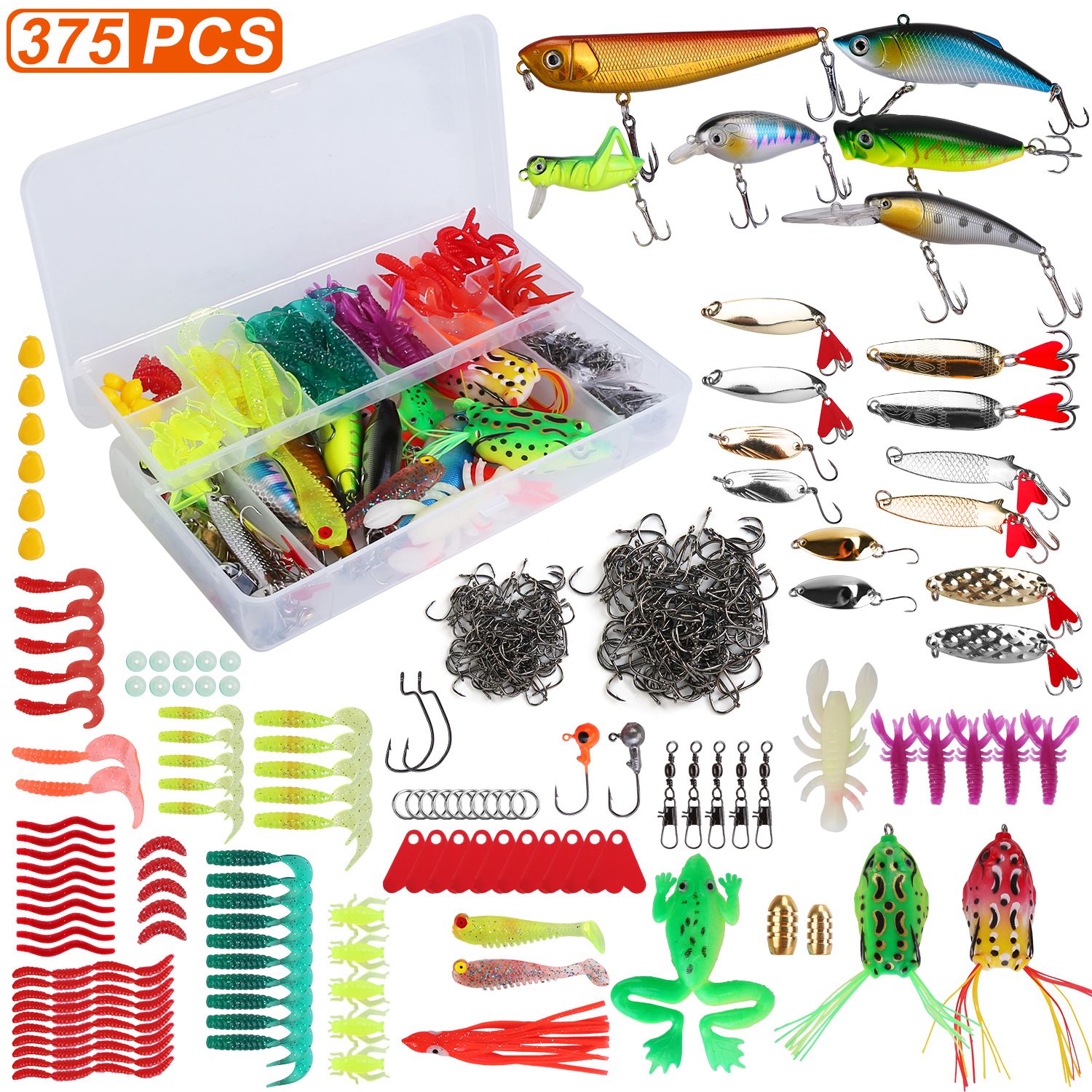 375Pcs Fishing Baits And Tackle Box Saltwater Freshwater Lures Kit Lifelike Popper Crankbaits Crickets Frogs Spoon Maggots$28.99
 View on Mallflare
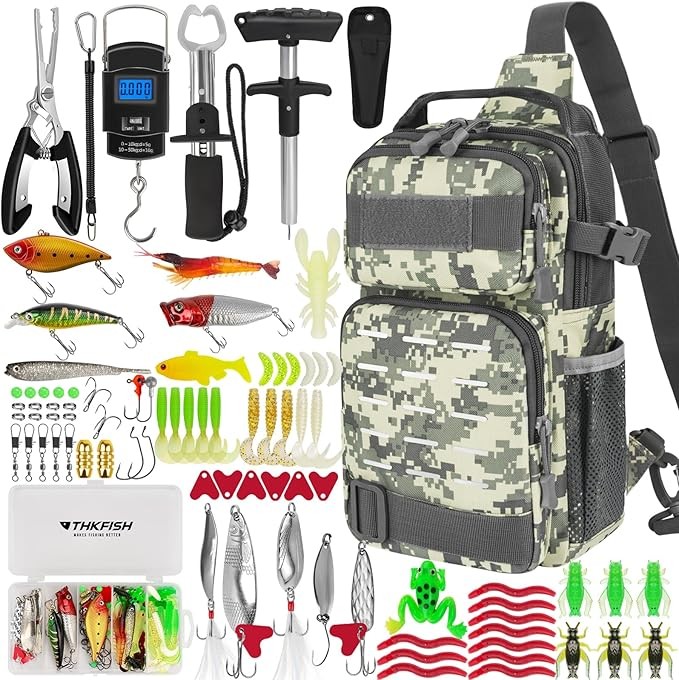 Fishing Tackle Box Kit Assorted Lures Topwater Baits Swimbaits Frog Baits Bass$39.99View on eBay
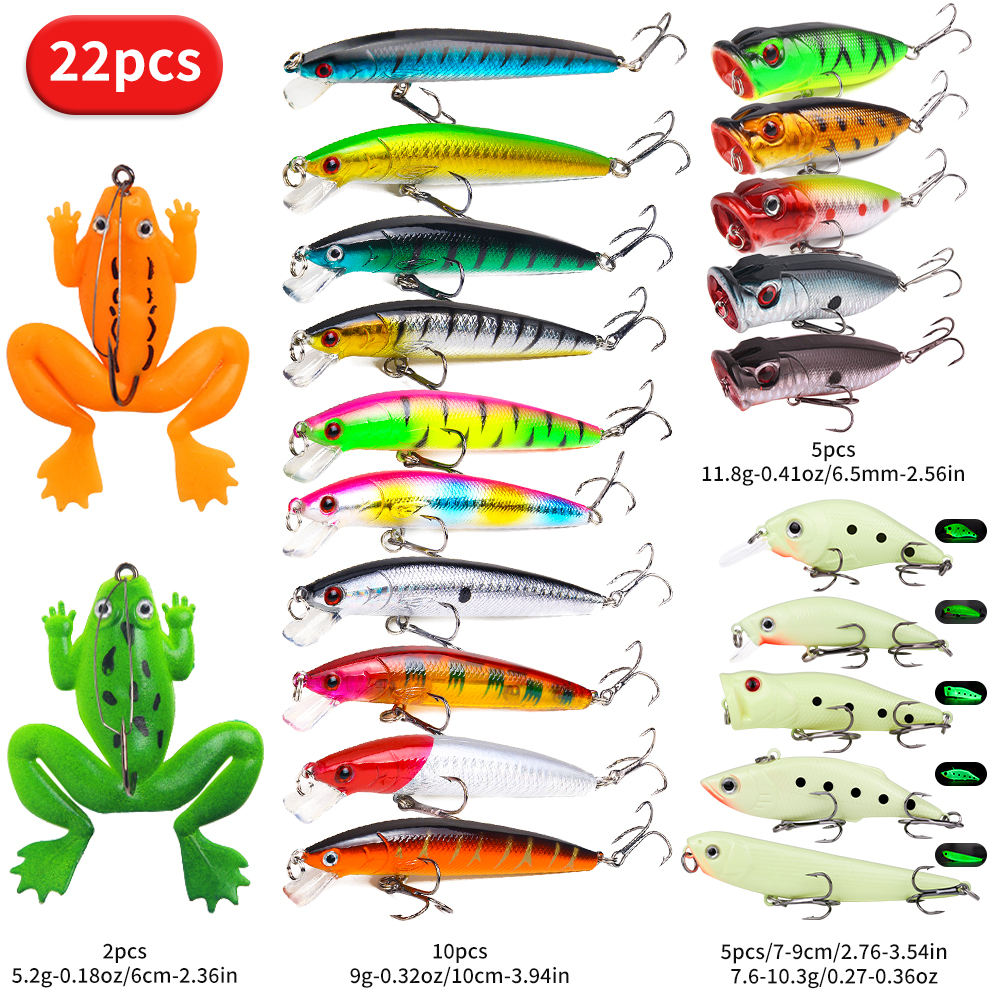 22pcs 58pcs 102pcs Fishing Lure Kits Multi-functional Set Topwater Floating Swimming Lures, Equipped With High Pitch Hook Soft Frogs, Used For Bass$70.99View on Mallflare
Highlights
- Hollow-body frogs use a soft TPE or silicone shell that collapses on the strike to expose a wide-gap double hook; rigid plastic frogs have lower hook-up ratios.
- Walking frogs feature a cupped or pointed nose and weighted tail for side-to-side action; popping frogs have a concave mouth for chugging and splashing.
- Frog weight typically ranges from 1/4 oz to 5/8 oz; heavier frogs cast farther and sit lower, while lighter frogs land softer on spooky fish.
- Premium frogs use chemically sharpened black nickel hooks and reinforced nose ties; budget frogs often use thinner wire hooks that bend on heavy fish.
Best use cases
- Best fit: hollow-body frog in 2.5–3.5 inch size for matted grass, lily pads, and duckweed—pick a soft body with a wide hook gap for reliable collapsibility.
- Best fit: popping frog for open-water edges and sparse cover where you want maximum splash and disturbance; skip it in dense mats where the cupped mouth collects vegetation.
- Wrong fit: rigging a frog on a Texas rig or jig—frogs are designed for straight braid and a direct hookset; use a soft plastic creature bait instead for bottom contact.
- Wrong fit: fishing frogs on monofilament or fluorocarbon—stretch reduces hookset power; use 30–65 lb braid for frog fishing.
Buying tips
- Match frog size to hook gap: a 2.5-inch frog needs at least a 3/0 wide-gap hook; a 3.5-inch frog needs 4/0 or larger for bass.
- Choose a frog weight that balances cast distance and landing softness: 1/4–3/8 oz for open water, 1/2–5/8 oz for punching through wind and heavy cover.
- Inspect the body seam and hook exit points: a reinforced nose and sealed hook slots prevent water intrusion and keep the frog floating correctly.
- For walking frogs, look for a weighted tail or internal rattle; for popping frogs, a deep concave mouth and forward-weighted balance produce the best chug.
Specs
| Body Type | Hollow-body soft vs rigid plastic |
|---|---|
| Action Style | Walking vs popping vs swimming |
| Weight Range | 1/4–5/8 oz |
| Hook Type | Wide-gap double hook, black nickel |
Related searches
What to check before buying
- Rod power: use a medium-heavy to heavy fast-action baitcasting rod rated for 1/4–1 oz to drive hooks through a frog body.
- Line: spool 30–65 lb braided line—no leader—for maximum hookset power and vegetation cutting.
- Hook gap clearance: ensure the frog body compresses fully so the hook points clear the shell by at least 1/8 inch when compressed.
- Environment: match frog color to cover—black/blue for low light, white/yellow for bright sun, natural green for clear water.
FAQ
Data sources: eBay / Amazon listings and product attribute feeds Data updated Nov 16, 2026.
Some links on this page are affiliate links. If you buy after clicking one, we may earn a commission at no extra cost to you. This does not change which products appear here or their order. Affiliate disclosure.