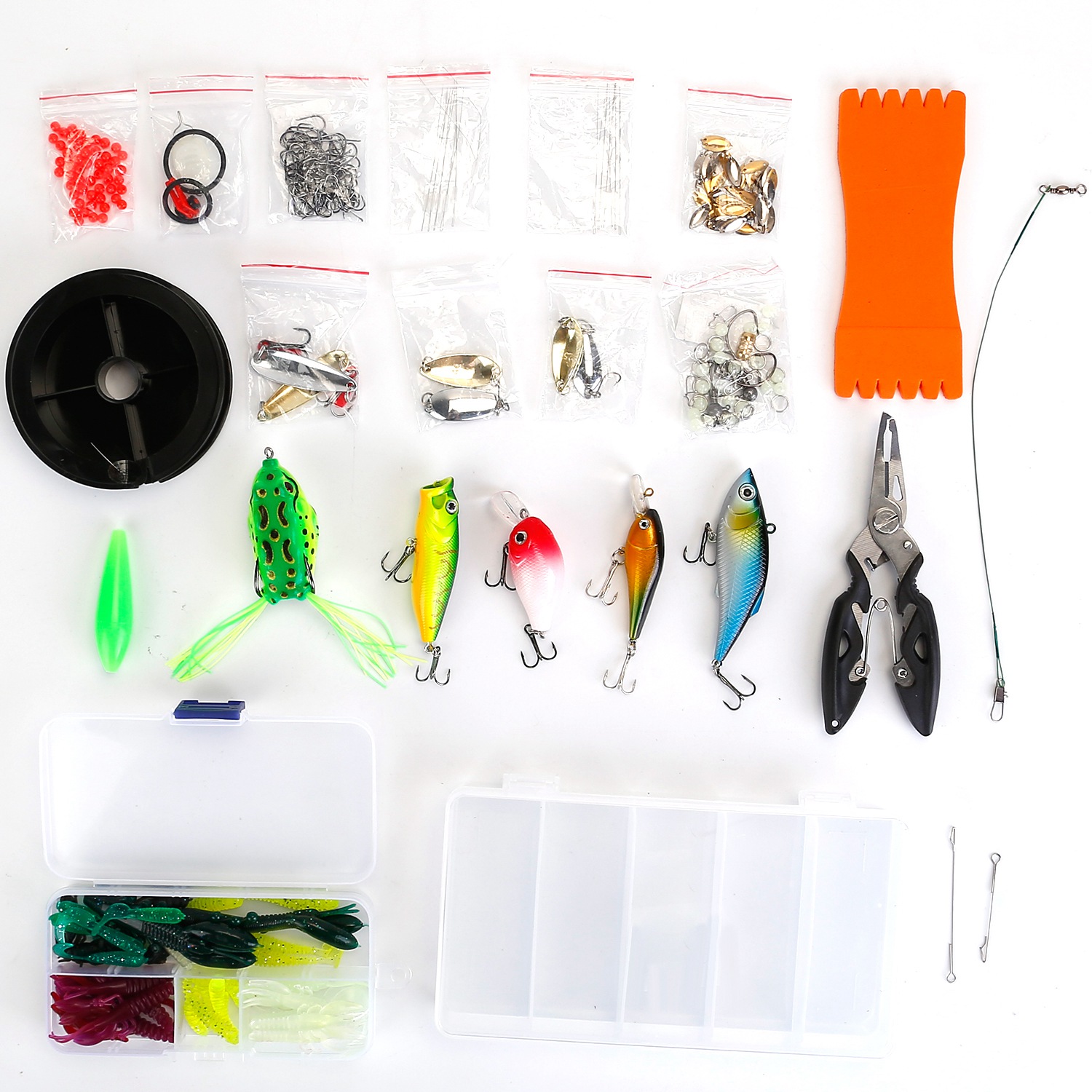

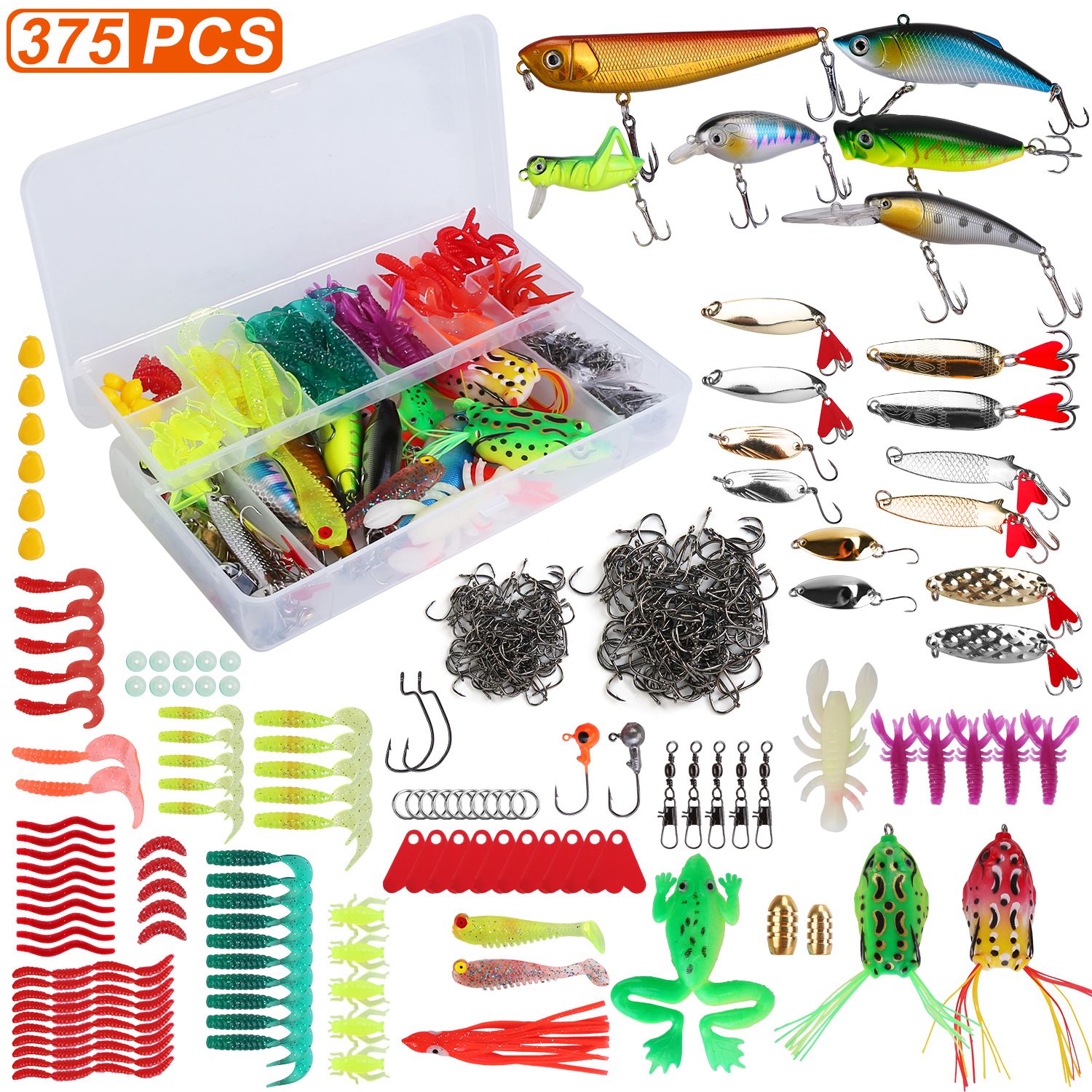
Photos from current listings. Actual item, color, and included accessories may vary.
Saltwater Fishing Tackle Buying Guide
Saltwater fishing tackle is the corrosion-resistant terminal and presentation gear — hooks, lures, jigs, spoons, and rigging components — engineered to survive salt, sand, and higher-drag species. The core trade-off is between plated carbon-steel hardware that rusts after a few outings and true saltwater-grade components: stainless or black-nickel hooks, through-wire or solid-ring lure construction, and sealed/anti-corrosion finishes. The decision rule: buy tackle rated for saltwater use (stainless/black-nickel hooks, through-wire lures, brass or stainless split rings) or you are buying disposable freshwater gear.


At a glance
- Category
- Fishing Hooks, Lures & Baits
- Data updated
- Nov 17, 2026
Current offers
Highlights
- Hook metallurgy separates tiers: carbon steel with tin/nickel plating is freshwater-grade, while 304/316 stainless or black-nickel over high-carbon steel resists saltwater pitting and holds point geometry.
- Lure construction matters more than paint: through-wire (wire runs full length of the lure body) and molded solid-ring hangers survive big fish; screw-eye or glued hangers pull out under load.
- Terminal hardware must match: brass or stainless split rings and swivels in the 30-80 lb test range prevent galvanic corrosion and line failure at the connection.
- Kit composition reveals intent: saltwater kits favor poppers, spoons, jig heads, and heavier wire; freshwater kits lean crankbaits and finesse plastics — check hook gauge and lure weight rather than piece count.
Best use cases
- Best fit: inshore anglers chasing speckled trout, redfish, or snook in brackish/coastal water — pick stainless or black-nickel hooks, 1/8-1/2 oz jig heads, and through-wire poppers/spoons.
- Best fit: surf and pier anglers — choose heavier spoons, 2-4 oz sinkers, and 2/0-5/0 stainless circle hooks; skip lightweight freshwater crankbaits that cast poorly in wind.
- Wrong fit: freshwater-only pond fishing — saltwater-grade tackle is overbuilt and heavier; a standard freshwater kit with fine-wire hooks and light crankbaits performs better.
- Wrong fit: offshore/tuna-grade fishing — mass-market 300+ piece kits use light wire and small split rings; step up to dedicated heavy-duty jigs, 5/0+ hooks, and 100 lb+ terminal tackle.
Buying tips
- Match hook size to target: 1/0-2/0 for inshore trout/redfish, 3/0-5/0 for surf species, and circle hooks for catch-and-release to reduce gut-hooking.
- Choose lure weight for your rod: 1/8-1/2 oz for light inshore spinning, 1/2-2 oz for medium surf rods; overloading a rod's cast rating risks breakage.
- Demand through-wire or solid-ring construction on any lure expected to fight fish over 5 lb — screw-eye hangers fail first.
- Prefer stainless or black-nickel hooks and brass/stainless split rings; rinse all tackle in freshwater after each saltwater trip to extend life regardless of grade.
Specs
| Hook Material | Stainless / black-nickel vs plated carbon |
|---|---|
| Lure Construction | Through-wire vs screw-eye hangers |
| Terminal Hardware | Brass/stainless rings, 30-80 lb test |
| Target Line Class | Inshore 6-15 lb / Surf 15-30 lb |
Related searches
What to check before buying
- Confirm your rod's line and lure weight ratings — inshore spinning typically 6-15 lb line and 1/8-3/4 oz lures; surf rods 15-30 lb and 1-4 oz.
- Check hook gauge and material listed (stainless, black-nickel, or plated carbon) — plated carbon is freshwater-only for practical lifespan.
- Verify terminal tackle compatibility: split ring test rating should exceed your line test, and swivel size should match leader diameter.
- Plan storage and rinse routine: a ventilated tackle box and freshwater rinse after every trip prevent salt creep and hook corrosion.
FAQ
Data sources: eBay / Amazon listings and product attribute feeds Data updated Nov 17, 2026.
Some links on this page are affiliate links. If you buy after clicking one, we may earn a commission at no extra cost to you. This does not change which products appear here or their order. Affiliate disclosure.