Photos from current listings. Actual item, color, and included accessories may vary.
Saltwater Lure Buying Guide
Saltwater lures are artificial baits engineered to survive high-salinity corrosion, heavy strike loads, and long casts into wind and surf. The core trade-off is material and hardware grade: plated or painted mild steel and zinc-alloy components rust and fail quickly, while stainless steel hooks, through-wired construction, and salt-rated finishes deliver repeatable performance season after season. The decision rule is simple: buy lures with stainless or saltwater-grade hooks and through-body wire or solid connection points, and skip kits built on untempered plated hooks and glued-in hangers.


At a glance
- Category
- Fishing Hooks, Lures & Baits
- Data updated
- Nov 16, 2026
Current offers
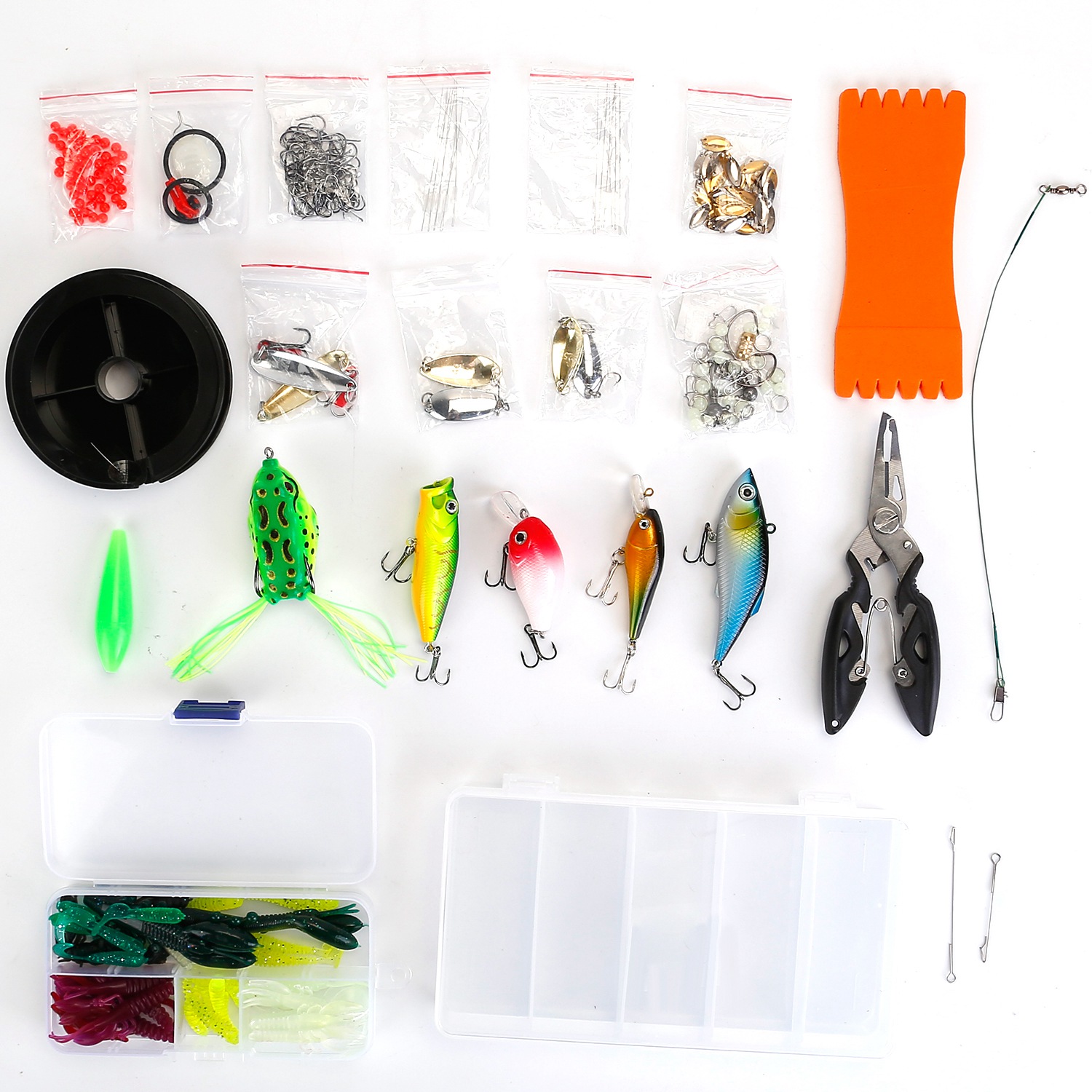 383Pcs Fishing Lures Tackle Box Bass Animated Lure Crankbaits Spinnerbaits Soft Plastic Worm Saltwater Freshwater Kit$26.99
 View on Mallflare
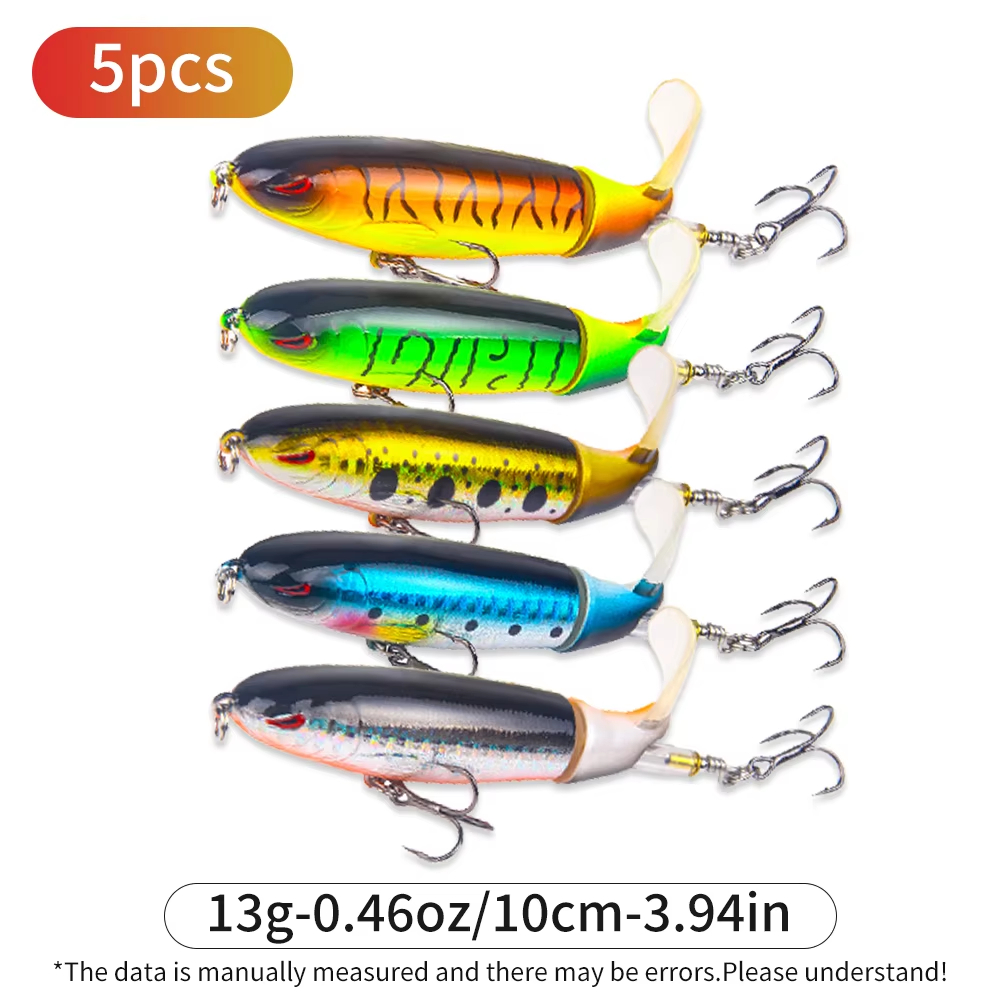 5pcs 1set 13g 10cm Top Water Pencil Fishing Lure Hard Bait With Floating Rotating Tail For Bass Trout Freshwater Saltwater$26.99View on Mallflare
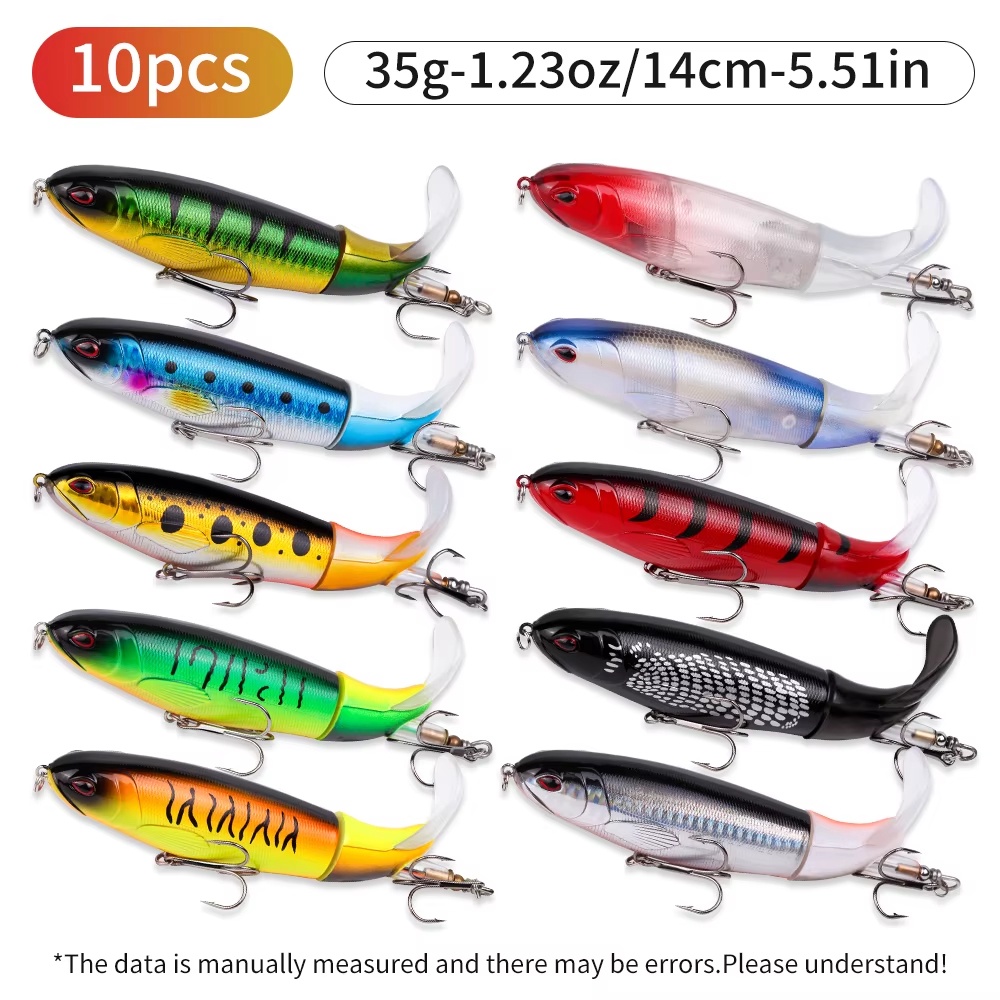 10pcs 1set 35g 14cm Topwater Fishing Lure Kit With Lifelike Swiveling Tail Vibrant Realistic Bait For Freshwater & Saltwater$45.99View on Mallflare
Highlights
- Stainless steel hooks (often 2X-4X strong) and split rings are the single biggest durability factor; plated carbon-steel hooks corrode within a few outings in saltwater.
- Through-wired hard baits with molded or welded line ties survive big fish and snags; screw-eye or glued hangers pull out under load in the surf.
- Topwater walkers and poppers in the 10-14 cm, 13-35 g class cast well on 7-8 ft medium-heavy rods with 20-30 lb braid, covering both calm bays and choppy inlets.
- Soft plastics need saltwater-rated jigheads with stainless or heavy-gauge hooks; kits mixing freshwater-tuned wire with saltwater use bend out on keeper fish.
Best use cases
- Surf and jetty fishing: pick 35-60 g through-wired metals, poppers, and swimbaits with stainless 4X hooks and 80-100 lb split rings; skip light freshwater cranks that tumble in wind.
- Bay and inshore flats: choose 10-20 g topwater walkers and 1/8-3/8 oz jigheads with soft plastics in natural baitfish patterns; skip oversized 35 g+ lures that spook shallow fish.
- Boat and pier generalists: a mixed kit of 13-35 g hard baits, spoons, and soft plastics with stainless hardware covers mackerel, bluefish, and striped bass; skip pure freshwater kits with plated hooks.
- Freshwater-only anglers: standard bass crankbaits and spinnerbaits with carbon-steel hooks are fine and cheaper; do not pay a saltwater premium for waters without salinity.
Buying tips
- Match lure weight to rod rating: a 13-35 g lure needs a rod rated roughly 10-40 g; overloading a light rod costs distance and risks breakage.
- Choose hook wire by target: 2X strong for schoolie bass and Spanish mackerel, 4X strong for stripers, bluefish, and trevally where bend-out is common.
- Prefer through-wire or molded line ties over screw eyes on any hard bait fished around rocks, reefs, or structure.
- For soft plastics, buy jigheads separately in 1/8, 1/4, and 3/8 oz with stainless hooks; kit-supplied jigheads are usually the weakest link.
Specs
| Hook Material | Stainless vs plated carbon steel |
|---|---|
| Hook Strength | 2X-4X strong saltwater wire |
| Lure Weight Class | 10-20 g / 13-35 g / 35-60 g |
| Body Construction | Through-wired vs screw-eye |
Related searches
What to check before buying
- Confirm rod lure-weight rating covers your chosen lure weights (e.g., 10-40 g rod for 13-35 g lures).
- Verify hooks and split rings are labeled stainless or saltwater-grade before purchase.
- Check line class: 20-30 lb braid suits 13-35 g lures; heavier 50-65 lb braid is needed for 60 g+ surf lures.
- Rinse all lures in fresh water after each saltwater session and dry hooks to prevent corrosion at the hook eye and split ring.
FAQ
Data sources: eBay / Amazon listings and product attribute feeds Data updated Nov 16, 2026.
Some links on this page are affiliate links. If you buy after clicking one, we may earn a commission at no extra cost to you. This does not change which products appear here or their order. Affiliate disclosure.