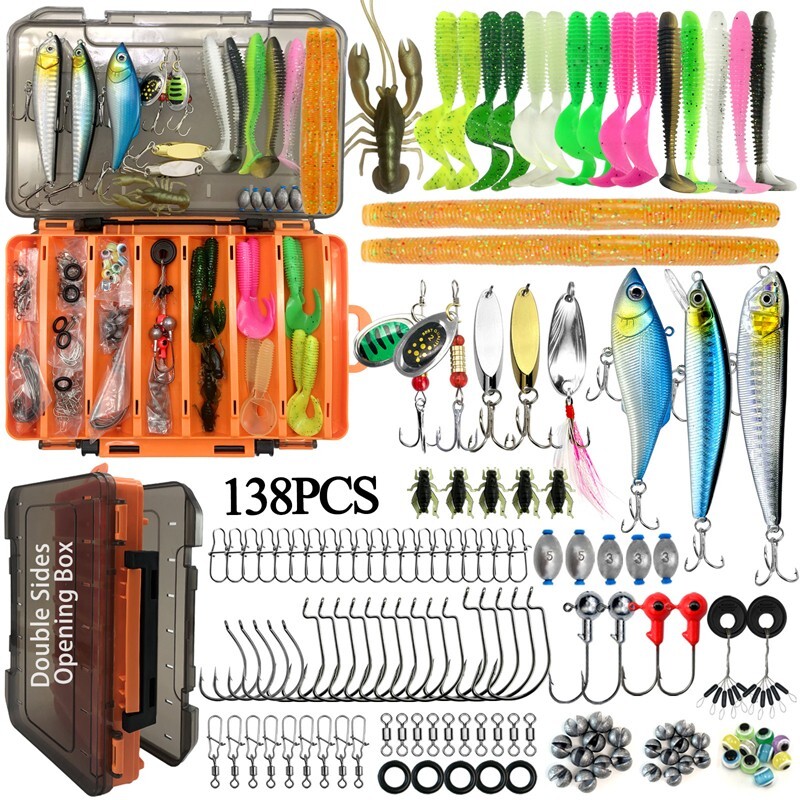

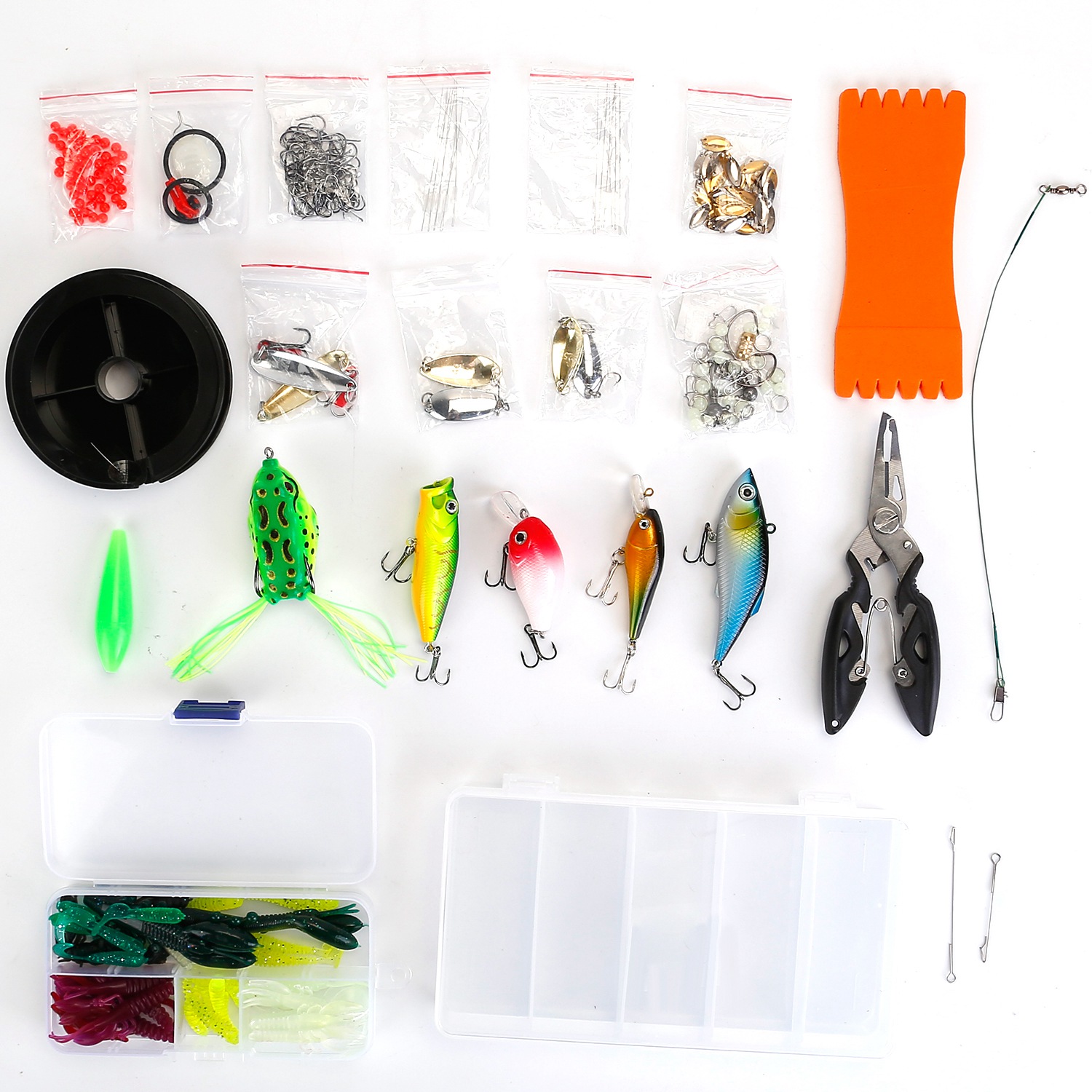
Photos from current listings. Actual item, color, and included accessories may vary.
Soft Plastic Mold Buying Guide
Soft plastic molds are heat-resistant cavities used to cast custom worms, swimbaits, and creature baits from plastisol. The core trade-off is mold material and cavity precision: machined aluminum or CNC billet molds deliver crisp details and fast cycle times, while cheap silicone or 3D-printed molds yield few usable baits before degrading. Buy a metal mold sized to your injection pot and plastisol volume; skip any mold that lacks a stated aluminum grade or cavity count.


At a glance
- Category
- Fishing Hooks, Lures & Baits
- Data updated
- Nov 16, 2026
Current offers
Highlights
- Aluminum molds machined from 6061 billet withstand repeated 350°F plastisol pours and hold sharp edges; silicone molds tear after 20–30 casts.
- Two-piece CNC molds with alignment pins and clamping grooves produce consistent bait thickness and reduce flash compared to single-cavity open-pour trays.
- Cavity count (1, 4, 6, or 10+) determines output per pour: 4–6 cavity molds balance shoot time and plastisol use for hobby makers.
- Injection-style molds require a matching injector tip and vented sprue; open-pour molds work with a simple pyrex cup and no extra tooling.
Best use cases
- Best fit: buy a 4–6 cavity 6061 aluminum injection mold if you pour 1–5 lb of plastisol per session and want repeatable bait shapes with minimal trimming.
- Wrong fit: avoid silicone or 3D-printed molds for production runs—they warp above 300°F and lose detail after a few dozen pours, wasting plastisol and time.
- Best fit: choose an open-pour single or two-cavity mold for testing new colors and small batches under 1 lb; skip multi-cavity injection molds that demand a dedicated injector and pot.
- Wrong fit: do not buy a mold sized for 5-inch baits if your target fish are panfish or trout—match cavity length to hook gap and local forage size.
Buying tips
- Match mold cavity length to your hook: a 5-inch worm needs a 3/0–4/0 offset hook; a 3-inch swimbait pairs with a 1/0–2/0 hook for proper weedless rigging.
- Confirm mold material and grade: 6061-T6 aluminum is the durable standard; unmarked 'metal' molds may be low-grade zinc or pot metal that pits and warps.
- For injection molds, check that the sprue and vent channels are pre-cut and that the injector tip diameter (typically 1/4 or 5/16 inch) matches your injector.
- Count cavities against your plastisol batch: one 6-cavity 5-inch worm mold uses roughly 2–3 oz of plastisol per pour; a 10-cavity mold doubles that and may exceed small pots.
Specs
| Mold Material | 6061 aluminum vs silicone vs 3D-printed |
|---|---|
| Cavity Count | 1 / 2 / 4 / 6 / 10+ cavities |
| Mold Style | Injection vs open-pour two-piece |
| Bait Size Range | 2–8 in (match hook gap) |
Related searches
What to check before buying
- Measure your work surface and heat source: aluminum molds need a flat, heat-resistant table and a microwave or hot plate rated for 350°F plastisol.
- Verify your injector or pour cup fits the mold's sprue opening—injection molds require a matching tip, open-pour molds need a cup with a controlled spout.
- Check hook and weight compatibility: cavity depth must accept the hook shank and any insert (rattle, weight) without bulging the bait.
- Confirm you have mold release or plastisol stabilizer on hand; bare aluminum molds may need light oiling to prevent sticking on first casts.
FAQ
Data sources: eBay / Amazon listings and product attribute feeds Data updated Nov 16, 2026.
Some links on this page are affiliate links. If you buy after clicking one, we may earn a commission at no extra cost to you. This does not change which products appear here or their order. Affiliate disclosure.