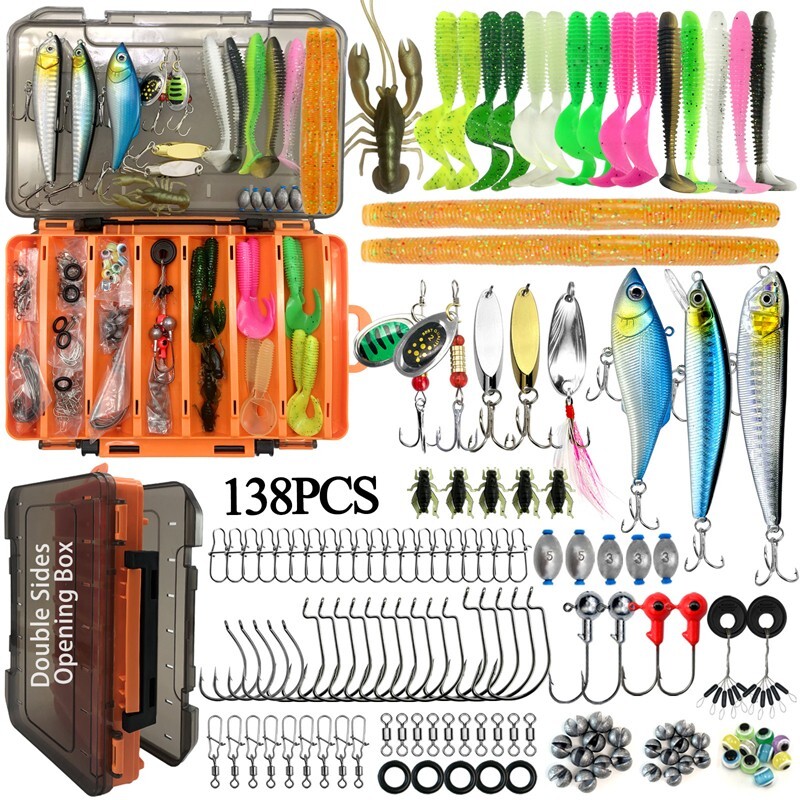

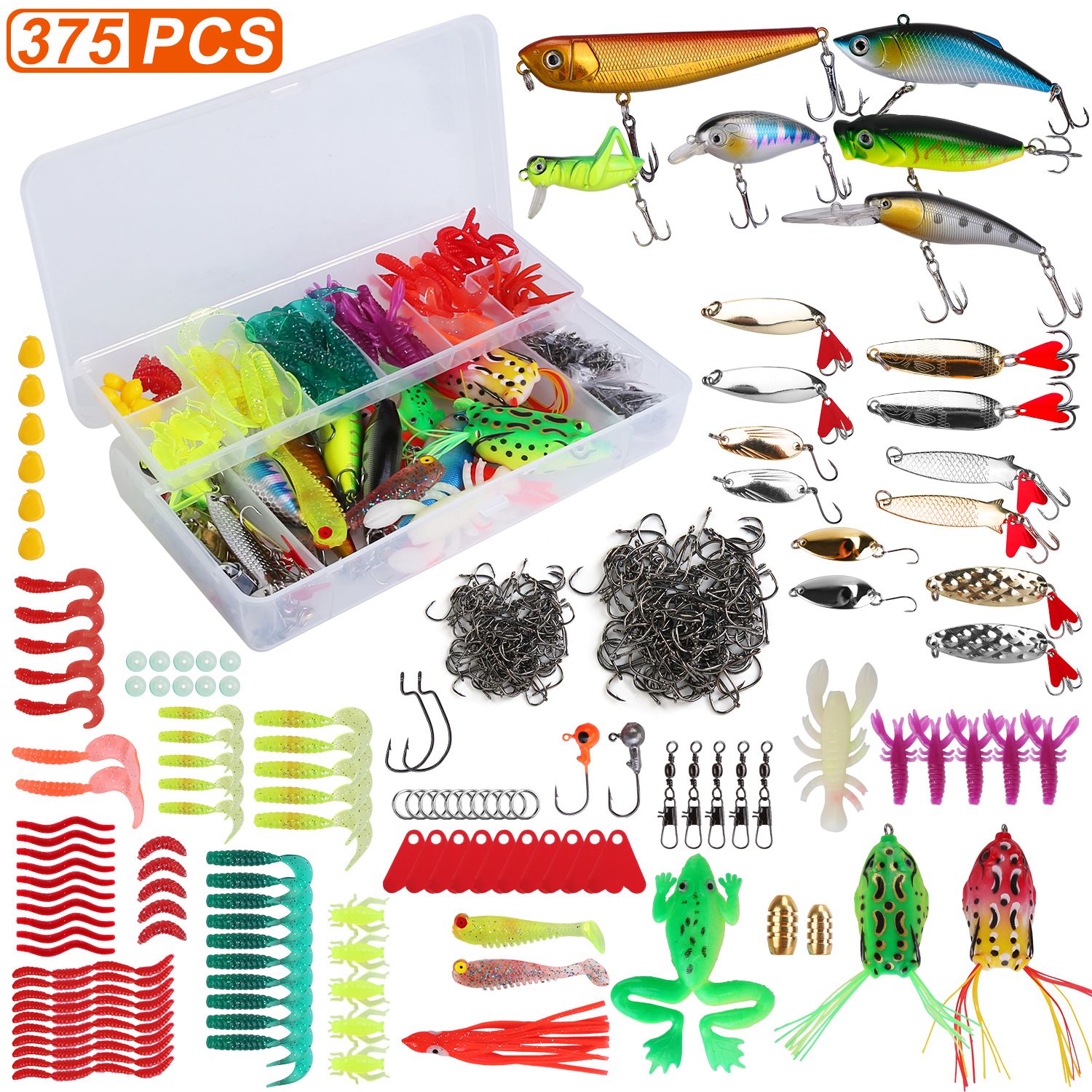
Photos from current listings. Actual item, color, and included accessories may vary.
Spoon Fishing Lure Buying Guide
Spoon fishing lures are curved metal or plastic blades that wobble and flash to trigger predatory strikes across freshwater and saltwater. The core trade-off is material and finish: stamped brass or steel delivers consistent action and corrosion resistance, while plastic and thin plated blanks are cheaper but deform, lose paint, and rust quickly. Choose brass or stainless steel with through-wire or welded hardware for durability; treat plastic and kit-grade spoons as light-duty or backup only.


At a glance
- Category
- Fishing Hooks, Lures & Baits
- Data updated
- Nov 16, 2026
Current offers
Highlights
- Brass and stainless steel bodies resist bending and hold their wobble at speed; plastic and thin plated spoons deform and lose action after repeated strikes.
- Through-wire construction or welded split rings distribute load across the lure; screw-eye or glued hardware pulls out under load from big fish.
- Saltwater spoons need stainless hooks, split rings, and corrosion-resistant finishes; freshwater spoons often ship with carbon-steel hooks that rust.
- Spoon weight controls depth and casting distance: lighter spoons run shallow, heavier spoons sink faster and cast farther in wind.
Best use cases
- Best fit: bank and boat anglers casting for bass, pike, trout, or salmon — pick brass or steel spoons with through-wire construction and quality treble or single hooks.
- Best fit: saltwater surf and inshore casting — choose stainless steel spoons with saltwater-grade hooks and split rings; skip freshwater kit spoons with carbon-steel hardware.
- Wrong fit: trolling deep or fast current with lightweight plastic spoons — they flutter instead of tracking; use heavier metal spoons or add a keel weight.
- Wrong fit: buyers wanting a complete starter kit — spoon-only packs beat mixed 300+ piece kits where spoon quality is lowest and hardware rusts.
Buying tips
- Match spoon weight to depth: 1/8–1/4 oz for shallow cover, 3/8–3/4 oz for mid-depth, 1 oz+ for deep water or heavy wind.
- Choose brass, stainless steel, or thick stamped blanks over thin plated or plastic bodies; thicker metal keeps the wobble at slow and fast retrieve speeds.
- Check hook and ring material: stainless steel or saltwater-grade hooks and split rings for salt; carbon-steel trebles are freshwater-only and rust fast.
- Prefer through-wire or welded hardware over screw eyes; glued or screw-eye hardware pulls out under load from large fish.
Specs
| Body Material | Brass / stainless steel vs plastic |
|---|---|
| Hardware Build | Through-wire / welded vs screw-eye |
| Hook & Ring Grade | Stainless saltwater vs carbon steel |
| Weight Range | 1/8–1 oz (depth and cast control) |
Related searches
What to check before buying
- Confirm rod lure-weight rating covers your spoon weight range — casting a 1 oz spoon on a light rod risks line breakage and poor distance.
- Match hook size and split-ring strength to target species; replace stock hooks on cheap spoons before fishing for toothy or heavy fish.
- For saltwater, verify stainless hooks and rings and rinse spoons in fresh water after each trip to prevent corrosion.
- Check spoon length versus local regulations and hook limits; single-hook conversions are common where trebles are restricted.
FAQ
Data sources: eBay / Amazon listings and product attribute feeds Data updated Nov 16, 2026.
Some links on this page are affiliate links. If you buy after clicking one, we may earn a commission at no extra cost to you. This does not change which products appear here or their order. Affiliate disclosure.