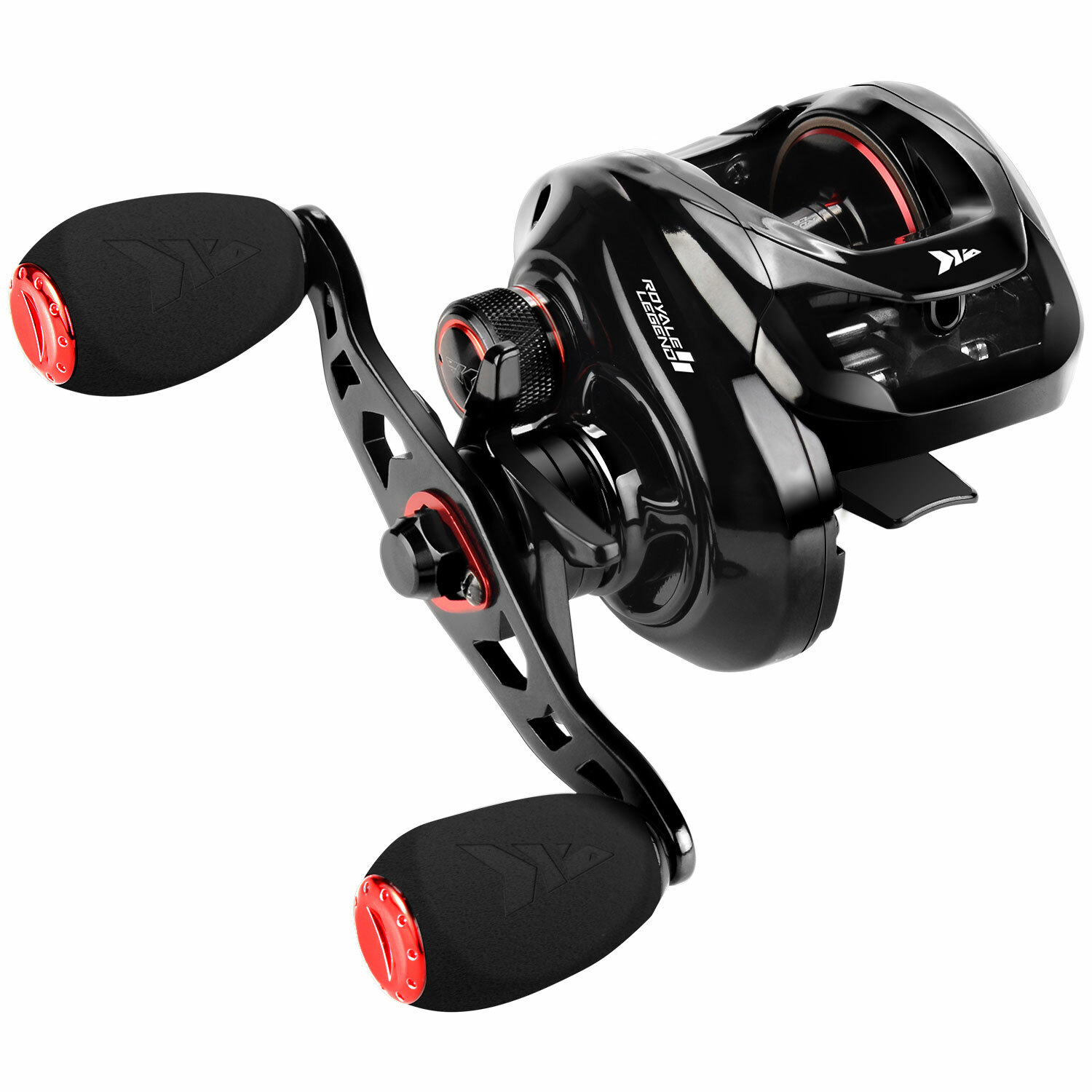

Photos from current listings. Actual item, color, and included accessories may vary.
Baitcaster Buying Guide
A baitcaster is a low-profile or round casting reel with a rotating spool controlled by magnetic and/or centrifugal brakes, purchased for accuracy and thumb-controlled casting rather than pure distance. The core trade-off is spool braking sophistication and drag-system quality against frame material and bearing count—entry reels use magnetic-only braking and composite frames, while durable reels use dual braking and machined aluminum bodies. The decision rule: buy a reel with at least dual-brake adjustment and a metal frame if you cast daily; choose magnetic-only composite reels only for occasional freshwater use.


At a glance
- Category
- Fishing Reels
- Data updated
- Nov 16, 2026
Current offers
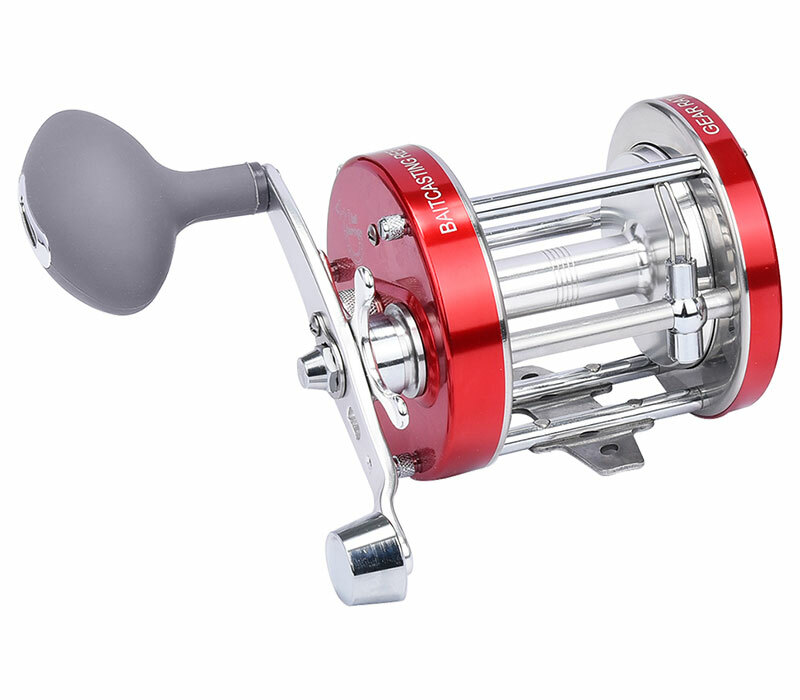
Highlights
- Braking architecture: dual magnetic + centrifugal systems resist backlash across the full cast arc; magnetic-only reels demand more thumb control and are less forgiving in wind.
- Frame and side-plate material: one-piece machined aluminum resists spool flex under heavy drag and saltwater corrosion; graphite/composite frames flex and are freshwater-only.
- Drag stack: carbon-fiber washer sets deliver smooth, consistent pressure at 10–15 lb; felt or fiber washers glaze and lose max drag after repeated runs.
- Gear ratio tiers: 6.2:1–7.1:1 for cranking and general casting, 7.5:1–8.1:1 for fast worm/jig retrieval, and round low-ratio reels for trolling and big swimbaits.
Best use cases
- Freshwater bass and general casting: pick a low-profile reel with dual braking, 6.4:1–7.3:1 ratio, and 10–12 lb carbon drag; skip round reels and high-ratio burners.
- Saltwater inshore and surf: choose a sealed, machined-aluminum low-profile or round reel rated for saltwater with stainless bearings; skip graphite-frame reels entirely.
- Trolling and big baits: use a round conventional-style baitcaster with 4.0:1–5.3:1 ratio, 20 lb+ drag, and line capacity of 200+ yards of 30 lb braid; skip low-profile bass reels.
- Occasional weekend casting: a magnetic-only composite low-profile reel at 6.6:1–7.1:1 is adequate; skip it if you fish weekly in wind or heavy cover.
Buying tips
- Match spool capacity to line: a low-profile reel holding 110–150 yards of 12 lb mono covers most bass fishing; inshore needs 150–200 yards of 20–30 lb braid.
- Count brake systems, not bearings: dual magnetic + centrifugal braking outperforms a 10-bearing magnetic-only reel for backlash control and casting ease.
- Check drag washer material: carbon-fiber stacks (often 3–5 washers) maintain 10–20 lb smooth drag; felt washers degrade and should be avoided for anything beyond light freshwater.
- Pick gear ratio by technique: 6.2:1–7.1:1 for cranks and general use, 7.5:1–8.1:1 for jigs and worms, 4.0:1–5.3:1 for trolling and large swimbaits.
Specs
| Braking System | Dual magnetic+centrifugal / Magnetic-only |
|---|---|
| Frame Material | Machined aluminum / Graphite composite |
| Drag Washers | Carbon fiber (10–20 lb) / Felt or fiber |
| Gear Ratio | 6.2:1–7.1:1 general; 7.5:1–8.1:1 fast |
Related searches
What to check before buying
- Rod compatibility: match reel foot size and line class to your rod’s lure rating; low-profile reels pair with 6'6"–7'6" casting rods, round reels with 7'+ heavy rods.
- Line type: braid requires a reel with a shielded/braid-ready spool or backing; mono and fluorocarbon are more forgiving on entry-level spools.
- Environment: saltwater use demands sealed bearings, stainless hardware, and an aluminum frame; freshwater allows graphite frames and open bearings.
- Hand retrieve and drag access: confirm right- or left-hand retrieve and that the star drag and cast control are reachable without repositioning your grip.
FAQ
Data sources: eBay / Amazon listings and product attribute feeds Data updated Nov 16, 2026.
Some links on this page are affiliate links. If you buy after clicking one, we may earn a commission at no extra cost to you. This does not change which products appear here or their order. Affiliate disclosure.