Photos from current listings. Actual item, color, and included accessories may vary.
Freshwater Spinning Reel Buying Guide
Freshwater spinning reels are open-face reels defined by spool oscillation, drag stack quality, and body rigidity; the core trade-off is machined aluminum vs graphite/composite construction for weight versus durability. A reel worth buying for freshwater has a sealed or shielded drag, a metal main gear (not zinc die-cast under heavy load), and a spool capacity matched to line class—budget plastic-body reels with unsealed drags fail within a season of regular use.

At a glance
- Category
- Fishing Reels
- Data updated
- Nov 16, 2026
Current offers
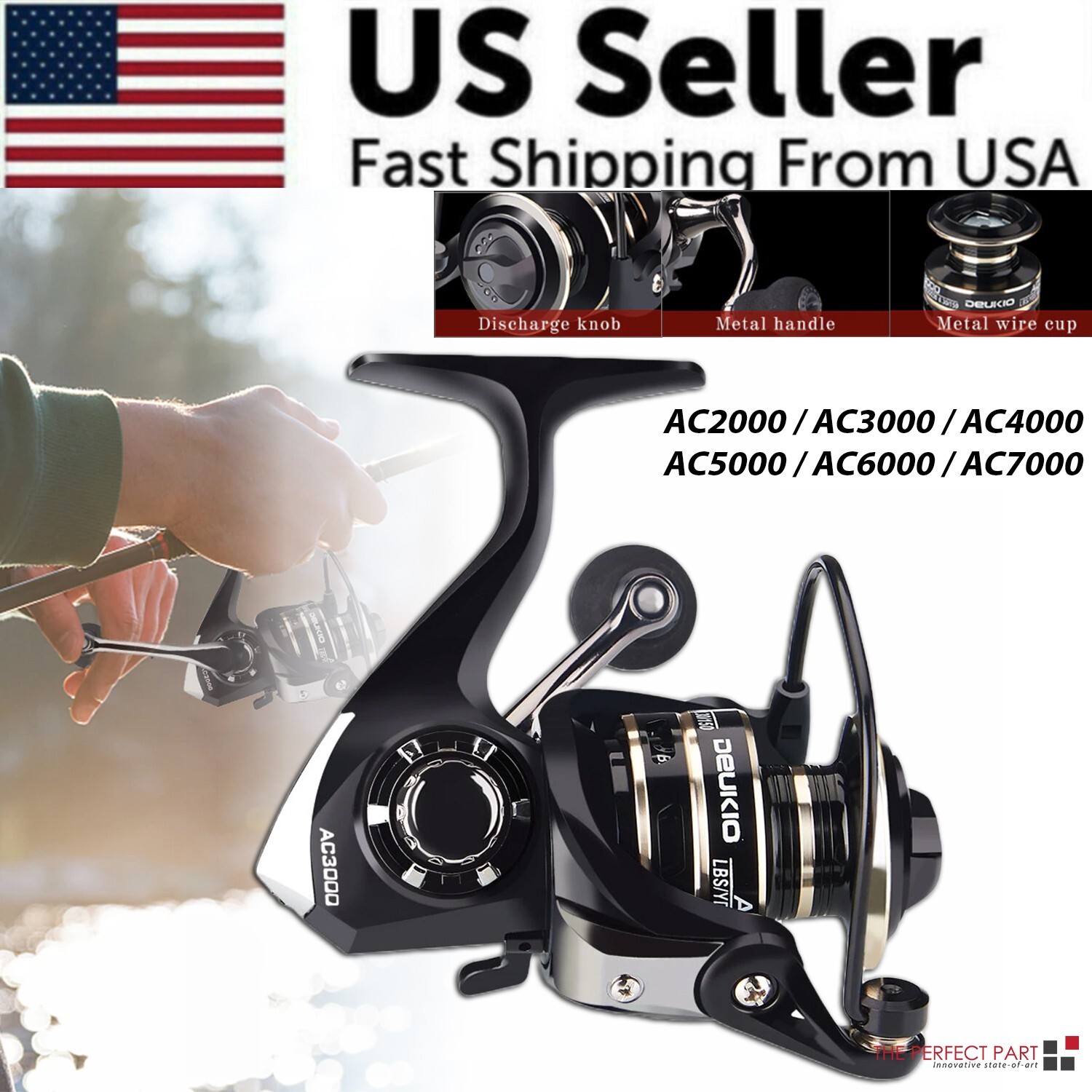 12BB Metal Spinning Fishing Reel 5.2:1 Freshwater Saltwater Left Right Hand Reel$23.89
 View on eBay
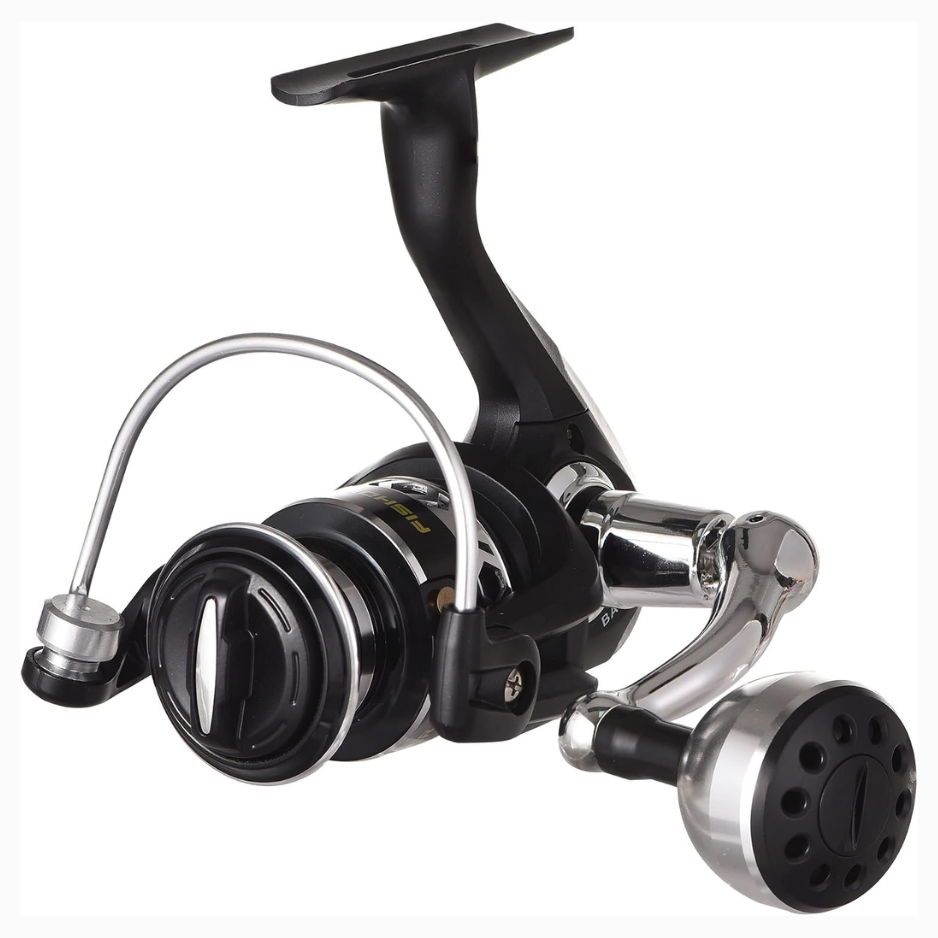 Black And Gold Spinning Fishing Reel With Lightweight Design, CNC Aluminum Spool, Maximum Drag, High-Speed Gear Ratio For Freshwater$106.99
 View on Mallflare
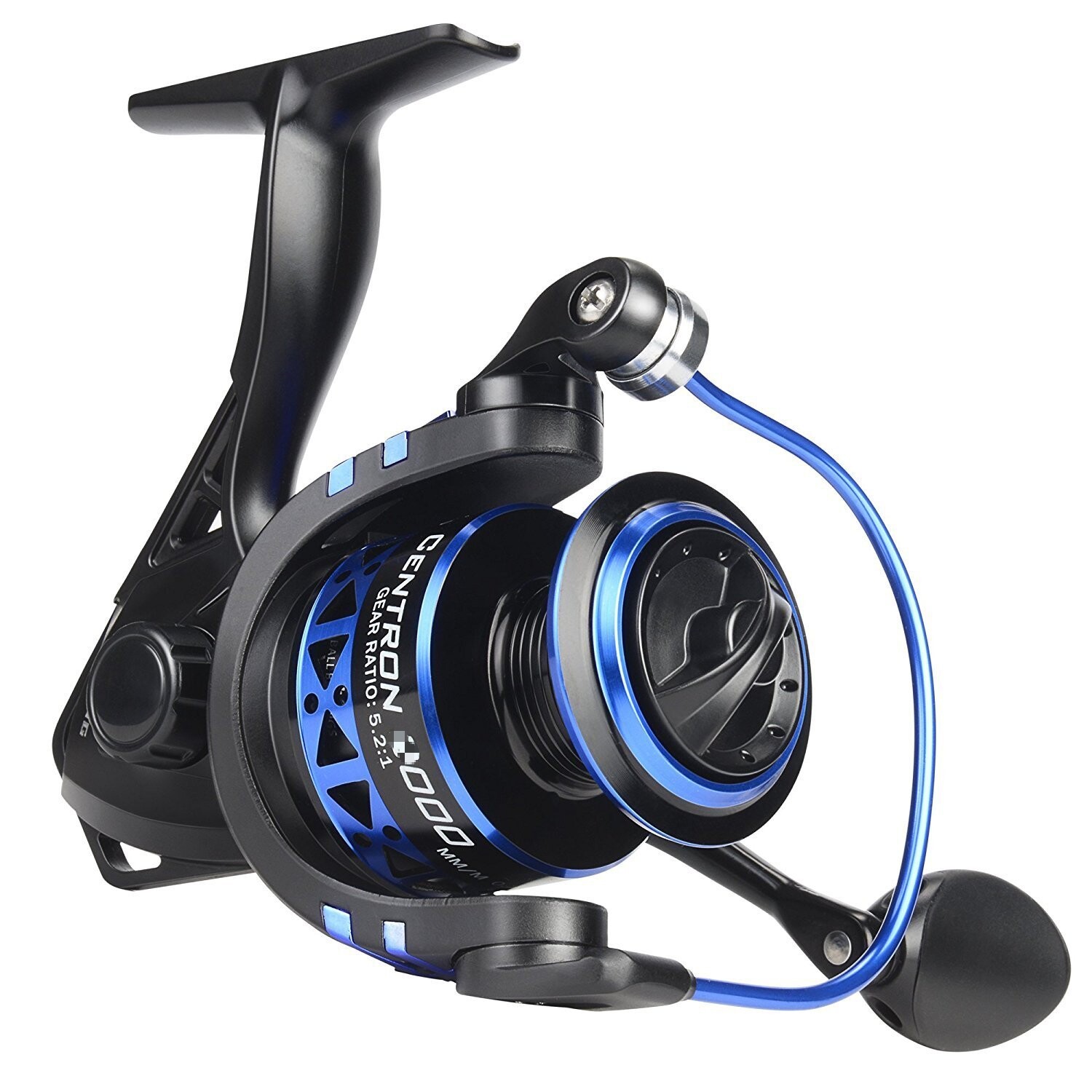 KastKing Centron/Centron Lite Spinning Reel Fishing Reel Freshwater Panfish Fish$26.99View on eBay
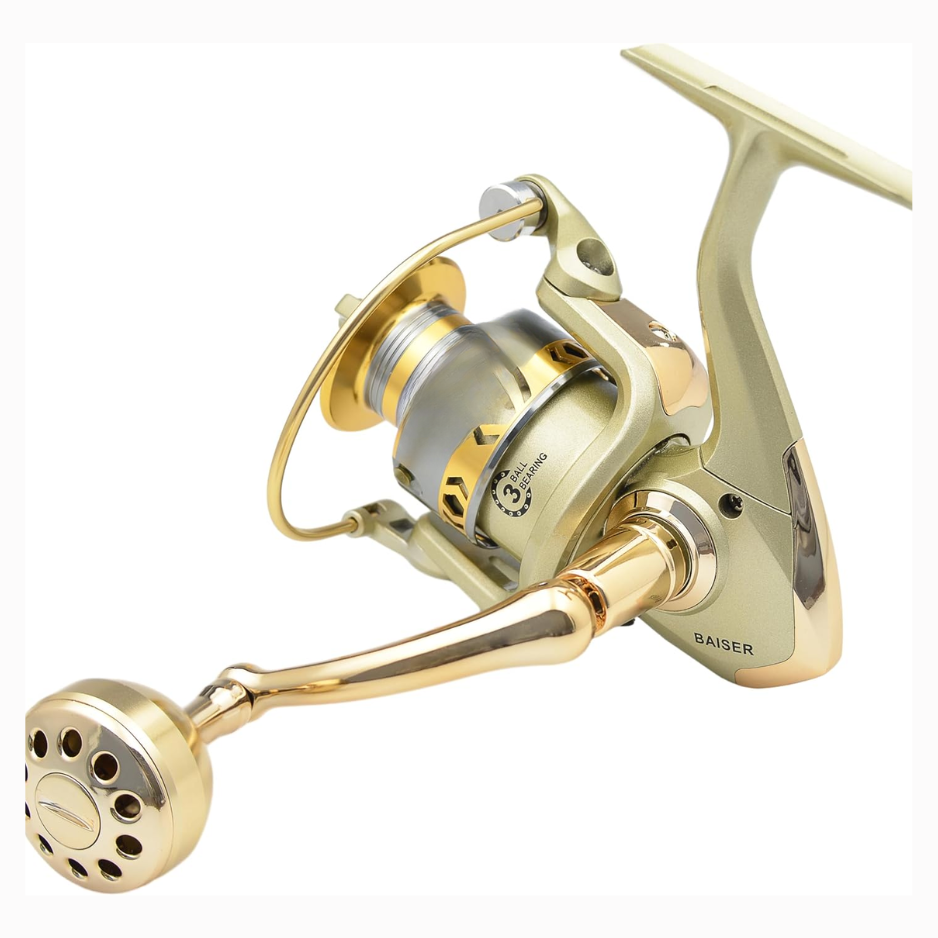 Black And Gold Lightweight Spinning Fishing Reel With CNC Aluminum Spool, Maximum Drag, High-Speed Gear Ratio, And Smooth Performance For Freshwater$121.99View on Mallflare
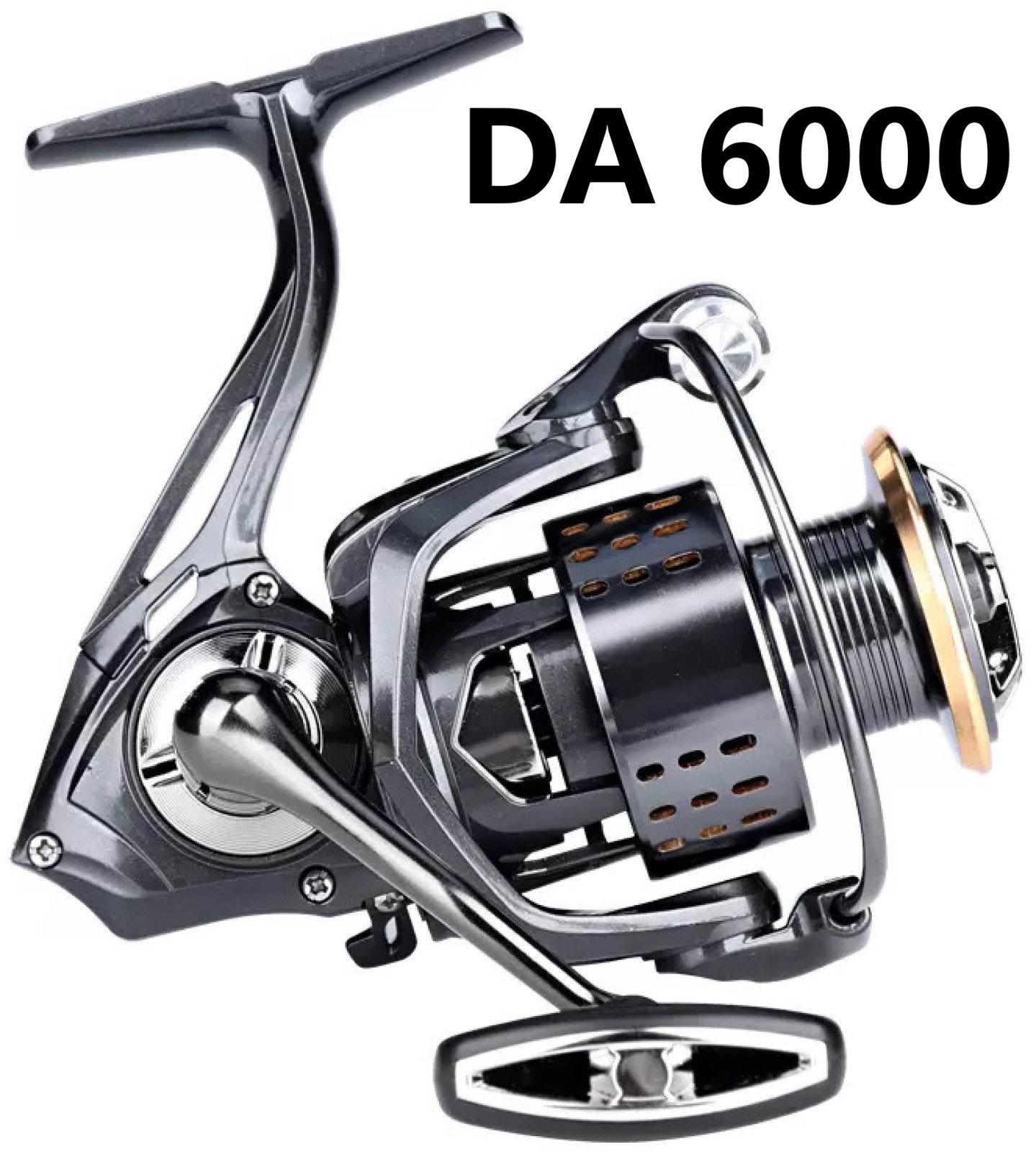 Spinning Fishing Reel 5.2:1 Freshwater Saltwater Right Left Hand Metal Spool New$29.97View on eBay
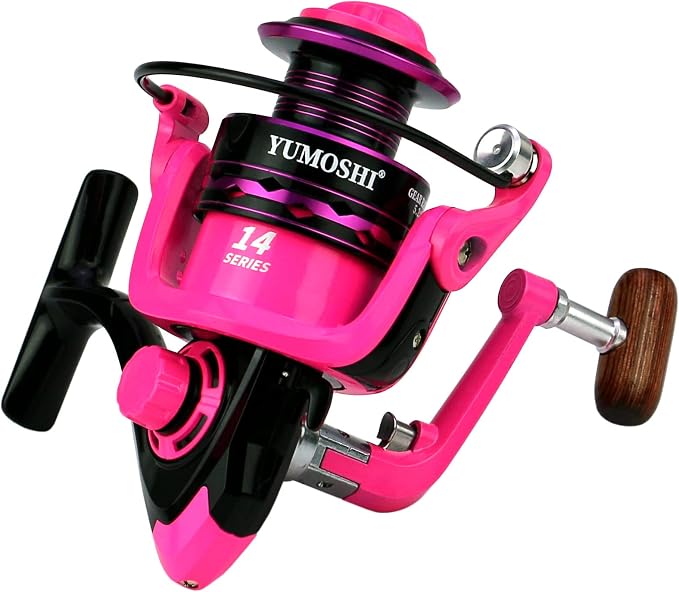 Pink Spinning Fishing Reel With Gear Ratio, Lightweight Design, Interchangeable Left- And Right-Hand Handle, Smooth Retrieval System For Freshwater And Saltwater$121.99View on Mallflare
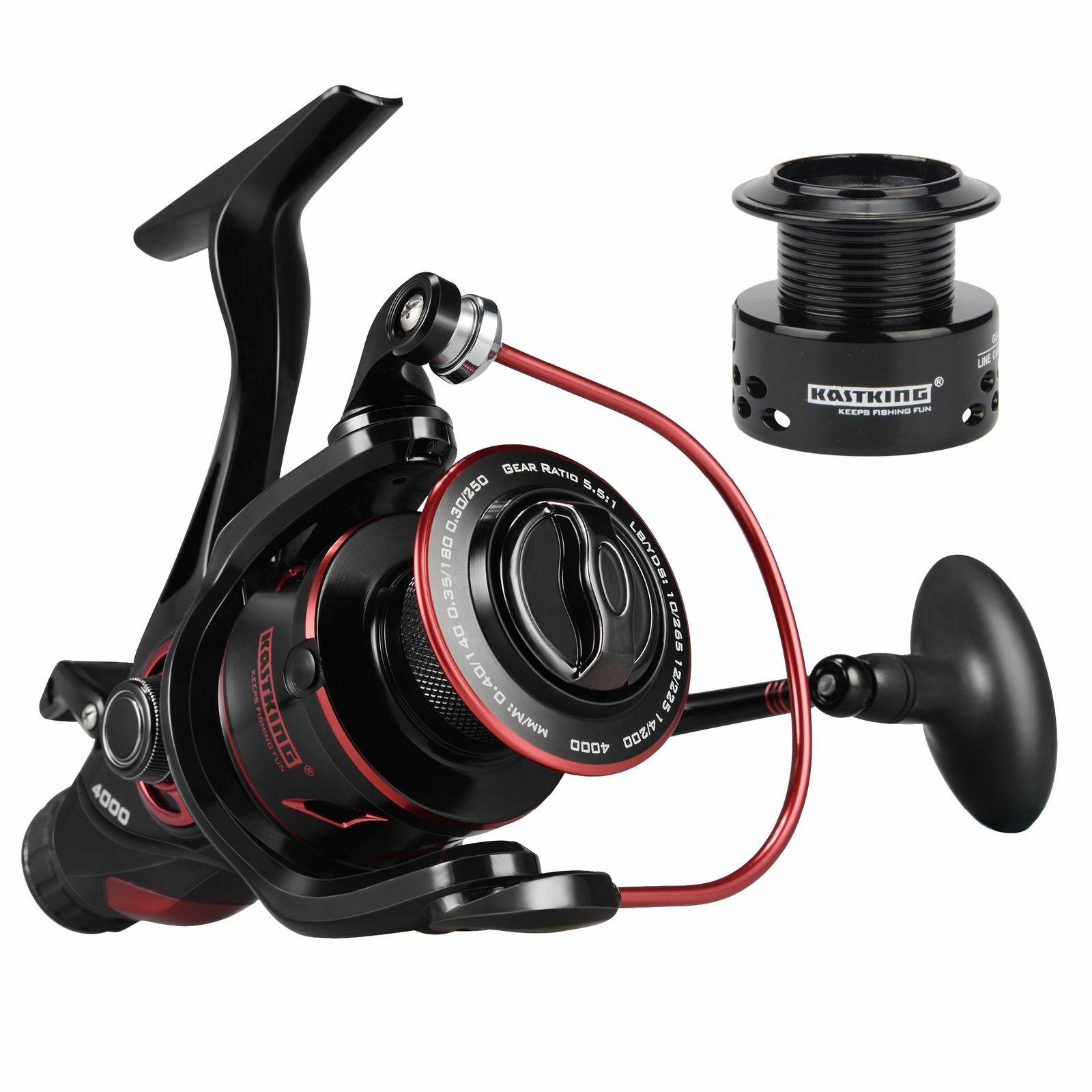 KastKing Spinning Reels All Model Freshwater or Saltwater Lure Fishing Reel US$48.44View on eBay
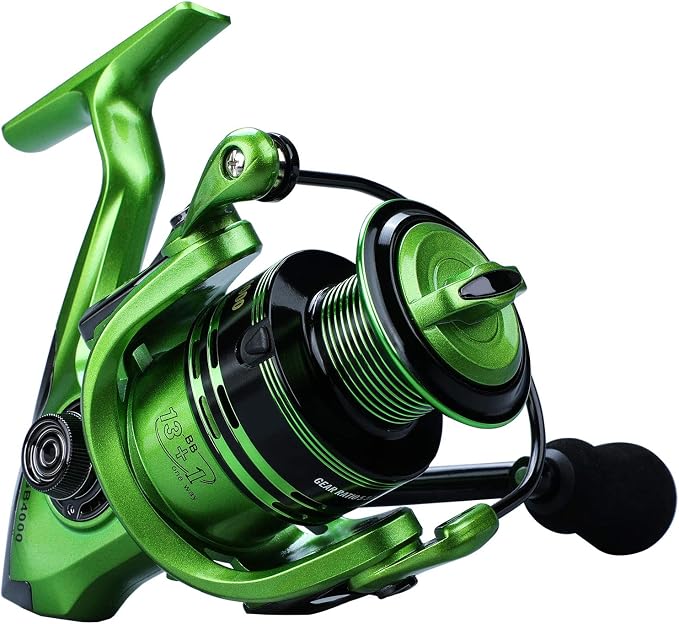 Lightweight Spinning Fishing Reel With Stainless Steel Ball Bearings, Ultra-Smooth Powerful Retrieval System, Durable Construction For Saltwater And Freshwater$121.99View on Mallflare
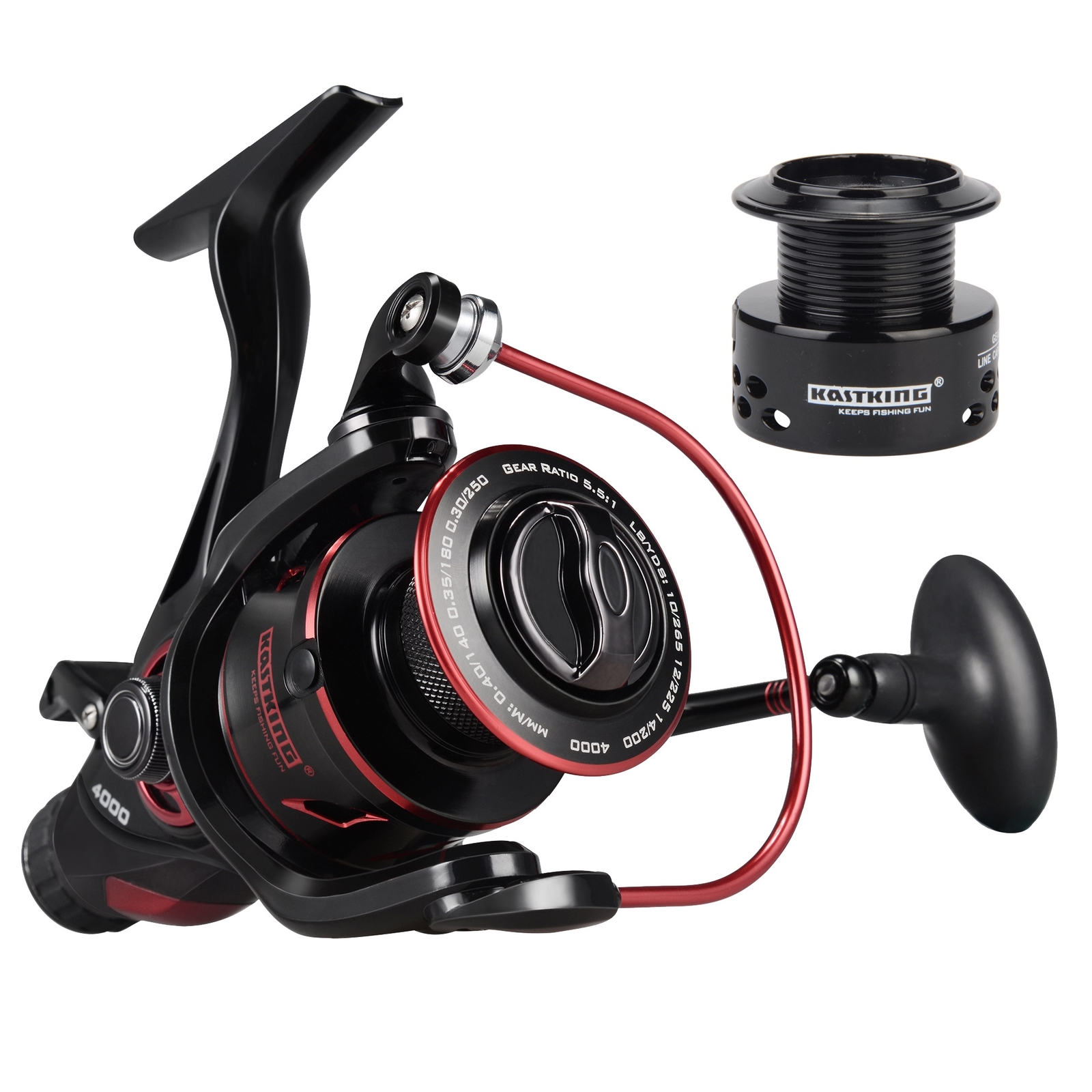 KastKing Spinning Reels All Models Freshwater & Saltwater Bass Fishing Reel US$53.99View on eBay
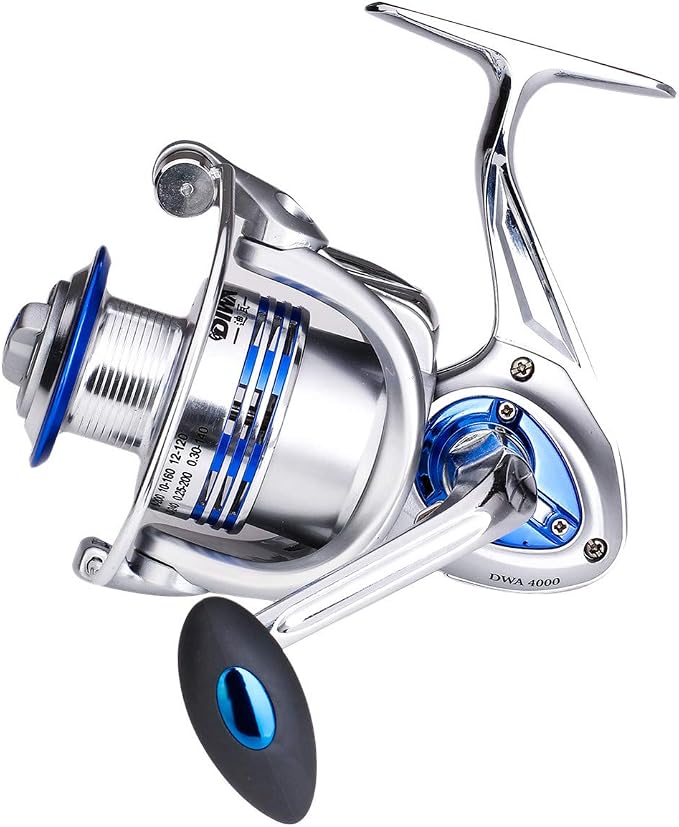 Ultralight Spinning Fishing Reel With Metal Body, Stainless Steel Ball Bearings, Smooth Retrieval System, And Powerful Performance For Saltwater, Freshwater, Ice Trout, Bass, And Carp$136.99View on Mallflare
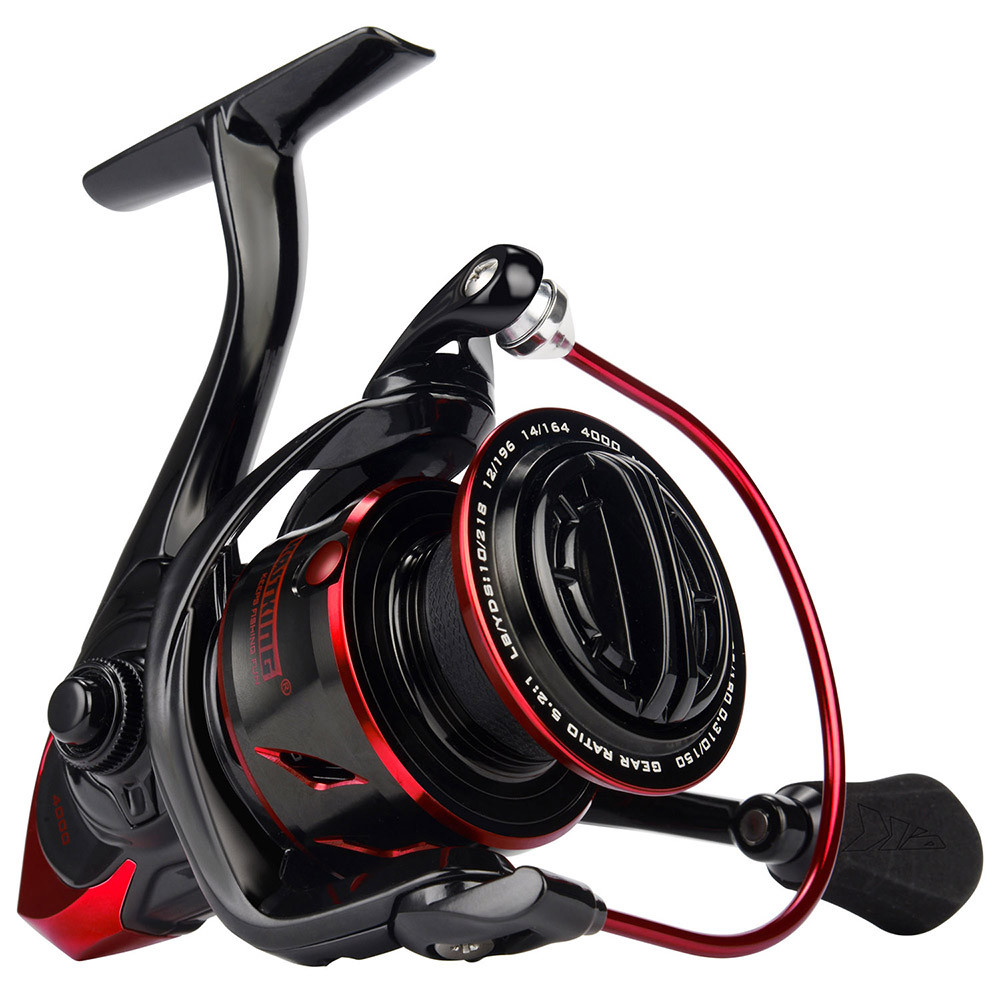 KastKing Sharky III Spinning Reel Saltwater/Freshwater Fishing Reel 39.5 LB US$60.99View on eBay
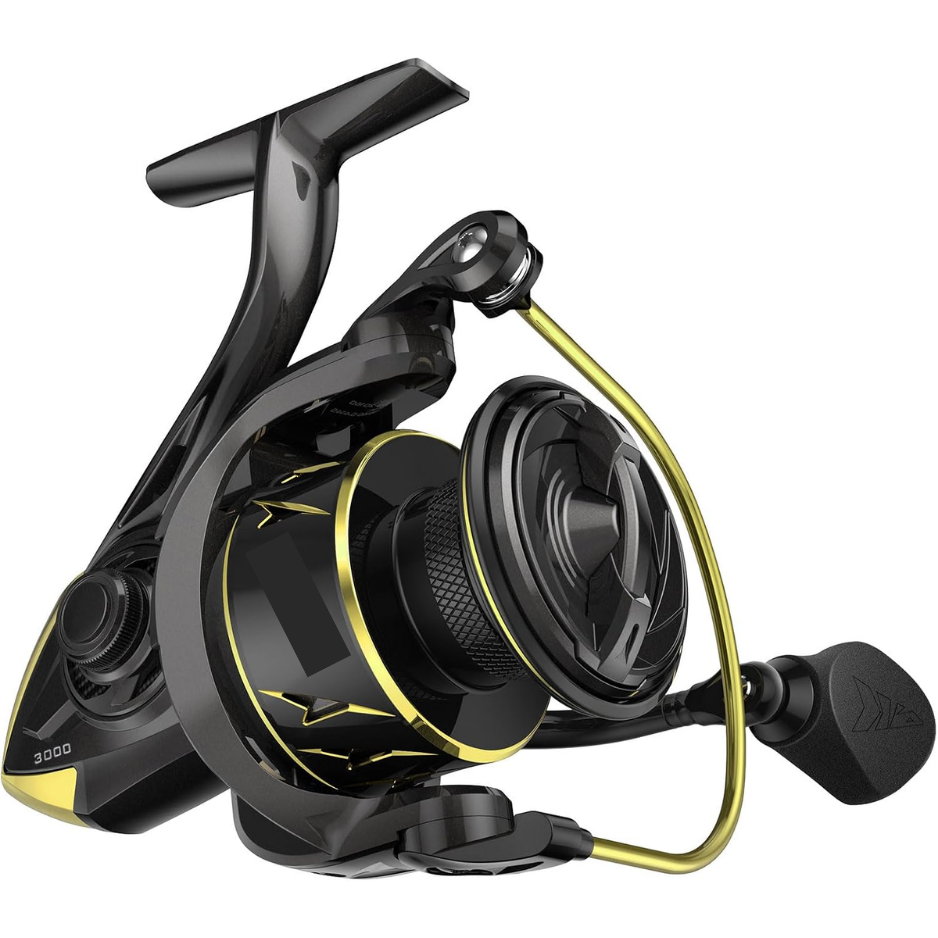 Sharky Spinning Fishing Reel For Saltwater & Freshwater$142.99View on Mallflare
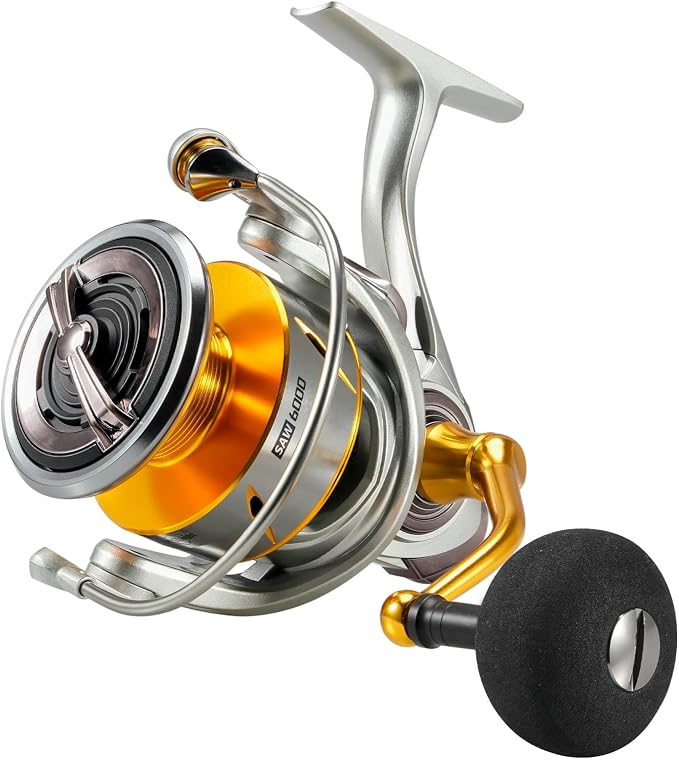 High-Speed Saltwater And Freshwater Spinning Fishing Reel With Gear Ratio, Maximum Drag, Smooth Retrieval System, And Durable Design For Versatile$195.99View on Mallflare
Highlights
- Body material sets longevity: machined/forged aluminum frames resist flex under drag load, while graphite and plastic frames are lighter but distort and strip screw threads under repeated high-drag fights.
- Gear type matters more than bearing count: a stainless steel or hardened brass main gear outlasts zinc die-cast alloys; 12BB marketing numbers mean little if the main gear is soft.
- Drag systems range from oiled felt (smooth, needs maintenance) to carbon fiber (heat-resistant, consistent) to sealed multi-disc stacks that keep grit out in freshwater and light salt.
- Spool size is rated by line capacity and drag ceiling: 1000–2000 for panfish/trout, 2500–3000 for bass and general freshwater, 4000 for heavier freshwater and light inshore.
Best use cases
- Best fit: 2000–2500 size with 6–10 lb mono or 10–15 lb braid for bass, walleye, and general freshwater—pick aluminum frame and stainless/carbon drag if fishing structure or heavy cover.
- Best fit: 1000 size ultralight (4–6 lb line) for panfish, trout, and finesse—choose low gear ratio (4.8:1–5.2:1) for slow retrieves and light lures under 1/8 oz.
- Wrong fit: a 3000–4000 saltwater-rated reel with 20+ lb drag on a light 6'6" medium rod—the reel outweighs and unbalances the rod and overloads light line.
Buying tips
- Match reel size to rod and line: 1000–2000 for 6–7 ft light/medium-light rods and 4–8 lb line; 2500–3000 for 6'6"–7'6" medium rods and 8–12 lb mono or 15–20 lb braid; 4000 only for heavy freshwater or light inshore.
- Gear ratio: 5.2:1 is a general-purpose retrieve; 6.2:1+ suits fast lure fishing and picking up slack; below 5:1 is for crankbaits and slow-rolling.
- Drag ceiling should exceed your line's breaking strength by 20–30%—a 10 lb line setup needs 12–15 lb max drag so the drag slips before the line breaks, not after.
- Prefer aluminum spools and metal bodies for braid; braid can deform plastic spools under tension and abrade unpolished lips, causing line wear.
Specs
| Body Material | Aluminum vs graphite vs plastic |
|---|---|
| Reel Size | 1000–2000 / 2500–3000 / 4000 |
| Max Drag | 6–10 lb / 10–15 lb / 15–25 lb |
| Gear Ratio | 4.8:1–5.2:1 / 5.2:1–6.2:1 / 6.2:1+ |
Related searches
What to check before buying
- Rod compatibility: confirm reel seat size and foot fit—1000–2500 reels fit standard spinning seats; 4000+ may need a larger seat or reel clamp.
- Line capacity: the spool must hold your target line at 70–90% fill; under-filled spools increase friction and reduce casting distance.
- Handle and retrieve: confirm interchangeable left/right retrieve if sharing the reel, and that the handle knob material (EVA, rubber) suits wet-hand grip.
- Environment: for freshwater only, sealed drag is optional but recommended; if the reel will see occasional brackish water, choose a sealed drag and rinse after use.
FAQ
Data sources: eBay / Amazon listings and product attribute feeds Data updated Nov 16, 2026.
Some links on this page are affiliate links. If you buy after clicking one, we may earn a commission at no extra cost to you. This does not change which products appear here or their order. Affiliate disclosure.