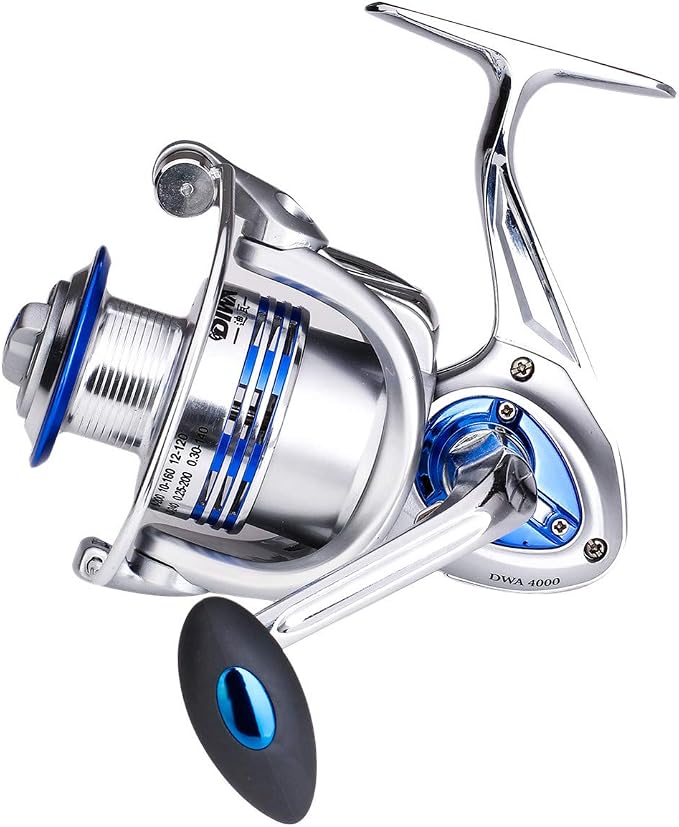

Photos from current listings. Actual item, color, and included accessories may vary.
Ice Fishing Reel Buying Guide
Ice fishing reels are specialized low-temperature reels designed to keep drags, spools, and line from freezing or stiffening in sub-zero conditions. The core trade-off is sealed, cold-rated drag and grease versus fair-weather internals that bind, slip, or free-spool when temperatures drop. Choose a purpose-built ice reel with a sealed or freeze-resistant drag and inline or low-profile geometry; skip open-water spinning reels marketed with an 'ice' label unless the drag and grease are genuinely cold-rated.


At a glance
- Category
- Fishing Reels
- Data updated
- Nov 16, 2026
Current offers
Highlights
- Inline (free-spool) reels hang below the rod and eliminate line coiling, but need a reliable adjustable drag and anti-reverse to prevent spool overrun.
- Sealed carbon-fiber drag washers resist freezing and deliver smooth pressure; oiled felt or unsealed drags stiffen and stick below freezing.
- Cold-rated grease and sealed bearings are the decisive internals; standard open-water reels often bind or free-spool inconsistently at low temperatures.
- Low-profile baitcast-style ice reels fit gloved hands and palm rods, while full-size spinning reels add weight and expose line to guide icing.
Best use cases
- Best fit: sight-fishing panfish and trout in a shack or flip-over — pick an inline reel with a fine adjustable drag and instant anti-reverse for controlled line release.
- Best fit: hole-hopping with a short palm rod — choose a compact low-profile ice reel that balances near the reel seat and sheds ice build-up.
- Wrong fit: open-water bass or pike fishing — skip dedicated ice reels with tiny spools and light drag; use a standard spinning or baitcasting reel rated for heavier line.
- Wrong fit: deep-water lake trout or walleye — skip ultralight inline reels with low line capacity; select a larger ice reel with adequate backing capacity and a stronger drag stack.
Buying tips
- Match reel size to target species: ultralight inline for panfish and trout, compact low-profile for walleye and perch, larger ice-capable spinning reel for lake trout and pike.
- Verify drag material and sealing: carbon-fiber or sealed drag washers are the cold-weather standard; unsealed felt drags stiffen and stick near freezing.
- Check line capacity against your fishery: shallow panfish need little backing, but deep walleye or lake trout sets require enough spool capacity for 50–100+ feet of runs.
- Confirm gear ratio and retrieve: inline reels typically run near 1:1 for direct control, while low-profile ice reels offer faster retrieves for aggressive jigging.
Specs
| Reel Type | Inline / Low-profile / Spinning |
|---|---|
| Drag System | Sealed carbon-fiber vs felt |
| Cold Rating | Cold-rated grease & bearings |
| Line Capacity | Ultralight to 100+ ft backing |
Related searches
What to check before buying
- Rod compatibility: confirm the reel foot seats securely on your ice rod's reel seat or clamping system before committing to a size.
- Glove clearance: check that the spool, drag knob, and handle are operable with winter gloves or mittens on your setup.
- Cold-rated line: pair the reel with ice-specific monofilament or braid that stays supple below freezing; standard summer line stiffens and coils.
- Shelter and storage: verify the reel fits your rod case or bucket organizer without crushing the spool or drag knob.
FAQ
Data sources: eBay / Amazon listings and product attribute feeds Data updated Nov 16, 2026.
Some links on this page are affiliate links. If you buy after clicking one, we may earn a commission at no extra cost to you. This does not change which products appear here or their order. Affiliate disclosure.