Photos from current listings. Actual item, color, and included accessories may vary.
Saltwater Baitcasting Reel Buying Guide
Saltwater baitcasting reels are low-profile or round casting reels built to survive salt, sand, and heavy drag loads while delivering controlled thumb-and-spool casting. The core trade-off is sealed corrosion resistance and drag strength versus weight and casting finesse. Buy a reel with a fully sealed drag, corrosion-resistant bearings, and a rigid metal frame; skip open, unsealed budget reels if the reel will routinely see salt spray.

At a glance
- Category
- Fishing Reels
- Data updated
- Nov 16, 2026
Current offers
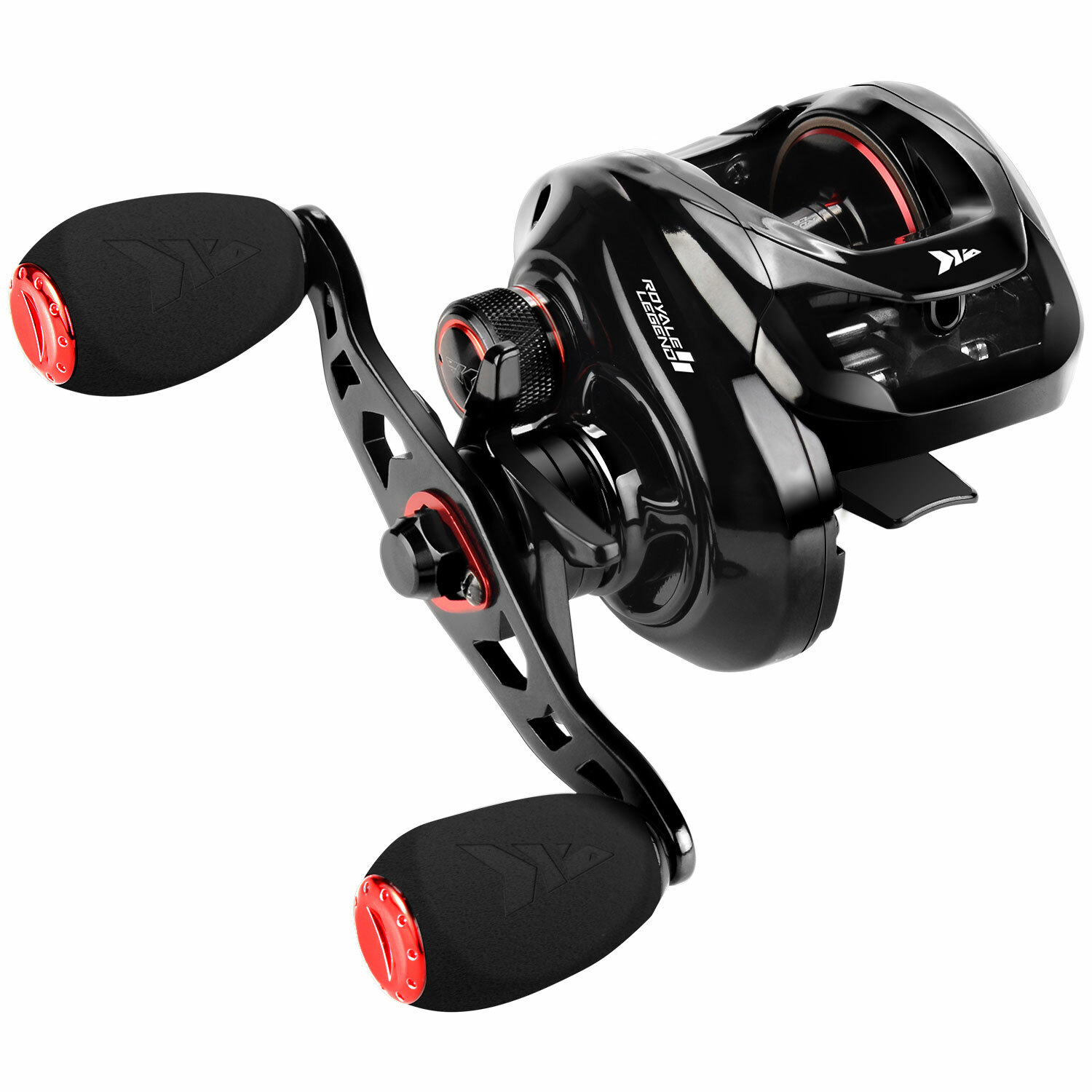 KastKing Baitcasting Reels Fresh Saltwater Fishing Reel- All Model Baitcaster US$33.99
 View on eBay
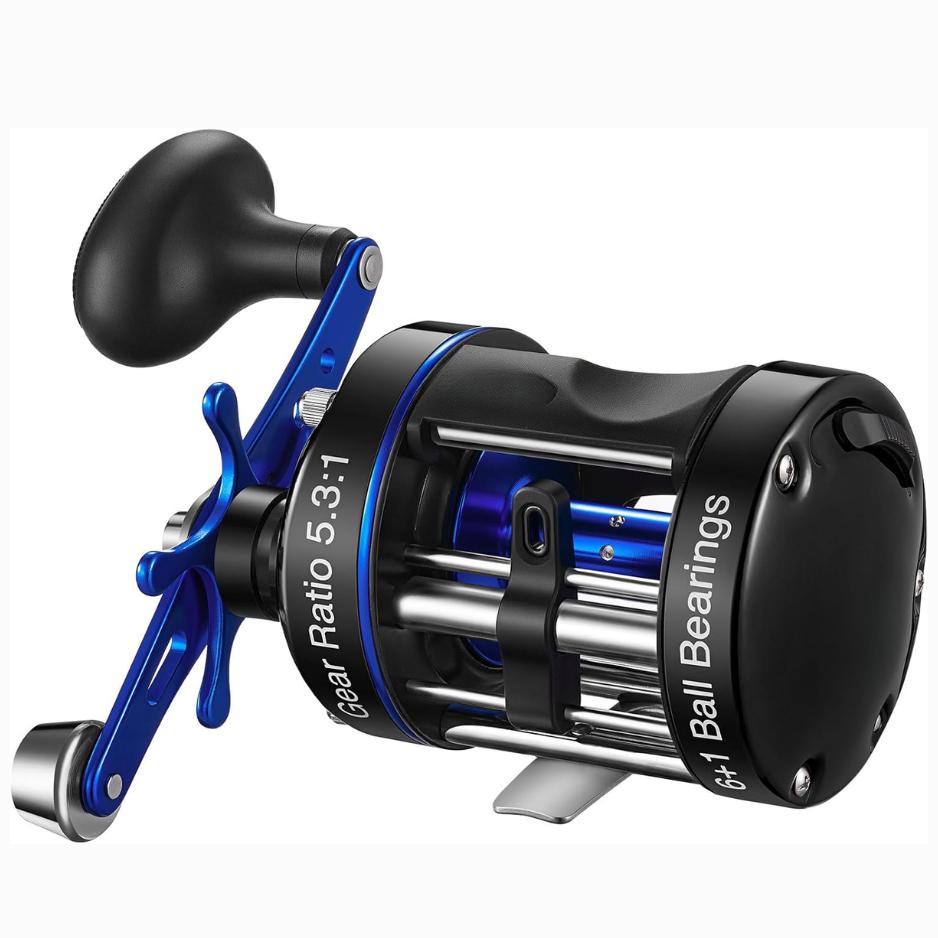 Round Baitcasting Fishing Reel For Saltwater Conventional With Gear Ratio, Aluminum Frame, Carbon Fiber Drag System, Stainless Steel Bearings, And Centrifugal Brake$192.99
 View on Mallflare
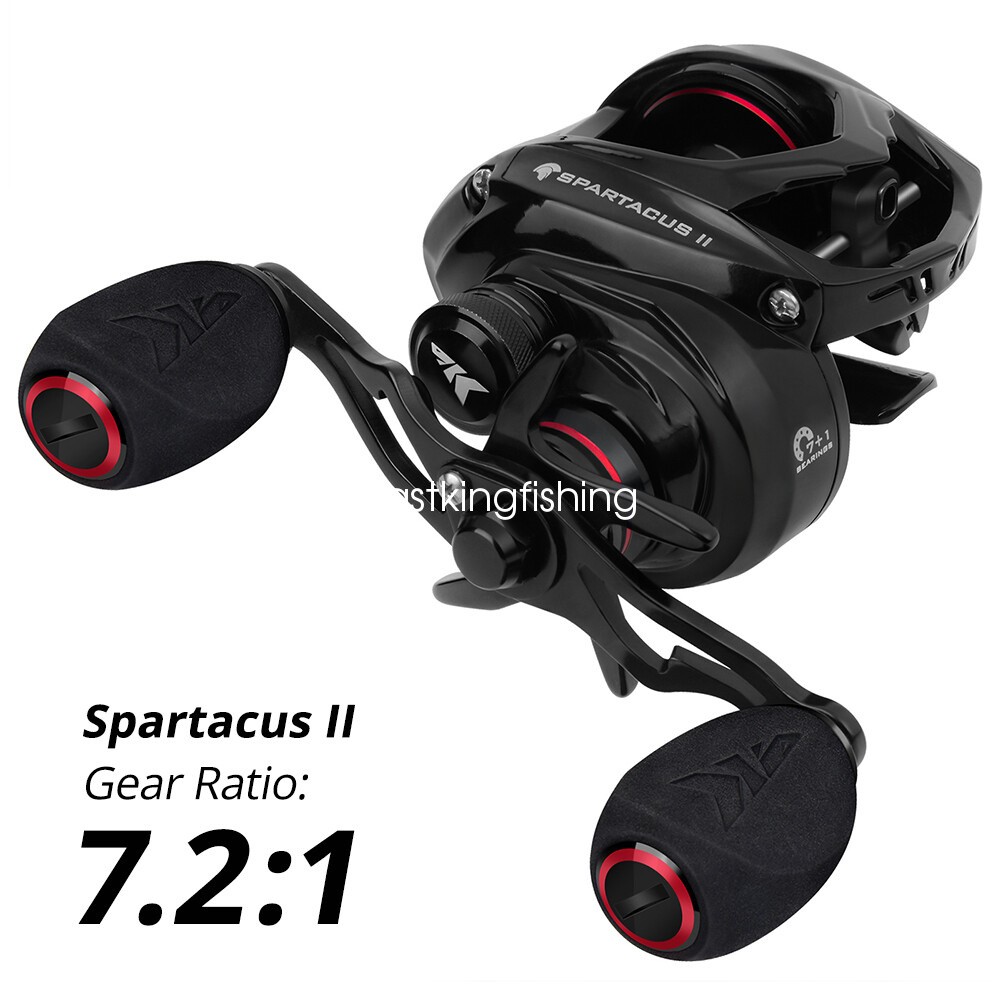 KastKing Spartacus II 7.2:1 freshwater/saltwater Baitcasting Fishing Reel HOT$43.29View on eBay
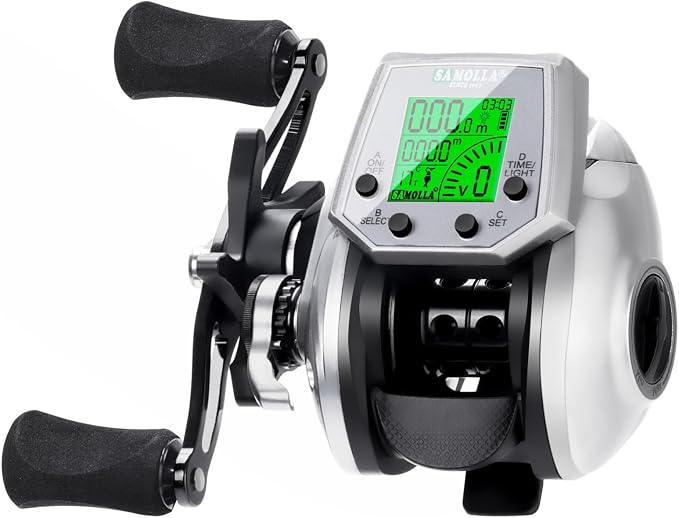 Digital Line Counter Baitcasting Fishing Reel With LCD Display, Ball Bearings, Maximum Drag, Gear Ratio, Ultralight Compact Design For Freshwater And Saltwater$192.99View on Mallflare
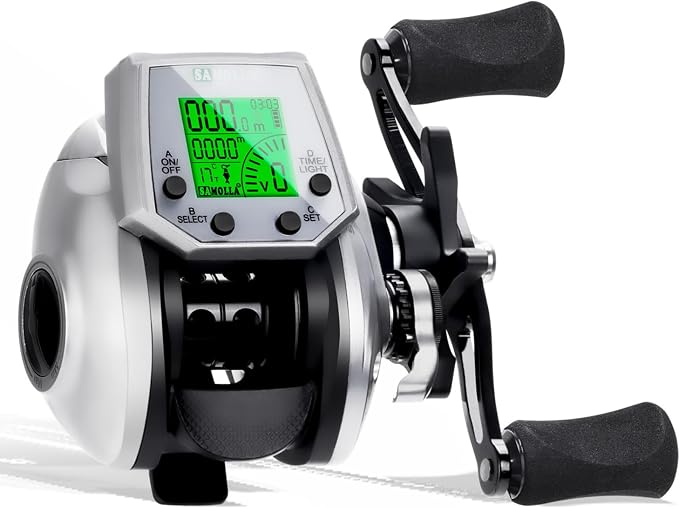 Digital Line Counter Baitcasting Fishing Reel With LCD Display,Ball Bearings, 22 Lb Maximum Drag, Gear Ratio, Ultralight Compact Design For Freshwater And Saltwater$207.99View on Mallflare
Highlights
- Frame material separates durability tiers: machined or die-cast aluminum frames hold gear alignment under heavy drag; graphite/composite frames flex and are best reserved for light inshore use.
- Bearing grade and sealing matter more than bearing count: stainless or corrosion-resistant bearings with sealed drag washers survive saltwater; open shielded bearings corrode and seize within a season.
- Drag system design: carbon fiber drag stacks deliver smooth, heat-resistant pressure for big inshore fish; felt or paper drag washers glaze and stick under repeated saltwater loads.
- Brake architecture: centrifugal and magnetic cast-control systems prevent backlash in wind; magnetic-only systems are easier to tune but less forgiving for heavy saltwater lures.
Best use cases
- Best fit: inshore saltwater casting for redfish, speckled trout, and snook — pick a low-profile aluminum-frame reel with sealed stainless bearings and 15–20 lb max drag.
- Best fit: surf and pier baitcasting with heavy plugs or live bait — pick a round conventional-style baitcaster with a machined aluminum frame and carbon fiber drag rated 22 lb or higher.
- Wrong fit: freshwater-only ponds and light finesse bass — a sealed saltwater reel adds weight and cost; a standard freshwater baitcaster is lighter and casts lighter lures better.
- Wrong fit: deep offshore bottom fishing — baitcasters lack the line capacity and harness lugs of conventional reels; choose a lever-drag conventional reel instead.
Buying tips
- Match drag to target: 15–20 lb max drag covers most inshore saltwater species; step to 22 lb or more for surf, pier, and big bull reds.
- Choose gear ratio by technique: 6.2:1–7.2:1 for general casting and retrieves; 8.1:1+ only for fast jigging or burning lures, which sacrifices torque.
- Verify line capacity against your line: a reel holding 150 yd of 30 lb braid suits most inshore work; surf setups need 200 yd+ of 40–50 lb braid.
- Demand sealed drag and corrosion-resistant bearings explicitly: stainless steel or hybrid ceramic bearings and carbon fiber drag washers are the saltwater minimum.
Specs
| Frame Material | Machined/die-cast aluminum vs graphite |
|---|---|
| Drag System | Carbon fiber vs felt washers |
| Gear Ratio Range | 6.2:1–7.2:1 inshore / 8.1:1+ fast |
| Max Drag | 15–20 lb inshore / 22 lb+ surf |
Related searches
What to check before buying
- Rod compatibility: confirm the reel foot fits your rod's reel seat and that the rod's lure weight range matches the reel's casting capability.
- Line type: braid-ready spools with a rubberized or knurled arbor prevent slipping; monofilament needs more capacity for the same strength.
- Environment: rinse and dry after every saltwater trip; reels with sealed drags and drainage ports last significantly longer in humid, salty climates.
- Drag check: set drag to roughly one-third of line breaking strength and confirm smooth startup — jerky drag causes line breaks and pulled hooks.
FAQ
Data sources: eBay / Amazon listings and product attribute feeds Data updated Nov 16, 2026.
Some links on this page are affiliate links. If you buy after clicking one, we may earn a commission at no extra cost to you. This does not change which products appear here or their order. Affiliate disclosure.