Photos from current listings. Actual item, color, and included accessories may vary.
Saltwater Reel Buying Guide
Saltwater reels are built to survive corrosion, high drag loads, and powerful fish, and the defining trade-off is sealed metal construction versus cheap plastic and open bearings that fail after a few trips. The decision rule: buy reels with a full metal body and rotor, stainless or sealed bearings, and a drag rating matched to your target species — skip anything that lists a high ball-bearing count without sealed, corrosion-resistant internals.

At a glance
- Category
- Fishing Reels
- Data updated
- Nov 16, 2026
Current offers
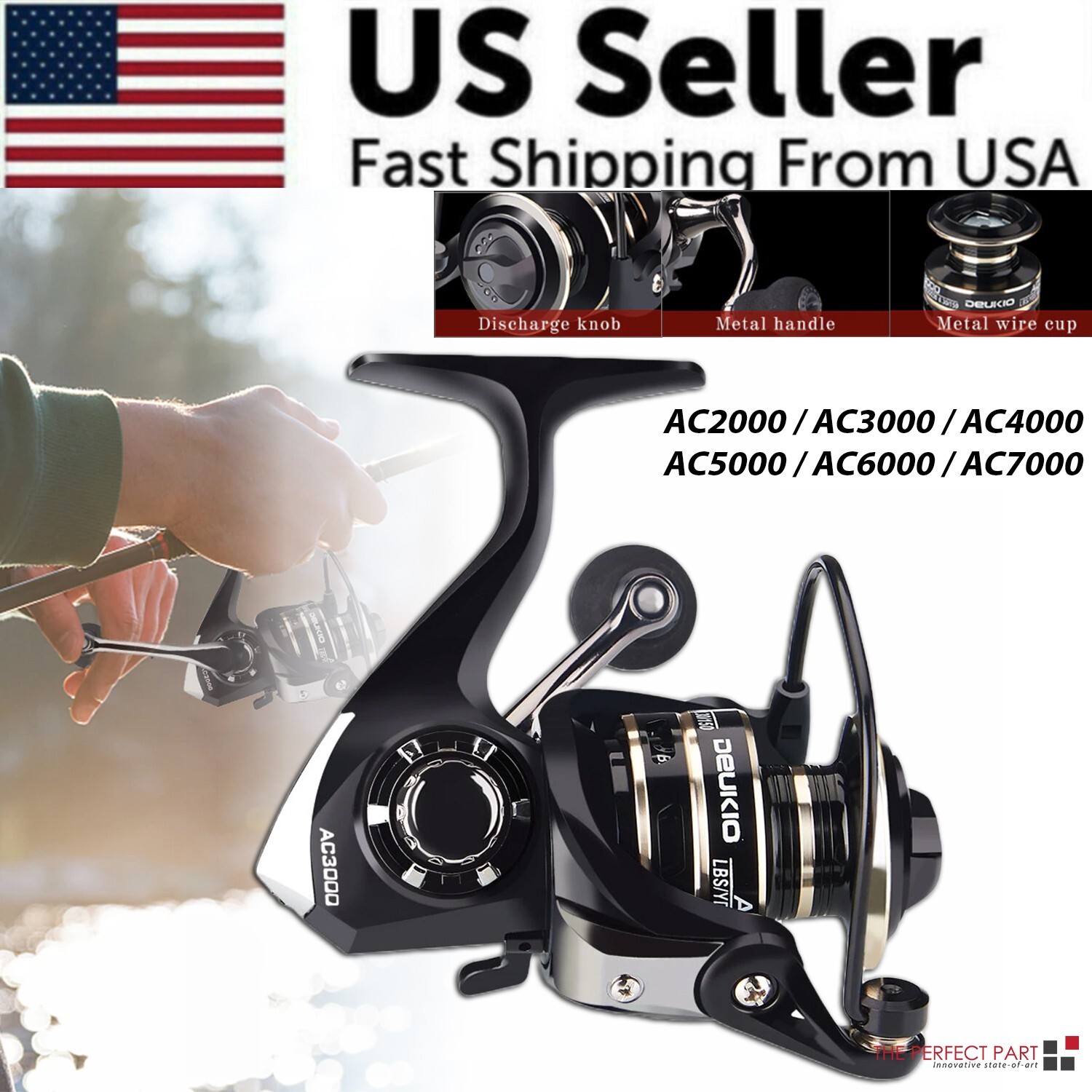 12BB Metal Spinning Fishing Reel 5.2:1 Freshwater Saltwater Left Right Hand Reel$23.89
 View on eBay
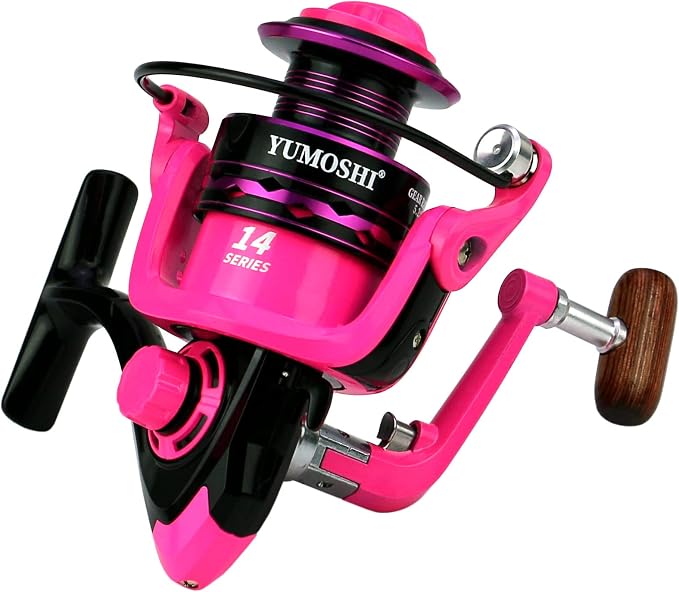 Pink Spinning Fishing Reel With Gear Ratio, Lightweight Design, Interchangeable Left- And Right-Hand Handle, Smooth Retrieval System For Freshwater And Saltwater$121.99
 View on Mallflare
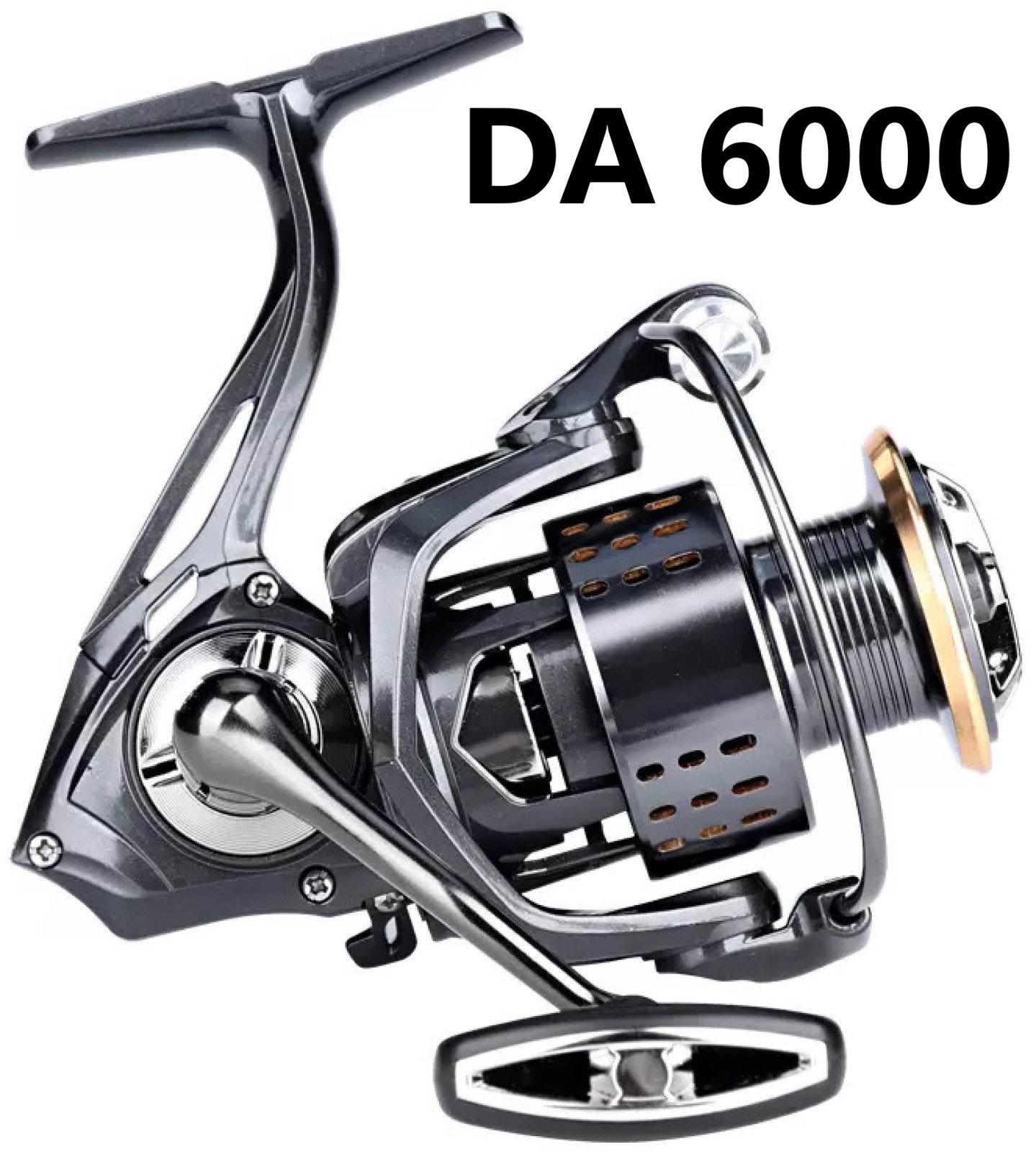 Spinning Fishing Reel 5.2:1 Freshwater Saltwater Right Left Hand Metal Spool New$29.97View on eBay
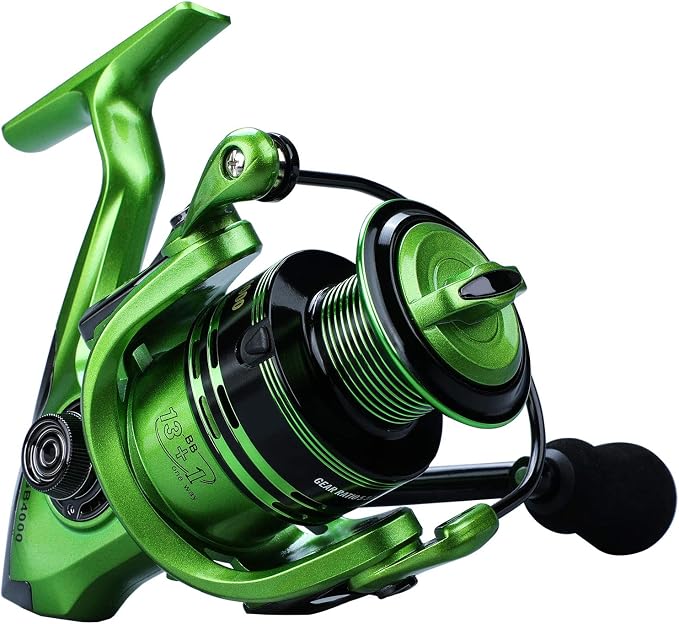 Lightweight Spinning Fishing Reel With Stainless Steel Ball Bearings, Ultra-Smooth Powerful Retrieval System, Durable Construction For Saltwater And Freshwater$121.99View on Mallflare
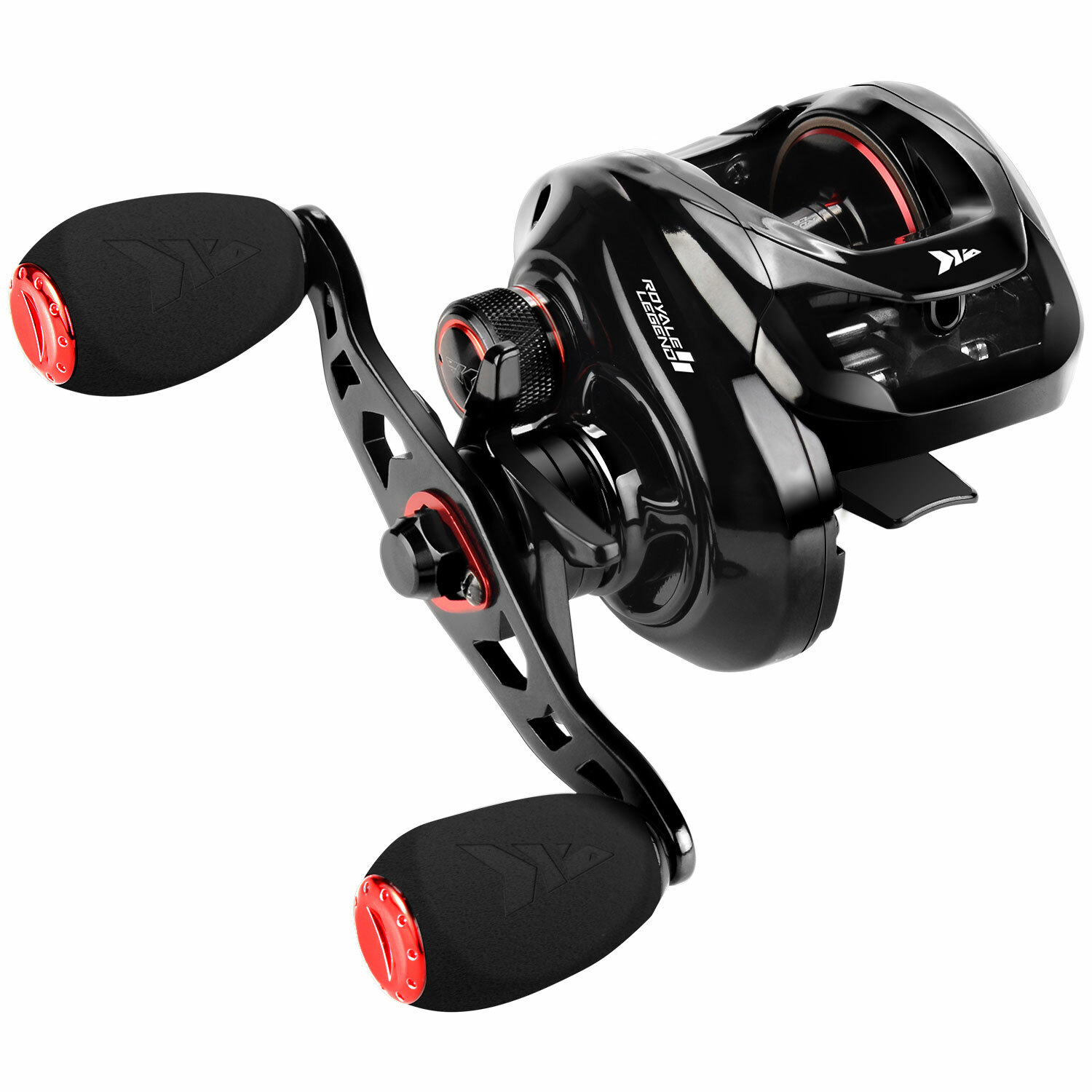 KastKing Baitcasting Reels Fresh Saltwater Fishing Reel- All Model Baitcaster US$33.99View on eBay
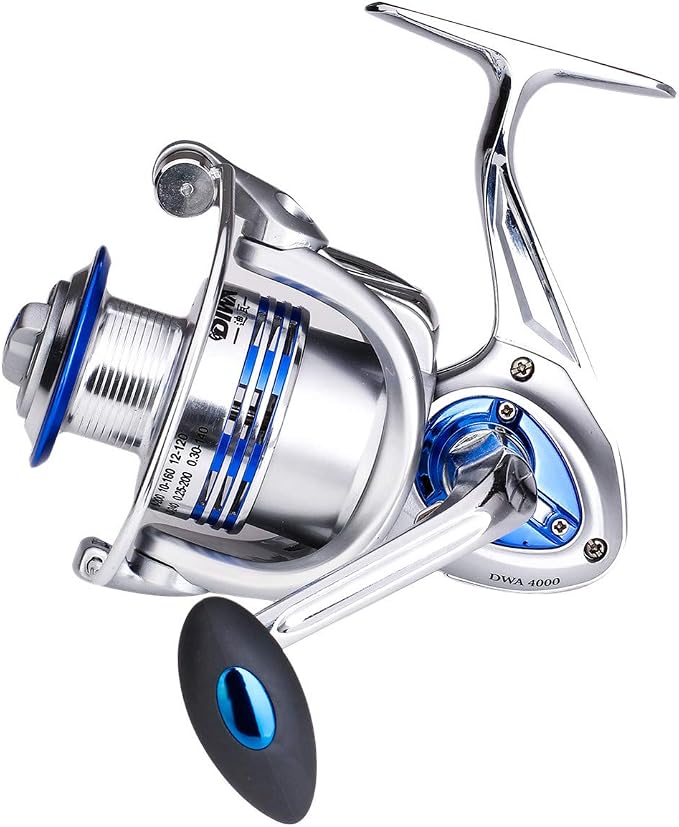 Ultralight Spinning Fishing Reel With Metal Body, Stainless Steel Ball Bearings, Smooth Retrieval System, And Powerful Performance For Saltwater, Freshwater, Ice Trout, Bass, And Carp$136.99View on Mallflare
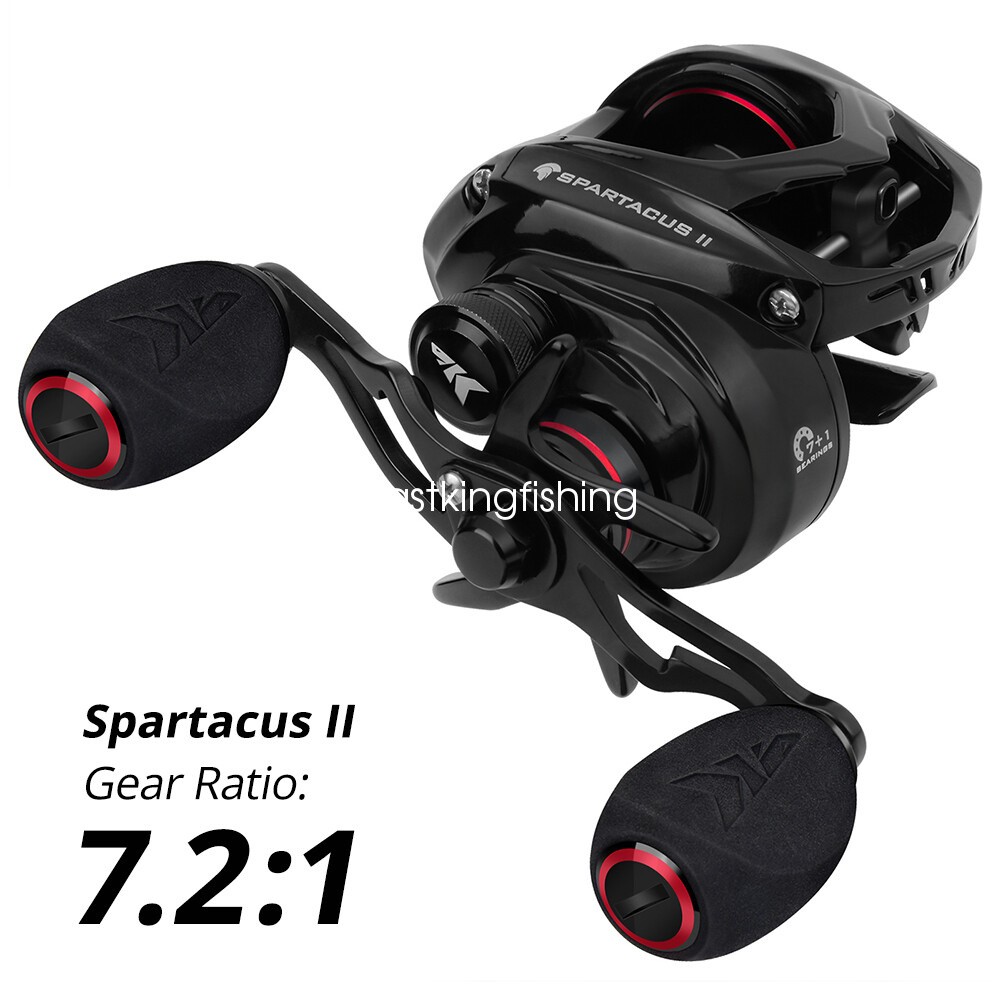 KastKing Spartacus II 7.2:1 freshwater/saltwater Baitcasting Fishing Reel HOT$43.29View on eBay
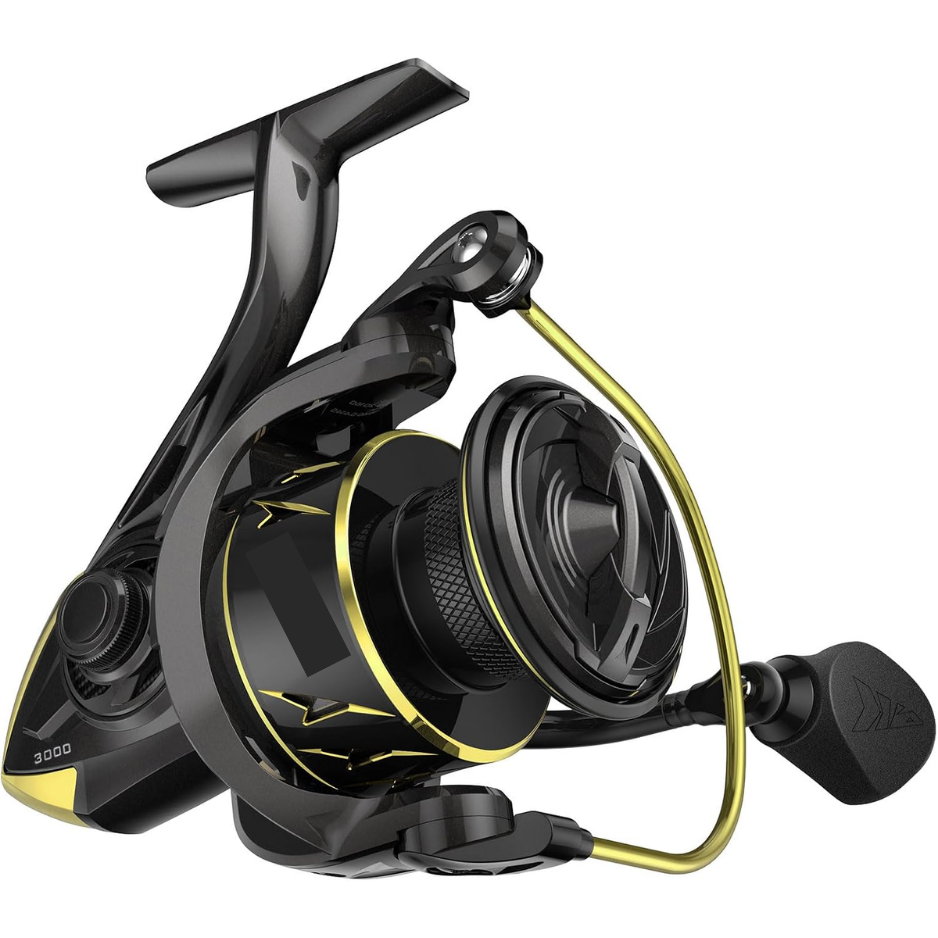 Sharky Spinning Fishing Reel For Saltwater & Freshwater$142.99View on Mallflare
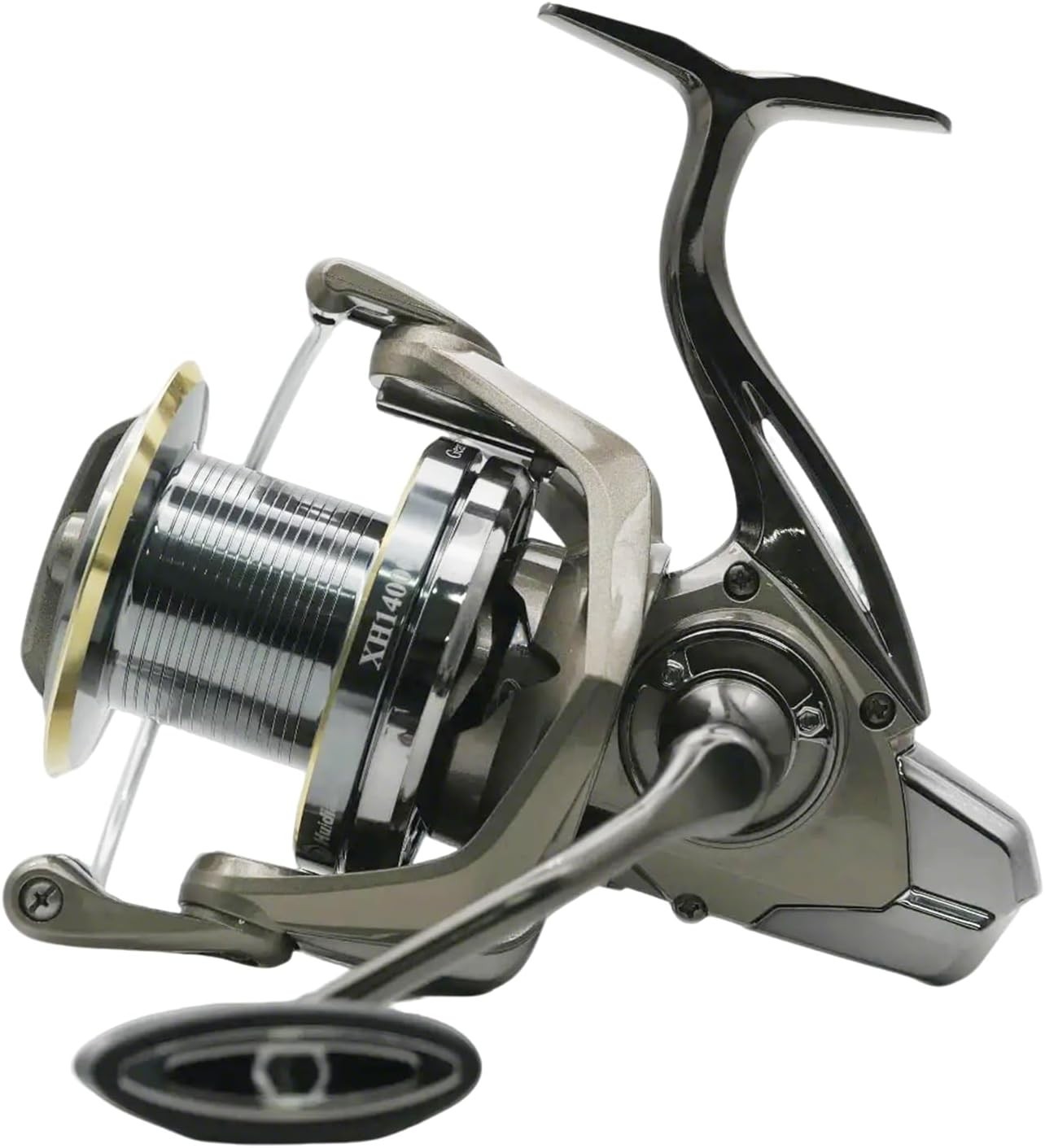 14000 Heavy Duty Saltwater Fishing Spinning Open Face Surf Reel,6+1bb 4.8:1 Gear$45.99View on eBay
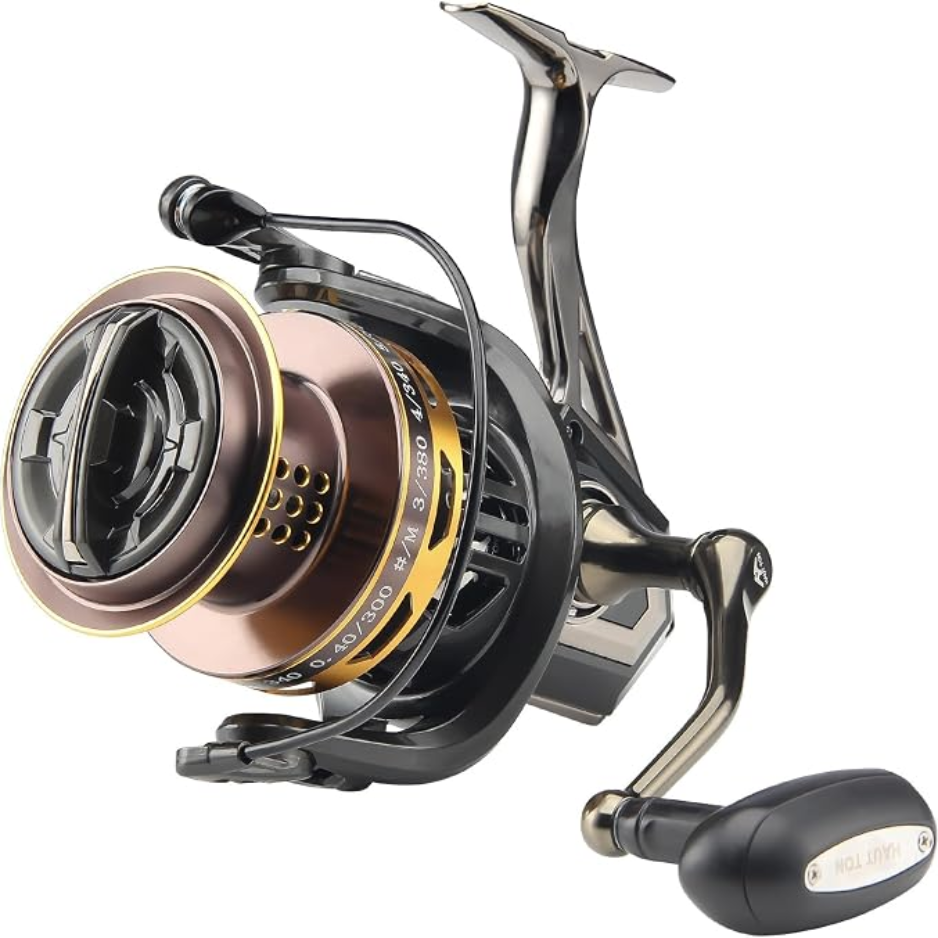 Big Game Surf Spinning Reel, 44LB Max Drag Saltwater Fishing$142.99View on Mallflare
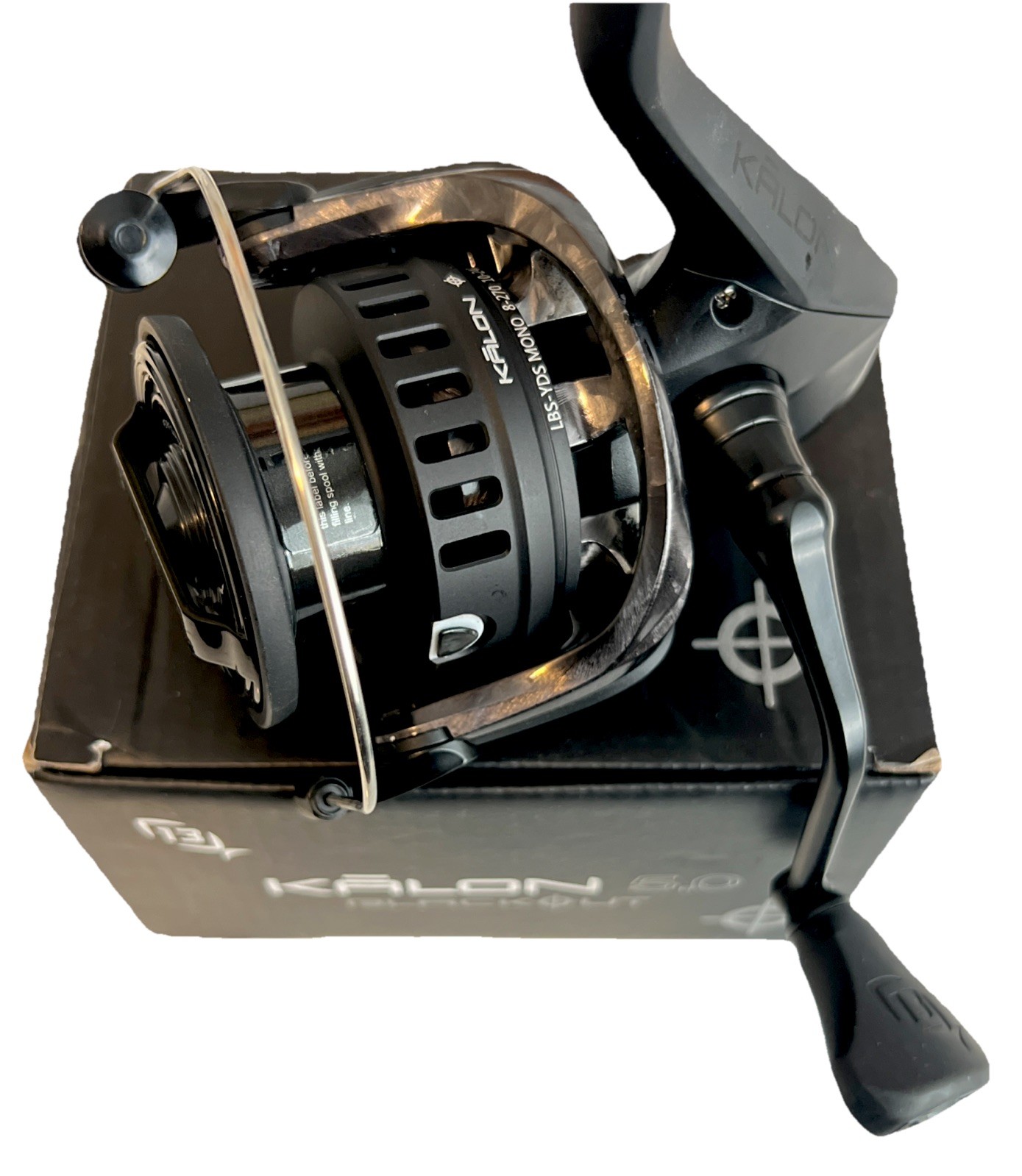 13 Fishing - Kalon BLACKOUT 5.0 Spinning Reel Fresh/Saltwater$48.00View on eBay
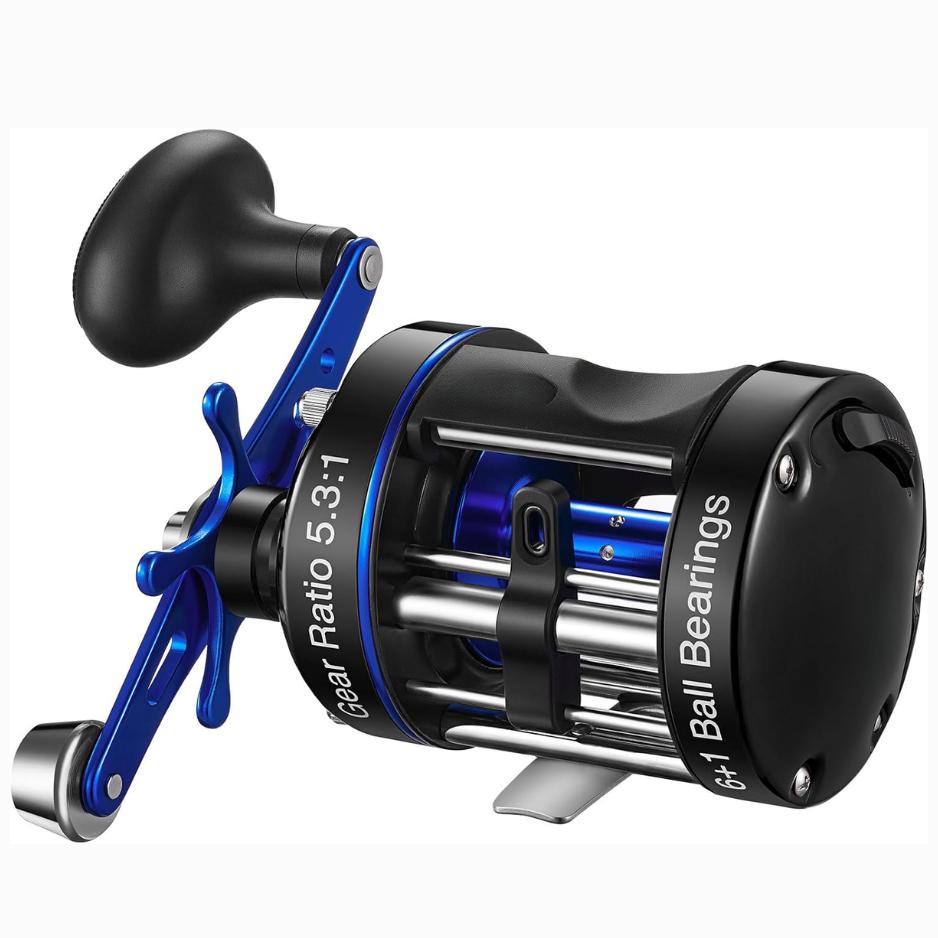 Round Baitcasting Fishing Reel For Saltwater Conventional With Gear Ratio, Aluminum Frame, Carbon Fiber Drag System, Stainless Steel Bearings, And Centrifugal Brake$192.99View on Mallflare
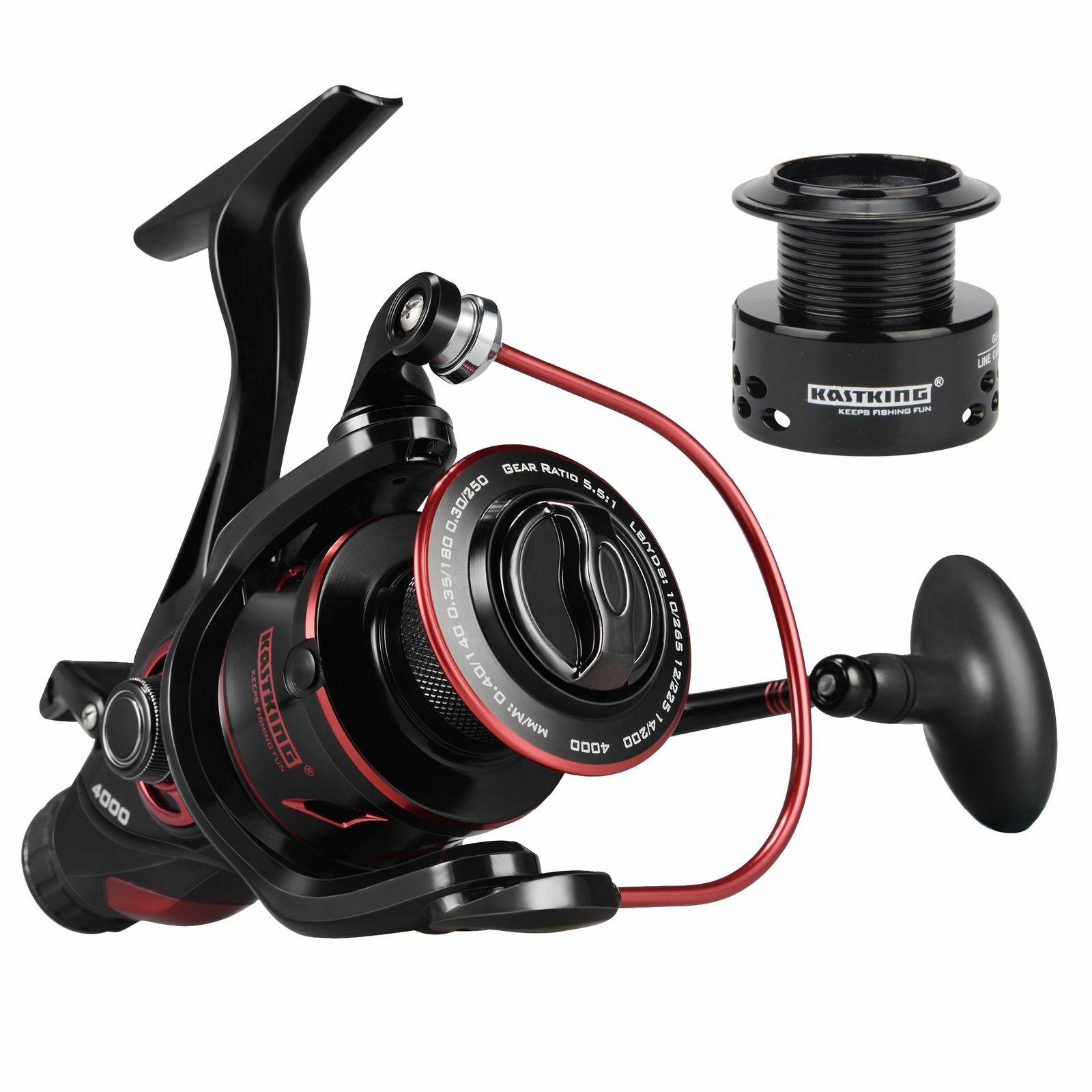 KastKing Spinning Reels All Model Freshwater or Saltwater Lure Fishing Reel US$48.44View on eBay
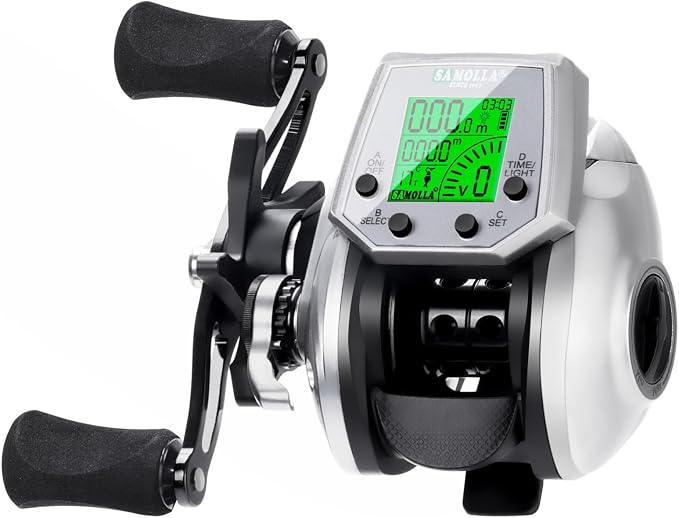 Digital Line Counter Baitcasting Fishing Reel With LCD Display, Ball Bearings, Maximum Drag, Gear Ratio, Ultralight Compact Design For Freshwater And Saltwater$192.99View on Mallflare
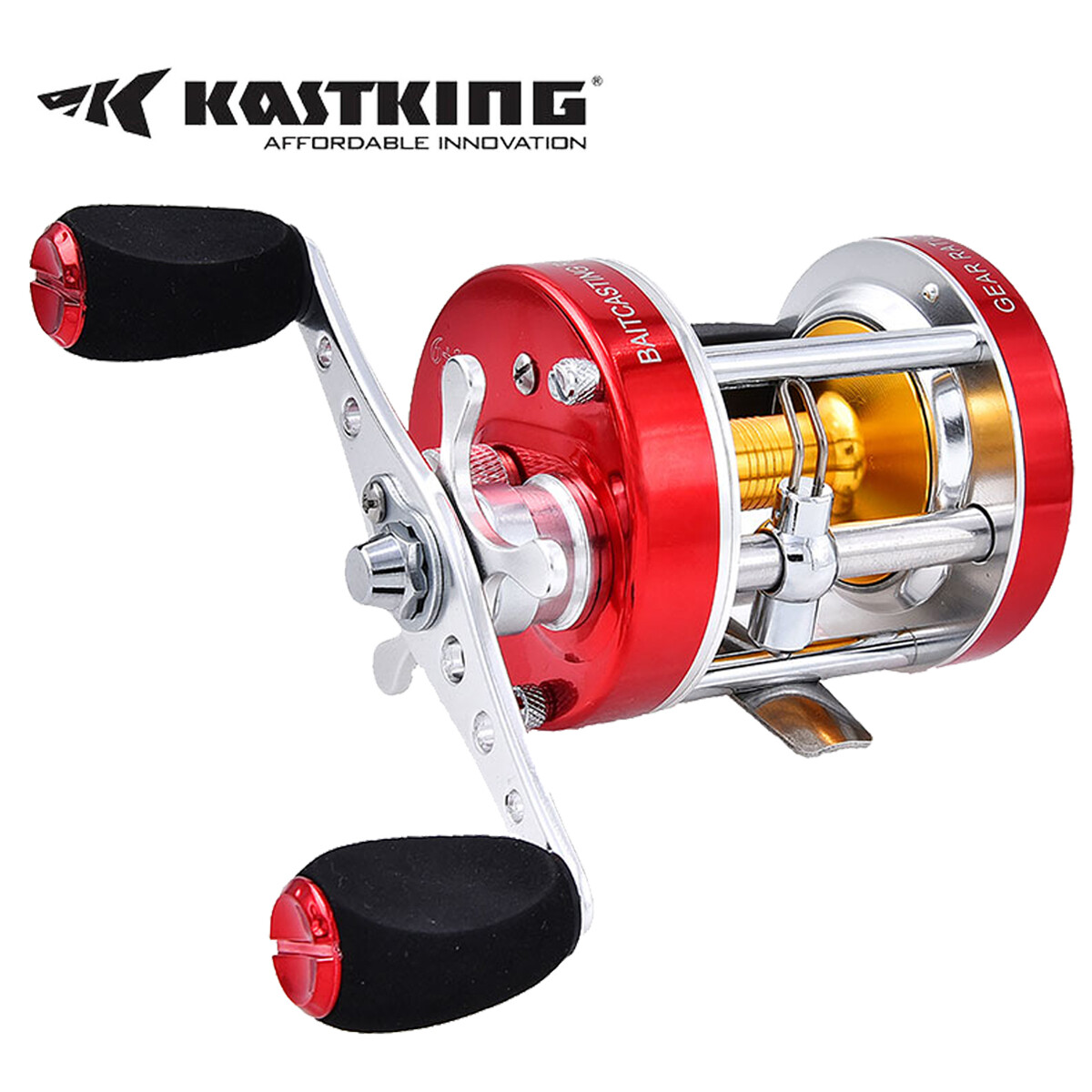 KastKing Rover Conventional Reel Round Saltwater Baitcast Fishing Reel Metal$49.99View on eBay
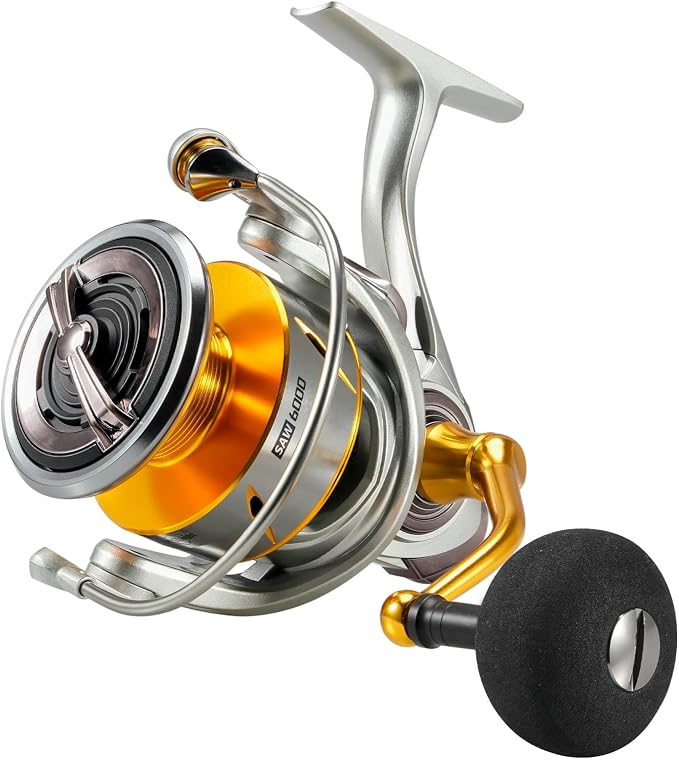 High-Speed Saltwater And Freshwater Spinning Fishing Reel With Gear Ratio, Maximum Drag, Smooth Retrieval System, And Durable Design For Versatile$195.99View on Mallflare
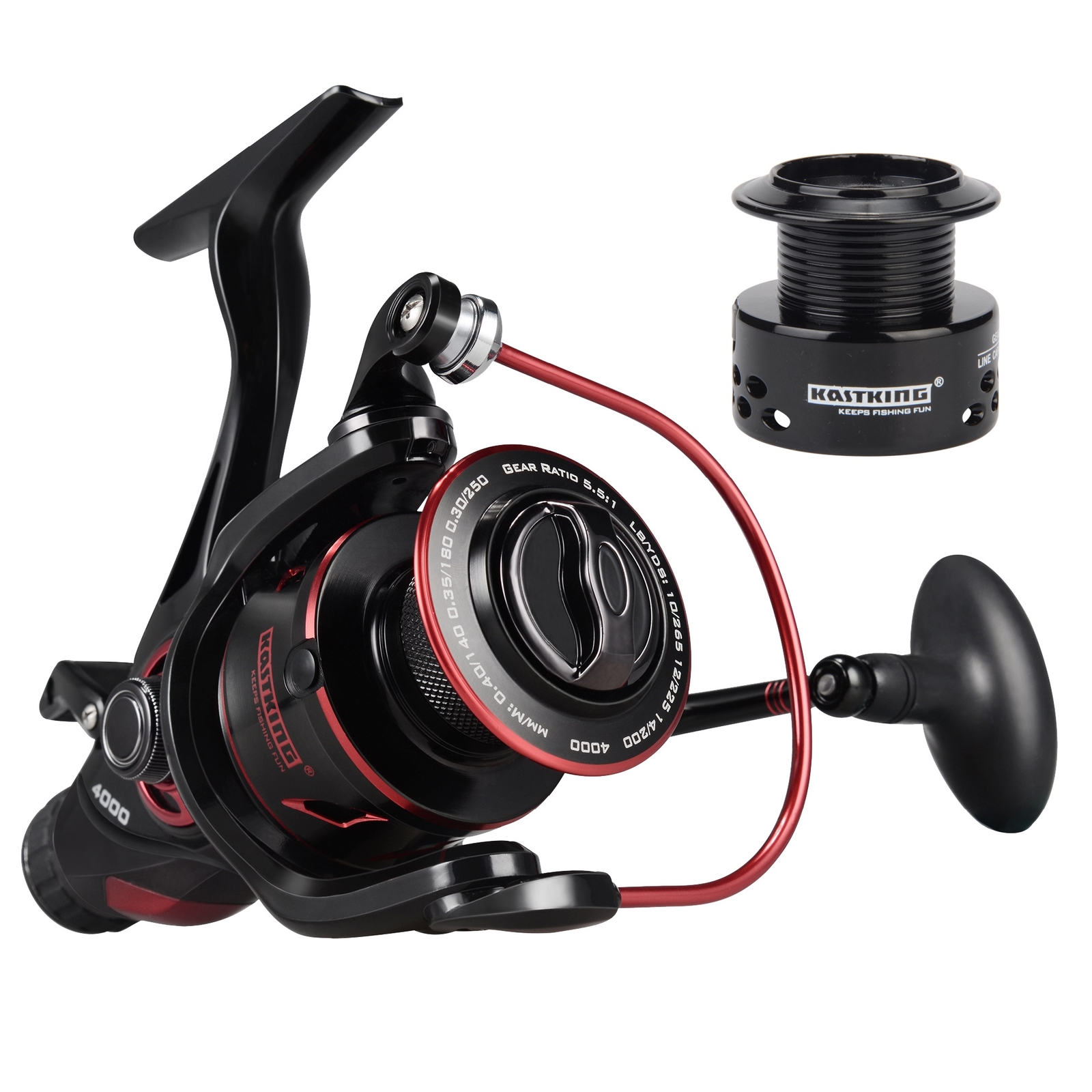 KastKing Spinning Reels All Models Freshwater & Saltwater Bass Fishing Reel US$53.99View on eBay
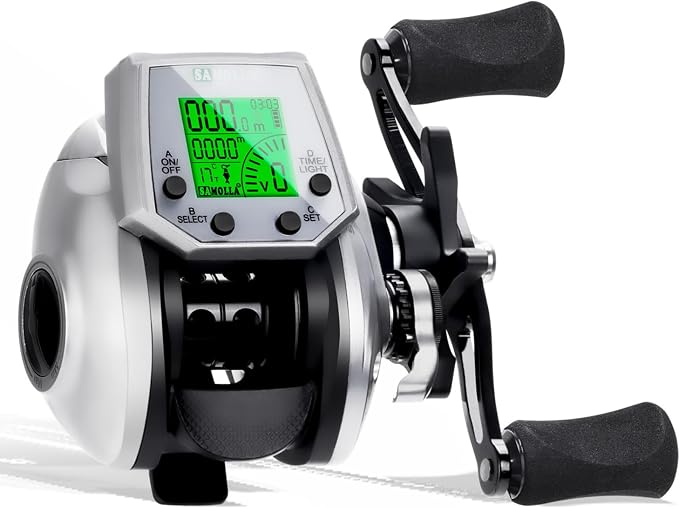 Digital Line Counter Baitcasting Fishing Reel With LCD Display,Ball Bearings, 22 Lb Maximum Drag, Gear Ratio, Ultralight Compact Design For Freshwater And Saltwater$207.99View on Mallflare
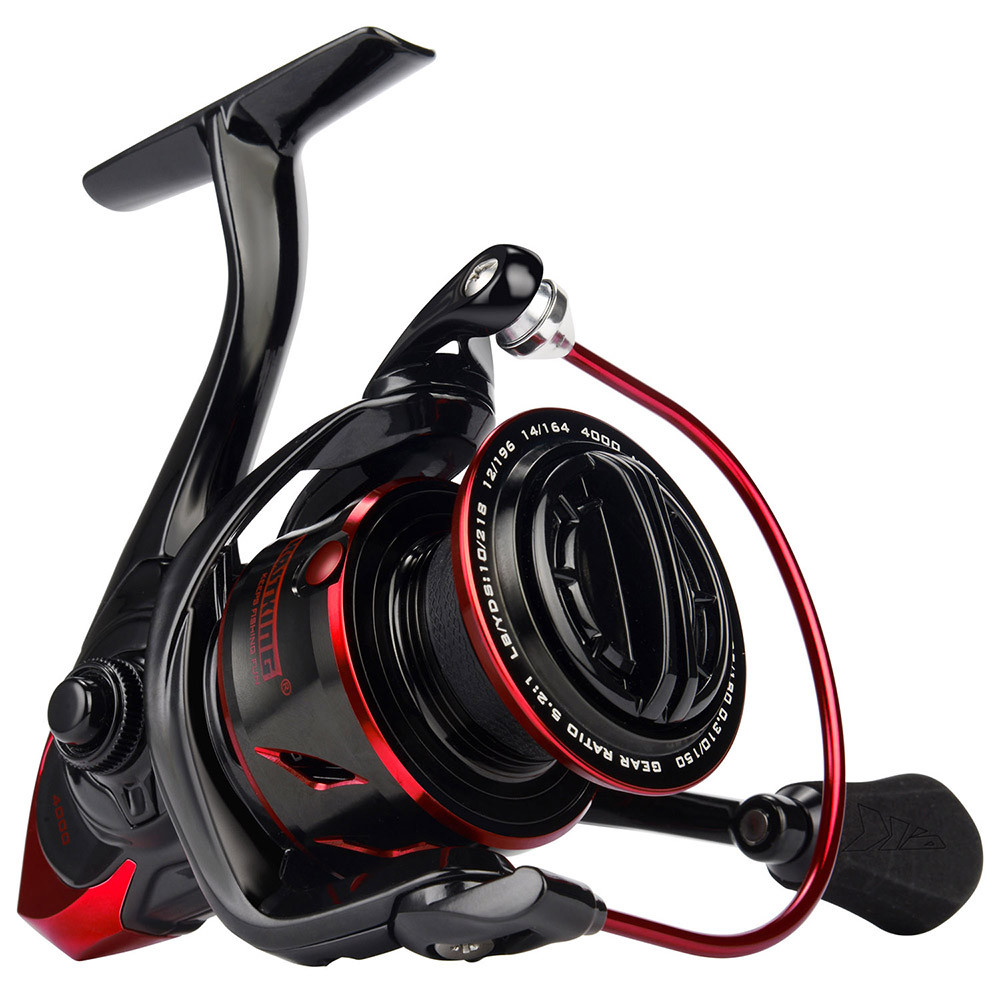 KastKing Sharky III Spinning Reel Saltwater/Freshwater Fishing Reel 39.5 LB US$60.99View on eBay
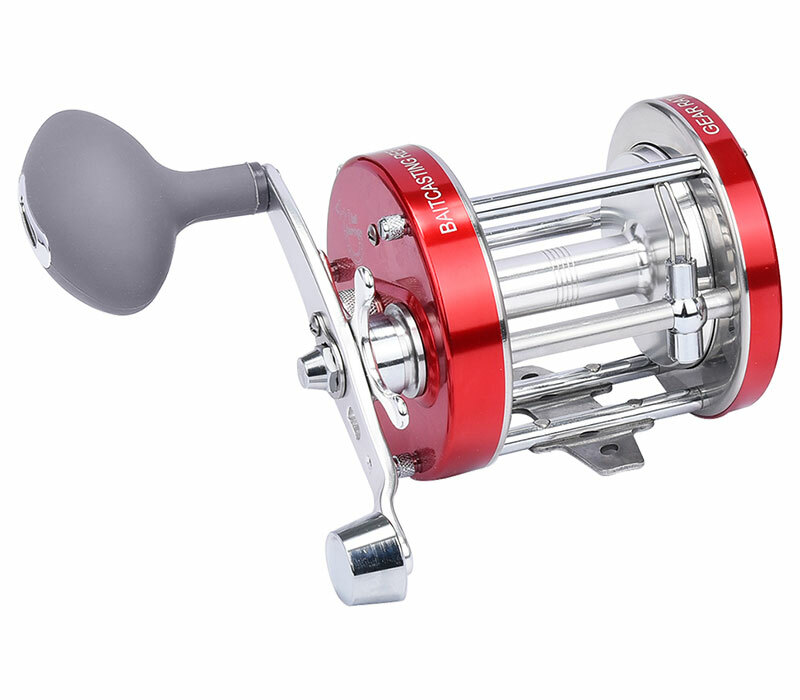 KastKing Rover90R Saltwater Trolling Reel Baitcaster Reel Conventional Reel 30lb$65.59View on eBay
Highlights
- Full metal (aluminum/alloy) body and rotor resist flex under drag; plastic or graphite frames distort and bind at high settings.
- Sealed stainless-steel bearings and a water-resistant drag washer stack are what separate saltwater-rated reels from freshwater reels with saltwater marketing.
- Size classes run roughly 1000–2000 for inshore/light, 3000–5000 for general inshore and surf, 6000–8000 for heavy surf and jigging, and 10000–14000 for big-game surf and boat.
- Gear ratios around 4.8:1–5.2:1 deliver cranking torque for big fish; 6.2:1 and higher favor fast lure retrieval but sacrifice power.
Best use cases
- Best fit: inshore anglers chasing redfish, snook, and sea trout should pick a 3000–4000 size sealed spinning reel with 15–25 lb max drag and a metal body.
- Best fit: surf and pier anglers casting bait long distances should choose a 6000–8000 long-cast spinning reel with 30–40 lb drag and a sealed drag system.
- Best fit: boat anglers targeting big game should step up to a 10000–14000 size reel with 40–50 lb max drag and a rigid aluminum frame.
- Wrong fit: freshwater-only reels with open bearings and graphite frames — they corrode and seize within a season of saltwater use, so skip them entirely for saltwater.
Buying tips
- Match reel size to line: 3000–4000 holds roughly 200+ yards of 20 lb braid, 6000–8000 holds 300+ yards of 30–40 lb braid, and 10000–14000 holds 300+ yards of 50 lb braid.
- Demand sealed stainless-steel bearings — unsealed bearings advertised as '12BB' are a durability red flag, not a premium feature.
- Drag rating should exceed your target fish's peak pull by 30–50%; a 44 lb max-drag reel suits sharks and big rays, not schoolie stripers.
- Choose 4.8:1–5.2:1 for bait and big fish torque; choose 6.2:1+ only for fast artificial lure fishing where power matters less.
Specs
| Reel Size | 1000–14000 (inshore to big game) |
|---|---|
| Body Material | Full aluminum/alloy vs plastic/graphite |
| Bearing Type | Sealed stainless vs open standard |
| Max Drag | 15–50 lb by size class |
Related searches
What to check before buying
- Measure your rod's reel seat and match reel foot size — a 14000-size reel will not seat securely on a light inshore rod.
- Confirm your rod's line rating and guide size can handle the reel's spool diameter and the braid weight you plan to run.
- Check that the reel is explicitly rated for saltwater with sealed drag and corrosion-resistant coating, not just labeled 'freshwater/saltwater'.
- Verify the handle is interchangeable left/right if you reel with your non-dominant hand, and that the spool has enough capacity for your typical cast distance.
FAQ
Data sources: eBay / Amazon listings and product attribute feeds Data updated Nov 16, 2026.
Some links on this page are affiliate links. If you buy after clicking one, we may earn a commission at no extra cost to you. This does not change which products appear here or their order. Affiliate disclosure.