Photos from current listings. Actual item, color, and included accessories may vary.
Shimano Reel Buying Guide
Shimano reels span spinning and casting designs, with the core trade-off being body material and drag/gear architecture: plastic-bodied entry reels flex under load, while aluminum or composite frames with cold-forged gears hold up. The decision rule is simple: match reel size and gear ratio to your target species and lure weight, and step up to a metal frame if you fish braid or fight fish over a few pounds.


At a glance
- Category
- Fishing Reels
- Data updated
- Nov 16, 2026
Current offers
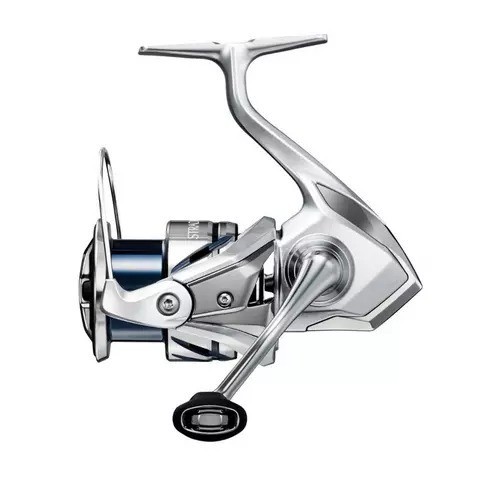 Shimano Stradic Fishing Spinning Reel - ST2500HGFM Rato 5.8:1 2500HGFM NEW$149.99
 View on eBay
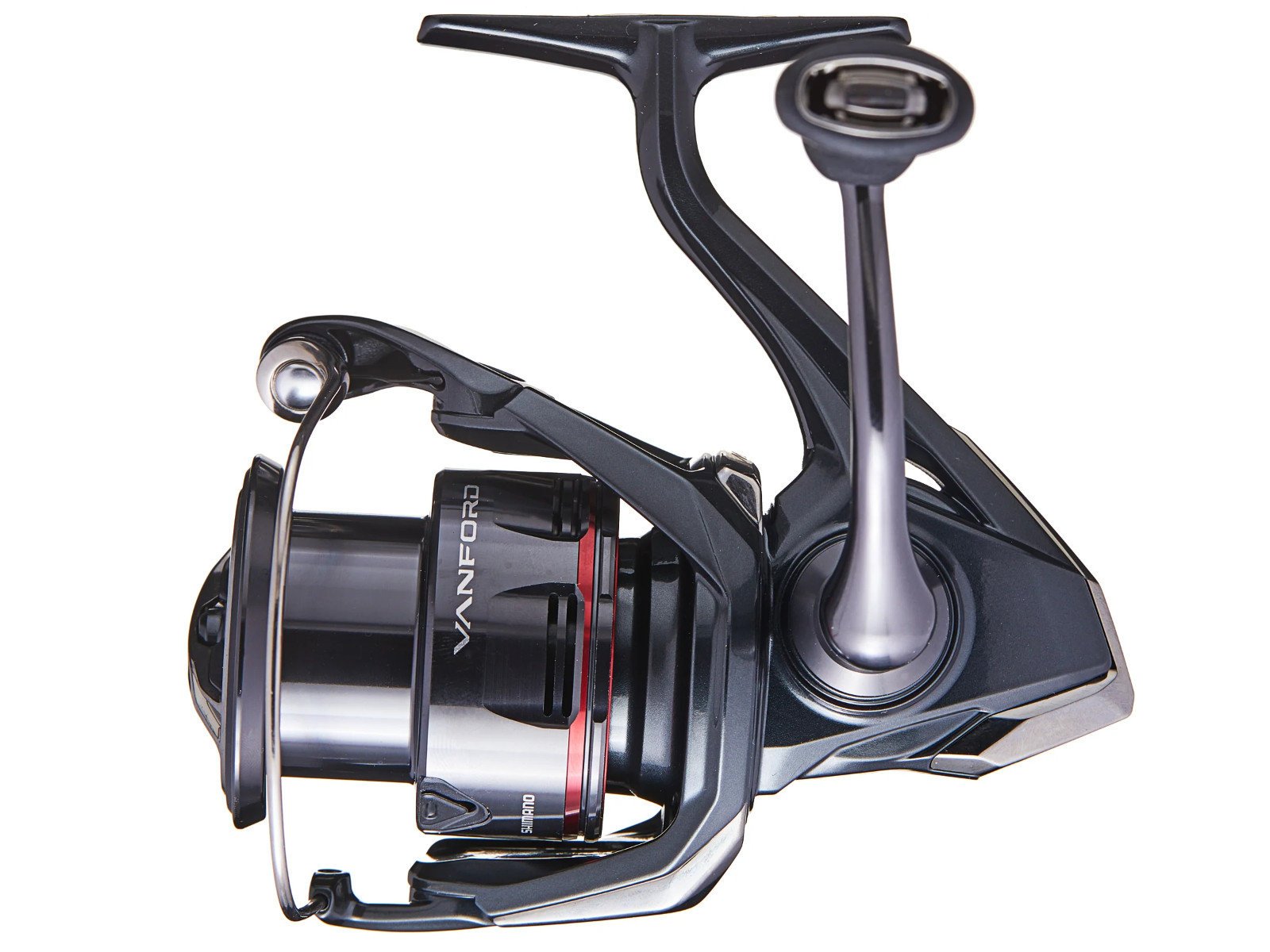 Shimano Vanford FA Spinning Reels - Reel Size: 4000XG - Flash Sale.$170.28View on eBay
- Shimano Vanford FA Spinning Reels - Reel Size: C3000XG - Flash Sale.$170.28View on eBay
- Shimano Vanford FA Spinning Reels - Reel Size: C5000XG - Flash Sale.$170.28View on eBay
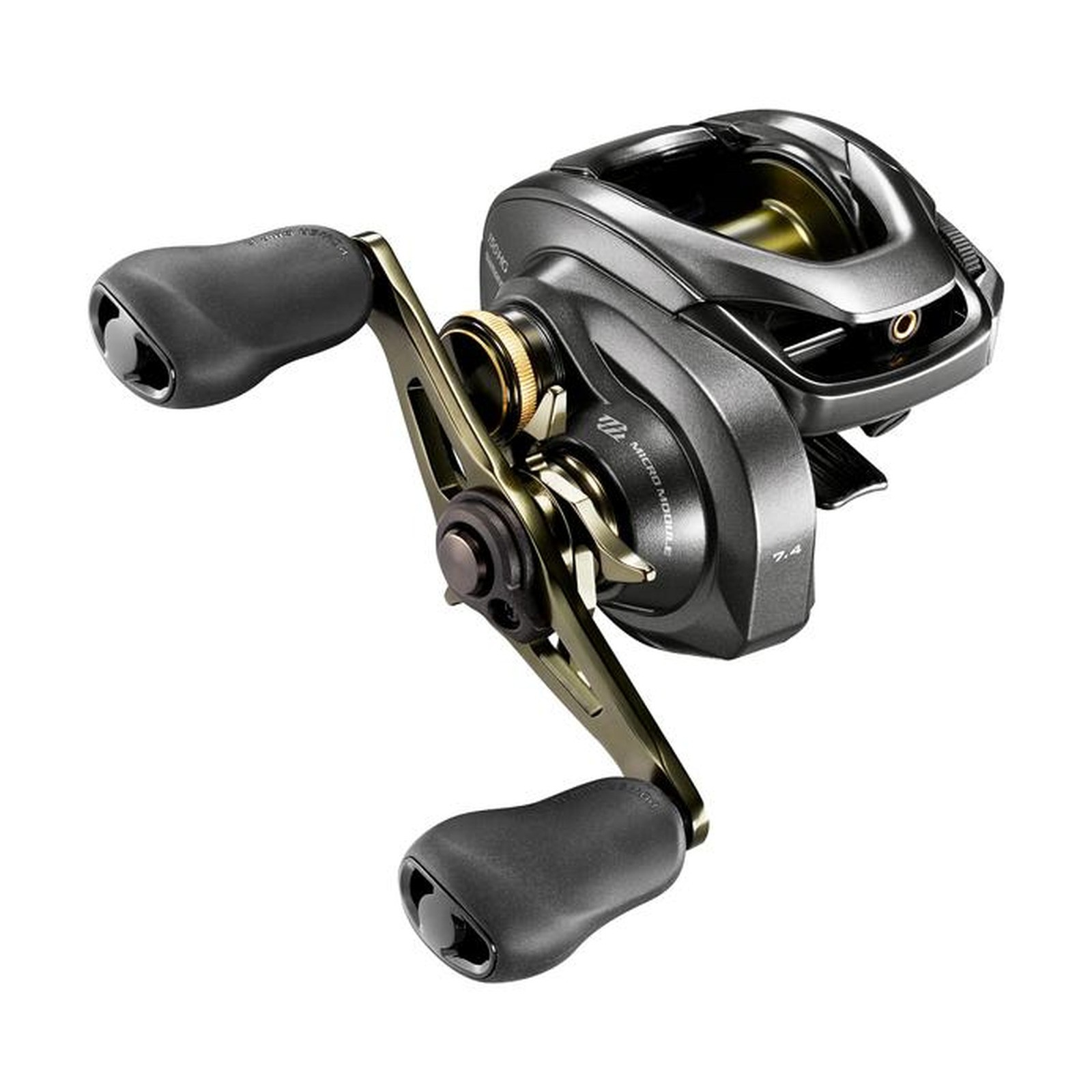 Shimano Curado DC Casting Reel - Choose LH or RH & Ratio$215.00View on eBay
Highlights
- Spinning sizes follow a numeric scale (1000–5000+): 1000–2500 for light freshwater and finesse, C3000–4000 for general inshore and bass, C5000+ for surf and heavy saltwater.
- Gear ratio sets inches per turn: 5.8:1–6.2:1 for cranking power and deep cranks, 7.1:1–8.5:1 for fast retrieves and working soft plastics.
- Shimano's cold-forged Hagane gears and Hagane body resist torque flex better than plastic-bodied reels, which distort and lose smoothness under braid tension.
- Casting reels split into DC (digital brake control) for backlash-resistant distance and conventional centrifugal/magnetic models for angler-controlled tuning.
Best use cases
- Freshwater bass and trout: pick a 2500 spinning reel (e.g., Stradic 2500HG) with 6.0:1–6.2:1 ratio and 10–15 lb braid; skip 1000-size unless fishing ultralight lures under 1/8 oz.
- Inshore saltwater and surf: choose a 4000–5000 size with sealed drag and aluminum frame (Vanford 4000XG/C5000XG); skip plastic-body reels that corrode and flex under 20+ lb braid.
- Baitcasting for bass and pike: use a Curado DC with digital braking for wind-resistant distance; skip DC if you routinely thumb the spool and prefer manual brake tuning.
Buying tips
- Match reel size to lure weight: 1000–2500 for 1/16–3/8 oz, 3000–4000 for 3/8–1 oz, 5000+ for 1–4 oz surf lures and bait.
- Choose gear ratio by technique: 5.8:1–6.2:1 for crankbaits and deep divers, 7.1:1–8.5:1 for jigs, Texas rigs, and fast topwater.
- Verify line capacity against your braid: a 2500 typically holds 150 yd of 10 lb braid; a 4000 holds 150–200 yd of 20 lb — undersizing risks spooling a running fish.
- Prefer cold-forged aluminum or Hagane composite bodies over plastic for any braid use; plastic frames flex and misalign gears under sustained drag pressure.
Specs
| Reel Type | Spinning / Baitcasting / DC |
|---|---|
| Body Material | Plastic / Composite / Aluminum |
| Gear Ratio | 5.8:1–8.5:1 |
| Reel Size | 1000–5000+ spinning; 70–200 casting |
Related searches
What to check before buying
- Confirm rod power and line rating align with reel size: a 2500 pairs with medium-light/medium rods rated 6–12 lb, a 4000 with medium-heavy 10–20 lb.
- Check drag maximum against target species: 2500 reels typically deliver 8–11 lb max drag, 4000 reels 11–24 lb — enough for inshore species but not large pelagics.
- Match casting reel handedness (left vs right retrieve) to your dominant hand and confirm the model offers both LH and RH options.
- For saltwater, verify the reel is rated for saltwater use with sealed drag and corrosion-resistant bearings; freshwater-only models degrade quickly in salt.
FAQ
Data sources: eBay / Amazon listings and product attribute feeds Data updated Nov 16, 2026.
Some links on this page are affiliate links. If you buy after clicking one, we may earn a commission at no extra cost to you. This does not change which products appear here or their order. Affiliate disclosure.