Photos from current listings. Actual item, color, and included accessories may vary.
Fishing Rod Buying Guide
Fishing rods are lever-and-line systems where blank material, power rating, and guide quality determine casting distance, hook-setting authority, and saltwater longevity. The core trade-off is carbon content versus durability: higher-modulus carbon (IM8-IM10) is lighter and more sensitive but brittle, while fiberglass and IM6 blends flex further and survive abuse. The decision rule is simple: match rod power and action to your lure weight and target species, then pick guide trains (stainless frame + ceramic insert) and piece count based on transport and corrosion exposure.

At a glance
- Category
- Fishing Rods
- Data updated
- Nov 16, 2026
Current offers
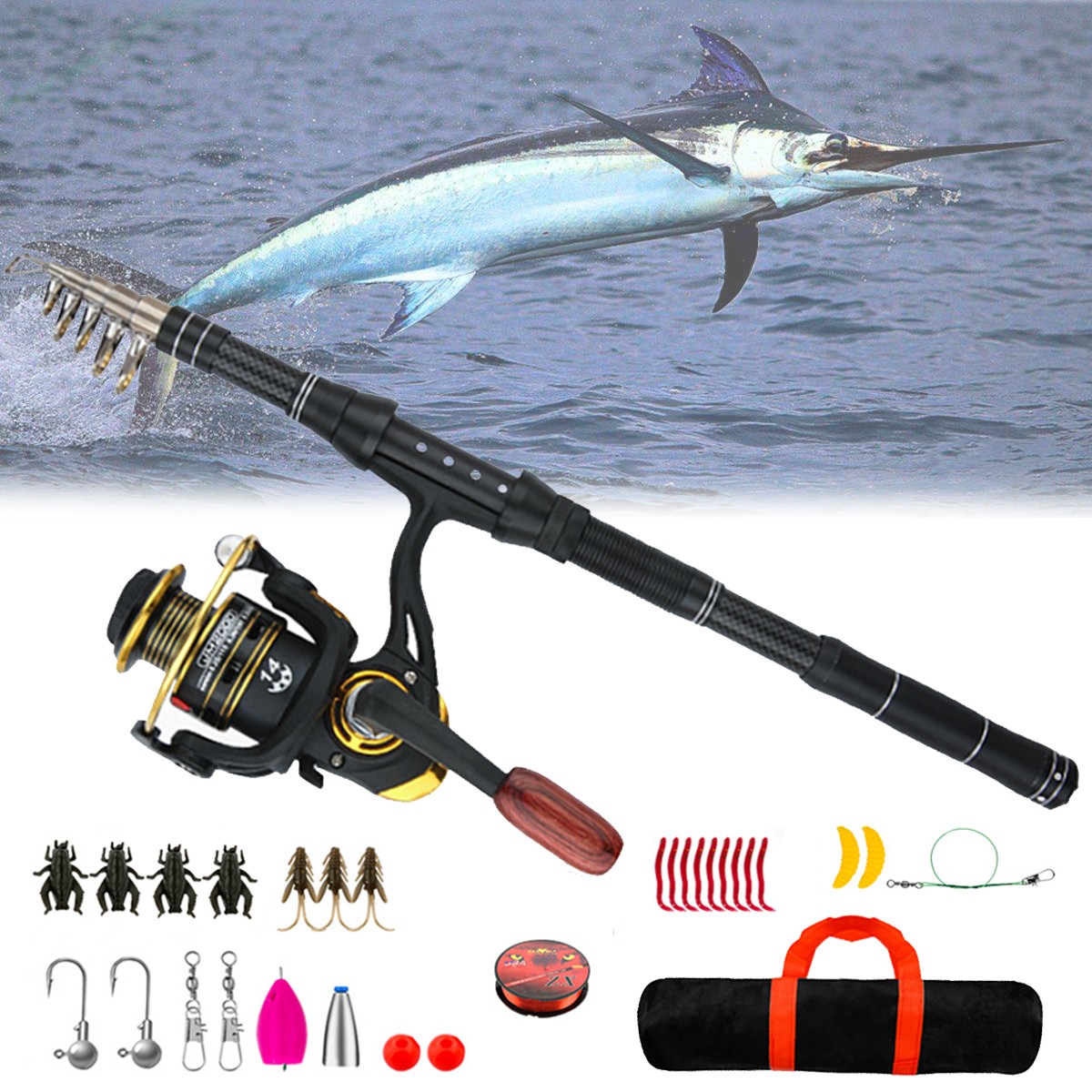 Carbon Fiber Telescopic Fishing Rod Pole Reel Combo Sea Saltwater Freshwater$27.90
 View on eBay
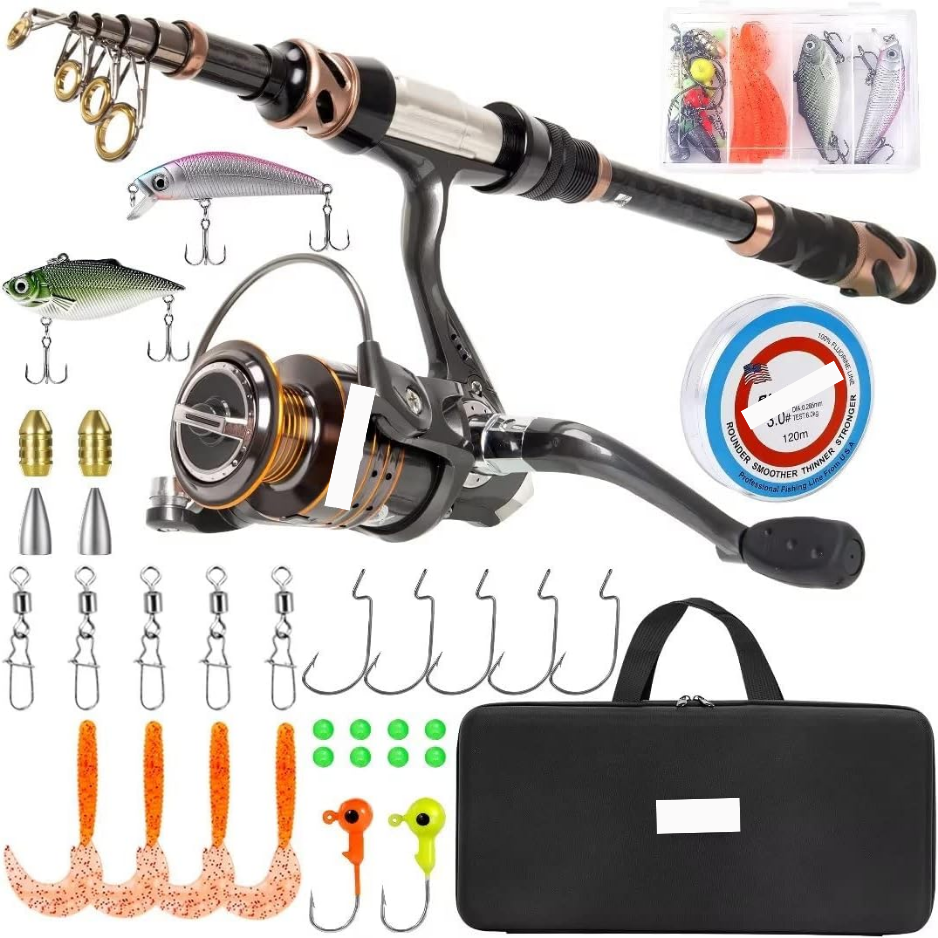 Telescopic Carbon Fiber Fishing Rod & Spinning Reel Combo$145.99
 View on Mallflare
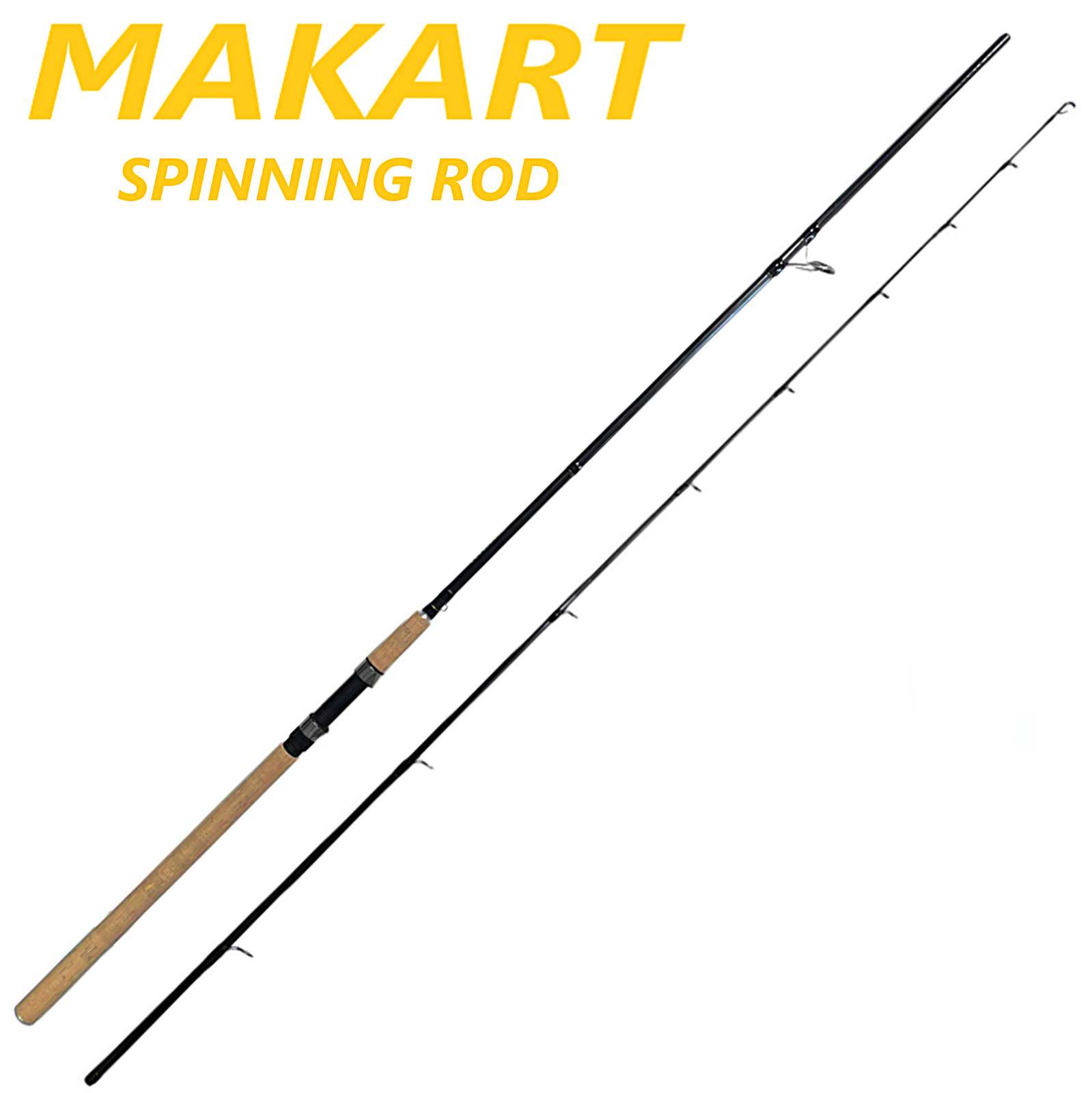 9ft Fishing Rod Spinning Pole Carbon Fiber Reel Combo line Heavy Fast 2 section$67.99View on eBay
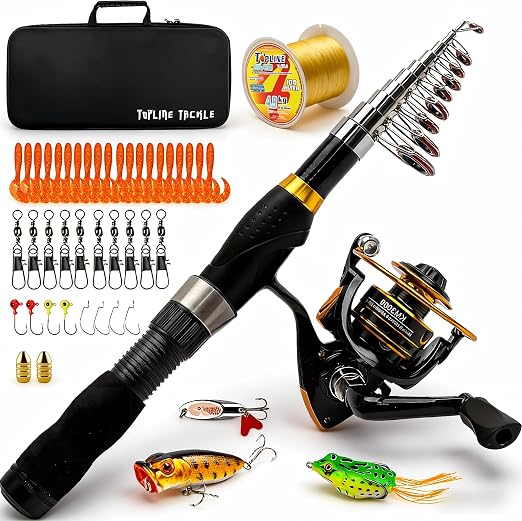 Collapsible Telescopic Fishing Rod And Reel Combo, Portable Retractable Pole Set For Freshwater And Saltwater Travel, And Outdoor$151.99View on Mallflare
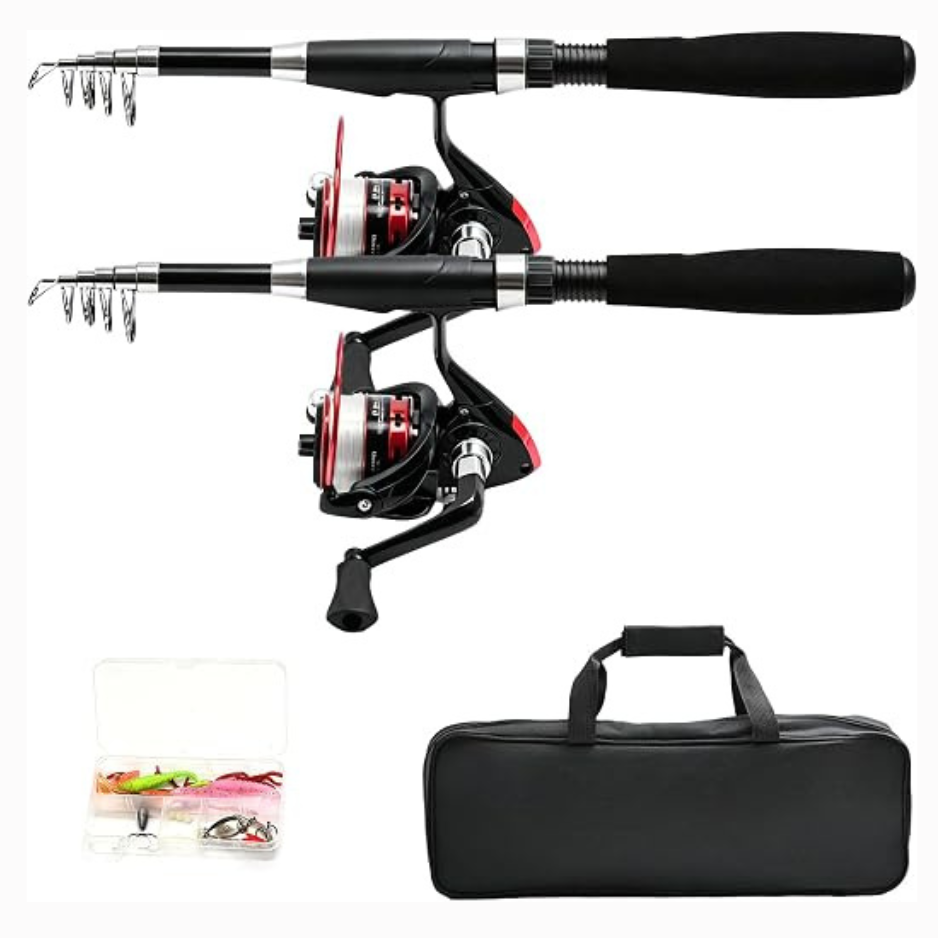 2-Piece 5.9-Foot Telescopic Carbon Fiber Fishing Rod And Reel Combo Set, Portable Collapsible Poles For Saltwater And Freshwater$187.99View on Mallflare
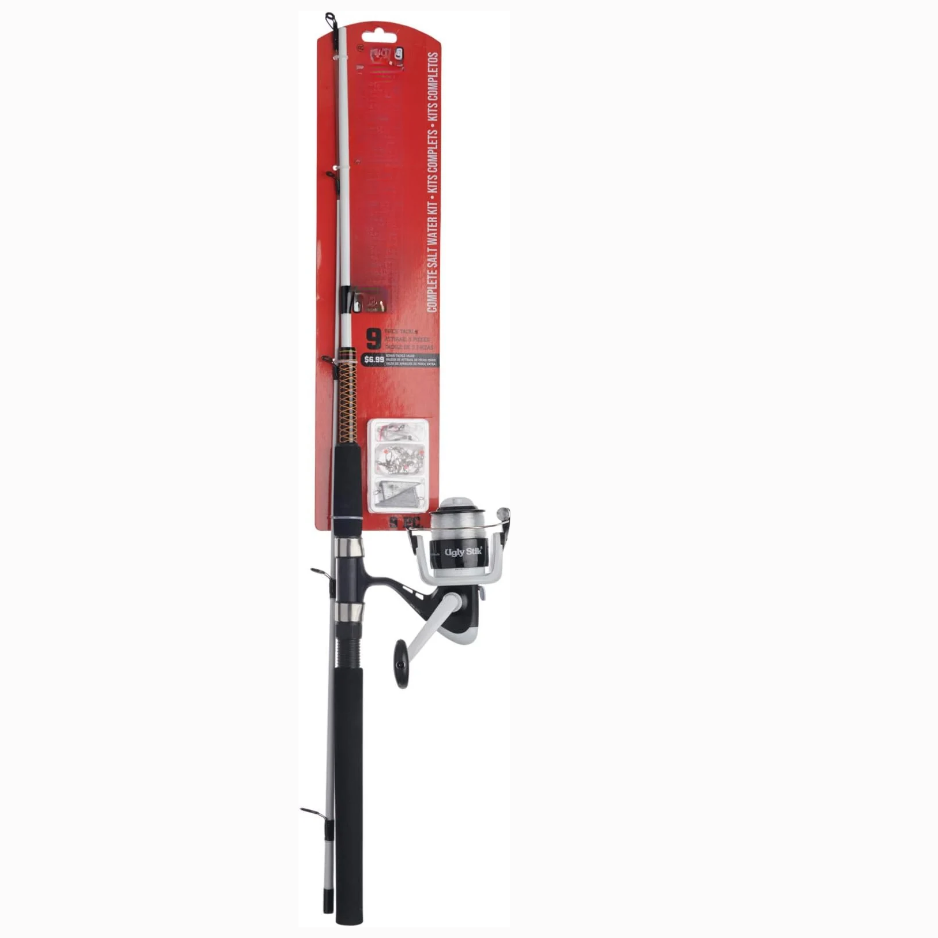 Complete Spincast Fishing Rod And Reel Kit, Durable Pole With Pre-Spooled For Beginners And Experienced Anglers, Suitable For Freshwater$196.99View on Mallflare
Highlights
- Blank material drives sensitivity and weight: fiberglass flexes deep and survives impact; IM6-IM7 carbon balances cost and feel; IM8-IM10 is lightest and crispest but chips under hard knocks.
- Rod power (ultralight through heavy) must bracket your lure weight; a rod rated 1/32-1/4 oz will overload and snap if you throw 1/2 oz lures or heavy sinkers.
- Guide trains are stainless frames with ceramic inserts (aluminum oxide, SiC, or zirconia); cheap unlined or chromed-steel guides rust and groove under braided line in saltwater.
- Piece count changes portability and feel: 1-piece casts most accurately, 2-piece travels easily, and telescopic rods collapse short but add dead weight and guide misalignment risk.
Best use cases
- Freshwater bass and panfish: pick a 6.5-7 ft 2-piece medium-power fast-action spinning rod (IM7 carbon, stainless/SiC guides); skip heavy-power broomsticks that kill lure feel.
- Saltwater surf and inshore: choose a 9-10 ft 2-piece heavy-power rod with sealed stainless guides and a reel seat rated for salt; skip unlined telescopic combos that corrode within a season.
- Travel and truck/garage storage: a telescopic or 2-piece 5.5-7 ft rod collapses to pack length; skip full 1-piece rods longer than your cab or locker unless you have vertical storage.
- Mini/compact fishing: ultralight telescopic rods (4-5 ft collapsed) suit backpacking and dock hopping; skip them for distance casting or fish over 3 lb because of limited power and guide alignment.
Buying tips
- Match lure weight to power: ultralight (1/32-3/16 oz), light (1/16-1/4 oz), medium (1/4-5/8 oz), medium-heavy (3/8-1 oz), heavy (3/4-4 oz). Stay inside the printed range to avoid blank failure.
- For saltwater, insist on stainless-steel frames with ceramic inserts and a graphite or sealed reel seat; chromed guides and painted blanks fail fast in salt spray.
- Piece count rule: 1-piece for accuracy and durability, 2-piece for travel (look for a reinforced ferrule), telescopic only when collapsed length must be under 24-30 inches.
- Line-to-guide compatibility: braided line needs smooth ceramic inserts (SiC or zirconia) to prevent grooving; monofilament tolerates aluminum oxide but check inserts for cracks.
Specs
| Blank Material | Fiberglass / IM6-IM10 carbon |
|---|---|
| Rod Power | Ultralight to Heavy (1/32-4 oz) |
| Guide Type | Stainless frame + ceramic insert |
| Piece Count | 1-piece / 2-piece / telescopic |
Related searches
What to check before buying
- Measure your transport space: cab, trunk, rod locker, or garage rack — collapsed or 2-piece length must fit with guides protected; 1-piece rods need vertical or diagonal clearance.
- Confirm target lure and line weight ranges are printed on the blank and fall inside your planned fishing style; overloaded rods snap at the ferrule or mid-blank.
- For saltwater, verify guide frames are stainless and inserts are ceramic; rinse and dry after every trip and avoid storing wet in a closed tube.
- Check reel seat size and type (spinning vs casting) matches your reel foot; a loose or mismatched seat causes wobble and line slap under load.
FAQ
Data sources: eBay / Amazon listings and product attribute feeds Data updated Nov 16, 2026.
Some links on this page are affiliate links. If you buy after clicking one, we may earn a commission at no extra cost to you. This does not change which products appear here or their order. Affiliate disclosure.