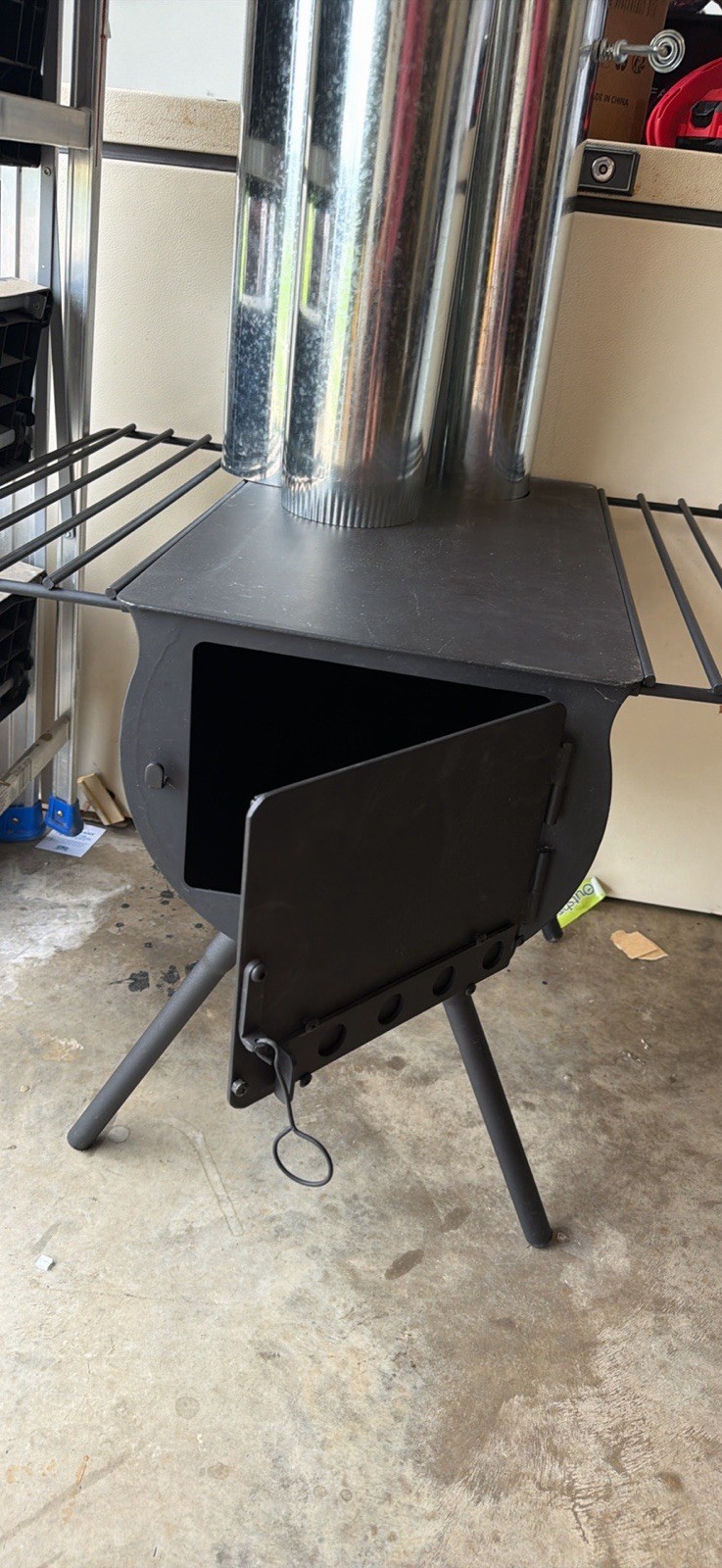
 Product media
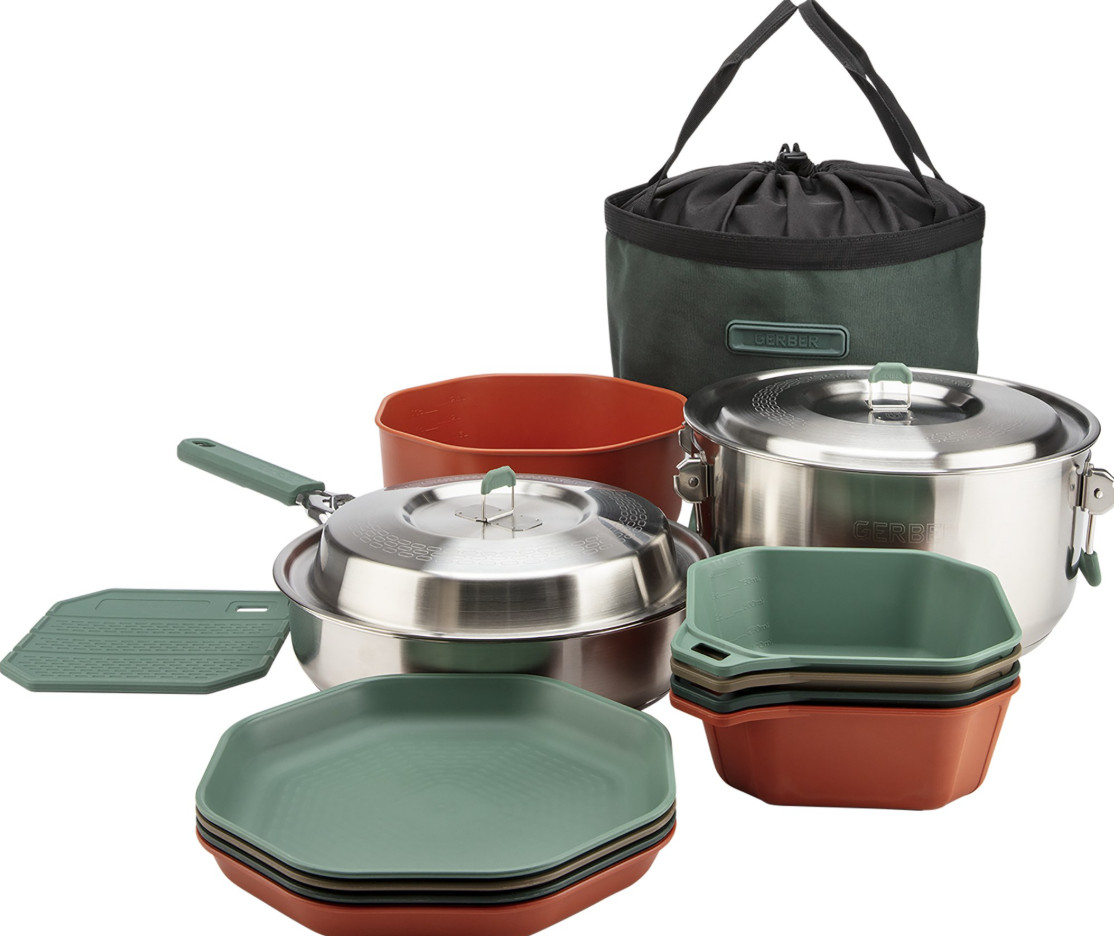
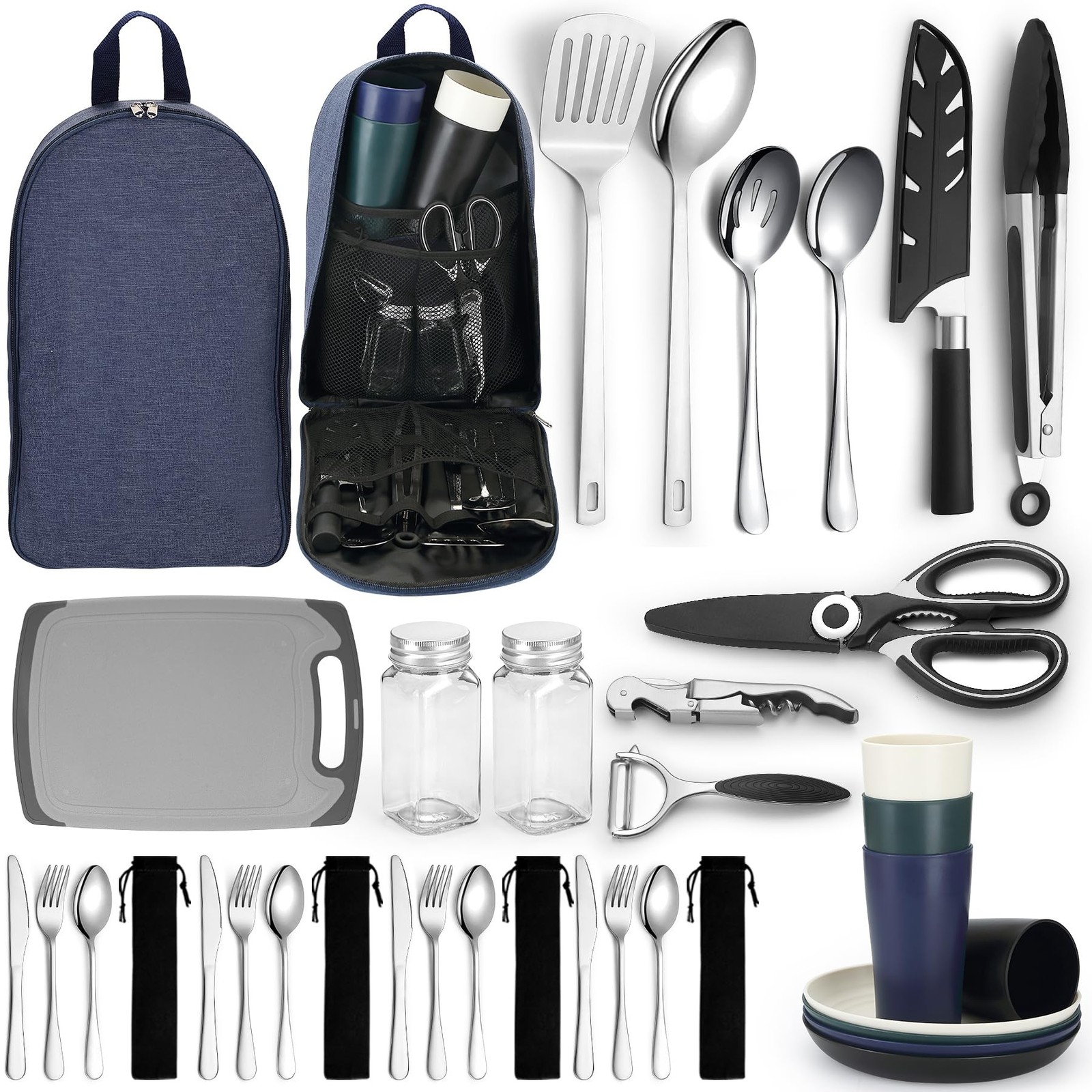
Photos from current listings. Actual item, color, and included accessories may vary.
Alpine Camping Stove Buying Guide
An alpine camping stove is a compact, high-output burner system engineered for cold-weather backcountry use, where the key trade-off is between canister gas simplicity and liquid-fuel reliability in sub-freezing temperatures. Durable alpine stoves use sealed fuel lines, wind-blocking burner heads, and integrated heat exchangers, while compromises rely on exposed jets and thin pot supports that fail in wind or cold. The clear decision rule: choose a canister stove with a preheat coil or a white-gas stove for temps below freezing, and skip any stove that cannot accept a windscreen or lacks a sealed fuel path.



At a glance
- Brand
- Not synced yet
- Model
- Not synced yet
- MPN
- Not synced yet
- Price range
- Price range not synced yet
- Category
- Camp Kitchen & Stoves
- Status
- No verified offers
- Data updated
- Nov 16, 2026
Current offers
Highlights
- Canister stoves lose pressure below 32°F (0°C) unless they use an inverted canister with a preheat coil, which vaporizes liquid gas for reliable cold-weather output.
- White-gas and multi-fuel stoves deliver consistent BTUs down to -20°F because the fuel is pressurized manually and vaporized through a generator tube, not dependent on canister pressure.
- Integrated stove systems with a heat-exchanger pot and windscreen cut boil times by 30-50% and reduce fuel use, but lock you into a proprietary pot and burner combination.
- Burner head diameter and jet orifice size determine wind resistance: a wider head with a recessed jet and a stamped windscreen base resists gusts far better than exposed pencil burners.
Best use cases
- Best fit: sub-freezing alpine starts and snow-melt water — pick a white-gas or inverted-canister stove with a preheat coil and a full windscreen; skip standard upright canister stoves that falter below 32°F.
- Best fit: fast-and-light summer alpine climbing — choose a titanium canister stove under 3 oz with a piezoelectric igniter and a folding pot support; skip multi-fuel stoves that add 1 lb and require priming.
- Best fit: basecamp cooking for two to four people — select a stove with a 10,000-12,000 BTU burner and a 1.5-2 L pot capacity; skip micro stoves with 4 oz fuel capacity that require constant canister swaps.
- Wrong fit: car camping and family basecamps — a two-burner propane stove with a regulated hose is cheaper, more stable, and far easier to cook real meals on than any alpine stove.
Buying tips
- Match stove type to lowest expected temperature: canister stoves work above 32°F, inverted canister with preheat coil to about 15°F, and white-gas stoves to -20°F; choose accordingly.
- Weigh fuel per boil: a 100 g canister boils roughly 10-12 L in mild conditions but only 5-7 L in cold wind; carry 1.5× the fuel you calculate for alpine trips.
- Check pot support diameter against your pot base: supports narrower than 4.5 in (11 cm) tip with 1.5 L pots; choose a stove with folding arms spanning at least 5 in (13 cm).
- Require a sealed fuel line and O-ring connections: exposed rubber hoses and push-fit jets leak at altitude and in cold; threaded Lindal-valve canisters and metal-to-metal joints are the durable standard.
Specs
| Fuel Type | Canister / White gas / Multi-fuel |
|---|---|
| Cold Rating | 32°F canister / 15°F inverted / -20°F white gas |
| Burner Output | 8,000-12,000 BTU (2.3-3.5 kW) |
| Packed Weight | 3 oz micro to 1.5 lb multi-fuel |
Alternatives to compare
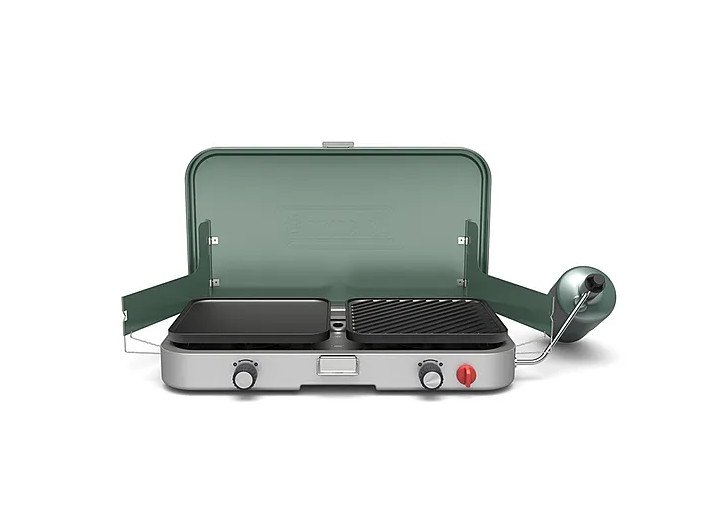

Related searches
What to check before buying
- Measure your pot base diameter and confirm the stove's folded support span exceeds it by at least 0.5 in (1.3 cm) for stability on uneven alpine ground.
- Confirm fuel compatibility: Lindal threaded canisters (EN 417) for canister stoves, or white gas/Coleman fuel for liquid-fuel stoves; unleaded auto gas only in multi-fuel models rated for it.
- Check packed size and weight against your pack volume: integrated systems pack to about 4.5 in diameter, while multi-fuel stoves with pump and bottle take 8×5 in or more.
- Verify ignition and windscreen compatibility: piezoelectric igniters fail in wet cold, so carry a ferrocerium striker; only use windscreens designed for your stove to avoid overheating the canister.
FAQ
Data sources: eBay / Amazon listings and product attribute feeds Data updated Nov 16, 2026.
Some links on this page are affiliate links. If you buy after clicking one, we may earn a commission at no extra cost to you. This does not change which products appear here or their order. Affiliate disclosure.