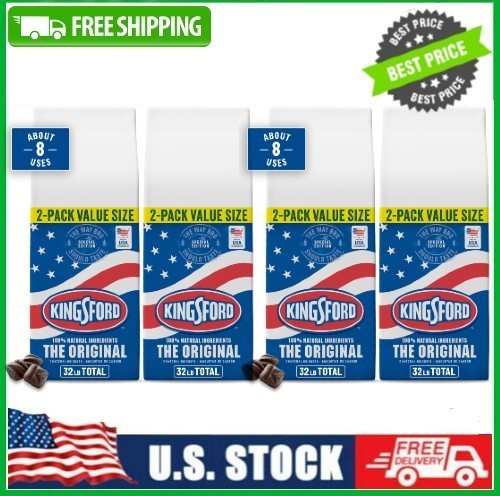

Photos from current listings. Actual item, color, and included accessories may vary.
Bbq Briquette Buying Guide
BBQ briquettes are compressed charcoal or carbonized biomass blocks engineered for consistent heat, predictable burn time, and uniform bed geometry in kettle and barrel grills. The core trade-off is between cheap lignite/char filler briquettes that ash heavily and low-ash, high-carbon or all-wood briquettes that cost more but deliver cleaner flavor and longer holds. The decision rule: buy briquettes with a stated carbonized-wood or hardwood char base and low ash content if you cook low-and-slow or sear directly; skip mineral-carbon or borax-heavy budget briquettes unless you are burning them in a dedicated chimney starter for high-volume, short grilling.


At a glance
- Category
- BBQ Fuels & Smoking Wood
- Data updated
- Nov 16, 2026
Current offers
Highlights
- Composition matters more than shape: premium briquettes use carbonized hardwood char with a starch binder, while budget briquettes add lignite coal and limestone filler that raise ash output and shorten usable burn.
- Briquette density and press pressure determine burn time; denser, pillow-shaped briquettes hold heat 30-50% longer than loose, dusty briquettes of the same weight.
- Standard 16-lb bags are the industry unit for kettle grills; a 22-inch kettle needs roughly 5-6 lbs of briquettes for a 2-zone sear and 3-4 lbs for a low-and-slow ring.
- Briquettes are sized for chimney starters and grill grates, not for gravity-fed or pellet hoppers; match fuel form to your cooker architecture before buying in bulk.
Best use cases
- Best fit: kettle or barrel grill owners doing low-and-slow ribs or pork shoulder — choose low-ash, all-wood or hardwood-char briquettes for steady 225-275°F holds.
- Best fit: high-volume direct grilling for burgers and brats — standard carbonized briquettes in a chimney starter deliver reliable medium-high heat with predictable ash.
- Wrong fit: pellet grill, gravity-fed charcoal smoker, or kamado owner — briquettes are the wrong fuel form; use pellets, lump charcoal, or extruded charcoal logs respectively.
- Wrong fit: buyers wanting instant-light convenience for frequent small cooks — match-light briquettes carry accelerant odor and uneven ignition; use a chimney starter with plain briquettes instead.
Buying tips
- Buy by weight and ash rating: a 16-lb bag yields roughly 6-8 chimney loads; low-ash briquettes (under 8% ash) stretch longer per pound than high-ash budget blends.
- Check the base material on the bag: hardwood-char or carbonized-wood briquettes burn cleaner and hotter than lignite/coal-filler briquettes, which are cheaper but ashier.
- Match bag size to cook frequency: 16-lb bags suit weekly kettle cooks, while 30-40 lb multi-packs or 4-pack 16-lb cases suit competition or high-volume backyard use.
- Avoid briquettes that crumble or shed dust in the bag; dense, hard, uniformly shaped briquettes light more evenly and hold temperature with less babysitting.
Specs
| Fuel Base | Hardwood char vs lignite/coal filler |
|---|---|
| Ash Content | Low-ash <8% vs high-ash budget |
| Standard Bag Size | 16 lb / 7.3 kg per bag |
| Ignition Type | Plain (chimney) vs match-light |
Related searches
What to check before buying
- Measure your grill's charcoal basket or grate area: a 22-inch kettle holds a 2-zone briquette bed of about 60-70 standard briquettes, so size bag replenishment accordingly.
- Confirm your cooker type: briquettes suit kettle, barrel, and offset smokers; kamados and pellet grills need lump or pellet fuel instead.
- Check storage: briquettes must stay dry — a sealed bin or bag clip in a low-humidity space prevents crumbling and slow lighting.
- Plan ignition: a chimney starter and fire starters are required for plain briquettes; match-light briquettes work without a chimney but carry accelerant odor.
FAQ
Data sources: eBay / Amazon listings and product attribute feeds Data updated Nov 16, 2026.
Some links on this page are affiliate links. If you buy after clicking one, we may earn a commission at no extra cost to you. This does not change which products appear here or their order. Affiliate disclosure.