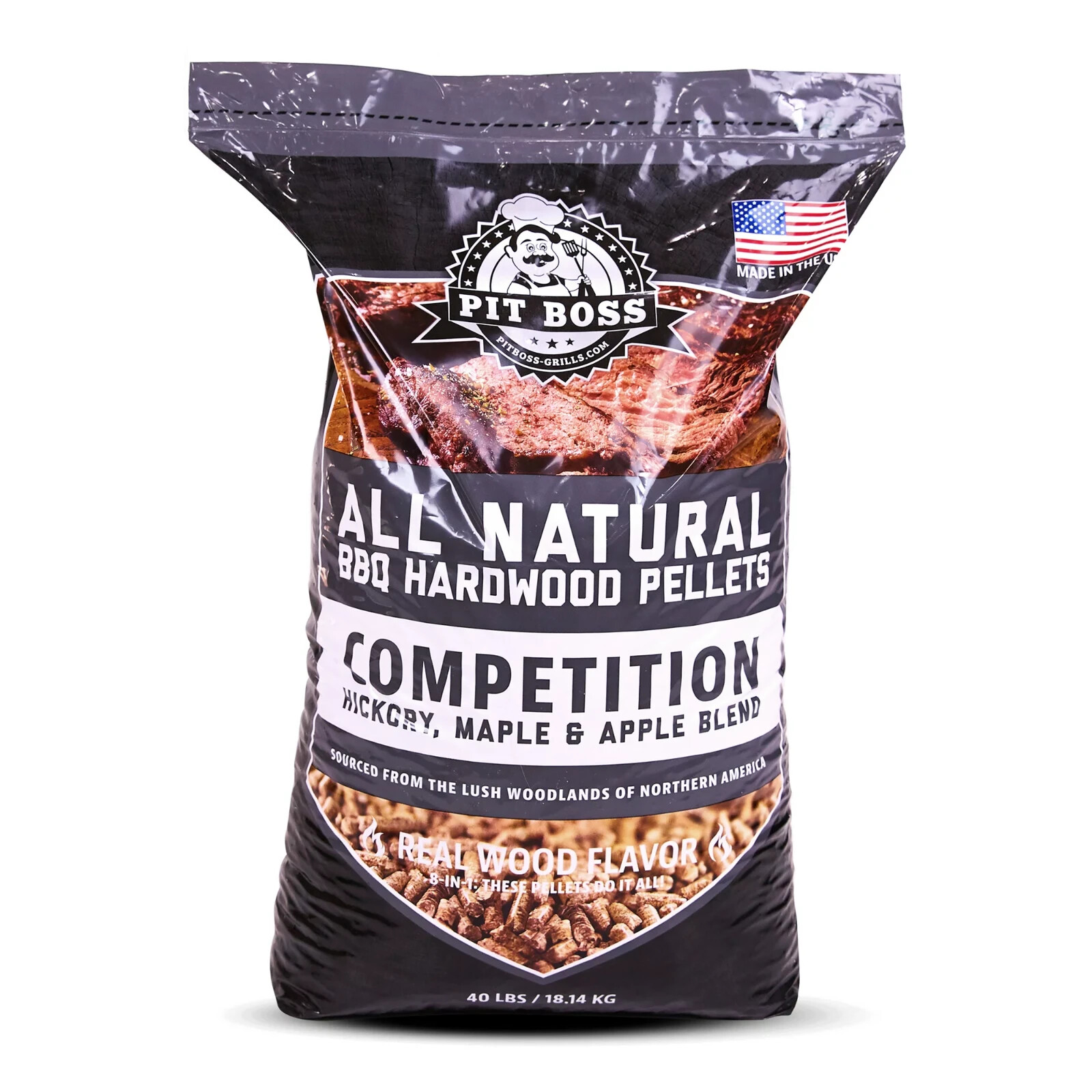

Photos from current listings. Actual item, color, and included accessories may vary.
Bbq Pellet Buying Guide
BBQ pellets are compressed hardwood fuel sized for pellet grills and smokers, where the core trade-off is between pure single-species flavor wood and blended competition pellets that balance burn stability with smoke output. Durable, clean-burning pellets use 100% hardwood with no fillers or binders, while cheap options cut in softwood or agricultural waste that clogs augers and spikes ash. The decision rule: buy certified food-grade hardwood pellets in the 6–8 mm diameter range with low dust and consistent length, and skip any bag that lists oil additives, bark content above 5%, or unspecified 'wood' sources.


At a glance
- Category
- BBQ Fuels & Smoking Wood
- Data updated
- Nov 16, 2026
Current offers
Highlights
- Pellet diameter must be 6–8 mm (1/4 inch) for universal auger fit; longer or thicker pellets bridge and jam in most hoppers.
- 100% hardwood construction with lignin as the natural binder; softwood or bark-heavy blends raise ash above 2% and cause flame-out.
- Competition blends typically mix oak or alder base with hickory, pecan, or mesquite for steady heat plus flavor; single-species bags give purer smoke but wider temp swings.
- Low-dust pellets (under 0.5% fines) feed reliably; high-dust bags foul the auger and require hopper vacuuming every few cooks.
Best use cases
- Best fit: pellet grill owners cooking brisket, pork butt, or ribs low-and-slow — choose a competition blend with oak or alder base for stable 225–275°F holds.
- Best fit: buyers wanting distinct regional flavor — pick single-species hickory for bacon and ribs, mesquite for beef, or pecan for poultry and pork.
- Wrong fit: charcoal or gas grill users — pellets only work in pellet-specific auger grills; do not substitute in kettle or propane setups.
- Wrong fit: cold-smoke-only setups below 150°F — many blends struggle to stay lit; use a dedicated smoke tube with pure hardwood pellets instead.
Buying tips
- Match pellet length to your auger: 6–8 mm diameter and 10–30 mm length is the universal safe range; avoid bags with long or fused pellets.
- Choose 100% hardwood with no oils, binders, or flavorings; bags listing 'wood' generically or including softwood are not food-grade pellet fuel.
- For competition blends, look for a base of oak, alder, or maple with named flavor woods — this gives predictable heat plus smoke.
- Buy in 20–40 lb bags for freshness; pellets absorb moisture, so reseal in an airtight container and use within a few months of opening.
Specs
| Pellet Diameter | 6–8 mm (1/4 in) universal |
|---|---|
| Wood Content | 100% hardwood, no fillers |
| Blend Type | Single-species vs competition blend |
| Ash Output | Under 2% for clean burn |
Related searches
What to check before buying
- Confirm your grill's auger and hopper accept 6–8 mm pellets; some portable models require shorter 10–15 mm lengths.
- Store pellets in a dry, sealed bin — humidity above 60% causes swelling and auger jams.
- Check bag labeling for 100% hardwood and no added oils; avoid bags with visible dust or broken pellets.
- Have a pellet scoop and hopper vacuum on hand; plan to clear fines every 3–5 cooks for reliable feed.
FAQ
Data sources: eBay / Amazon listings and product attribute feeds Data updated Nov 16, 2026.
Some links on this page are affiliate links. If you buy after clicking one, we may earn a commission at no extra cost to you. This does not change which products appear here or their order. Affiliate disclosure.