
Photos from current listings. Actual item, color, and included accessories may vary.
Charcoal Buying Guide
Charcoal is the primary solid fuel for direct and indirect grilling, and the core trade-off is between briquettes (uniform shape, steady heat, ash-heavy) and lump hardwood (higher peak heat, faster ignition, irregular burn). Choose briquettes for long, predictable low-and-slow sessions and lump for high-heat searing and shorter cooks; avoid generic dusty or chemically-smelling bags regardless of type.


At a glance
- Category
- BBQ Fuels & Smoking Wood
- Data updated
- Nov 16, 2026
Current offers
Highlights
- Briquettes are compressed charcoal dust plus binder and form uniform pillows; they light evenly, hold temperature, and produce more ash than lump.
- Lump charcoal is carbonized hardwood with no binder; it reaches higher peak temperatures and lights faster but burns unevenly and varies in piece size.
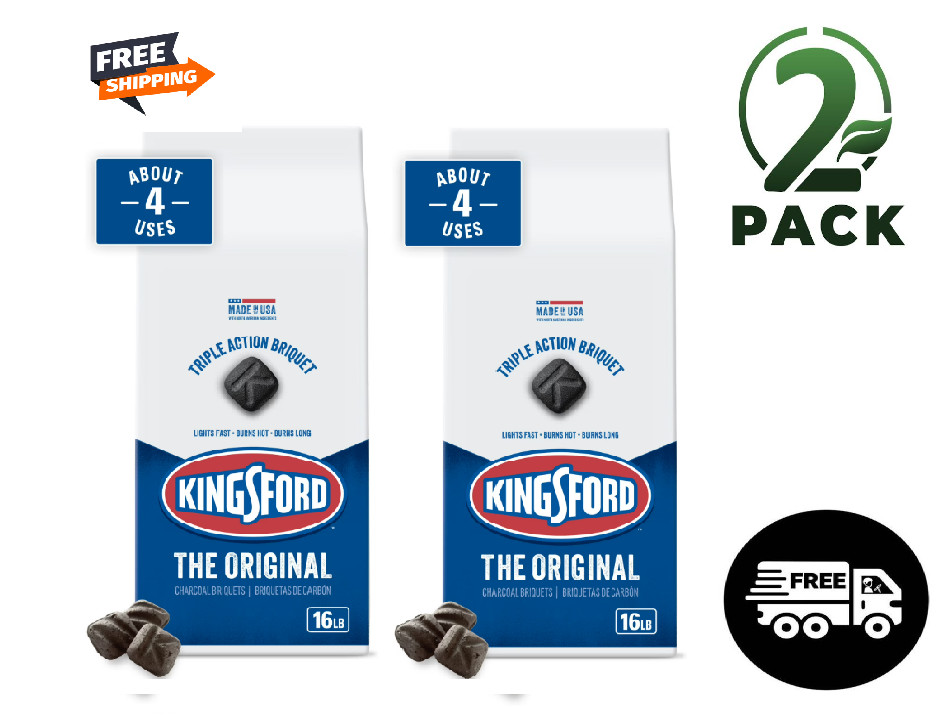
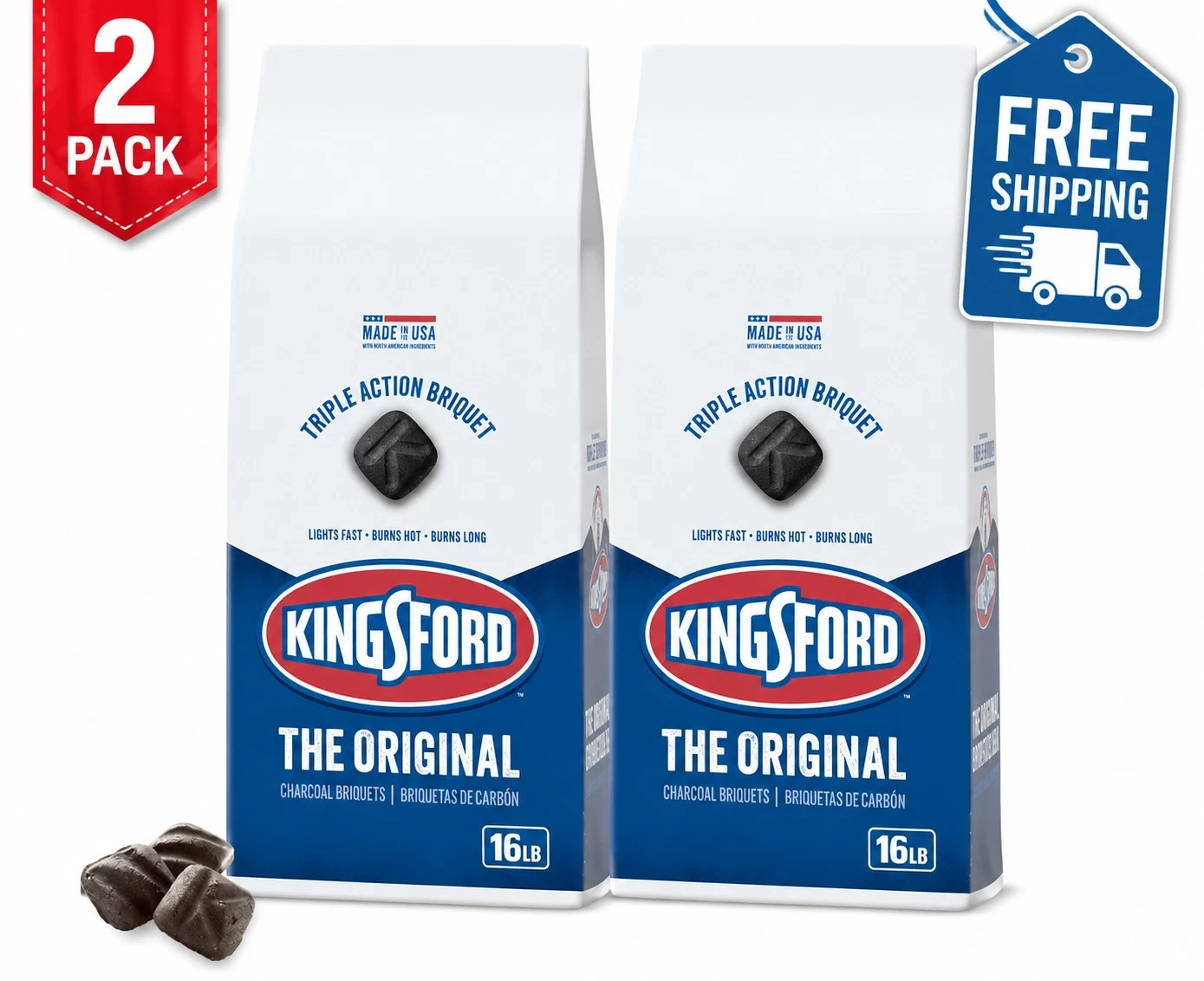
- Kingsford Original is a classic all-purpose briquette; its 16 lb bag is a standard bulk unit, and multi-packs reduce per-pound cost and restock frequency.
- Hardwood lump from dense species (oak, hickory, mesquite) burns longer than softwood lump; bag shake test — heavy, hard pieces signal quality.
Best use cases
- Best fit: long low-and-slow brisket or pork butt — pick Kingsford-style briquettes for steady 225-275°F heat over 8+ hours; skip lump, which spikes and fades.
- Best fit: hot-and-fast steak searing — pick dense hardwood lump for 600°F+ peak heat; skip briquettes, which cap lower and add ash.
- Best fit: beginner kettle grilling — pick a standard briquette multi-pack for forgiving, repeatable results; skip premium lump until you can manage vent control.
- Wrong fit: ceramic kamado owners using cheap softwood lump — dense hardwood lump only; softwood pops, sparks, and burns too fast for long kamado sessions.
Buying tips
- Match fuel to cook length: briquettes for 2+ hour sessions, lump for under-90-minute high-heat cooks; a 16 lb bag fuels roughly 3-5 average kettle grilling sessions.
- Choose dense hardwood species (oak, hickory, mesquite) for lump; avoid bags with mostly small chips and dust, which indicate softwood or poor carbonization.
- For briquettes, prefer brands with consistent pillow shape and low dust at the bag bottom; excessive fines mean broken, fast-burning fuel.
- Buy multi-packs (2-4 x 16 lb) only if you grill at least twice a month; charcoal absorbs moisture, so store sealed bags off concrete floors.
Specs
| Fuel Form | Briquettes vs Lump Hardwood |
|---|---|
| Binder | Briquettes: binder added / Lump: none |
| Peak Heat | Lump: higher / Briquettes: steady |
| Ash Output | Briquettes: high / Lump: low |
Related searches
What to check before buying
- Measure your grill's charcoal grate area: a standard 22-inch kettle needs roughly 5-6 lb of briquettes for a full chimney; confirm bag size matches your cook frequency.
- Confirm your grill type: kamado and ceramic cookers demand lump or low-ash briquettes; cheap high-ash briquettes clog airflow and damage felt gaskets.
- Check storage: charcoal must stay dry; a sealed bin or elevated shelf in a garage or shed prevents moisture-driven ignition problems.
- Verify you have a chimney starter and heat-resistant gloves; charcoal requires proper ignition tools regardless of type, and lighter-fluid residue taints flavor.
FAQ
Data sources: eBay / Amazon listings and product attribute feeds Data updated Nov 16, 2026.
Some links on this page are affiliate links. If you buy after clicking one, we may earn a commission at no extra cost to you. This does not change which products appear here or their order. Affiliate disclosure.