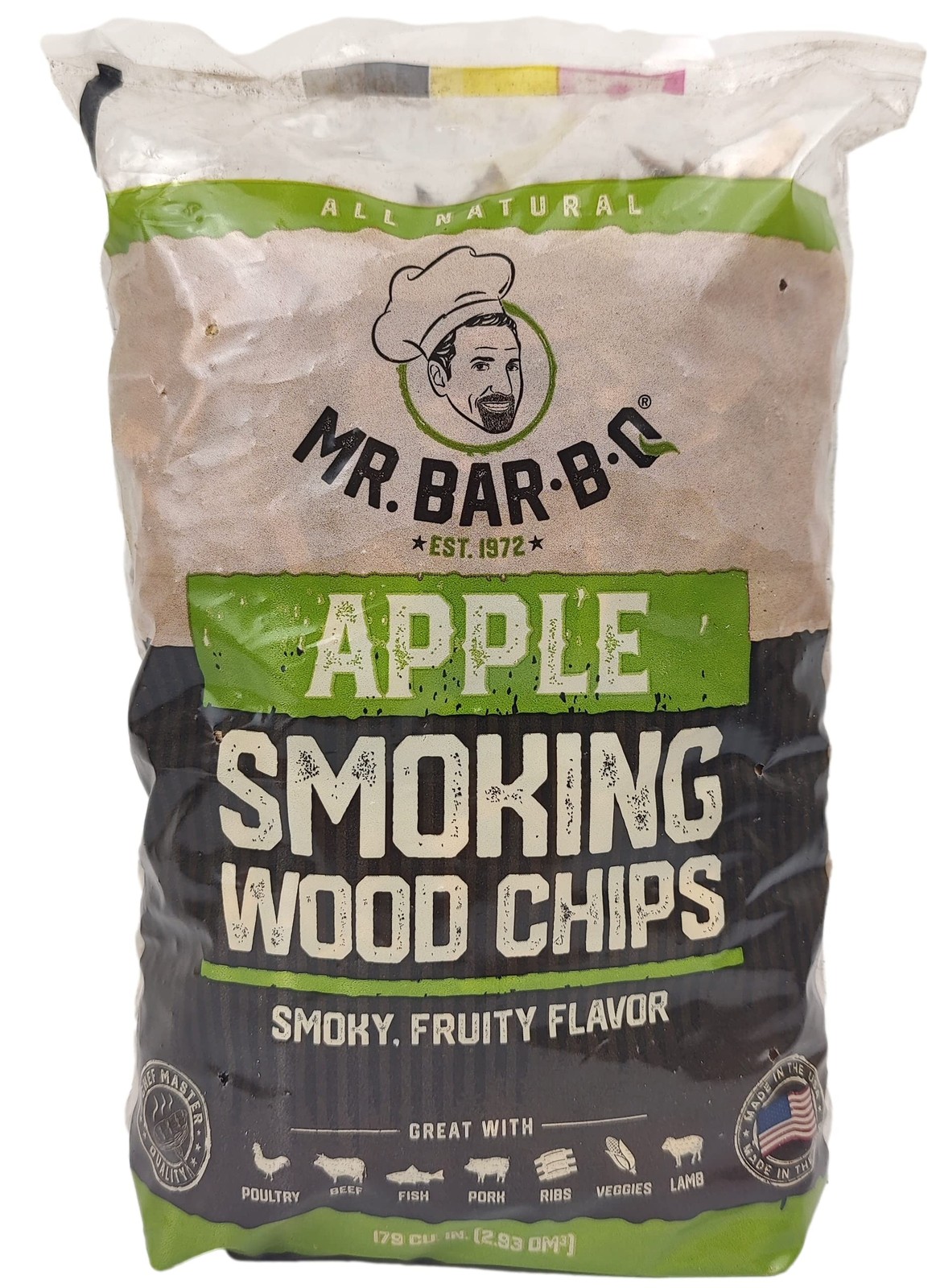

Photos from current listings. Actual item, color, and included accessories may vary.
Cooking Wood Buying Guide
Cooking wood is split into two performance classes: kiln-dried chunk and split-log hardwoods for sustained coal beds, and thin chips or dust for fast smoke infusion. The core trade-off is moisture content and piece geometry—properly dried dense hardwood (hickory, oak, apple) burns clean and long, while wet or resinous softwood smolders and deposits creosote. Buy kiln-dried food-safe hardwood with visible grain and low bark content; skip painted, treated, or softwood scraps.


At a glance
- Category
- BBQ Fuels & Smoking Wood
- Data updated
- Nov 16, 2026
Current offers
Highlights
- Hardwood density drives coal life: hickory and oak outlast apple and cherry by roughly 30–50% per equal volume; apple and cherry deliver milder, sweeter smoke for poultry and pork.
- Kiln-dried wood at 15–20% moisture content ignites cleanly and limits creosote; air-dried or green wood above 25% smolders and coats meat in soot.
- Chunks (fist-sized, 3–6 in) suit charcoal smokers and offset pits for steady coal beds; chips (1–3 in) and dust are for gas/electric smoker boxes and fast smoke.
- Food-safe hardwood only: bark is acceptable in small amounts, but painted, stained, pressure-treated, or softwood (pine, fir) lumber is toxic and must never be used.
Best use cases
- Best fit: charcoal offset or kamado smoker doing 4–12 hour cooks — buy kiln-dried hickory or oak chunks and start with 3–5 fist-sized pieces over a lit coal base.
- Best fit: gas or electric smoker under 3 hours — use apple or cherry chips in a foil pouch or smoker box; skip chunks, which won't fully combust in low-oxygen cabinets.
- Wrong fit: using softwood, construction scrap, or wet wood — these produce resinous soot and creosote; skip them entirely regardless of price or convenience.
- Best fit: pellet grills require 100% hardwood food-grade pellets, not chips or chunks; chips and chunks jam augers and must be skipped.
Buying tips
- Match piece size to cooker: 3–6 in chunks for charcoal/offset, 1–3 in chips for gas/electric boxes, and 100% hardwood pellets only for pellet auger grills.
- Choose species by meat: hickory/oak for beef and brisket, apple/cherry for poultry and pork, mesquite for hot fast grilling; mild woods suit delicate fish.
- Demand kiln-dried hardwood at 15–20% moisture; wood above 25% wastes fuel and smolders, so test a split piece with a moisture meter before committing.
- Buy bark-light, split-face pieces with visible straight grain; heavy bark and dirt increase soot and reduce clean smoke output per pound.
Specs
| Wood Form | Chunks / Chips / Pellets / Logs |
|---|---|
| Species Class | Hickory / Oak / Apple / Cherry / Mesquite |
| Moisture Content | Kiln-dried 15–20% |
| Cooker Match | Charcoal & offset / Gas & electric / Pellet |
Related searches
What to check before buying
- Confirm your cooker type and firebox size: charcoal/kamado/offset take chunks; gas/electric smoker boxes take chips; pellet grills take pellets only.
- Measure firebox or smoker-box clearance: chunks must fit with air gaps, and chip pouches should not block the burner or element.
- Verify food-safe hardwood labeling and species on the package; reject treated, painted, or softwood scraps regardless of appearance.
- Check storage: dry wood needs a covered, ventilated spot off concrete; damp storage reintroduces moisture and mold.
FAQ
Data sources: eBay / Amazon listings and product attribute feeds Data updated Nov 16, 2026.
Some links on this page are affiliate links. If you buy after clicking one, we may earn a commission at no extra cost to you. This does not change which products appear here or their order. Affiliate disclosure.