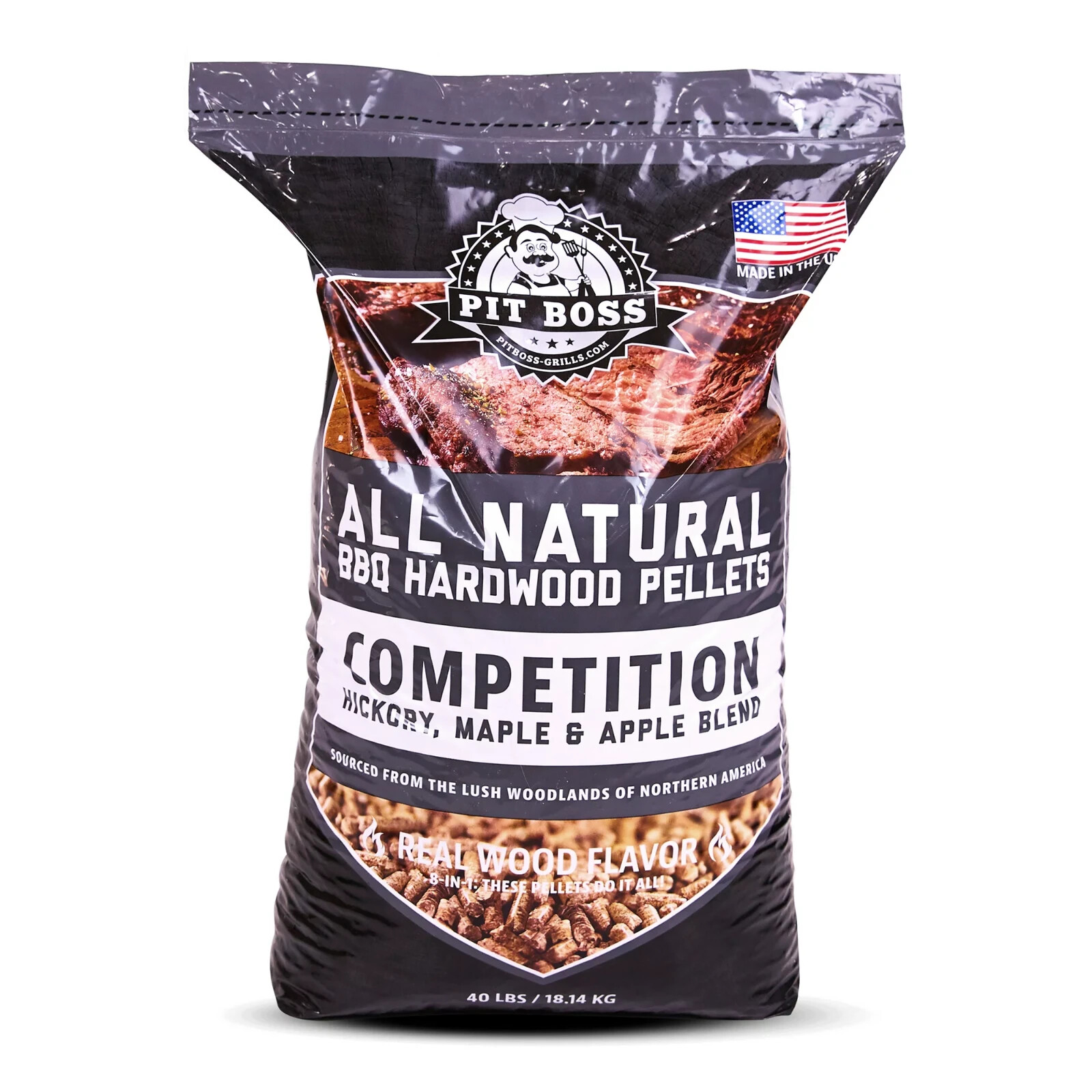

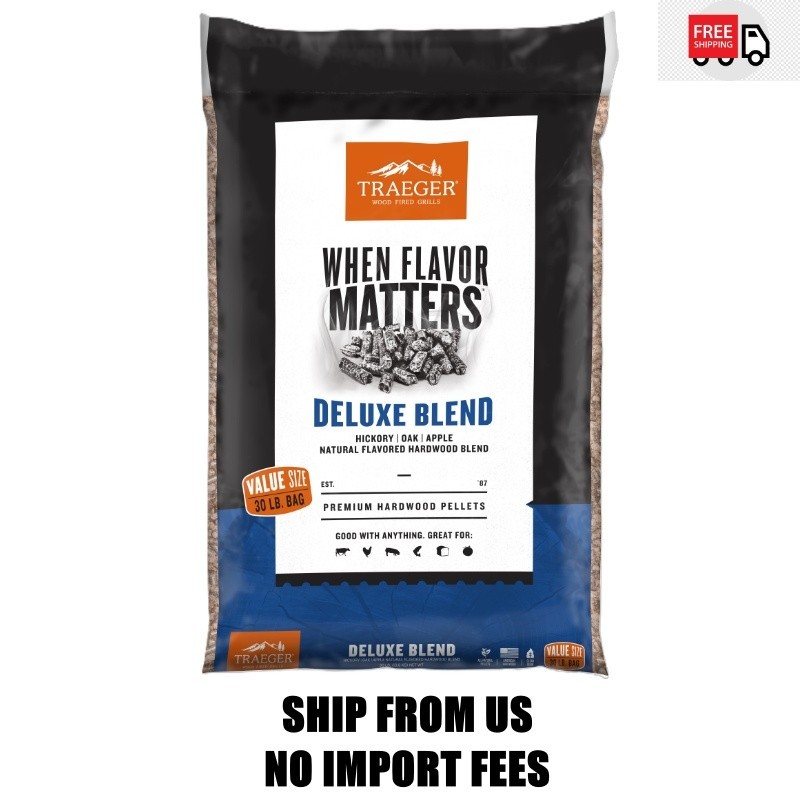
Photos from current listings. Actual item, color, and included accessories may vary.
Hickory Pellet Buying Guide
Hickory pellets are 100% hardwood fuel for pellet smokers and grills, prized for a strong, bacon-like smoke profile. The primary trade-off is between pure hickory (maximum flavor, faster burn) and hickory-based blends (milder smoke, better BTU consistency and ash control). Buy pure hickory only if you want bold flavor in short cooks; choose a hickory blend for long brisket or pork butt sessions where steady heat and low ash matter more.


At a glance
- Category
- BBQ Fuels & Smoking Wood
- Data updated
- Nov 16, 2026
Current offers
Highlights
- Pure hickory pellets are 100% hickory hardwood; blends are typically 60–70% base wood (oak or alder) with 30–40% hickory for flavor.
- Pellet diameter must be 6mm (1/4 inch) and length 6–13mm to feed reliably through Traeger, Pit Boss, and Camp Chef augers.
- Hardwood pellets should have less than 6–8% moisture content and under 1% ash; high-ash blends clog fire pots in long cooks.
- Food-grade hardwood only: avoid pellets with added binders, oils, or bark content above 5%, which cause bitter smoke and auger jams.
Best use cases
- Best for bold beef and pork: use 100% hickory pellets for ribs, brisket, and pork shoulder when you want a strong smoke ring and bacon-forward flavor in cooks under 6 hours.
- Best for long overnight cooks: use a hickory-oak blend for 10–16 hour brisket or pulled pork — the oak base gives steadier BTUs and lower ash than pure hickory.
- Wrong fit for mild poultry or fish: skip hickory for chicken, turkey, or trout; use apple, cherry, or alder instead because hickory overpowers delicate proteins.
- Wrong fit for cold smoking: pure hickory produces too much heat and creosote at low temps; use a sawdust or chip product in a cold-smoke generator instead.
Buying tips
- Buy 100% hickory only if the ingredient list says 'hickory hardwood' alone; any 'blend', 'mix', or 'competition blend' label means base wood plus flavor wood — check the ratio.
- Match bag size to burn rate: a 20 lb bag fuels roughly 8–10 hours at 225°F on a mid-size pellet grill; a 40 lb bag covers two long brisket cooks.
- Verify 6mm pellet diameter before buying for Traeger, Pit Boss, Camp Chef, or Weber SmokeFire — 8mm pellets jam these augers.
- Avoid pellets stored in paper or non-resealable bags; moisture above 10% causes flameouts and auger jams — choose resealable bags or transfer to an airtight pellet container.
Specs
| Wood Type | 100% hickory vs hickory-oak blend |
|---|---|
| Pellet Diameter | 6mm (1/4 in) standard |
| Moisture Content | Under 6–8% |
| Ash Content | Under 1% (low-ash) |
Related searches
What to check before buying
- Confirm your grill's auger and fire pot accept 6mm diameter pellets; 8mm pellets are for larger commercial feeders only.
- Measure your hopper capacity: a 20 lb bag fills most 22-inch pellet grills once; buy 40 lb bags only if you have a 30 lb+ hopper or an airtight storage bin.
- Check storage environment: pellets must stay below 10% moisture — store in a sealed container in a dry garage or shed, not outdoors.
- Confirm your cooker's minimum feed rate: pure hickory burns faster than oak blends, so long cooks may need a higher hopper refill schedule.
FAQ
Data sources: eBay / Amazon listings and product attribute feeds Data updated Nov 16, 2026.
Some links on this page are affiliate links. If you buy after clicking one, we may earn a commission at no extra cost to you. This does not change which products appear here or their order. Affiliate disclosure.