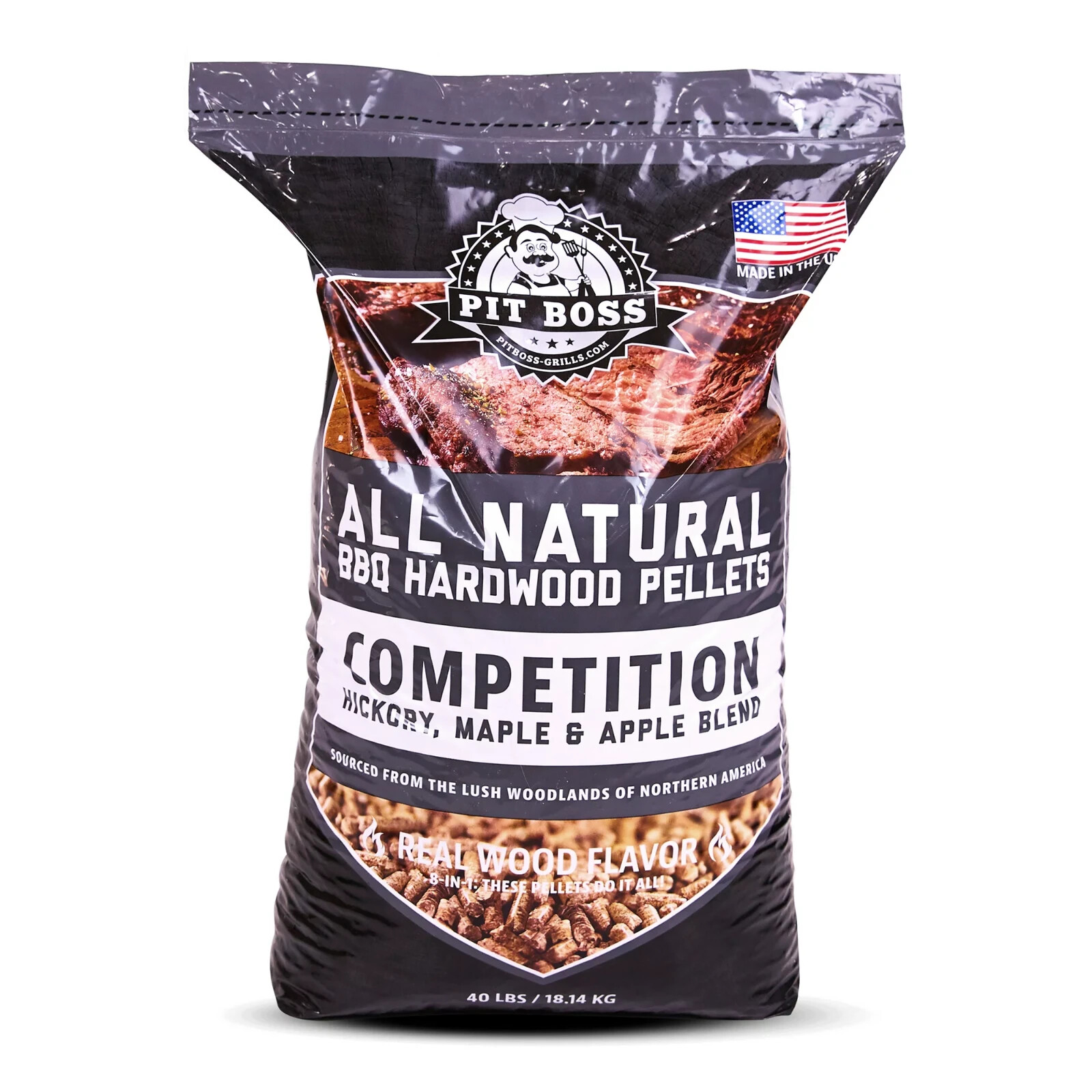

Photos from current listings. Actual item, color, and included accessories may vary.
Wood Pellet Buying Guide
Wood pellets are compressed hardwood fuel for pellet grills and smokers, where the core trade-off is pure hardwood content versus filler-laden blends that generate excess ash and inconsistent heat. Durable, clean-burning options are 100% hardwood with low ash (under 1%) and consistent pellet diameter, while compromises use bark, softwood fillers, or dusty fines that clog augers. The decision rule: choose single-species or clean blend pellets rated for your grill's auger and desired smoke profile, and avoid any bag listing 'flavored' or 'filler' wood.


At a glance
- Category
- BBQ Fuels & Smoking Wood
- Data updated
- Nov 16, 2026
Current offers
Highlights
- 100% hardwood pellets burn cleaner with ash content under 1%, while blends containing softwood or bark fillers produce 2-3x more ash and require more frequent firepot cleanouts.
- Pellet diameter consistency (typically 6mm or 1/4 inch) determines auger feed reliability; bags with excessive fines (dust) cause jams and temperature swings in pellet grills.
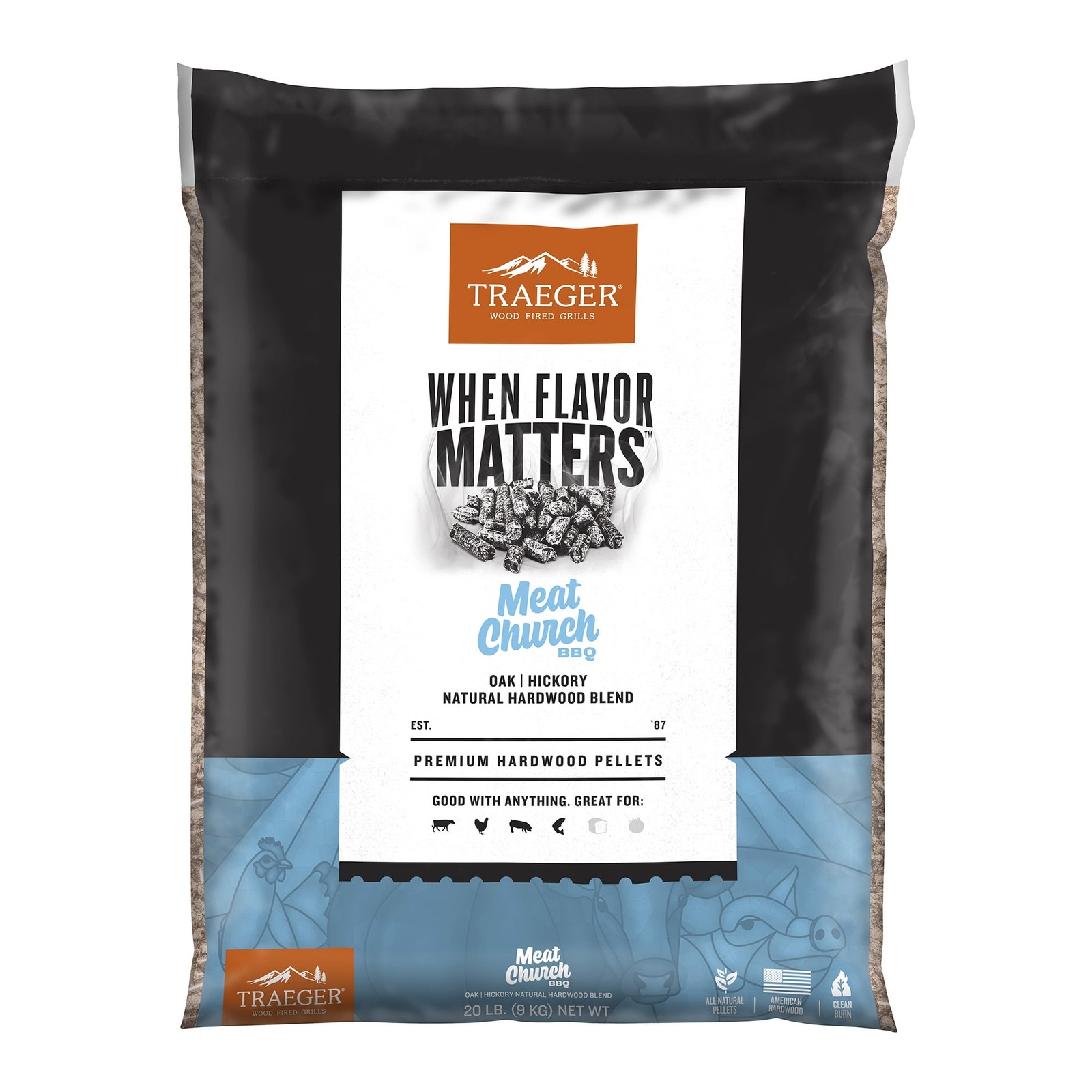
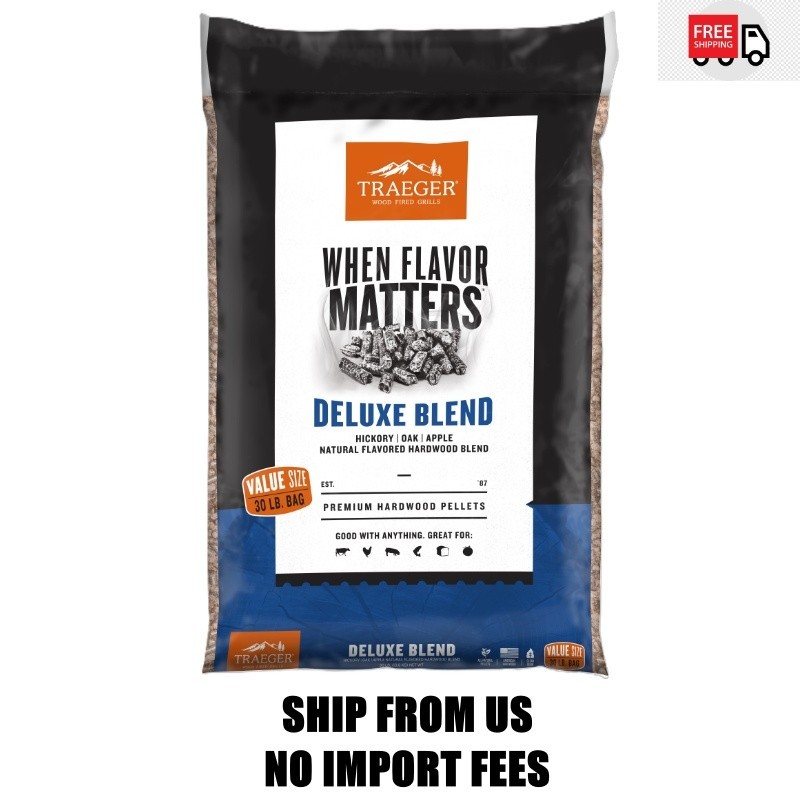
- Single-species pellets like hickory, mesquite, or apple deliver distinct smoke profiles, whereas 'competition blend' or 'deluxe blend' bags combine multiple hardwoods for balanced, milder flavor.
- Higher-density hardwood pellets (oak, hickory) yield longer burn times and higher BTU output per pound than low-density softwood or bark-heavy pellets.
Best use cases
- Best fit: pellet grill owners smoking brisket or pork shoulder for 12+ hours should choose 100% hickory or oak pellets in 20-40 lb bags for long, stable burns and deep smoke rings.
- Best fit: weeknight cooks grilling chicken or vegetables want a mild fruitwood blend (apple/cherry) in smaller 20 lb bags to avoid stale leftover fuel and deliver lighter smoke.
- Wrong fit: anyone using a charcoal or gas grill should skip wood pellets entirely—they require a pellet-specific auger and firepot; use wood chunks or chips instead.
Buying tips
- Buy bags labeled 100% hardwood with a stated ash content under 1%; avoid bags listing 'wood blend' without species or containing 'filler' or 'bark' in ingredients.
- Match pellet bag size to your burn rate: 20 lb bags suit occasional grillers (under 10 hours/week), while 30-40 lb bags are economical for frequent long smokes.
- Check pellet diameter compatibility—most pellet grills use 6mm (1/4 inch) pellets, but some brands like Traeger specify their own size; using wrong diameter causes auger jams.
- Store pellets in an airtight container; moisture causes pellets to swell and crumble into fines, so buy only what you'll burn within 2-3 months after opening.
Specs
| Wood Content | 100% hardwood vs blends w/ filler |
|---|---|
| Ash Output | Under 1% (low-ash) vs 2-3% |
| Pellet Diameter | 6mm (1/4 in) standard |
| Bag Size | 20 lb / 30 lb / 40 lb |
What to check before buying
- Confirm your pellet grill's auger and firepot are designed for 6mm (1/4 inch) hardwood pellets—check the manual for any brand-specific pellet size requirement.
- Measure your hopper capacity: a 20 lb bag fills most hoppers once, while 40 lb bags suit larger hoppers or refills during long cooks.
- Verify storage space for open bags—pellets must stay dry, so plan for an airtight bin or sealed container away from humidity.
- Check your climate: high-humidity areas require faster consumption or sealed storage to prevent pellet degradation and auger jams.
FAQ
Data sources: eBay / Amazon listings and product attribute feeds Data updated Nov 16, 2026.
Some links on this page are affiliate links. If you buy after clicking one, we may earn a commission at no extra cost to you. This does not change which products appear here or their order. Affiliate disclosure.