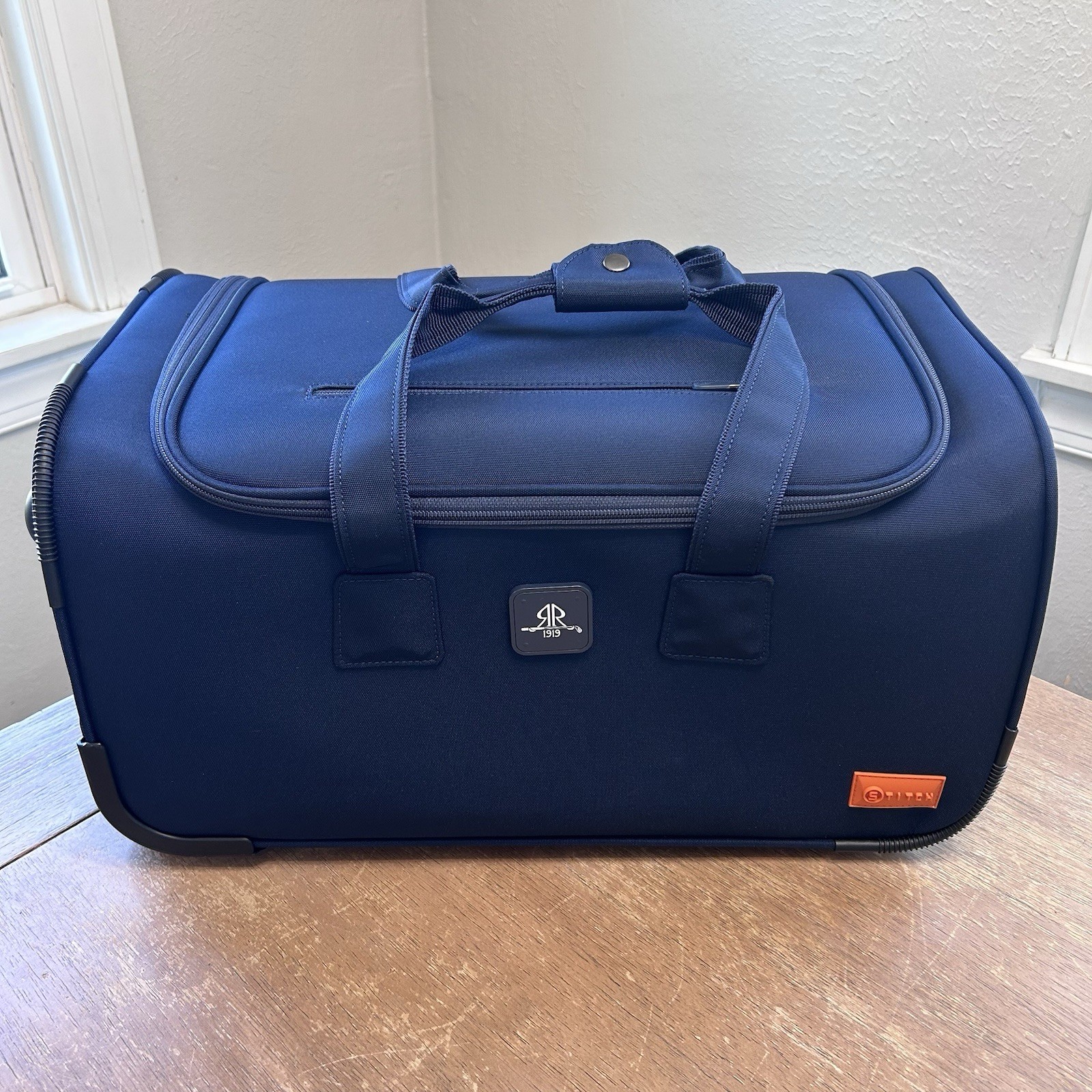

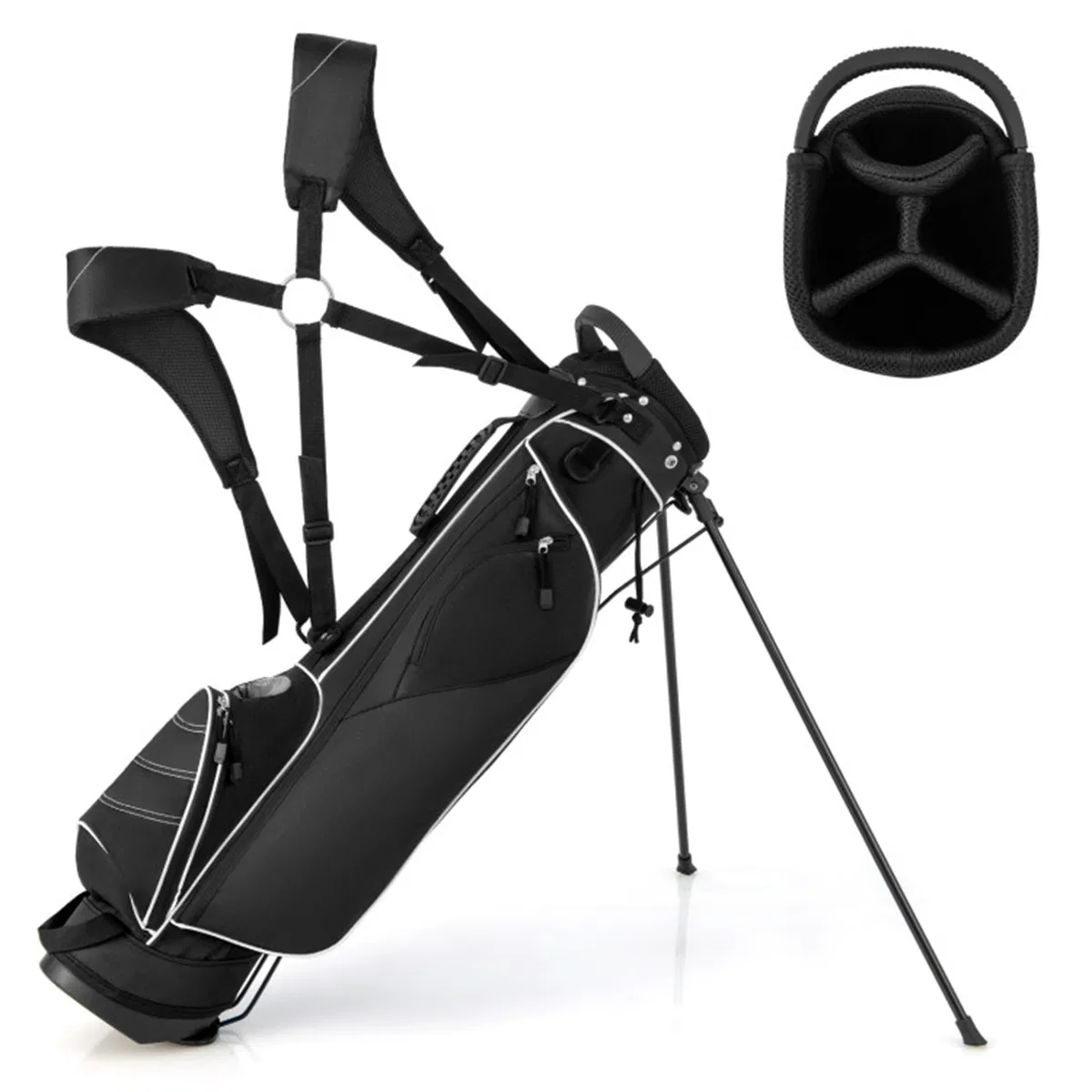
Photos from current listings. Actual item, color, and included accessories may vary.
Golf Travel Bag With Wheel Buying Guide
A golf travel bag with wheels is a soft-sided or hybrid case that protects clubs in transit while adding inline skate wheels and a rigid base for rolling through airports. The core trade-off is between lightweight nylon shells with minimal padding and heavier ripstop or molded-panel constructions with reinforced wheel housings that survive baggage handling. Buyers should choose a wheeled travel bag with a rigid bottom, lockable zippers, and an internal club-head restraint—avoiding thin single-layer nylon covers marketed as 'heavy duty' without stated denier or padding thickness.


At a glance
- Category
- Golf Bags & Carts
- Data updated
- Nov 16, 2026
Current offers
Highlights
- Soft travel bags use 600D–1680D nylon or polyester; 1680D ballistic weave and ripstop grids resist abrasion and puncture far better than 600D single-layer shells.
- Inline skate wheels (70–80mm) with sealed bearings and a reinforced plastic or aluminum wheel housing outlast push-on caster wheels that snap at the axle under 30–40 lb loads.
- A rigid bottom tray or molded EVA base keeps the bag upright and transfers weight to the wheels; bags without it sag and drag on the club heads.
- Lockable two-way zippers (TSA-compatible locks) and an internal padded club-head cover or strap are the difference between airline-accepted protection and exposed heads.
Best use cases
- Best fit: frequent flyers with graphite-shaft irons and a stand bag—pick a 1680D ripstop wheeled bag with rigid base, lockable zippers, and a padded head cover.
- Best fit: road-trippers who mostly drive to courses—a lighter 600D wheeled duffle with basic padding is sufficient and easier to lift into a trunk.
- Wrong fit: using a stand bag's own legs and dividers as travel protection—stand bags are not designed for checked-luggage compression; a dedicated wheeled travel bag with a full-length internal sleeve is required.
Buying tips
- Match bag length to your clubs: a travel bag should be 2–4 inches longer than your stand bag's total height; most wheeled travel bags run 48–52 inches and fit standard 34–36 inch stand bags.
- Check wheel type before buying: sealed-bearing inline skate wheels roll smoothly on carpet and pavement; avoid small hard casters that catch on terminal floor seams.
- Verify airline sizing: most checked golf bags fall within 62 linear inches (L+W+H); bags over 50 inches long may incur oversize fees on some carriers—measure before you fly.
- Prefer a bag with a full-length internal club sleeve or padded divider over one with only a top cover; the sleeve prevents shaft tangling and head contact during transit.
Specs
| Shell Material | 600D–1680D nylon / ripstop |
|---|---|
| Wheel Type | Inline skate 70–80mm vs caster |
| Base Structure | Rigid tray / molded EVA vs soft |
| Bag Length | 48–52 in (fits 34–36 in stand bags) |
Related searches
What to check before buying
- Measure your stand bag's height and width with clubs inside; the travel bag's interior must clear both with 2–4 inches of length to spare.
- Confirm your airline's checked-bag linear limit (commonly 62 inches) and weight cap (often 50 lb); a loaded golf bag typically weighs 30–45 lb.
- Check wheel housing attachment: look for riveted or bolted wheel brackets rather than glued or stitched-only mounts that fail under load.
- Verify the bag has a luggage tag sleeve, a top grab handle, and a bottom handle—needed for lifting onto carousels and into trunks.
FAQ
Data sources: eBay / Amazon listings and product attribute feeds Data updated Nov 16, 2026.
Some links on this page are affiliate links. If you buy after clicking one, we may earn a commission at no extra cost to you. This does not change which products appear here or their order. Affiliate disclosure.