Photos from current listings. Actual item, color, and included accessories may vary.
Golf Ball Buying Guide
Golf balls split into two durable engineering paths: multilayer urethane tour balls that spin and stop on greens, and two-piece ionomer distance balls that fly straight and survive tree hits. The decision rule is simple: pick urethane only if you consistently strike the center and need short-game control; otherwise a low-compression two-piece ball conserves speed and reduces sidespin for slower swings and higher handicaps.


At a glance
- Category
- Golf Balls
- Data updated
- Nov 16, 2026
Current offers
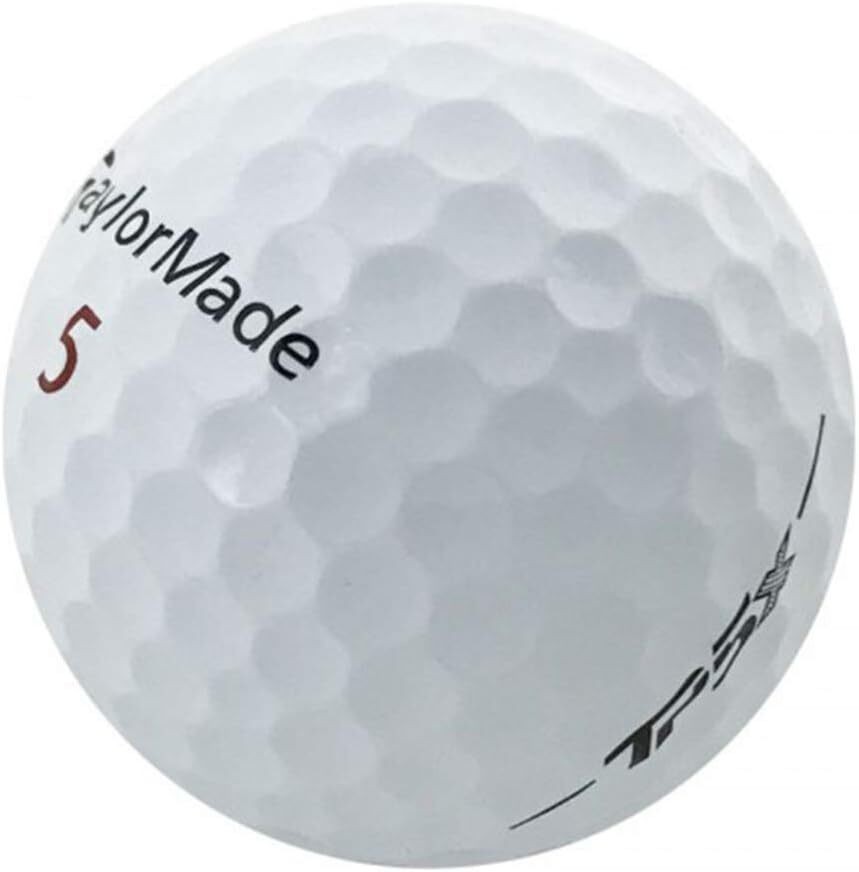 TaylorMade TP5 X Used Golf Balls, Near Mint Condition, AAAA Quality$13.59
 View on eBay
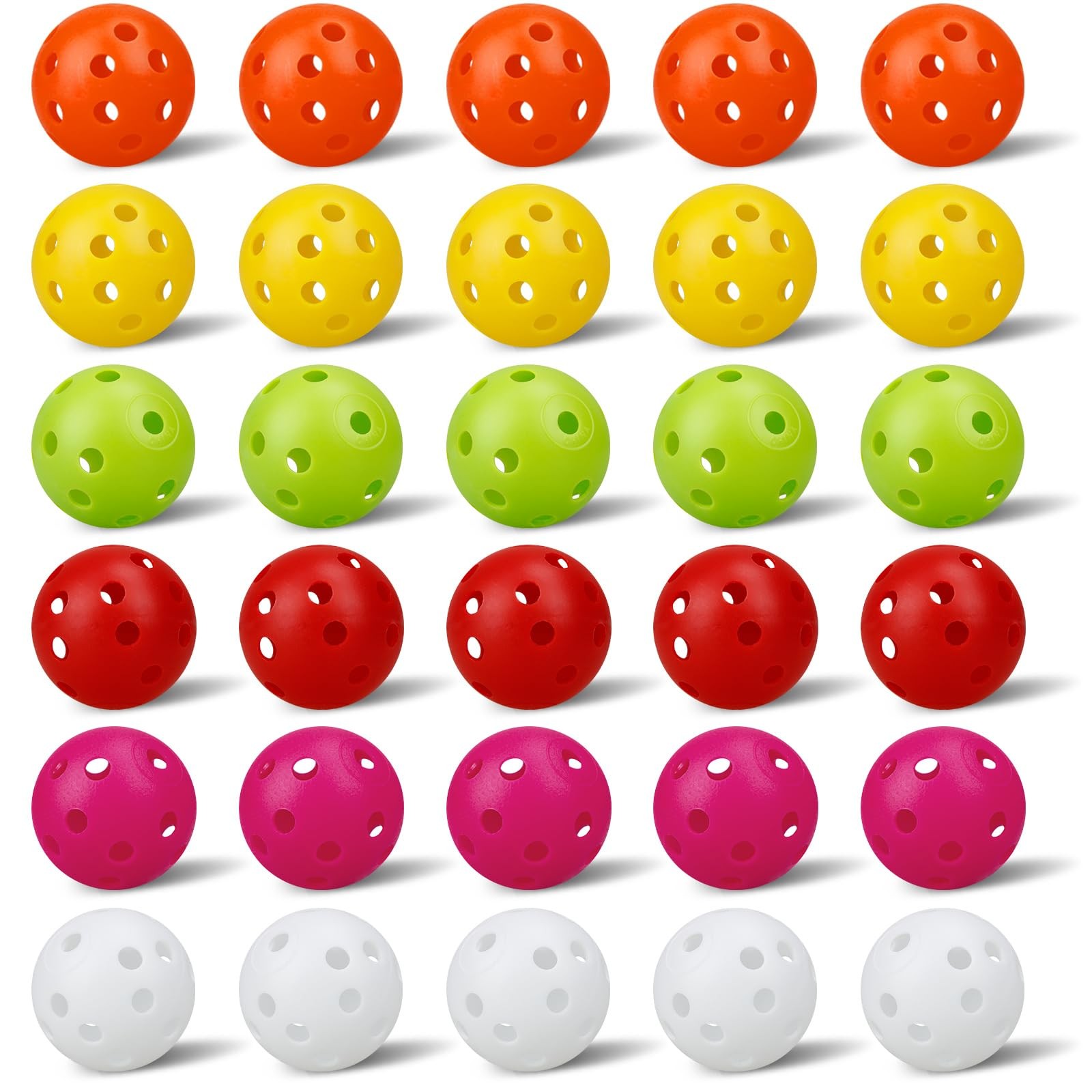 100 Pack Practice Golf Balls Airflow Hollow Plastic Golf Balls Practice Train$13.91View on eBay
- 100 Pack Practice Golf Balls Airflow Hollow Plastic Golf Balls Practice Train$13.91View on eBay
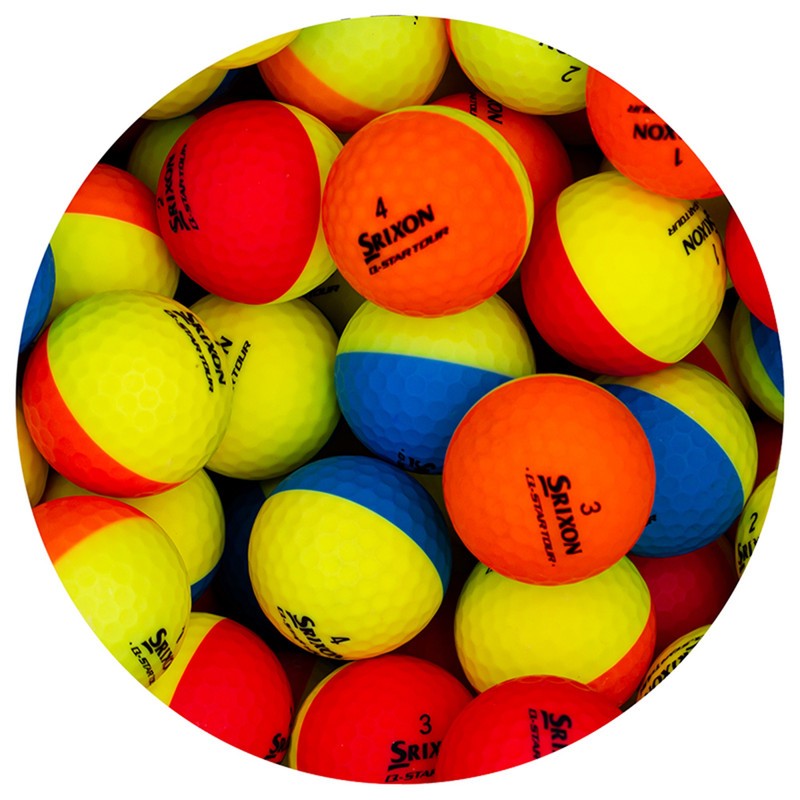 Srixon Q Star Tour Matte Mix Golf Balls, Good Quality, 12 Pack$16.99View on eBay
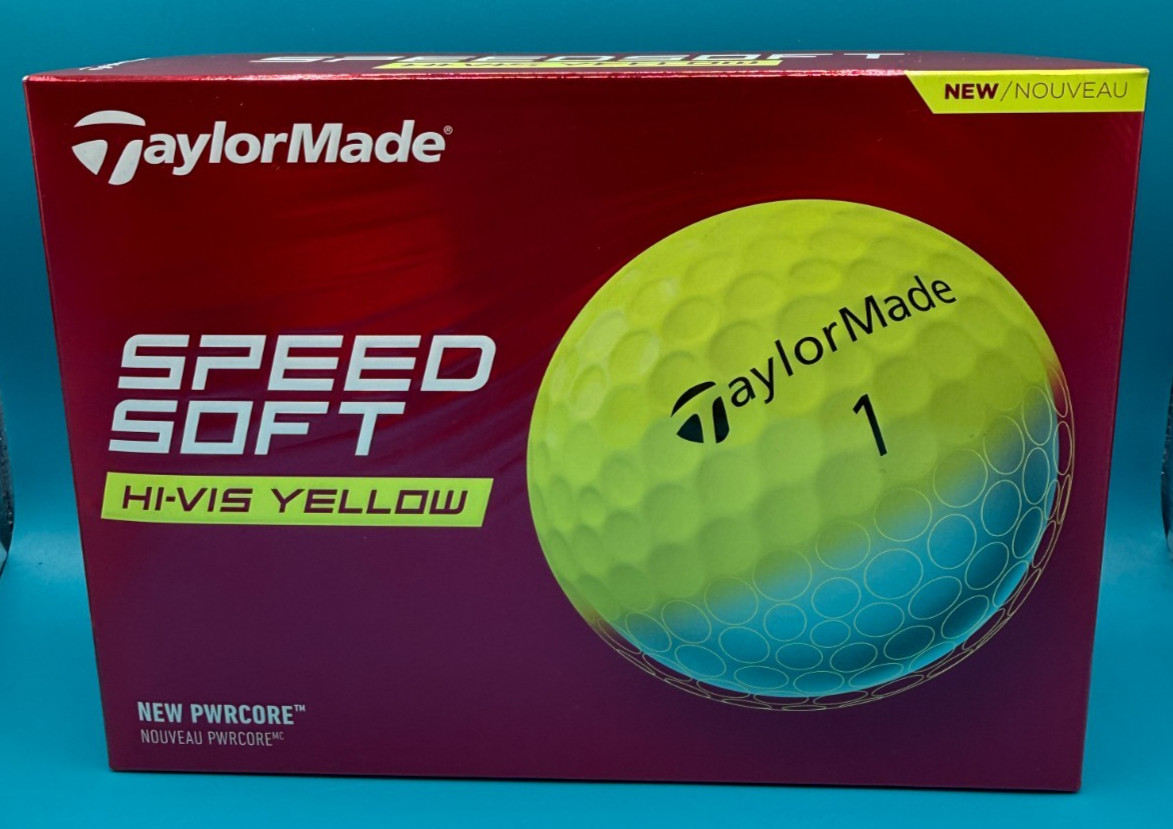 1 Dozen Yellow Low Compression Golf Balls Soft Feel High Visibility PWRCORE$22.95View on eBay
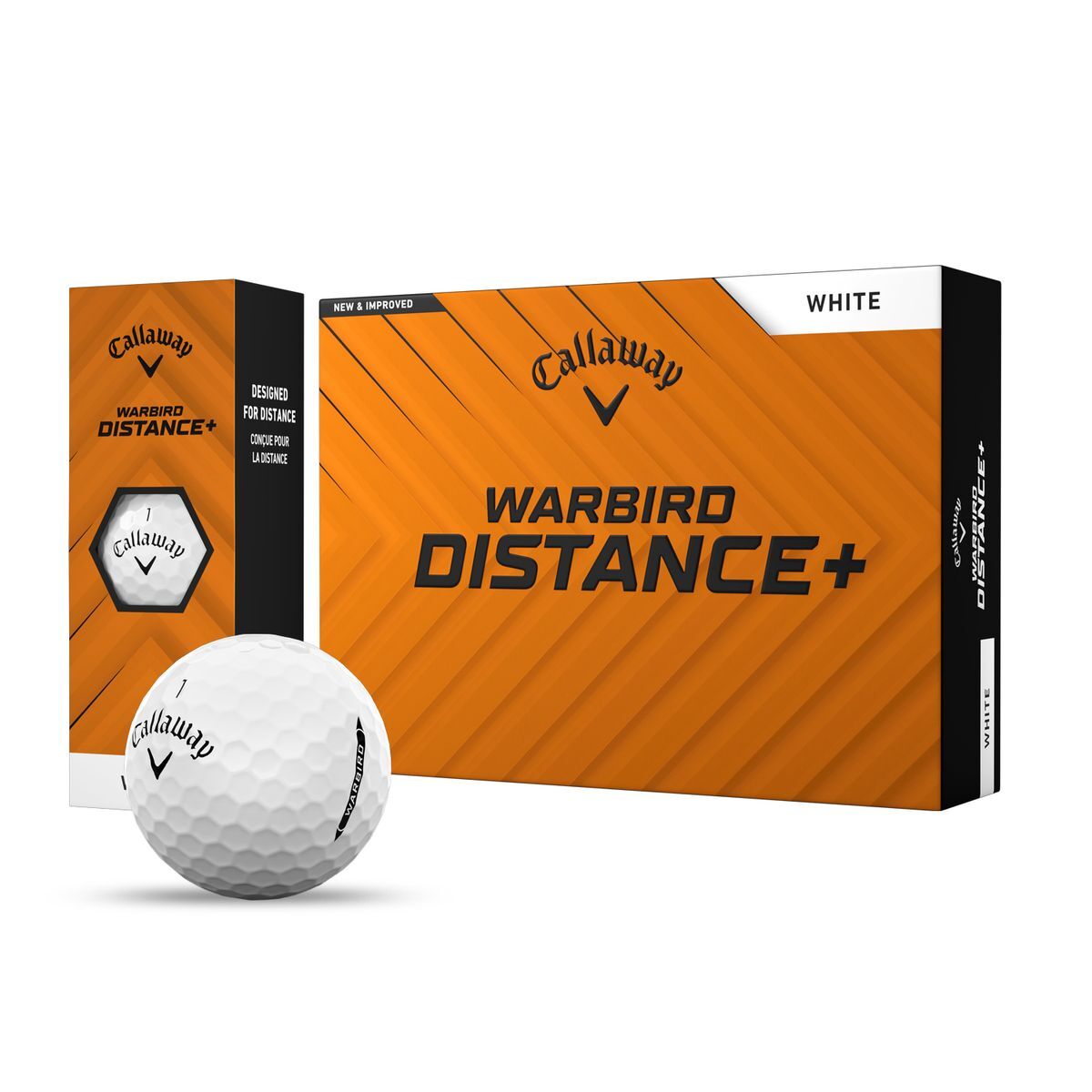 3 Dozen NEW Callaway Warbird Distance+ Golf Balls!$39.99View on eBay
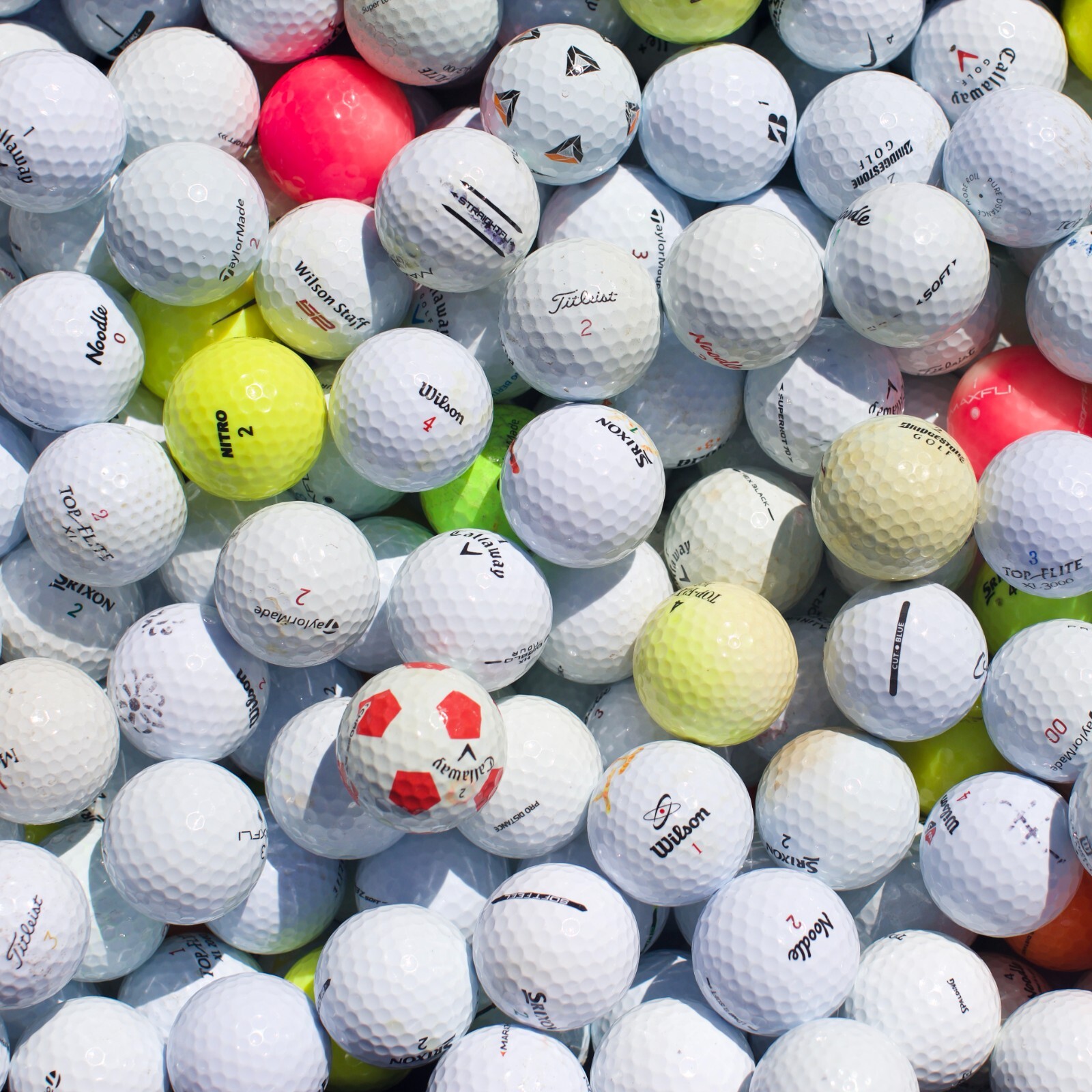 100 Hit-Away / Shag Golf Balls [ Assorted Brands ] - FREE SHIPPING$39.99View on eBay
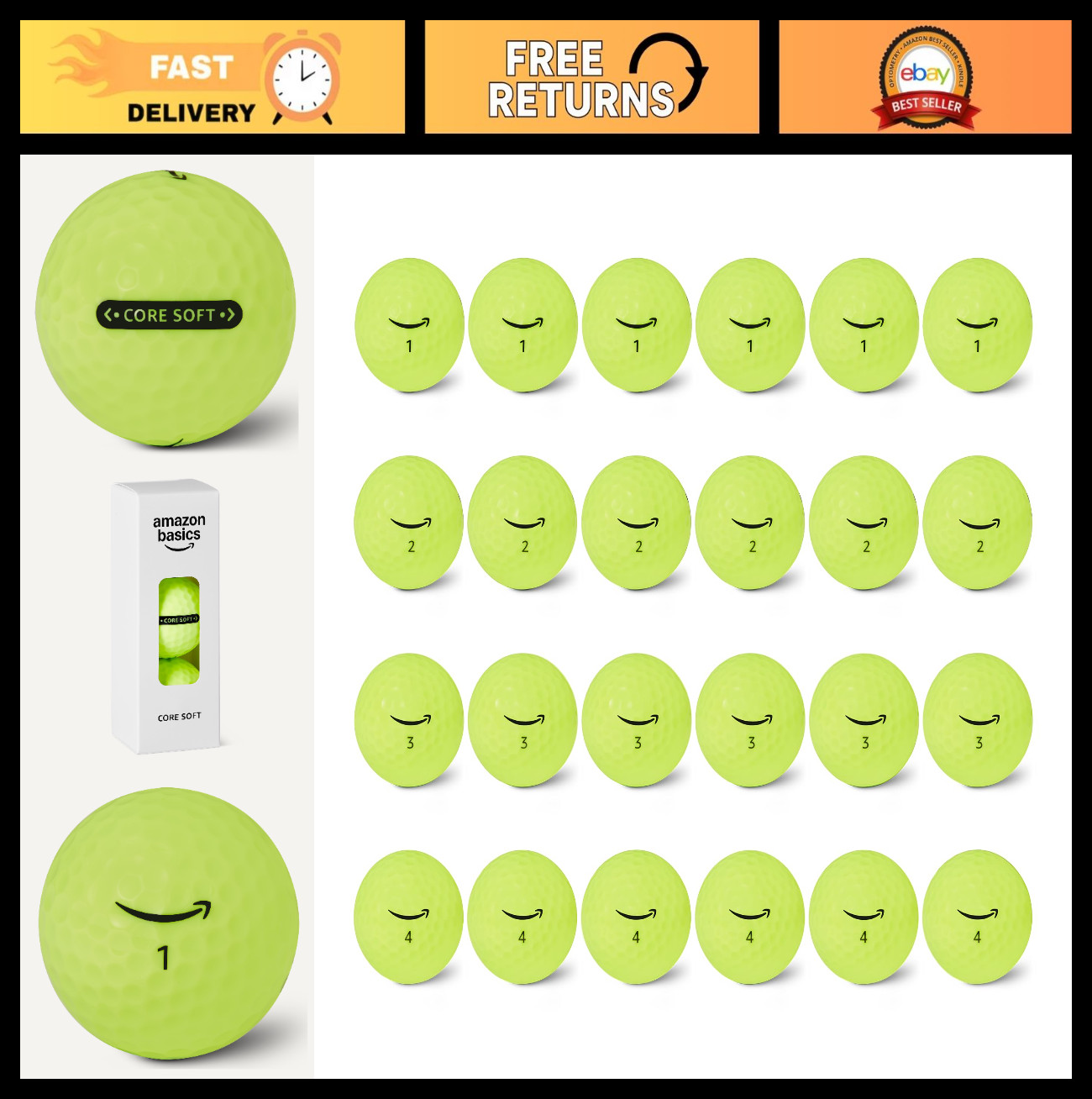 Soft Golf Balls for Beginners | High Performance, Durable, 12-Pack$41.64View on eBay
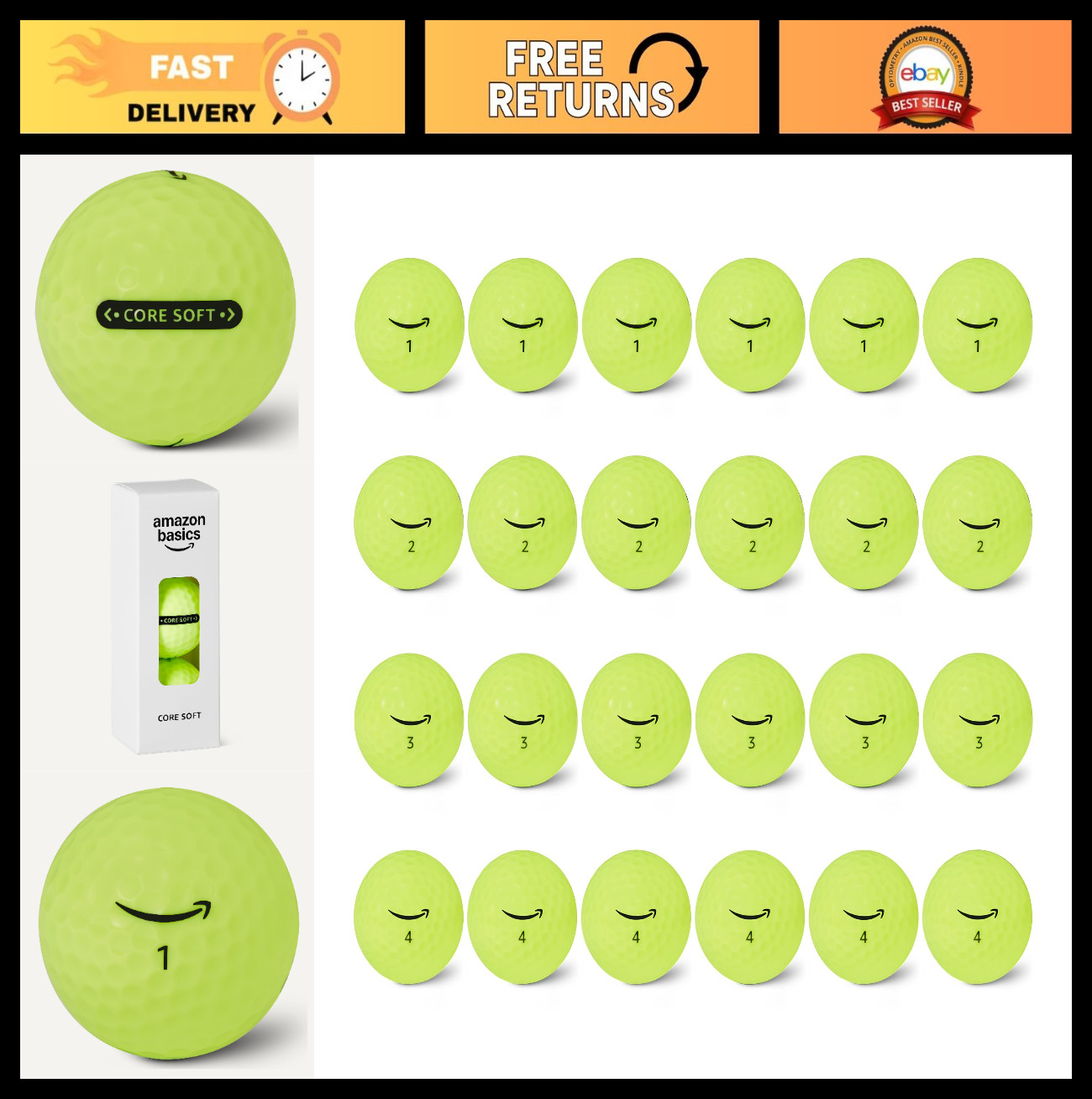 Soft Golf Balls for Beginners & Pros | Durable, High-Performance, 12-Pack$44.99View on eBay
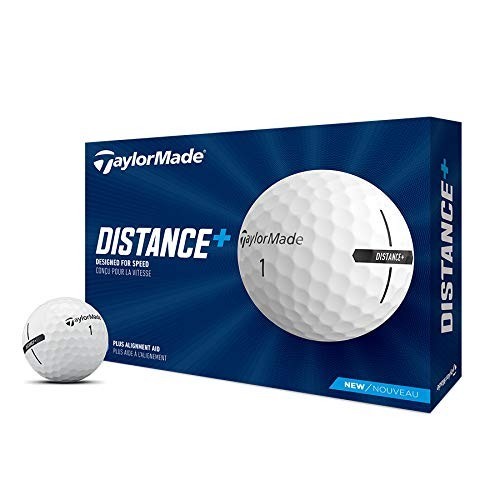 TaylorMade Distance+ Golf Balls - Three Dozen - New - White - Free Shipping!$49.95View on eBay
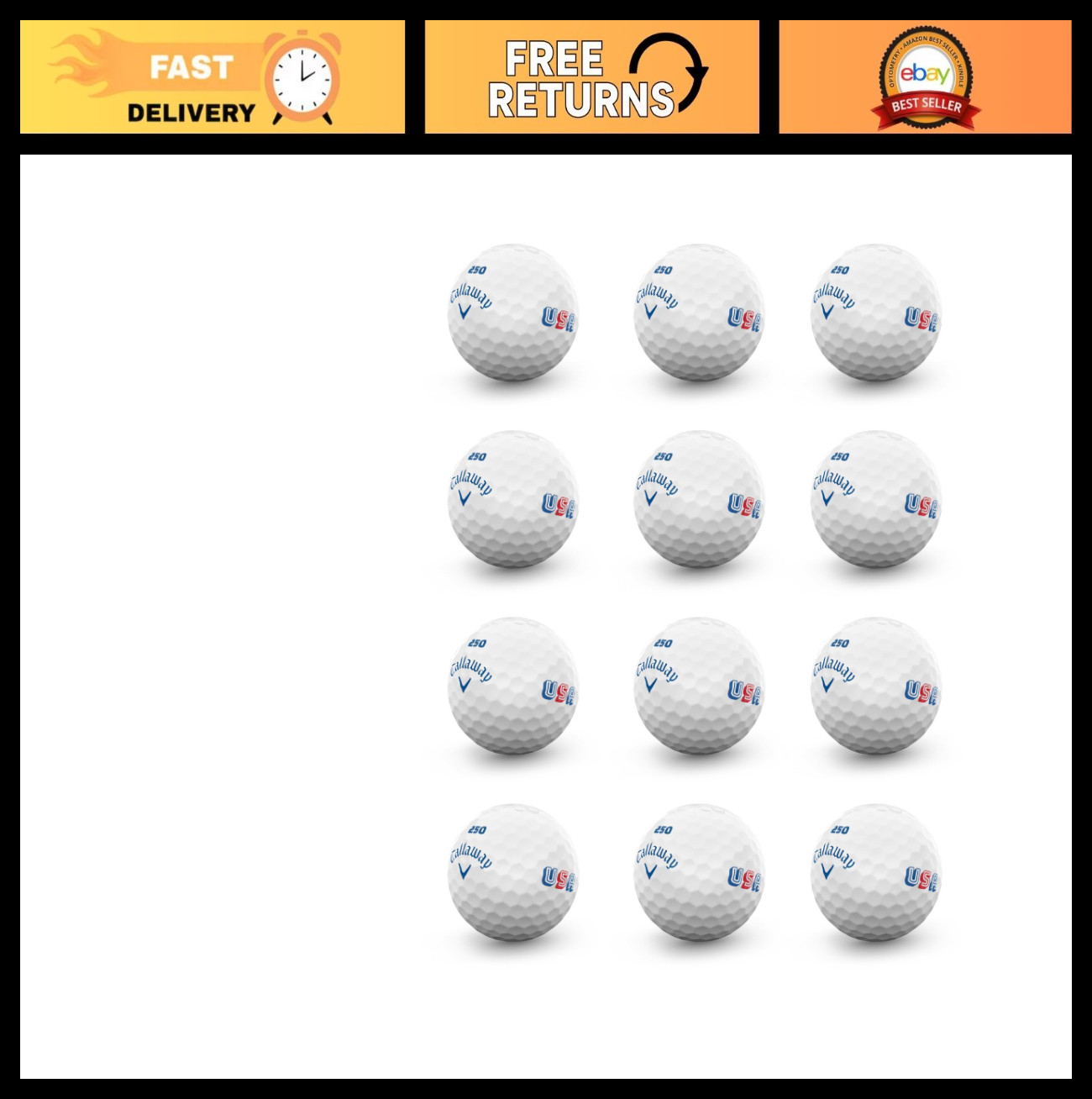 Soft Golf Balls - 250 Pack, Low Compression, Long Distance, Ideal for Beginners$55.99View on eBay
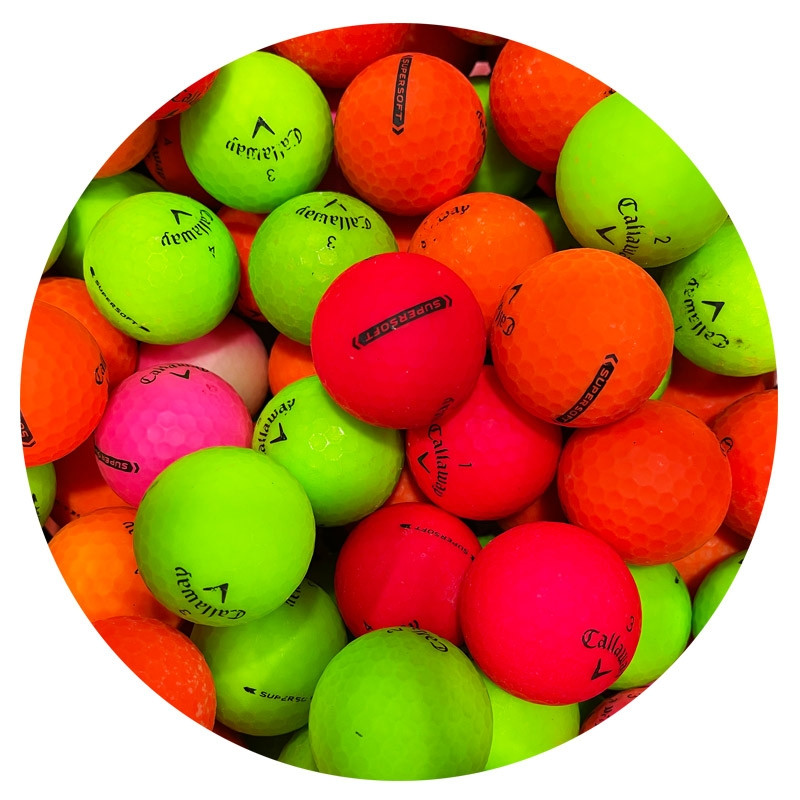 Callaway Supersoft Matte Mix Used Golf Balls, Good Quality, 72 Count$58.65View on eBay
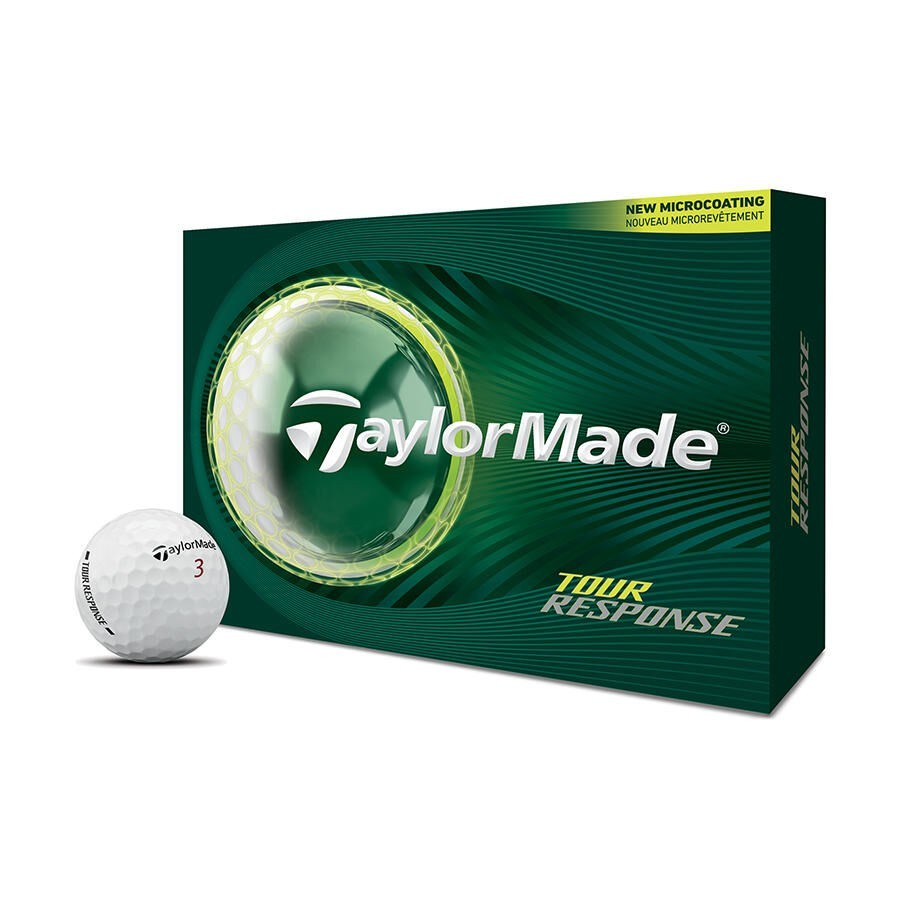 New TaylorMade Tour Response Golf Balls 2 Dozen Urethane Golf Balls$65.99View on eBay
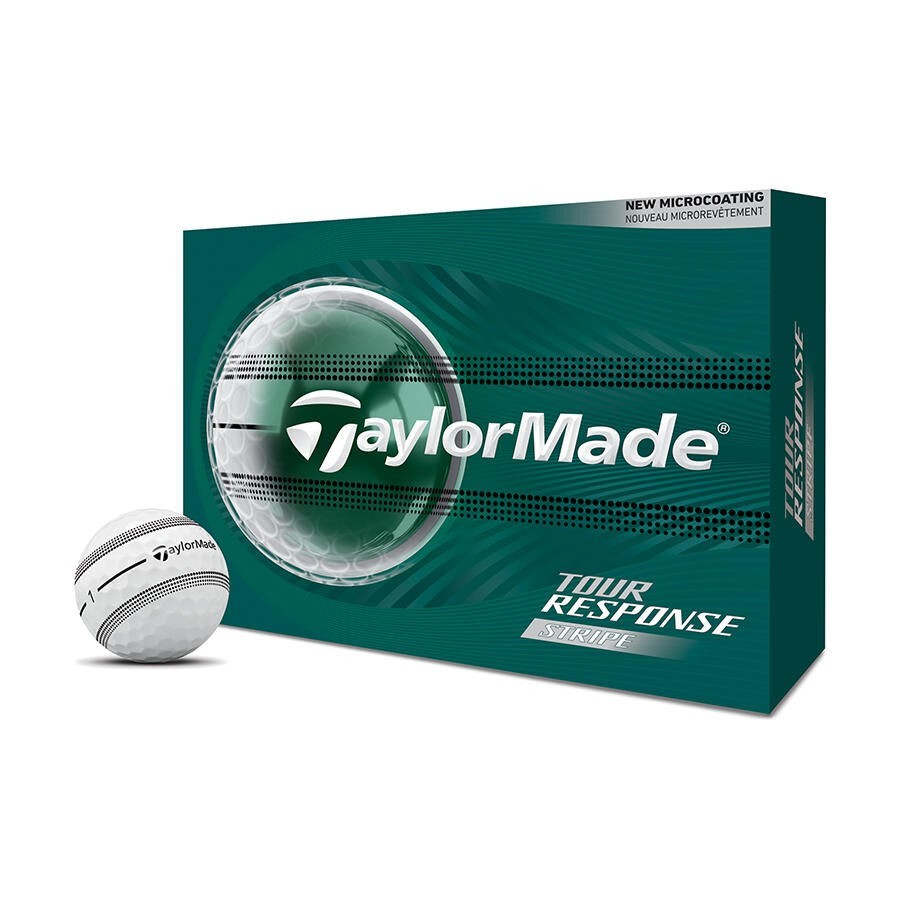 New TaylorMade Tour Response Stripe Golf Balls 2 Dozen Alignment Balls$70.00View on eBay
Highlights
- Construction tiers: 2-piece ionomer (durability/distance), 3-piece urethane (greenside spin), 4-5 piece tour (maximum workability, least forgiving).
- Compression ranges: senior/slow-swing models run 35-60; mainstream distance balls 70-90; tour balls 90-110+ require 95+ mph driver speed.
- Urethane covers scuff faster but generate 2-3x more greenside spin than ionomer; ionomer survives cart paths and full wedge grooves.
- Matte and yellow finishes improve visibility in overcast or fall-leaf conditions but matte urethane collects dirt and loses spin faster.
Best use cases
- High handicapper or beginner (15+ index): buy low-compression 2-piece ionomer balls in bulk dozens — skip urethane tour balls that magnify slices.
- Slow swing speed under 85 mph driver: pick 35-60 compression soft-core models; skip 100-compression tour balls that feel like rocks and lose carry.
- Senior golfer prioritizing distance and feel: choose 2-piece low-compression with high-visibility yellow; skip 4-piece tour balls needing 95+ mph speed.
- Single-digit player who attacks pins: urethane 3-piece tour ball is correct; skip distance rocks if greenside check matters more than 5 extra yards.
Buying tips
- Match compression to driver speed: under 85 mph → 35-60; 85-95 mph → 70-90; 95+ mph → 90-110. Mismatch costs carry and feel.
- Urethane only pays off with repeatable center contact; if you lose 4+ balls per round, ionomer two-piece saves money with minimal scoring loss.
- Buy recycled/near-mint (AAAA) tour balls at roughly half new cost; inspect for cover scuffs and discoloration that kill spin.
- For practice, hollow plastic airflow balls and mixed shag balls are correct for backyard/short-game reps — never expect tour performance.
Specs
| Construction | 2-piece ionomer to 4-piece urethane |
|---|---|
| Compression | 35-60 soft / 70-90 mid / 90-110+ tour |
| Cover Material | Urethane (spin) vs ionomer (durable) |
| Pack Sizes | 1 dozen, 3 dozen, 100-pack practice |
Related searches
best golf ballsgood golf ballsgolf balls for salecheap golf ballsaffordable golf ballsbest golf balls for seniorsbest golf ball for slow swing speedbest budget golf ballsbest golf balls for high handicappersbest cheap golf ballsbest golf balls for distancebest golf balls for mid handicappersbest golf balls for womenyellow golf ballscheap golf balls in bulkbest golf balls for average golferbest golf ball dealsmini golf ballsbest golf ball for metop rated golf ballsWhat to check before buying
- Know your driver swing speed (launch monitor or range app) to pick the compression tier before ordering dozens.
- Confirm course conditions: soft greens reward urethane spin; firm/fast greens and windy links favor low-spin ionomer.
- Check legality for tournament play: non-conforming practice/hollow balls are training-only and illegal for scored rounds.
- Verify dozen counts and condition grade — used AAAA vs near-mint changes scuff risk; order 3-dozen packs only after testing one sleeve.
FAQ
Data sources: eBay / Amazon listings and product attribute feeds Data updated Nov 16, 2026.
Some links on this page are affiliate links. If you buy after clicking one, we may earn a commission at no extra cost to you. This does not change which products appear here or their order. Affiliate disclosure.