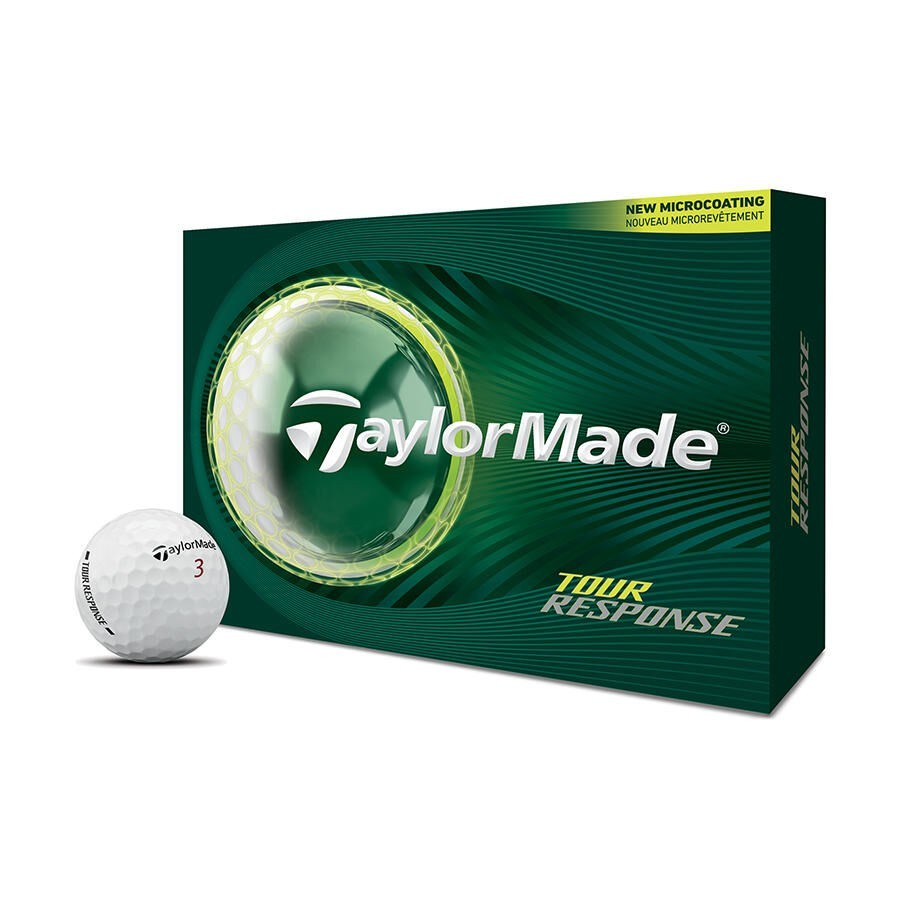

Photos from current listings. Actual item, color, and included accessories may vary.
TaylorMade Tour Response Buying Guide
The TaylorMade Tour Response is a three-piece urethane-cover golf ball engineered to deliver tour-level short-game spin and soft feel at a lower compression than premium tour balls. The core trade-off is compression versus green-side control: softer cores favor slower swing speeds and feel, while the urethane cover supplies the friction that cheap ionomer balls cannot match. Buy the standard Tour Response if you swing a driver under roughly 100 mph and want stoppy wedge shots; step up to TP5/TP5x or a firmer tour ball only if you need maximum iron distance at high speed.


At a glance
- Brand
- Not synced yet
- Model
- Not synced yet
- MPN
- Not synced yet
- Category
- Golf Balls
- Status
- Offers available
- Data updated
- Nov 16, 2026
Current offers
Highlights
- Three-piece construction with a cast urethane cover — urethane is the decisive spec, giving measurably more wedge spin and check than two-piece ionomer/surlyn balls.
- Compression sits in the mid-60s to low-70s, softer than TP5 (85) and TP5x (97), so it suits driver swing speeds roughly 85-100 mph.
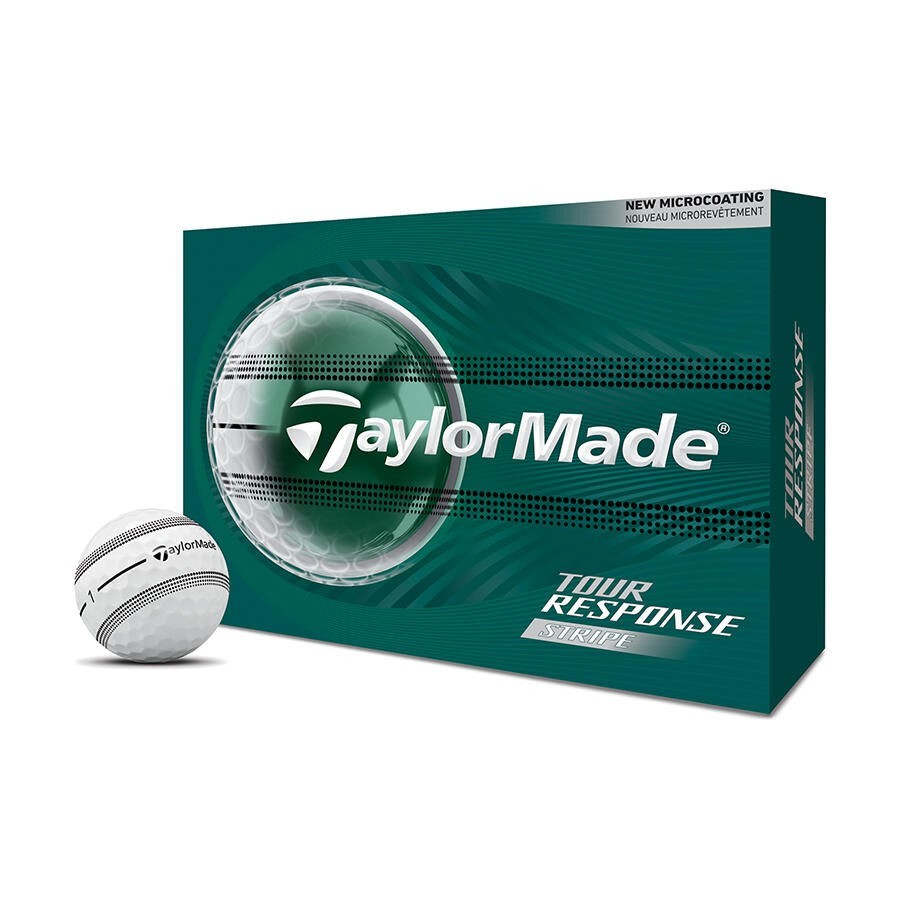
- Tour Response Stripe adds a 360-degree alignment band and a clear, colored stripe for putting and tee alignment; the core and cover construction are otherwise the same ball.
- TaylorMade's Speed Wrap core and aerodynamic dimple pattern prioritize straight, low-spin driver flight and soft feel rather than the high-spin tour profile of TP5.
Best use cases
- Best fit: mid-handicap players with 85-100 mph driver speed who want urethane wedge spin and soft putting feel without paying TP5 prices — buy the standard white Tour Response.
- Best fit: golfers who struggle with putter alignment and want a visual aid — choose Tour Response Stripe, which adds the alignment band on the same three-piece urethane build.
- Wrong fit: high-swing-speed players (105+ mph) chasing maximum iron distance and a firmer tour flight should skip it and buy TP5x or another high-compression tour ball.
- Wrong fit: budget-first shoppers who lose several balls per round and don't need short-game spin should buy a two-piece ionomer distance ball instead of paying for urethane.
Buying tips
- Match compression to swing speed: below 85 mph favors even softer low-compression balls; 85-100 mph is the Tour Response sweet spot; 100+ mph warrants a firmer tour ball for ball speed.
- Pick urethane over ionomer if wedge spin and green-side check matter — the cover material, not the number of pieces, drives short-game control.
- Choose the Stripe version only if you want the alignment aid; it is the same three-piece urethane ball, so you are not sacrificing performance for the stripe.
- Buy by the dozen or multi-dozen pack and confirm the ball is the current Tour Response generation, not the older Tour Response (2020) — the current model carries the updated Speed Wrap core.
Specs
| Construction | 3-piece / urethane cover |
|---|---|
| Compression | Mid-60s to low-70s (soft) |
| Best Swing Speed | 85-100 mph driver |
| Alignment Option | Standard white / Stripe band |
Alternatives to compare
Related searches
What to check before buying
- Know your driver swing speed or carry distance — under 100 mph keeps you in Tour Response's compression window; faster players should look at TP5x.
- Confirm you want a urethane cover for wedge spin; if you play mostly full shots and lose balls, a cheaper two-piece ball is the smarter spend.
- Decide between standard white and Stripe: Stripe adds an alignment band for putting, standard is the plain white ball with the same construction.
- Check the pack quantity (dozen vs multi-dozen) and that the listing specifies the current Tour Response model, not a prior generation.
FAQ
Data sources: eBay / Amazon listings and product attribute feeds Data updated Nov 16, 2026.
Some links on this page are affiliate links. If you buy after clicking one, we may earn a commission at no extra cost to you. This does not change which products appear here or their order. Affiliate disclosure.