Photos from current listings. Actual item, color, and included accessories may vary.
Flat Grill Buying Guide
A flat grill (griddle) replaces open grates with a solid steel or cast-iron plate, trading smoky char for full-surface searing, smash burgers, and teppanyaki-style cooking. The core trade-off is plate thickness and burner count: thin stamped steel heats unevenly and warps, while 3–4mm cold-rolled steel or cast iron paired with one burner per 8–10 inches of width holds heat under load. Buy a thick-plate, multi-burner gas unit for durability; skip thin single-burner tabletop plates if you cook for more than two people.


At a glance
- Category
- BBQ Grills & Smokers
- Data updated
- Nov 16, 2026
Current offers
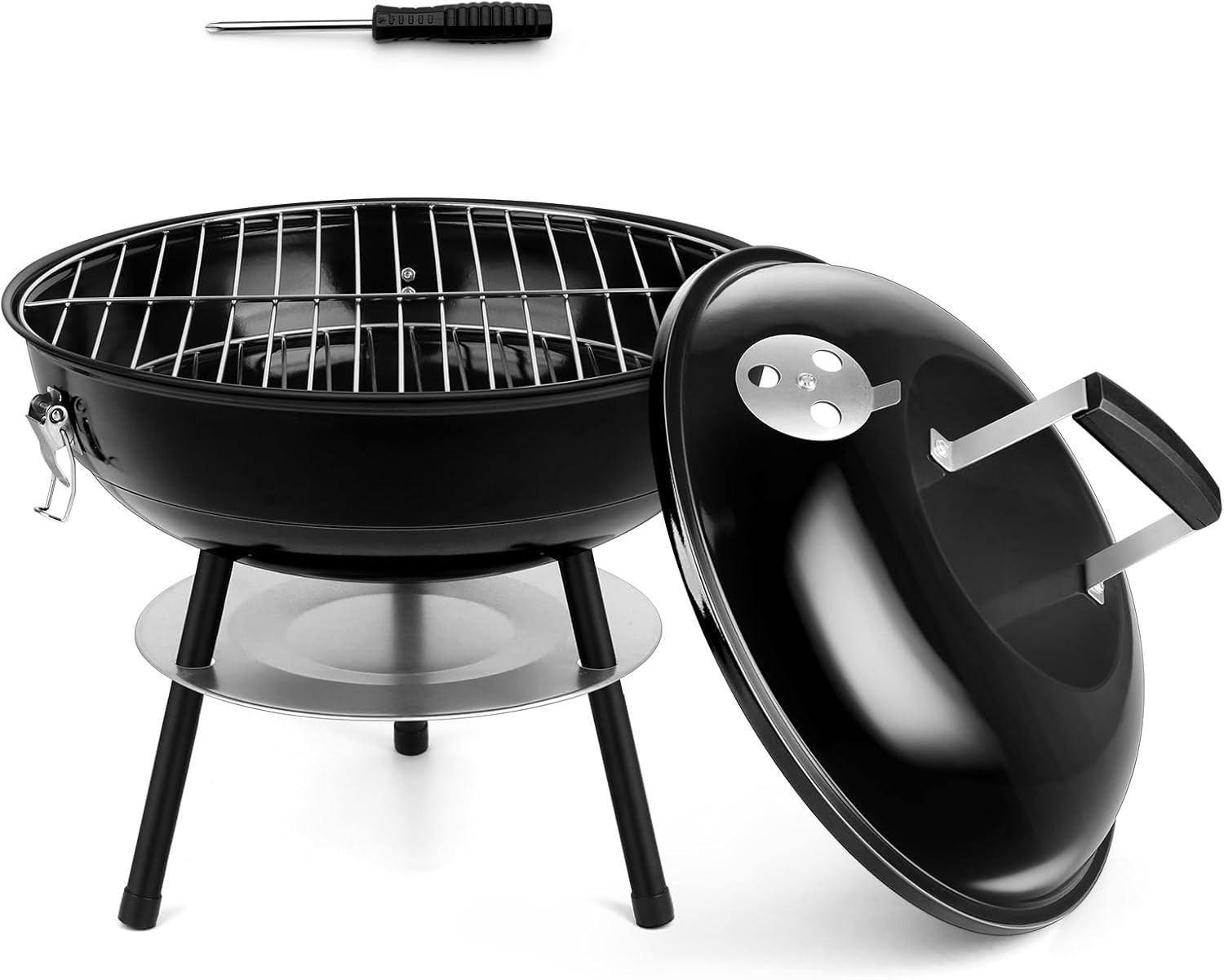 14 Inch Charcoal Grill, Small Black Enamel Outdoor BBQ Grill, Mini Flat Top Kett$50.93
 View on eBay
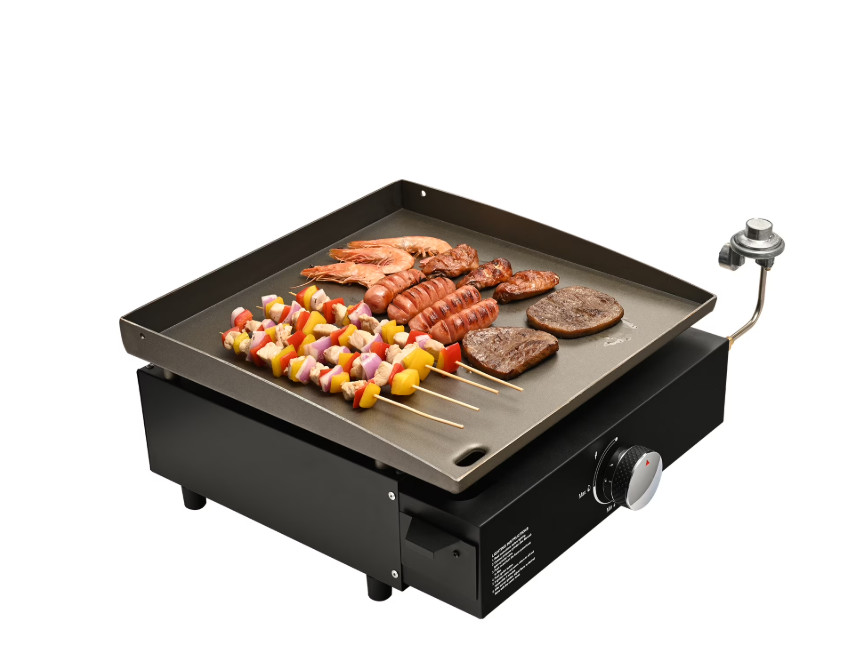 KFFKFF 17" Portable Propane Gas Grill 13000 BTU Flat Top Griddle Outdoor BBQ$62.89View on eBay
- KFFKFF 17" Portable Propane Gas Grill 13000 BTU Flat Top Griddle Outdoor BBQ$62.99View on eBay
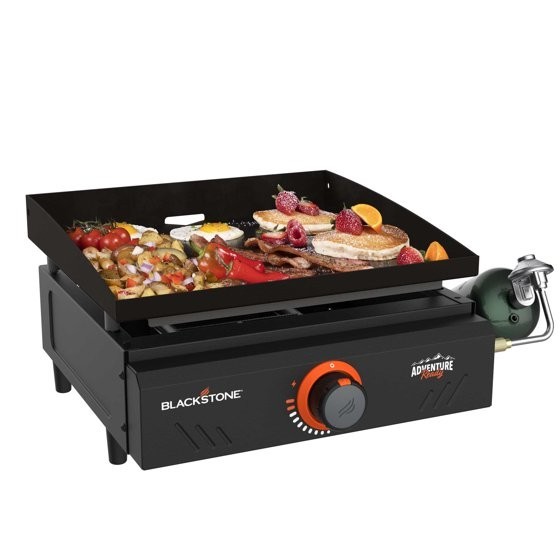 Blackstone 17” Outdoor Griddle, Single Burner Flat Top Grill, Black$89.92View on eBay
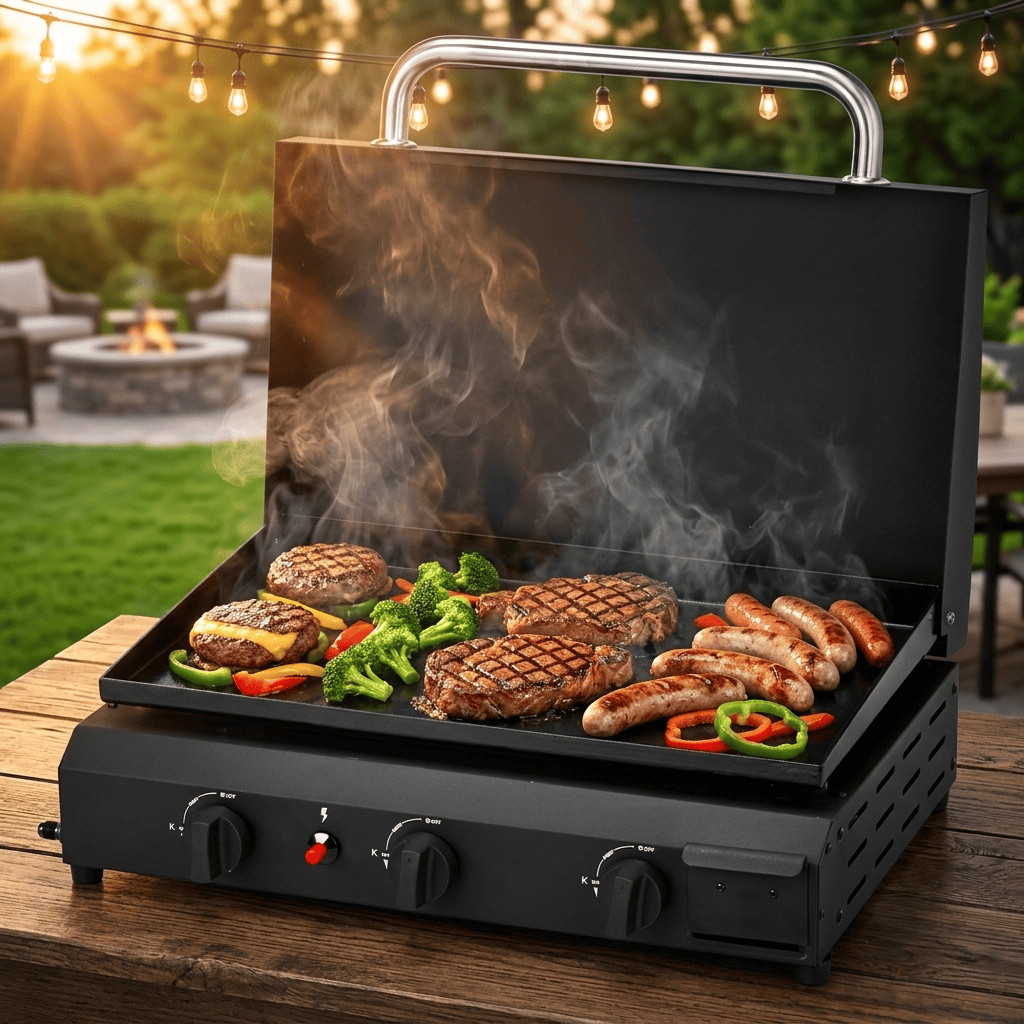 3 Burner Gas Griddle Flat Top Propane Grill Cast Iron Tabletop Outdoor Camping$120.53View on eBay
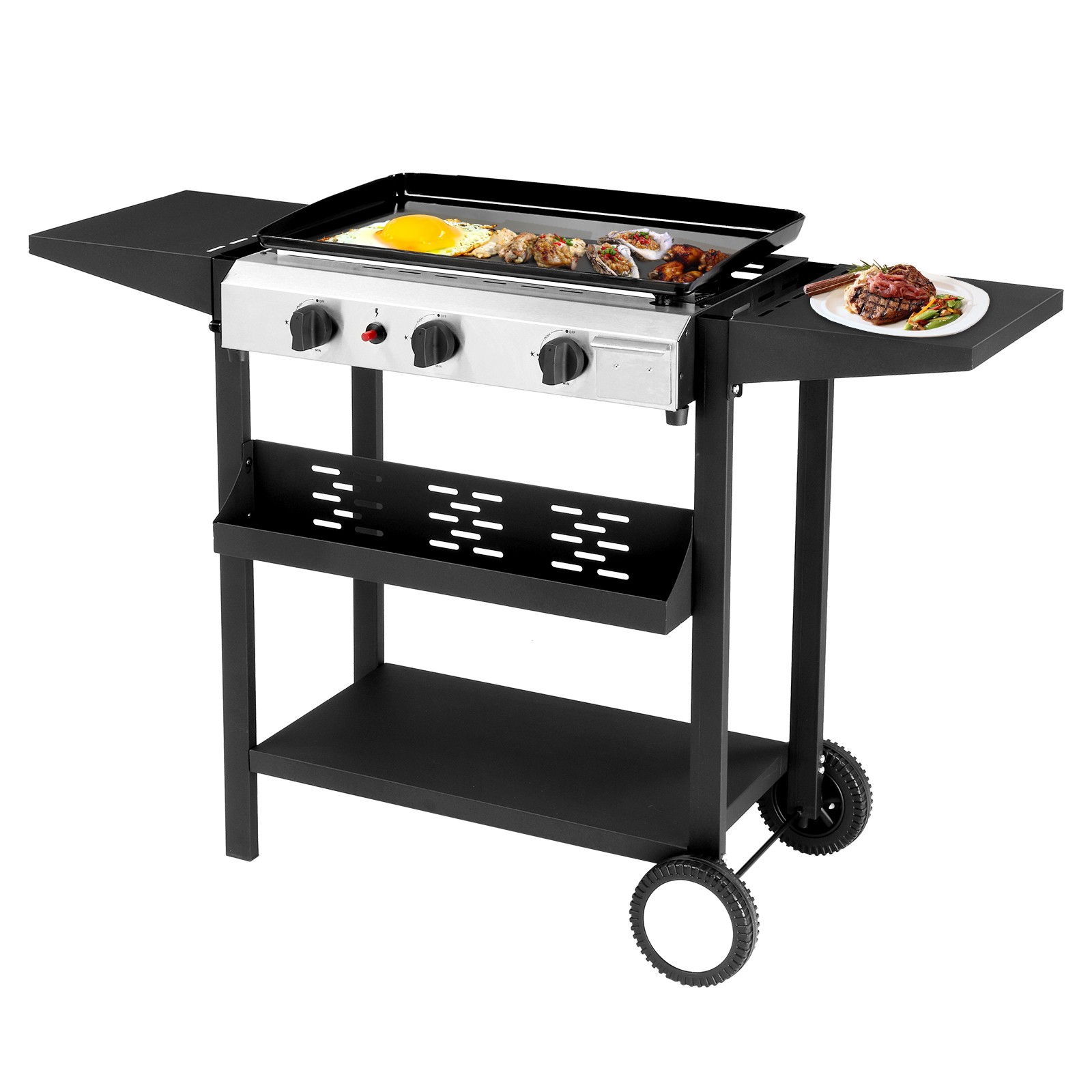 3-Burner Flat Top Gas Griddle Cooking Station 30000 BTU Propane Outdoor Barbecue$128.99View on eBay
- 34" Outdoor Griddle Station with Side Shelf, 3 Burner Flat Top Gas Grill Propane$129.99View on eBay
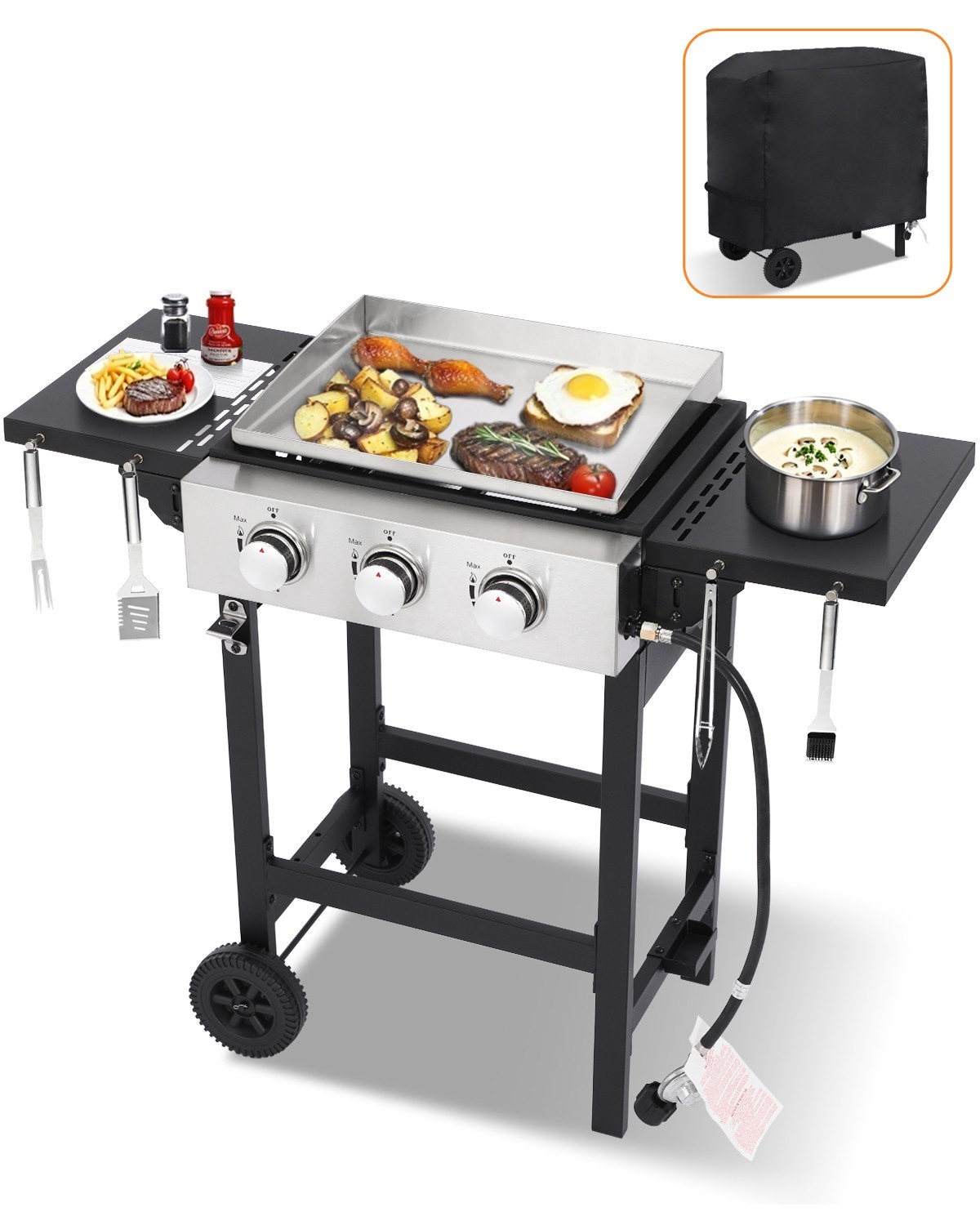 Flat Top Gas Grill with 3 Burners Propane Outdoor Griddle on Cart 30,000 BTU$135.99View on eBay
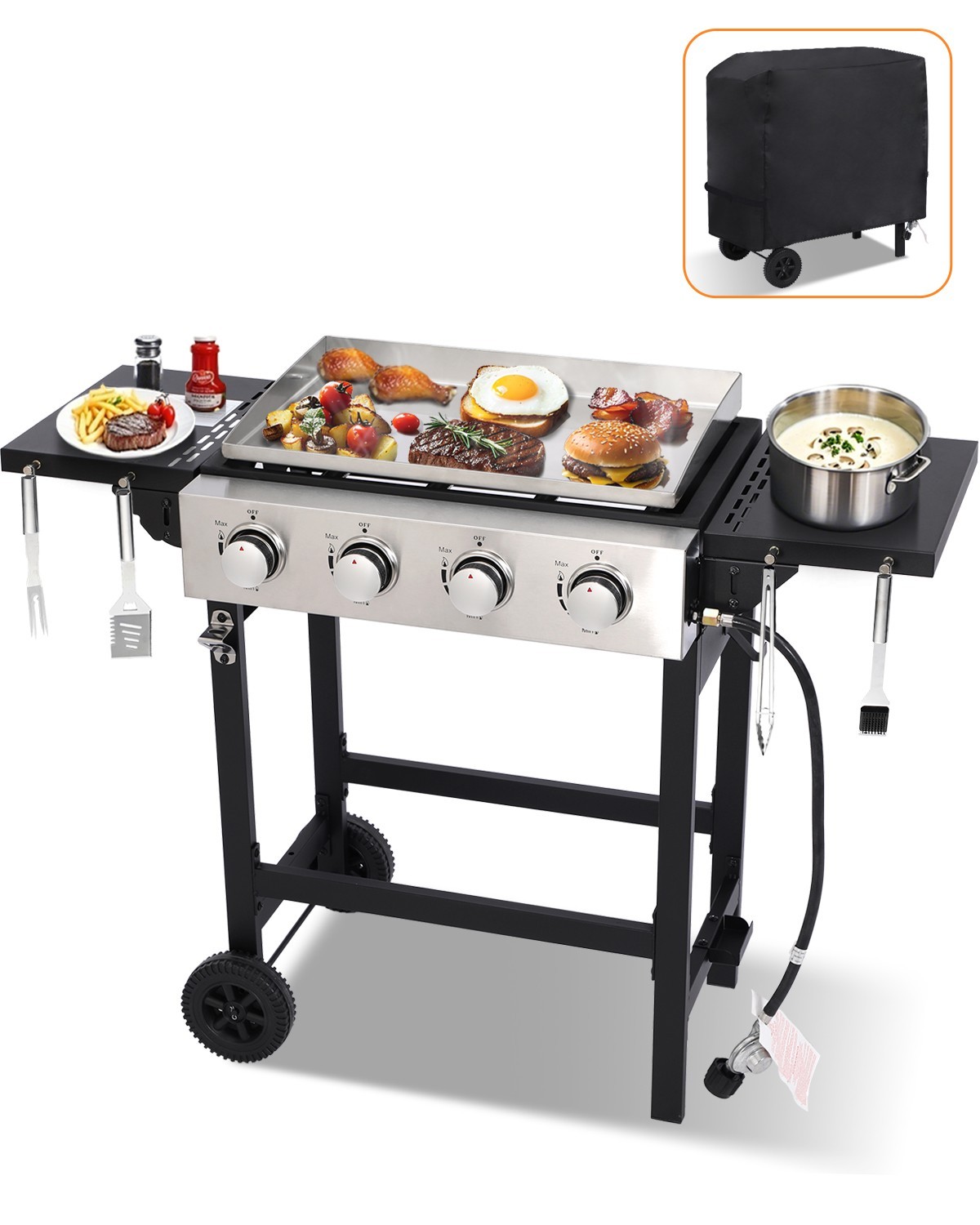 Propane Gas Griddle 4-Burner Flat Top Grill Griddle with Wheel Cover for Outdoor$149.99View on eBay
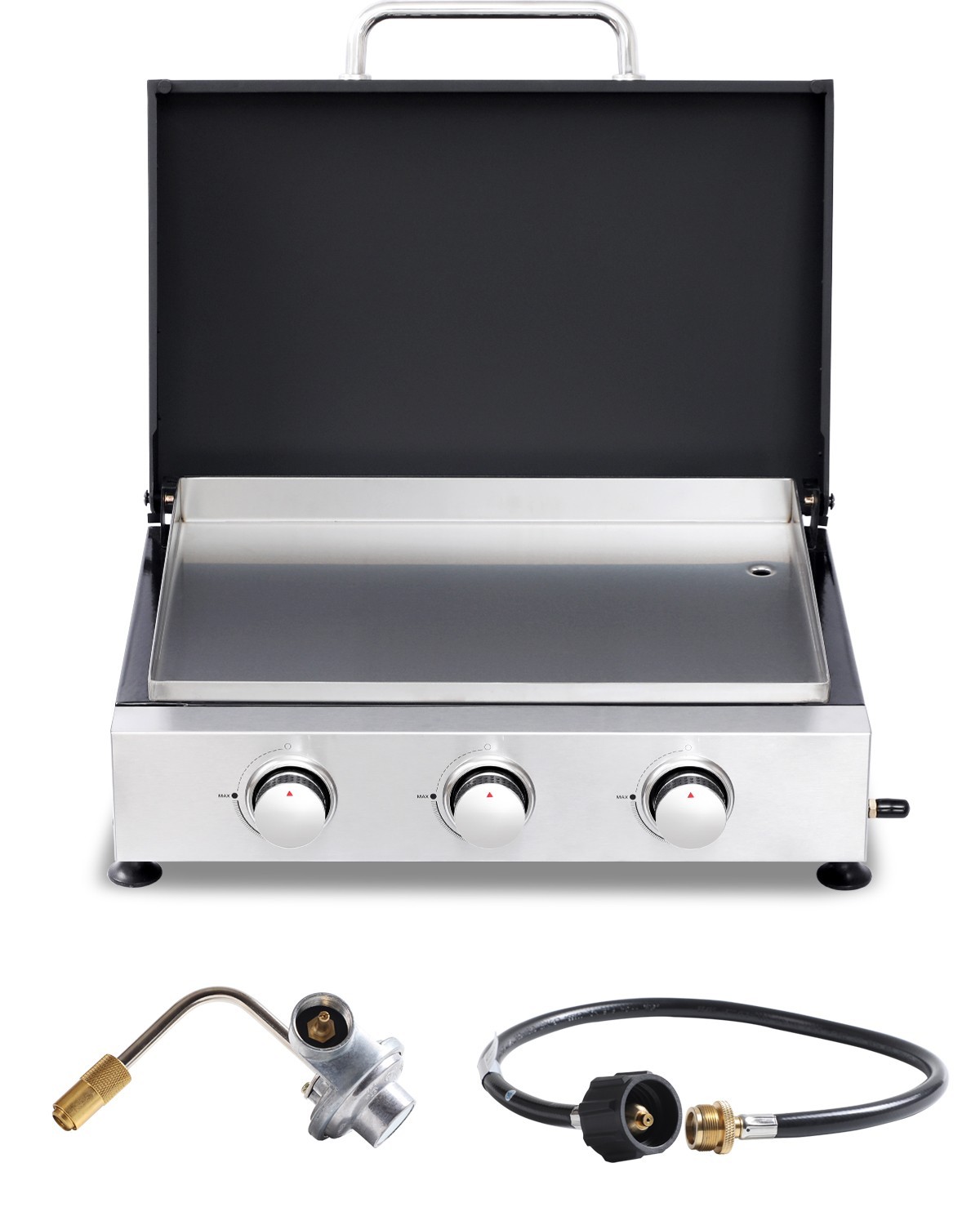 22" Flat Top Grill with Lid,3 Burner Portable Gas Griddle for Outdoor, BBQ, Camp$149.99View on eBay
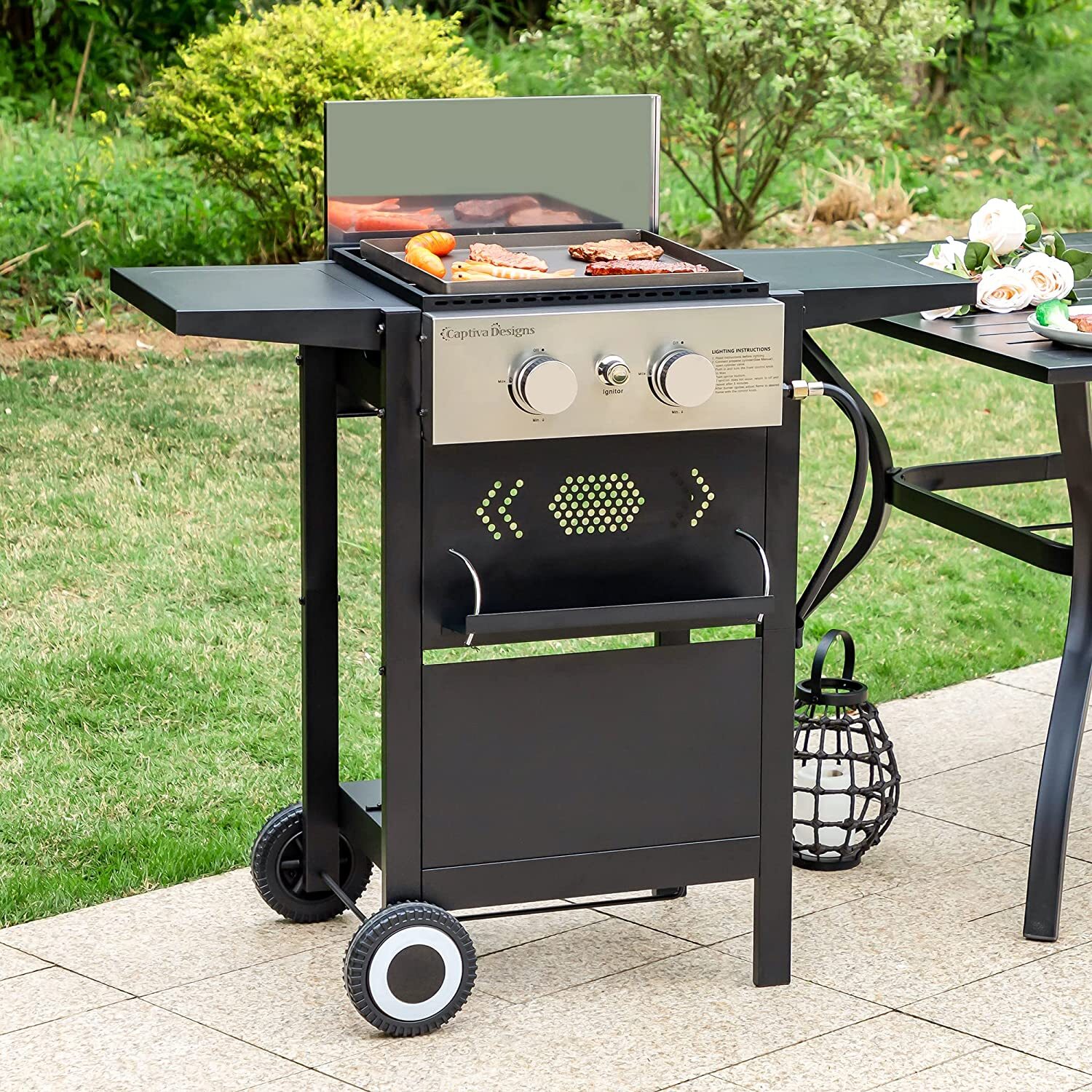 Propane Gas Grill 2 Burner Flat Top Griddle Outdoor Cooking BBQ Garden Barbeque$149.99View on eBay
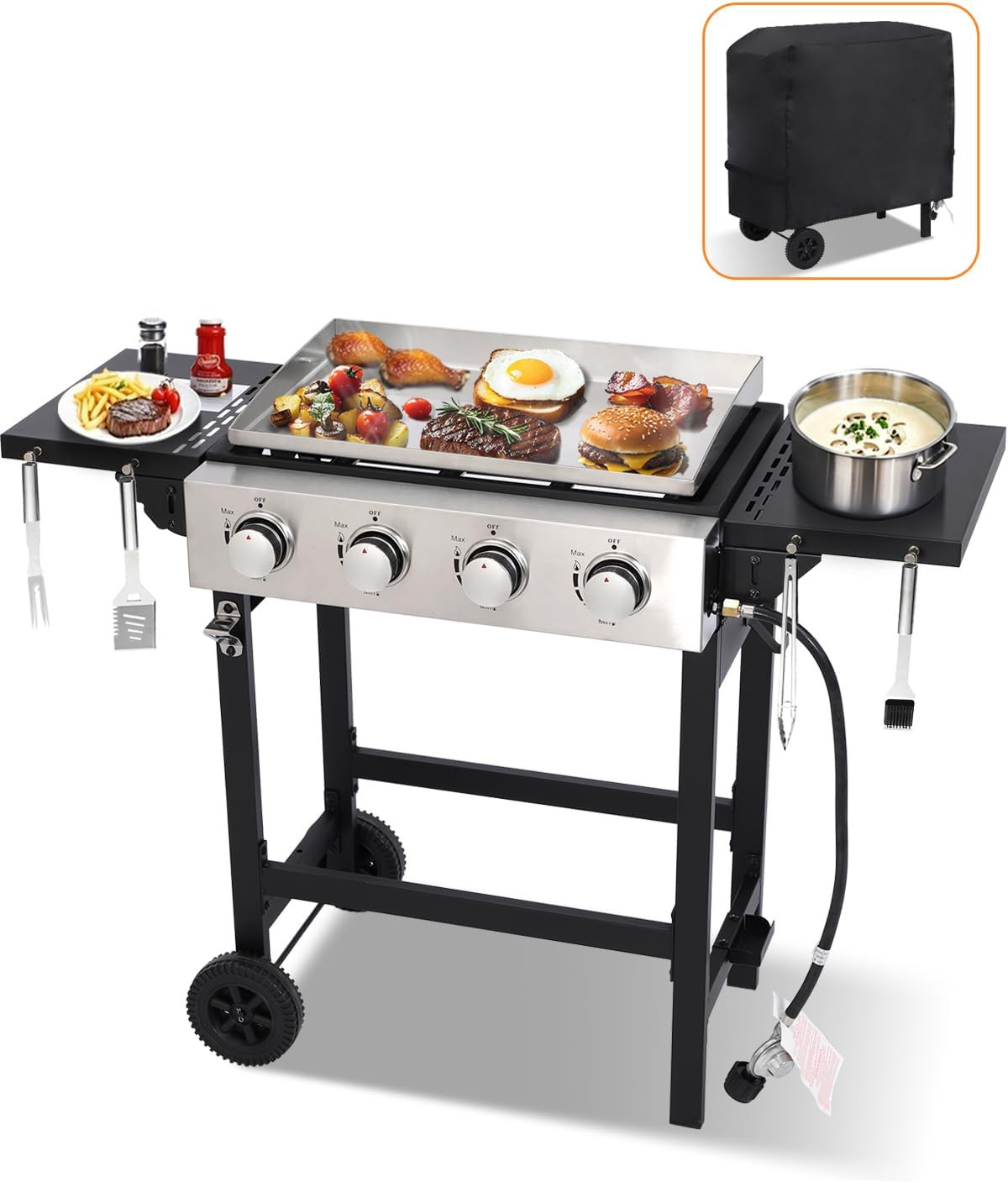 Propane Gas Griddle 4-Burner, Flat Top Grill Griddle, Outdoor Gas Stove with Fol$150.13View on eBay
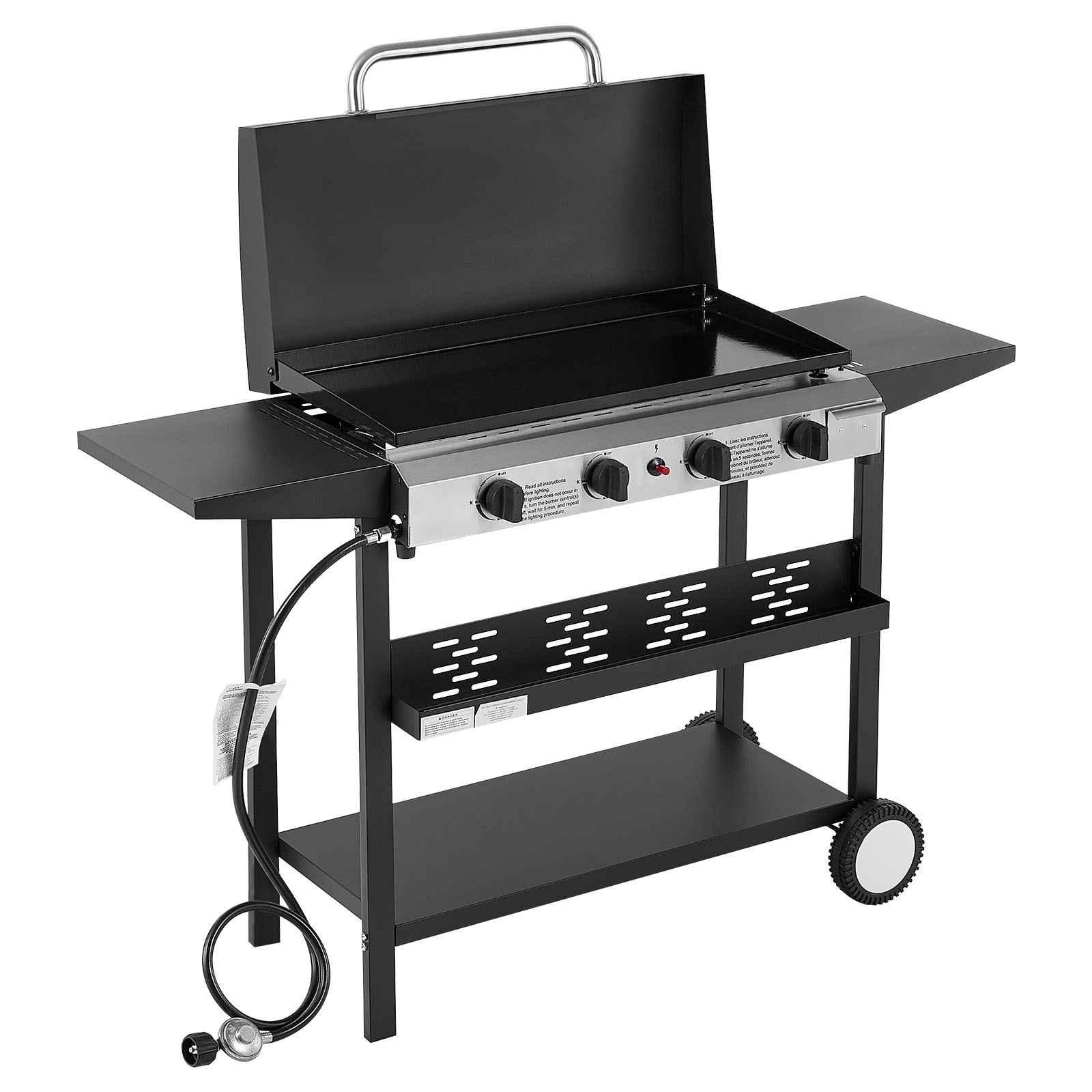 4-Burner Flat Top Gas Griddle Cooking Station Propane Outdoor Barbecue Backyard$183.99View on eBay
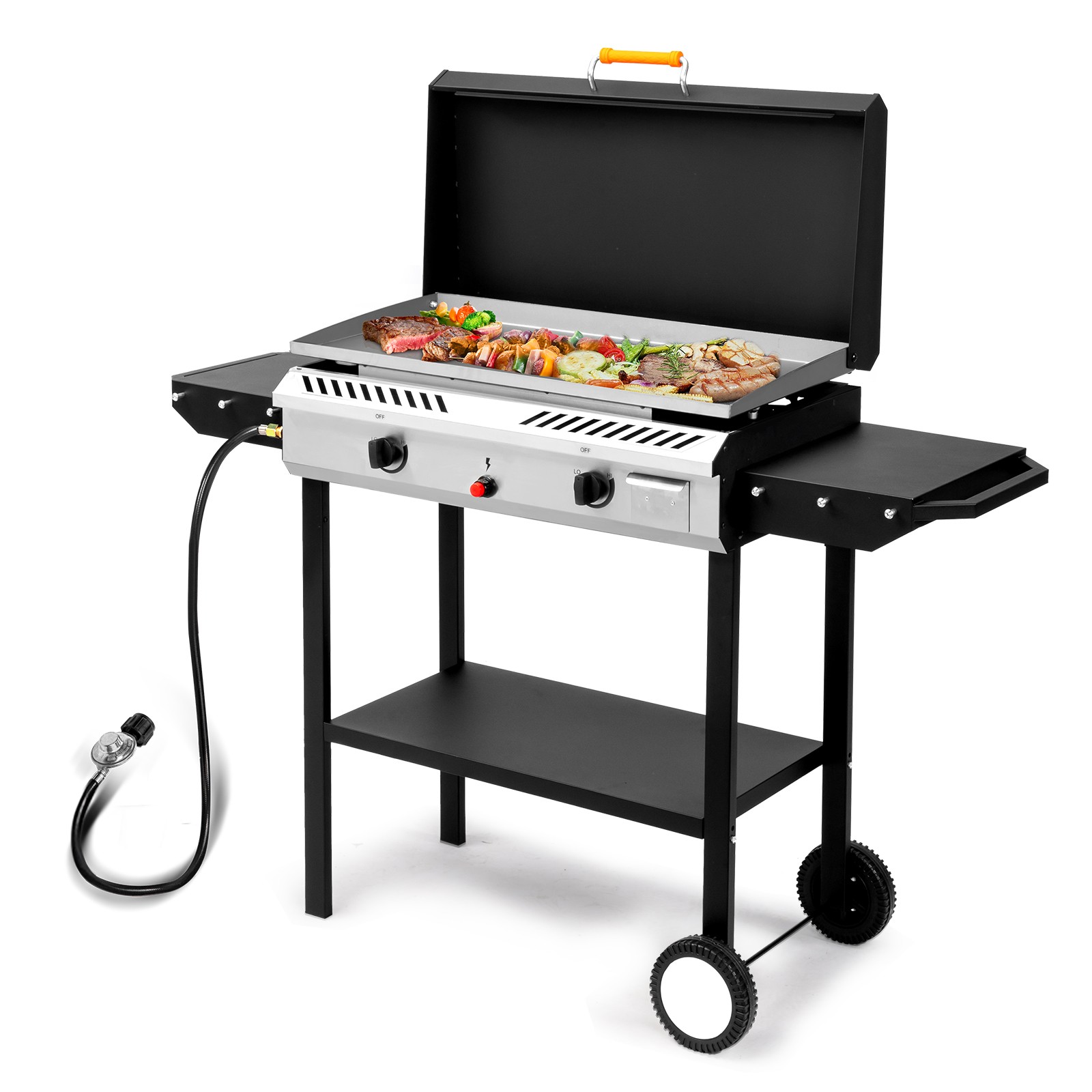 Propane Burner Grill 55" Flat Top Grill Griddle Cooking Station with Side Shelf$192.99View on eBay
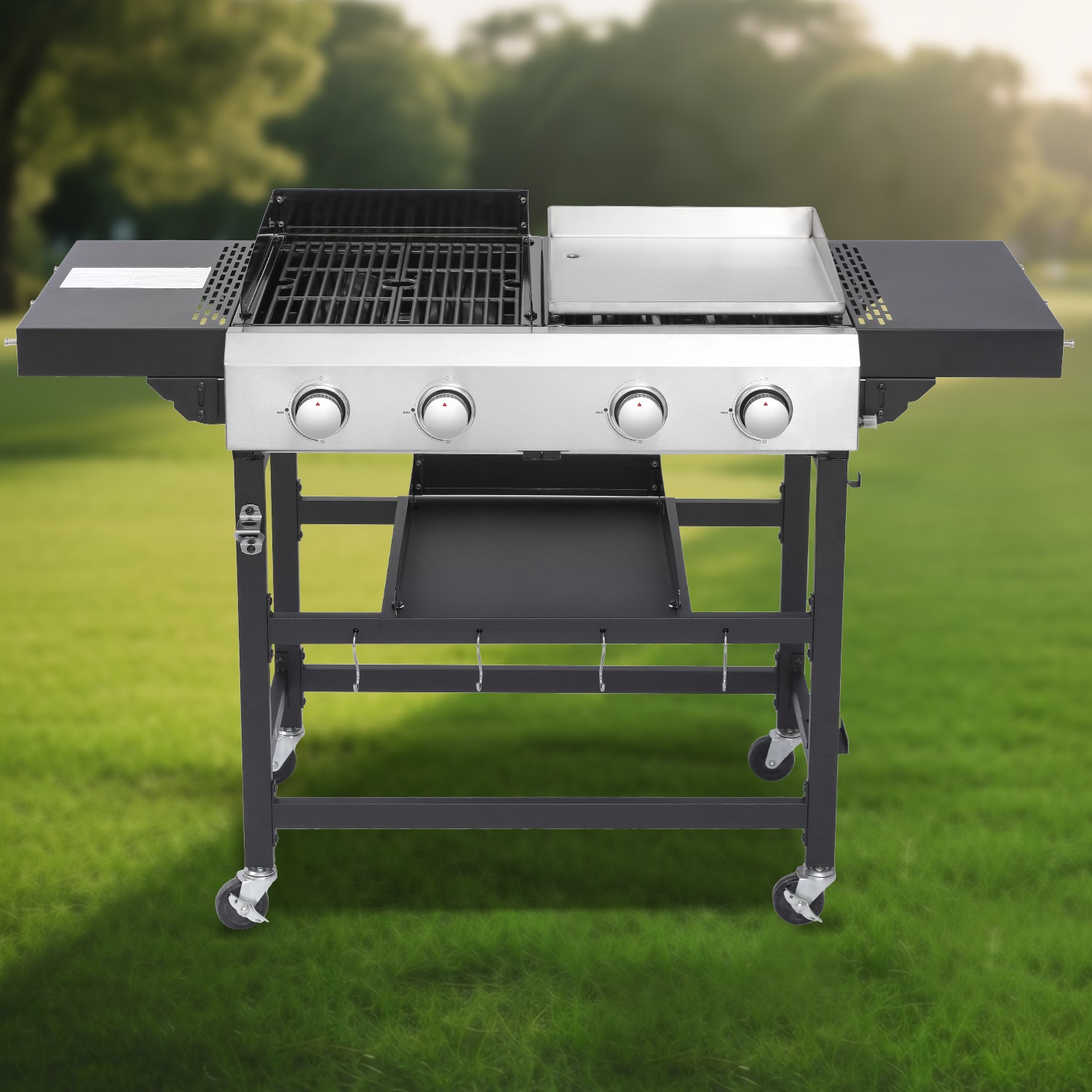 2+2 Plancha Gas Grill Flat Top BBQ Grill Outdoor Cooking Griddle Stove$371.00View on eBay
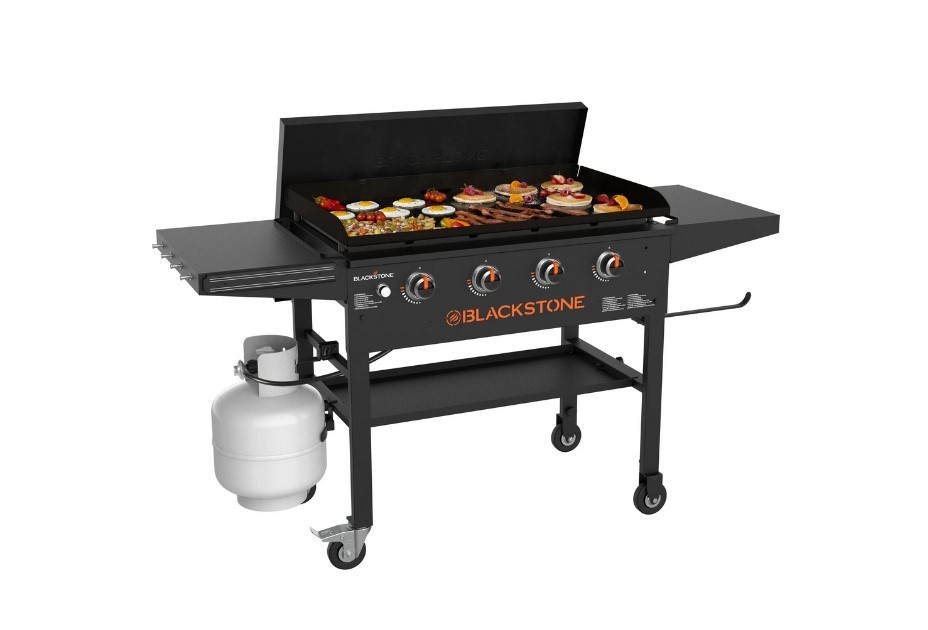 Blackstone Original Outdoor Griddle, 4-Burner 36" Flat Top Grill with Hard Cover$497.00Last checked Nov 14, 2026View on eBay
Highlights
- Plate material defines heat retention: 3–4mm cold-rolled steel or cast iron resists temperature drop when food is added; 1–2mm stamped steel warps and hotspots.
- Burner-to-width ratio: plan one 10,000–15,000 BTU burner per 8–10 inches of cooking width; a 22-inch plate needs 2–3 burners for zone control.
- Gas griddles use standard 1 lb propane cans or a QCC1 hose to a 20 lb tank; built-in models require a dedicated gas line or LP conversion kit.
- Enamel-coated charcoal kettles with a flat insert are hybrid units; they sear but lack the precise multi-zone gas control of a true flat-top griddle.
Best use cases
- Best fit: 17–22 inch portable propane griddle (13,000–30,000 BTU, 2–3 burners) for camping, tailgating, and small patios—light enough for one person and fits a standard picnic table.
- Best fit: 28–36 inch cart-mounted 3–4 burner gas griddle for family cooking and backyard events; the wide plate handles full breakfasts and batch smash burgers.
- Wrong fit: thin single-burner tabletop plates for groups larger than two—heat recovery is too slow and the plate cools when loaded; step up to a 2-burner minimum.
- Wrong fit: charcoal kettle with flat insert if you need precise zone control or quick startup; choose a dedicated gas griddle instead.
Buying tips
- Match plate thickness: 3mm or thicker cold-rolled steel or cast iron for daily use; 1.5–2mm steel is acceptable only for occasional portable cooking.
- Count burners against width: 17 inch = 1–2 burners, 22 inch = 2–3, 28–36 inch = 3–4; fewer burners per inch means poor zone control.
- Check the grease management: a front grease trough with a removable catch cup is easier to clean than rear-drain or slot-only designs.
- Verify fuel compatibility: portable units run on 1 lb cans or a QCC1 hose; built-in and cart models need a 20 lb tank or natural-gas conversion kit.
Specs
| Plate Material | Cold-rolled steel / cast iron / enamel |
|---|---|
| Burner Count | 1–4 burners by width |
| Cooking Width | 17 / 22 / 28–36 in |
| Fuel Type | Propane (1 lb can / 20 lb tank) |
Related searches
What to check before buying
- Measure your cooking surface need: allow 12–15 inches of plate width per two diners; a 22-inch plate suits 2–4 people, 36 inches suits 6+.
- Confirm table or cart footprint: portable griddles need 20–24 inches of depth and a heat-safe surface; cart models need 40–50 inches of patio space.
- Check fuel and storage: 1 lb propane cans for portability, or a 20 lb tank with a QCC1 hose for stationary use; store tanks upright outdoors.
- Plan seasoning and cleaning: bare steel and cast iron require oil seasoning and no soap; enamel or nonstick plates clean easier but sear less aggressively.
FAQ
Data sources: eBay / Amazon listings and product attribute feeds Data updated Nov 16, 2026.
Some links on this page are affiliate links. If you buy after clicking one, we may earn a commission at no extra cost to you. This does not change which products appear here or their order. Affiliate disclosure.