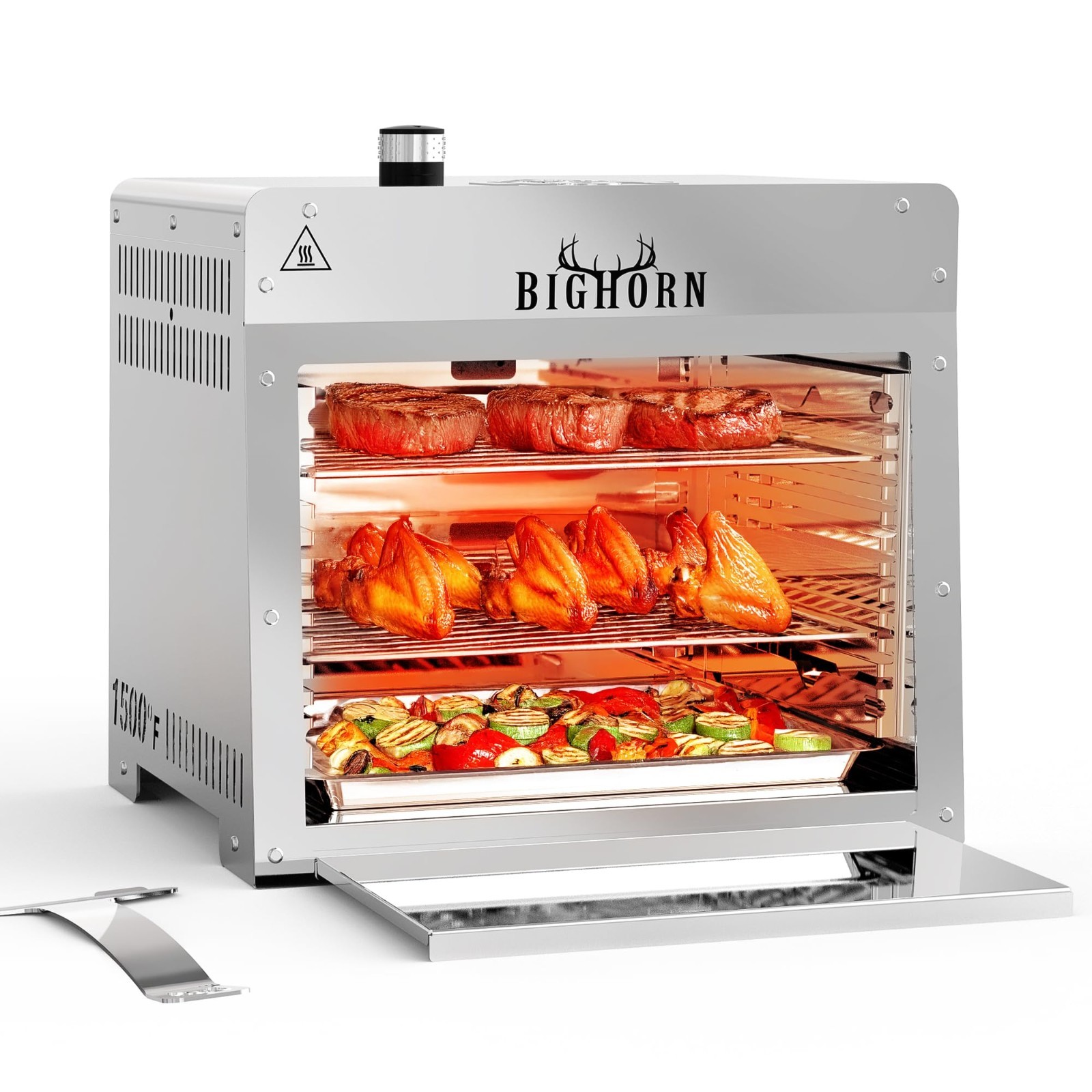

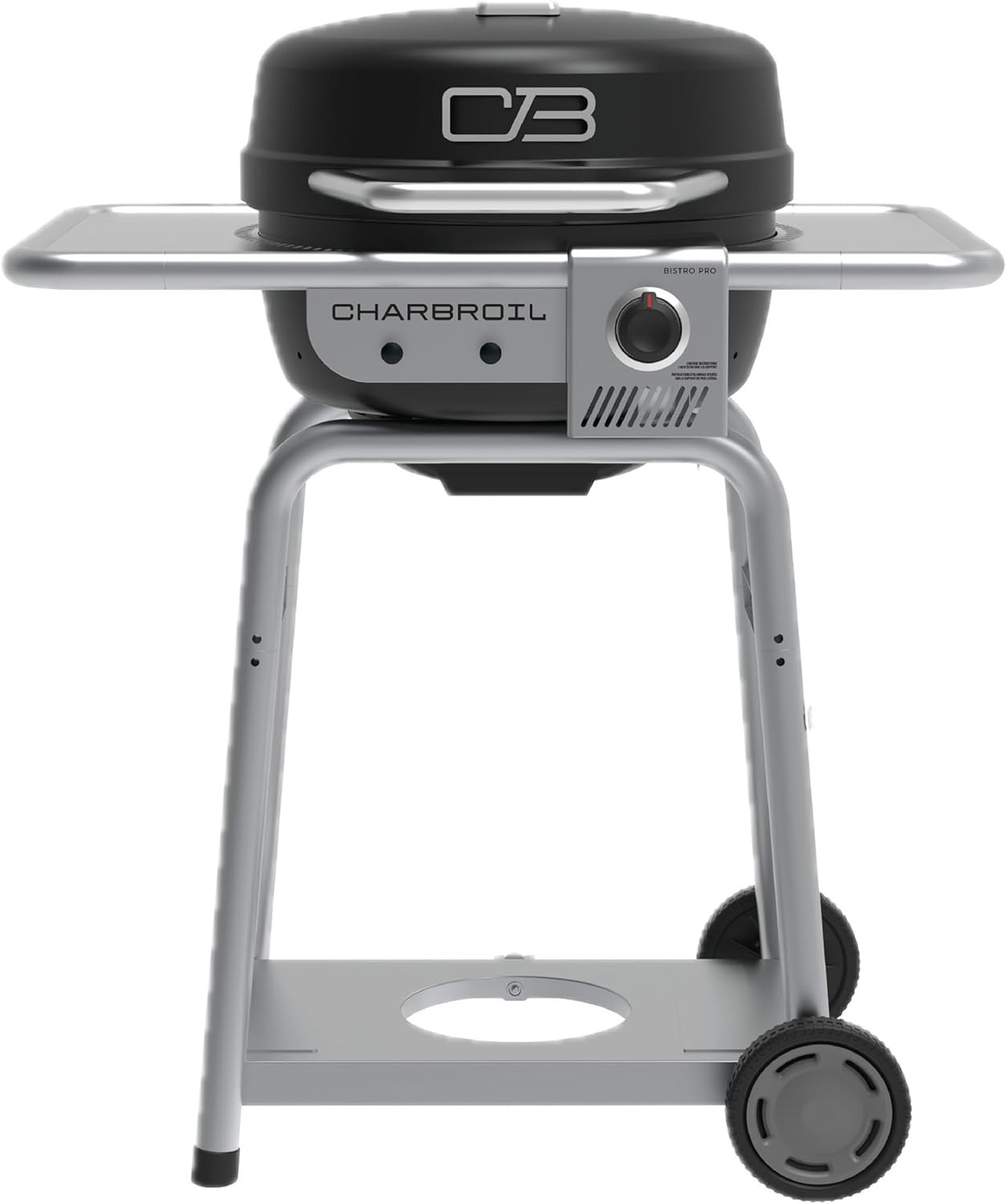
Photos from current listings. Actual item, color, and included accessories may vary.
Small Gas Grill Buying Guide
A small gas grill is a compact propane-powered cooker (portable tabletop or small cart) for balconies, patios, and tailgates. The core trade-off is burner output and grate material versus body gauge and wind resistance—cheap units use thin steel and low-BTU single burners that rust and scorch unevenly. The decision rule: buy a model with at least two independently controlled burners, a cast-aluminum or porcelain-coated firebox, and a stainless or cast-iron grate rated for the heat output.


At a glance
- Category
- BBQ Grills & Smokers
- Data updated
- Nov 16, 2026
Current offers
Highlights
- Infrared burners reach 1500°F+ for searing but consume propane fast and need a dedicated zone—standard tube burners top out around 600-700°F.
- Porcelain-coated cast-iron grates hold heat and resist flare-ups better than chrome-plated steel wire, which warps and flakes within a few seasons.
- Dual independently controlled burners (even at 8,000-12,000 BTU each) allow two-zone cooking; single-burner tabletop units force all-or-nothing heat.
- Stainless steel bodies vary: 304-grade resists rust, while 430-grade or painted steel rusts at weld points and hinges in humid coastal climates.
Best use cases
- Balcony or small patio with 1-2 people: pick a two-burner tabletop (10,000-15,000 BTU total) with folding legs and a lid thermometer; skip full-size carts that exceed railing clearance.
- Tailgating or camping: choose a portable under 30 lbs with a locking lid and regulator that runs on 1 lb disposable cylinders; skip infrared sear stations that guzzle fuel and need a 20 lb tank.
- Apartment dweller with strict HOA or fire-code rules: select a compact electric or low-smoke gas model with a grease cup; skip charcoal-hybrid units that produce embers and ash.
- Family of 3-4 cooking full meals: step up to a small cart grill with 350-450 sq in of primary cooking area and side shelves; skip tabletop units under 200 sq in that can't fit four burgers and vegetables.
Buying tips
- Match burner output to grate area: aim for 80-100 BTU per sq in of primary cooking space; below 60 BTU/sq in struggles to sear, above 120 wastes fuel.
- Confirm the regulator and hose are included and rated for the regional propane standard (QCC1/Type 1 in North America); European buyers need a 30 mbar regulator with the correct clip-on fitting.
- Choose a firebox material by climate: cast aluminum or porcelain-coated steel for humid/coastal areas, bare stainless 304 for dry climates; painted steel rusts at seams within two seasons.
- Check the lid thermometer and grease management: a built-in gauge plus a removable drip tray prevents flare-ups and makes indirect cooking possible on small footprints.
Specs
| Burner Type | Standard tube vs infrared sear zone |
|---|---|
| Total BTU | 8,000-30,000 BTU (tabletop to cart) |
| Grate Material | Porcelain cast iron / stainless / chrome steel |
| Body Material | Cast aluminum / 304 stainless / painted steel |
Related searches
What to check before buying
- Measure your balcony or patio depth and railing height—allow at least 12 in of clearance behind and above the lid for safe operation.
- Verify your fuel source: 1 lb disposable cylinders suit portables, but a 20 lb tank needs a stable base and a hose long enough to reach the grill.
- Check local fire codes for open-flame grills on balconies; many high-rises require electric or enclosed propane models with a grease catch.
- Confirm the grill fits your vehicle trunk or storage closet when folded—tabletop units run 20-30 lbs and 24-30 in wide; cart models need 36-48 in of floor space.
FAQ
Data sources: eBay / Amazon listings and product attribute feeds Data updated Nov 16, 2026.
Some links on this page are affiliate links. If you buy after clicking one, we may earn a commission at no extra cost to you. This does not change which products appear here or their order. Affiliate disclosure.