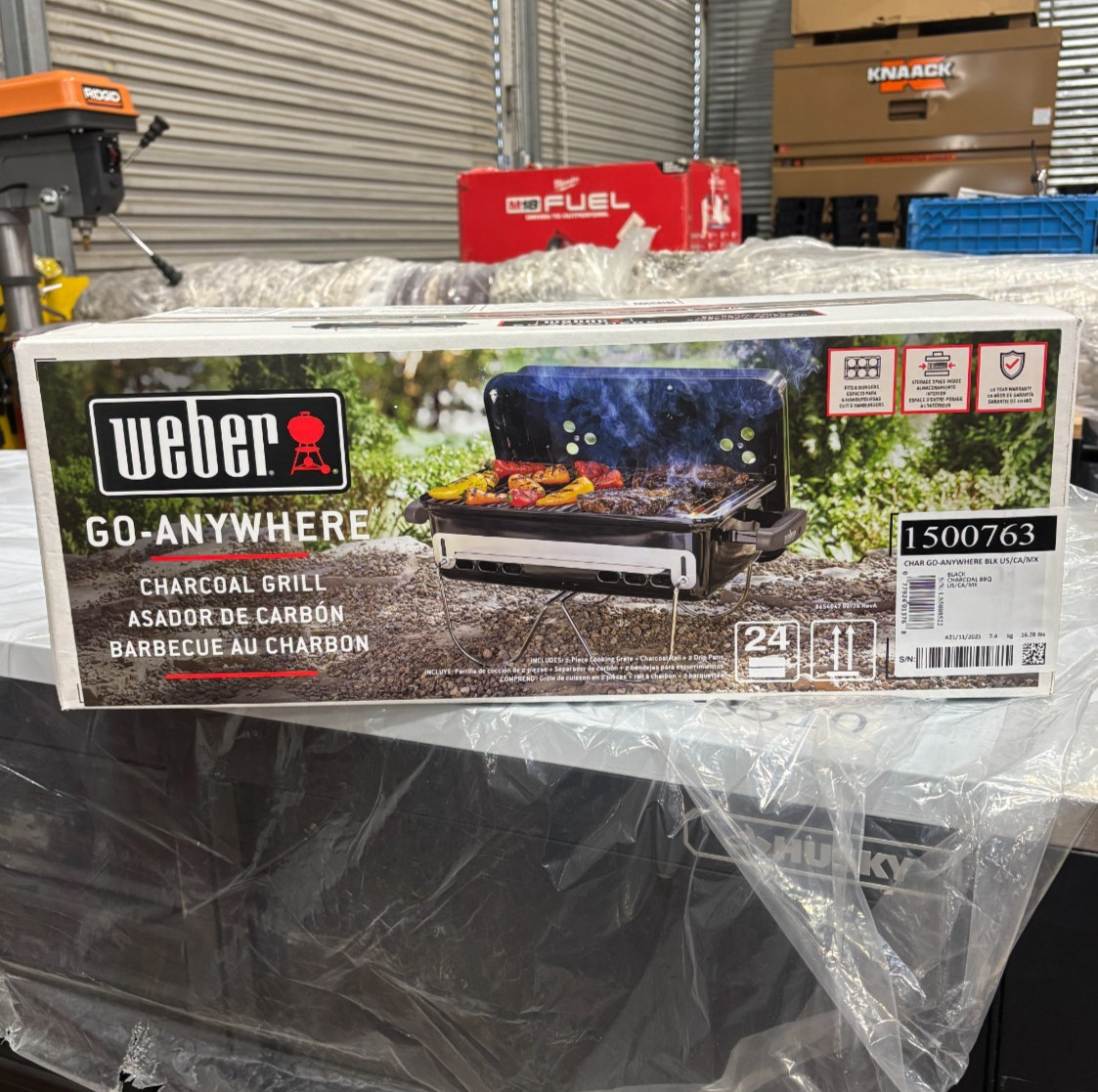

Photos from current listings. Actual item, color, and included accessories may vary.
Weber Bbq Grill Buying Guide
Weber BBQ grills are defined by their fuel architecture—charcoal kettle, gas, or electric—and the steel gauge and porcelain-enamel coating that determine heat retention and rust resistance. The primary trade-off is price versus durability: thin, uncoated steel warps and corrodes within seasons, while heavier porcelain-enameled steel and cast-aluminum fireboxes last for years. The decision rule: buy a model with a porcelain-enameled lid and firebox and a minimum 22-inch diameter or 3-burner gas configuration; skip any Weber grill with an open cart and uncoated steel charcoal grate.


At a glance
- Category
- BBQ Grills & Smokers
- Data updated
- Nov 17, 2026
Current offers
Highlights
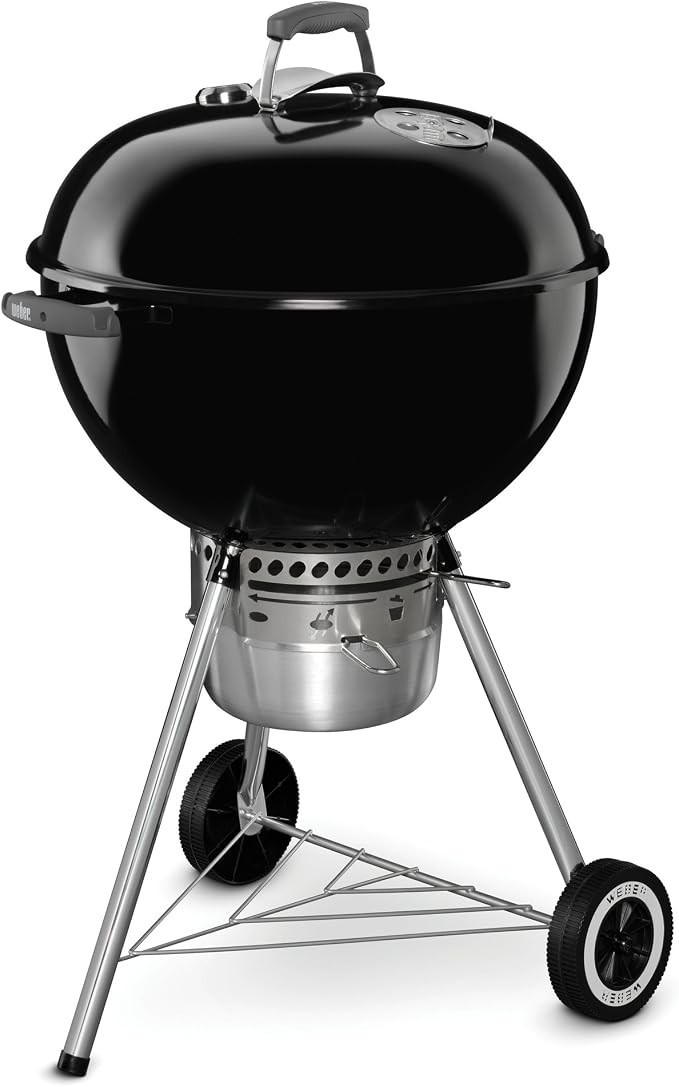
- Kettle charcoal grills use a porcelain-enameled steel bowl and lid; premium tiers add a hinged lid and ash catcher for one-touch cleaning.
- Go-Anywhere portable uses a porcelain-enameled steel body with a nickel-plated steel cooking grate and a 4-position wire lid lock.
- Gas models are built around a cast-aluminum firebox with stainless-steel or porcelain-enameled steel burners; Genesis and Summit lines add a side burner and sear station.
- SmokeFire pellet grills use a digital controller with an auger-driven burn pot and a porcelain-enameled steel cooking chamber.
Best use cases
- Best fit: backyard direct and indirect grilling for 4-8 people—choose the 22-inch Original Kettle Premium with hinged lid and ash catcher.
- Best fit: camping, tailgating, or small balconies—choose the Go-Anywhere charcoal model; skip full-size kettles if storage space is under 2 feet wide.
- Wrong fit: high-wind or rainy climates without a covered patio—skip open-cart gas models and choose a cabinet-style gas grill with a sealed firebox.
- Wrong fit: apartment balconies with charcoal bans—choose an electric Weber model (e.g., Q or Pulse) only where the building permits electric grills; skip charcoal and gas entirely.
Buying tips
- For charcoal, match kettle diameter to batch size: 18-inch for 1-4 people, 22-inch for 4-8, 26-inch for 8+ or large cuts; smaller kettles run hotter and need more fuel per pound.
- For gas, count burners and BTU per burner: 3 burners at 8,000-10,000 BTU each cover a 400-500 sq in cooking area; add a sear station only if you grill steaks above 600°F.
- Check the cooking grate material: cast-iron retains heat for searing, stainless steel resists rust, and porcelain-enameled steel is easiest to clean but chips if dropped.
- Verify the ash system: a one-touch cleaning system with a removable ash catcher saves 10-15 minutes per cook versus a wire-grate bottom bowl.
Specs
| Fuel Type | Charcoal / Propane / Natural Gas / Electric / Pellet |
|---|---|
| Body Material | Porcelain-enameled steel / Cast aluminum |
| Cooking Grate | Cast iron / Stainless steel / Porcelain-enameled steel |
| Kettle Diameter | 18 in / 22 in / 26 in (charcoal models) |
Related searches
What to check before buying
- Measure your patio or deck footprint: a 22-inch kettle needs at least 2.5 feet of clearance on all sides; a 3-burner gas cart needs a 4-foot by 2-foot pad.
- Confirm your fuel type and local code: charcoal grills are banned on many apartment balconies; gas grills require a propane tank (20 lb standard) or natural-gas conversion kit.
- Check the lid clearance: a hinged-lid kettle needs 3-4 feet of vertical space above the grill to open fully; a flat-lid Go-Anywhere needs no overhead clearance.
- Verify the grate width against your cookware: 22-inch kettles fit a 12-inch cast-iron skillet and a full rack of ribs; 18-inch kettles fit only a 10-inch skillet.
FAQ
Data sources: eBay / Amazon listings and product attribute feeds Data updated Nov 17, 2026.
Some links on this page are affiliate links. If you buy after clicking one, we may earn a commission at no extra cost to you. This does not change which products appear here or their order. Affiliate disclosure.