Photos from current listings. Actual item, color, and included accessories may vary.
Kayak Paddle Buying Guide
A kayak paddle is a human-powered propulsion tool whose performance is defined by shaft stiffness-to-weight, blade shape and material, and a length that matches your boat's beam and your torso height. The core trade-off is aluminum/plastic (cheap, heavy, flexy, durable) versus fiberglass or carbon (lighter, stiffer, efficient, pricier). The decision rule: buy by measured length and blade style for your boat and body, and step up to fiberglass or carbon only if you paddle more than a few times a season or cover long distances.

At a glance
- Category
- Human-Powered Water Sports
- Data updated
- Nov 16, 2026
Current offers
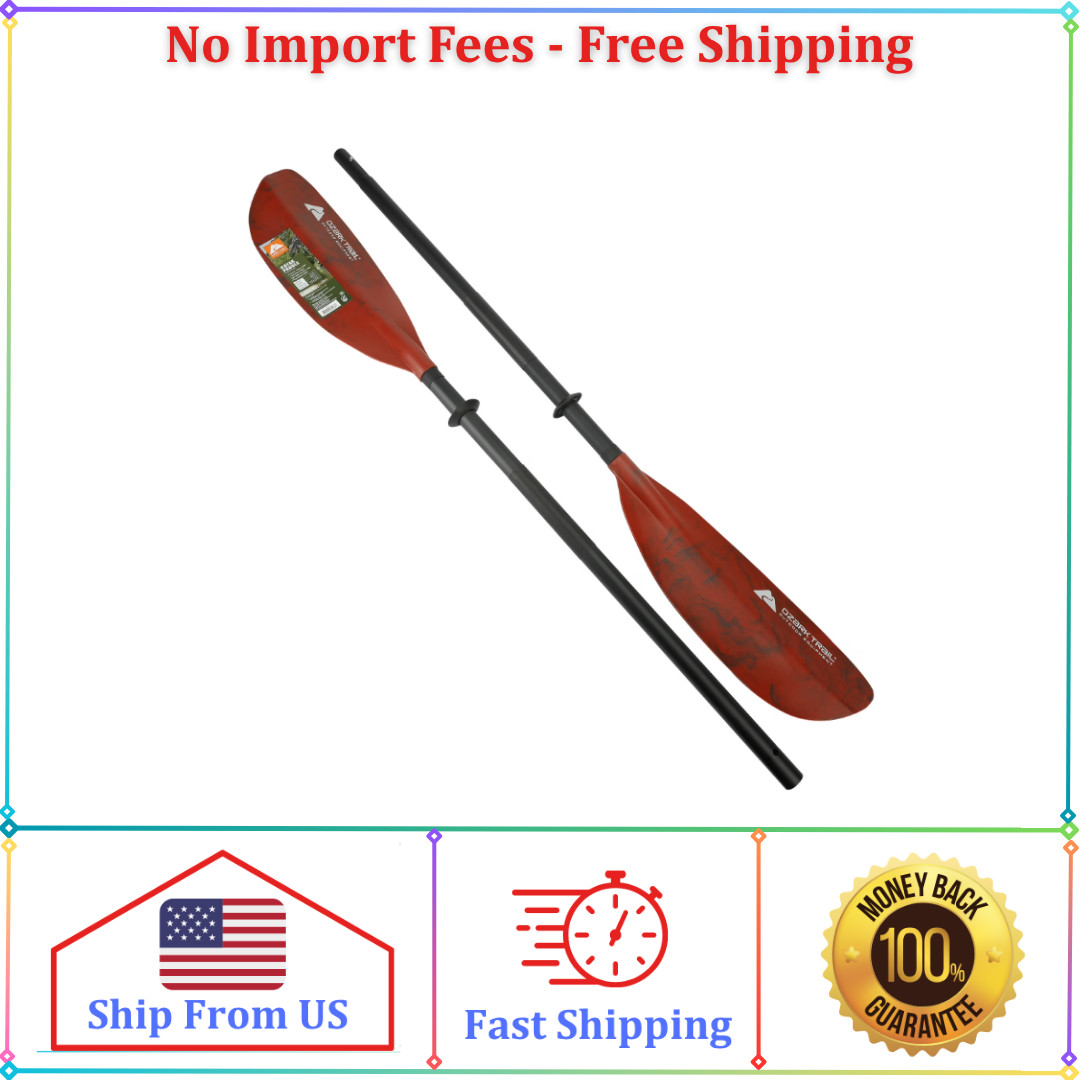 Ozark Trail Adult Aluminum Kayak Paddle, 94.5 inch Red and Gray$22.00
 View on eBay
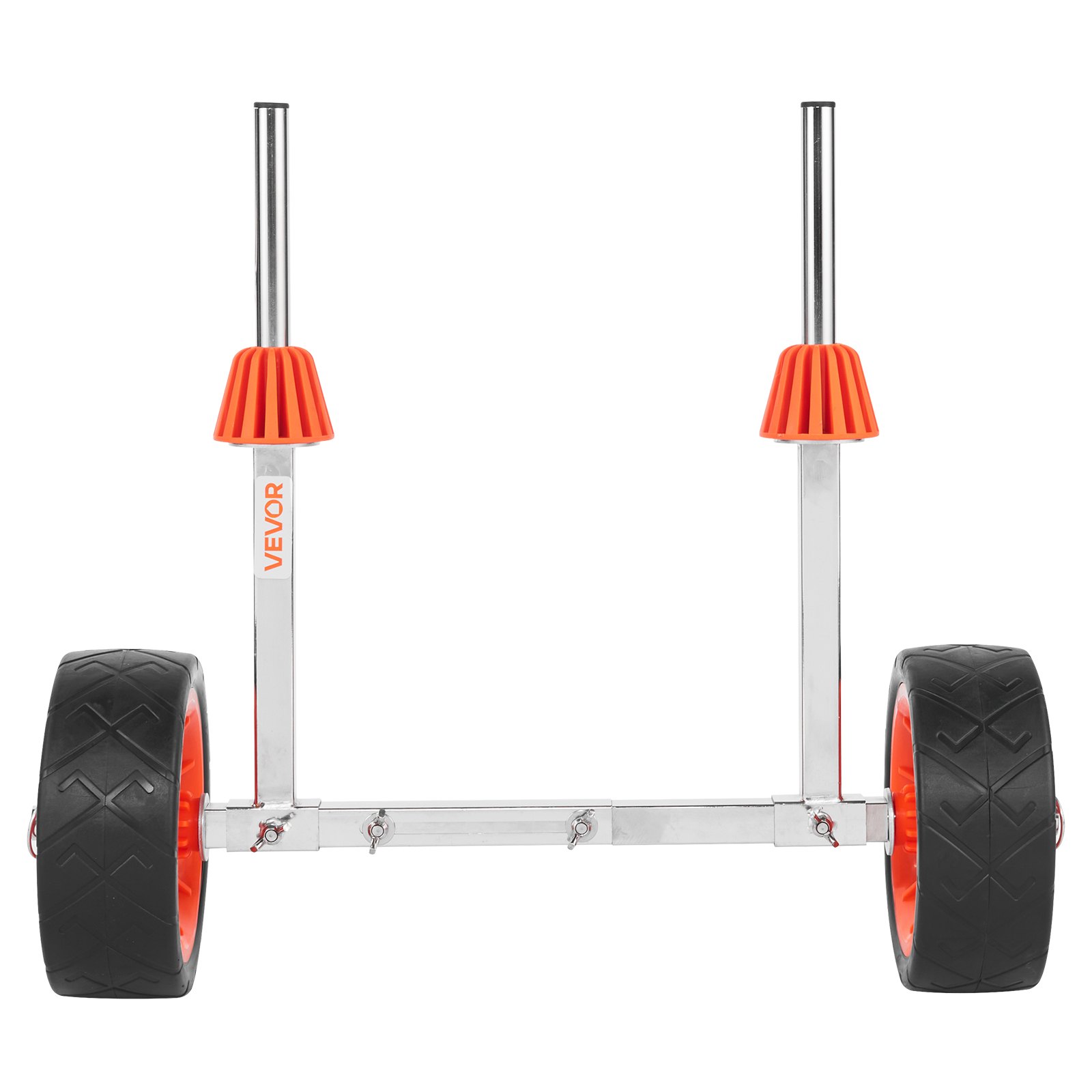 Kayak Cart, 250 Lbs Load Capacity, Canoe Dolly With 7.5-inch Solid Rubber Tires & Kickstand, Assembles & Disassembles Within Seconds, Paddle Board Trolley For Kayaks, Canoes, Paddleboards$47.99
 View on Mallflare
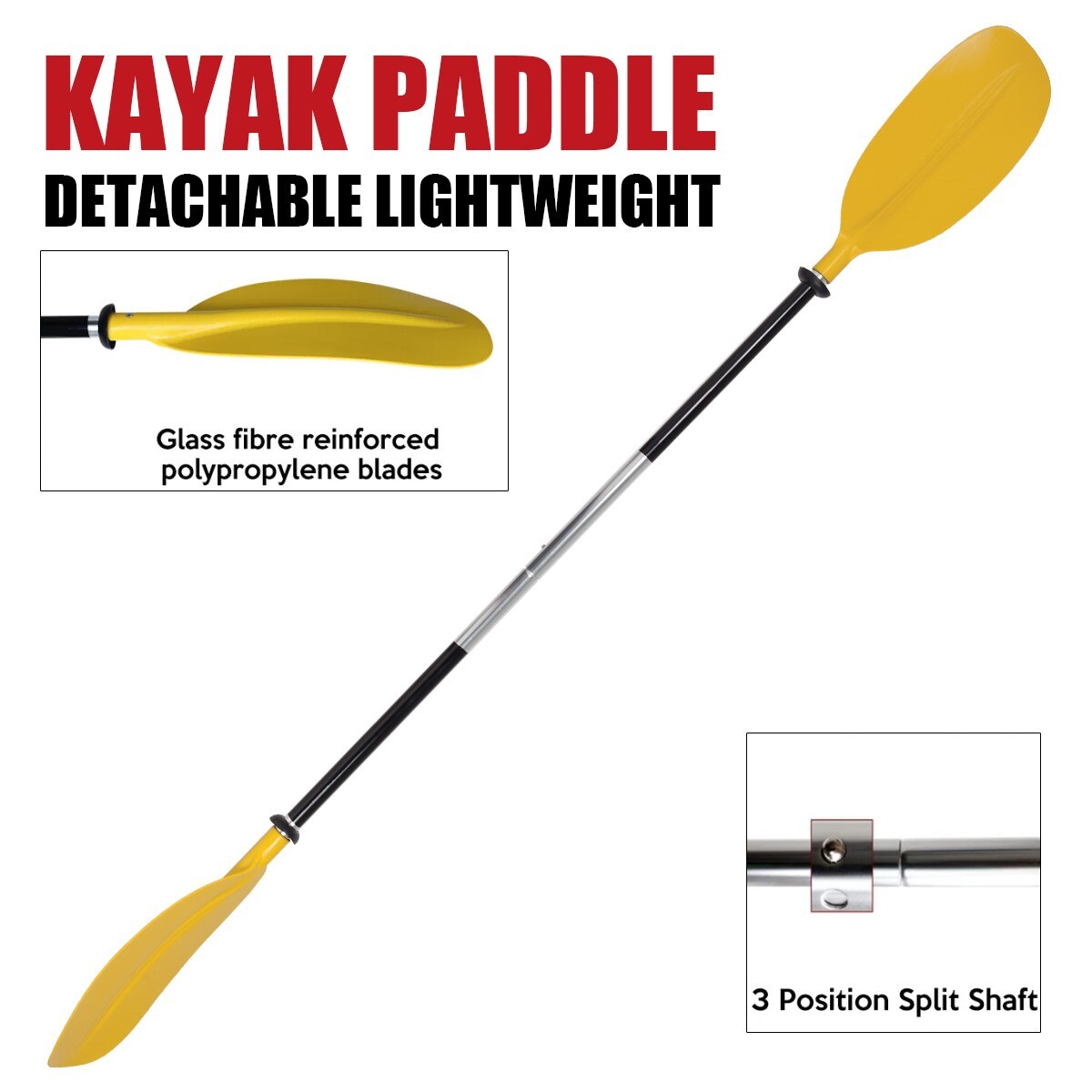 Oceansouth Aluminum Kayak Paddle Yellow Asymmetric Detachable Lightweight Canoe$27.12View on eBay
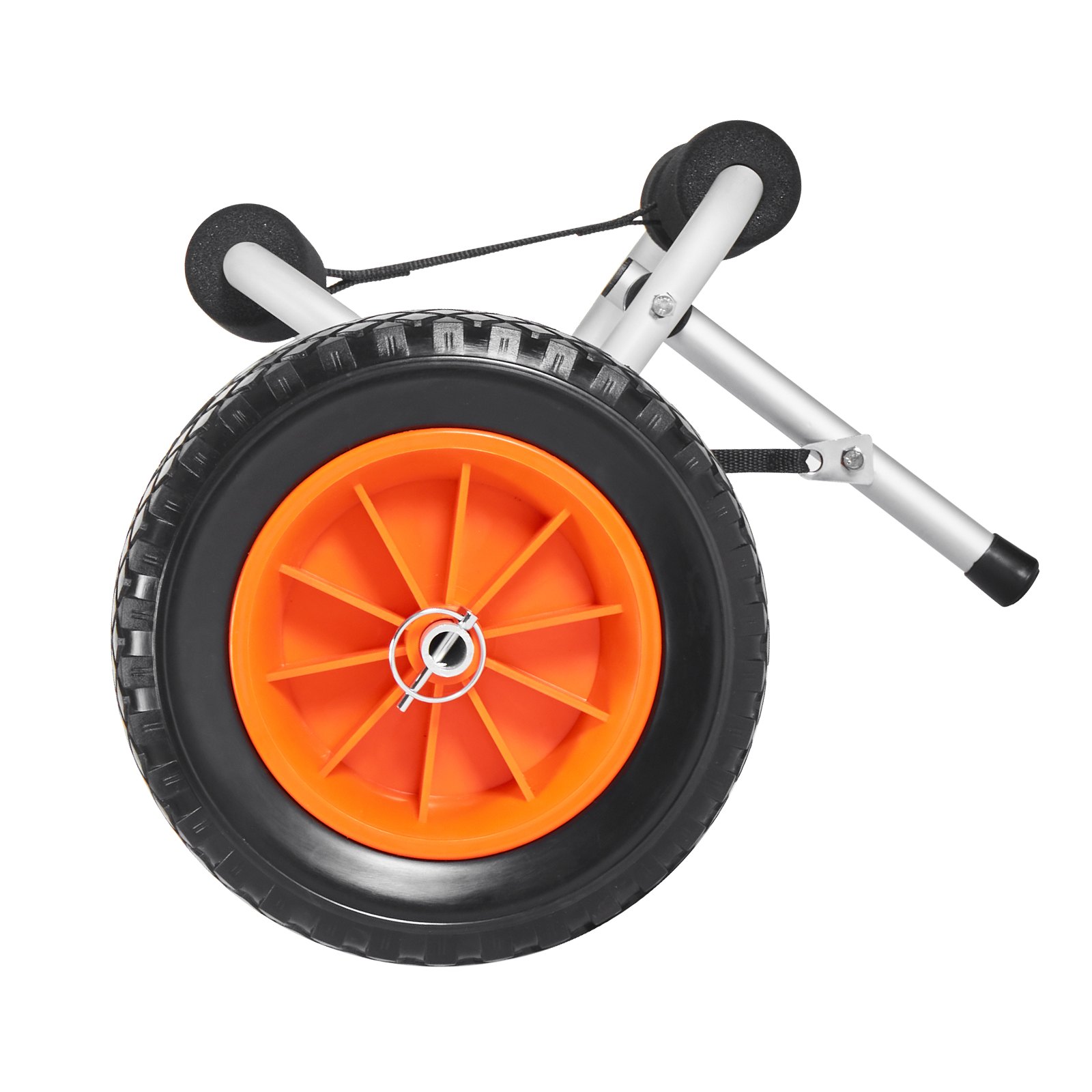 Kayak Cart, 200 Lbs Load Capacity, Foldable Trolley With 10-inch Solid Rubber Tires & 1 Ratchet Strap, Paddle Board For Carrying Kayaks, Canoes, Paddleboards, Float Mats, Jon Boats$57.99View on Mallflare
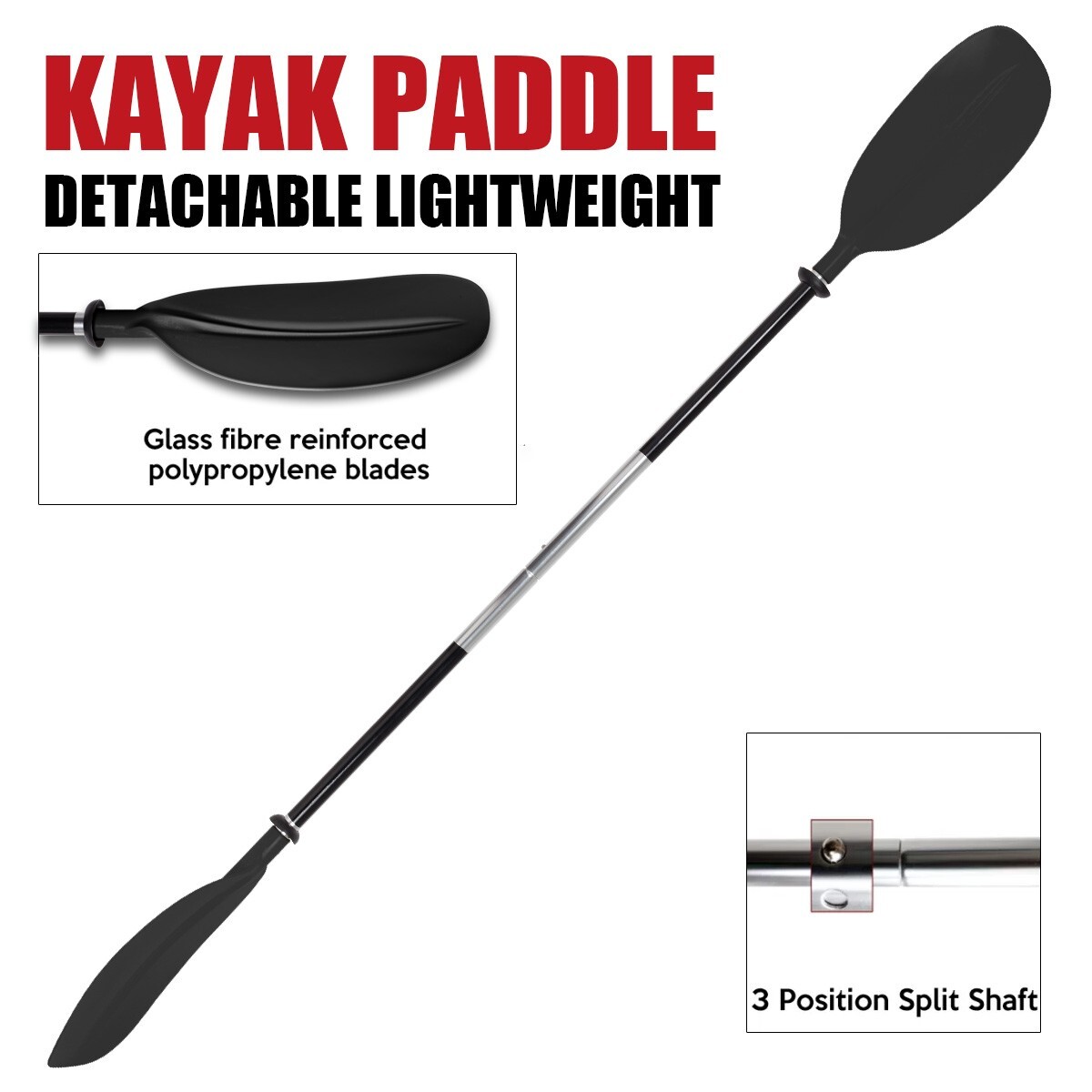 Oceansouth Aluminum Kayak Paddle Black Asymmetric Detachable Lightweight Canoe$27.93View on eBay
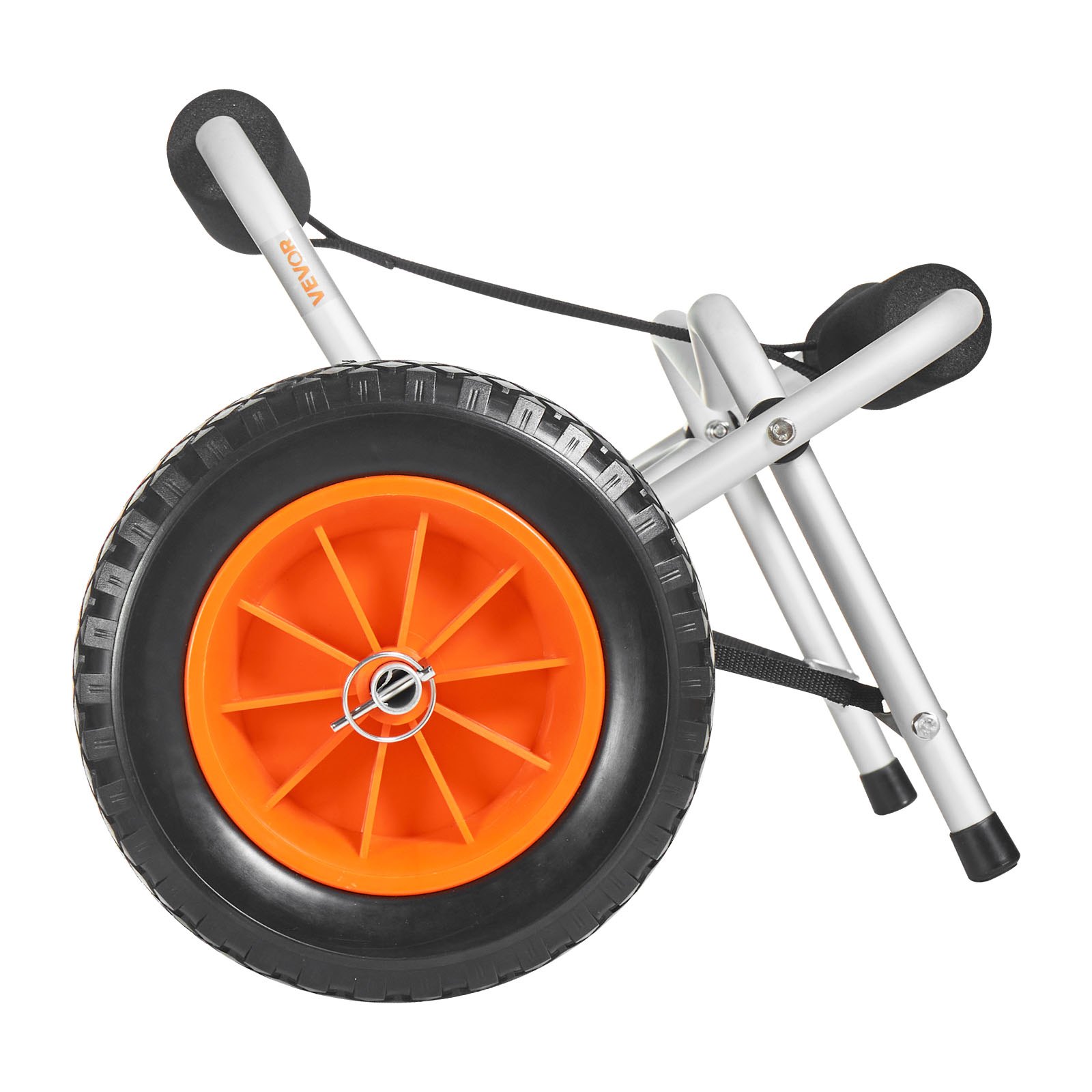 Kayak Cart, 250 Lbs Load Capacity, Foldable Trolley With 10-inch Solid Rubber Tires & 1 Ratchet Strap, Paddle Board For Carrying Kayaks, Canoes, Paddleboards, Float Mats, Jon Boats$66.99View on Mallflare
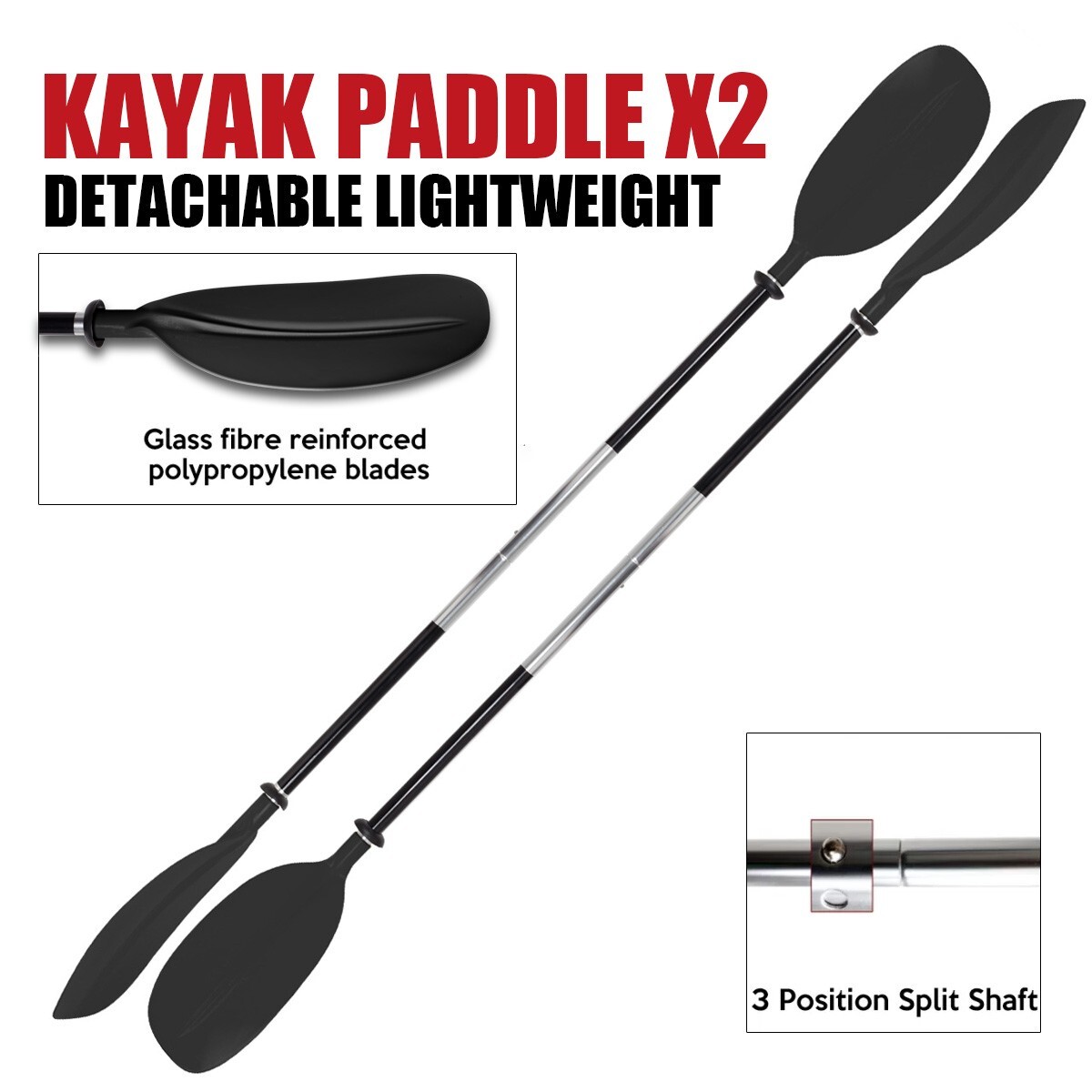 Oceansouth Kayak Paddles Black, Aluminum Asymmetric (Split Shaft) x 2$46.40View on eBay
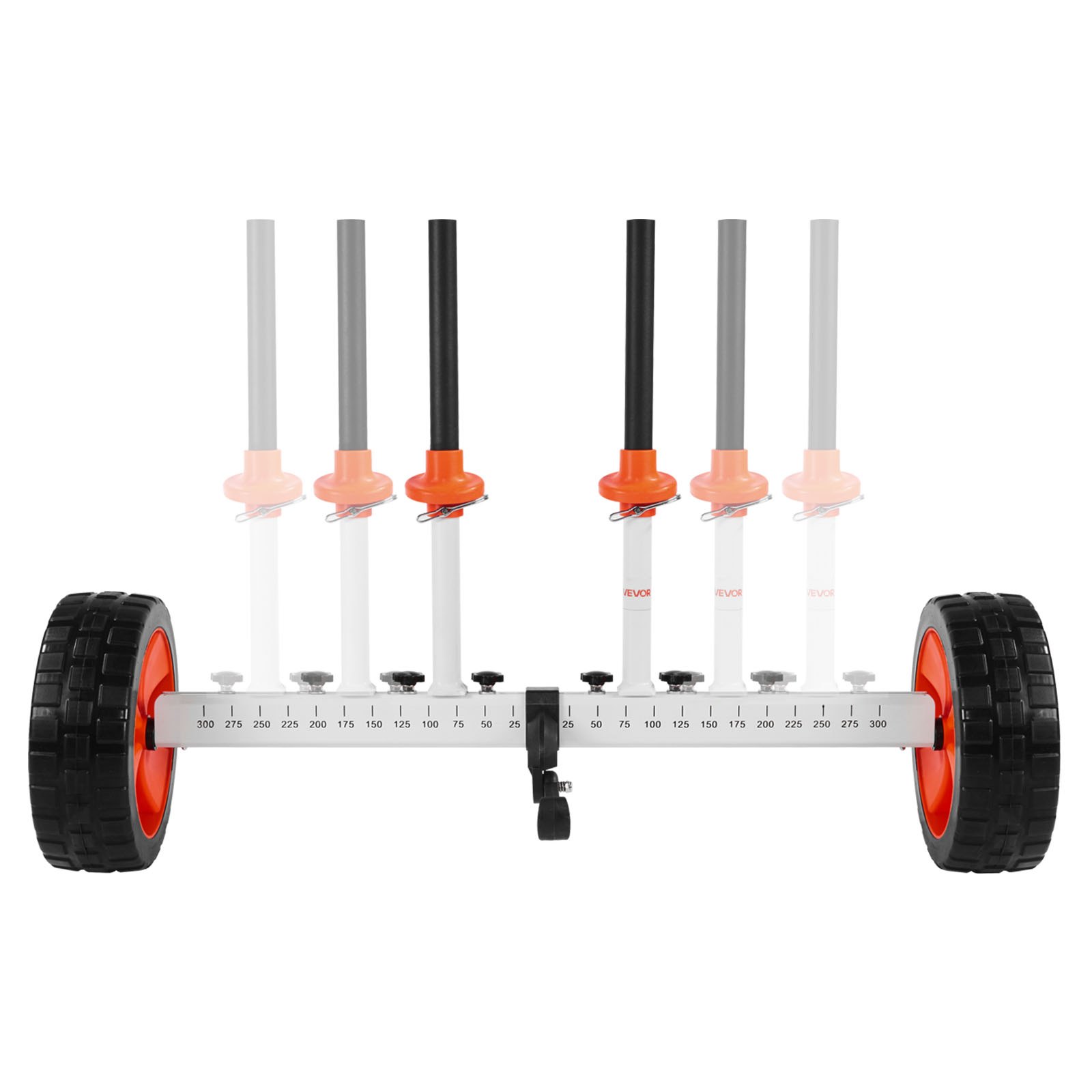 Kayak Cart, 230 Lbs Load Capacity, Canoe Dolly With 10-inch Solid PU Tires & Kickstand, Assembles & Disassembles Within Seconds, Paddle Board Trolley For Kayaks, Canoes, Paddleboards$67.99View on Mallflare
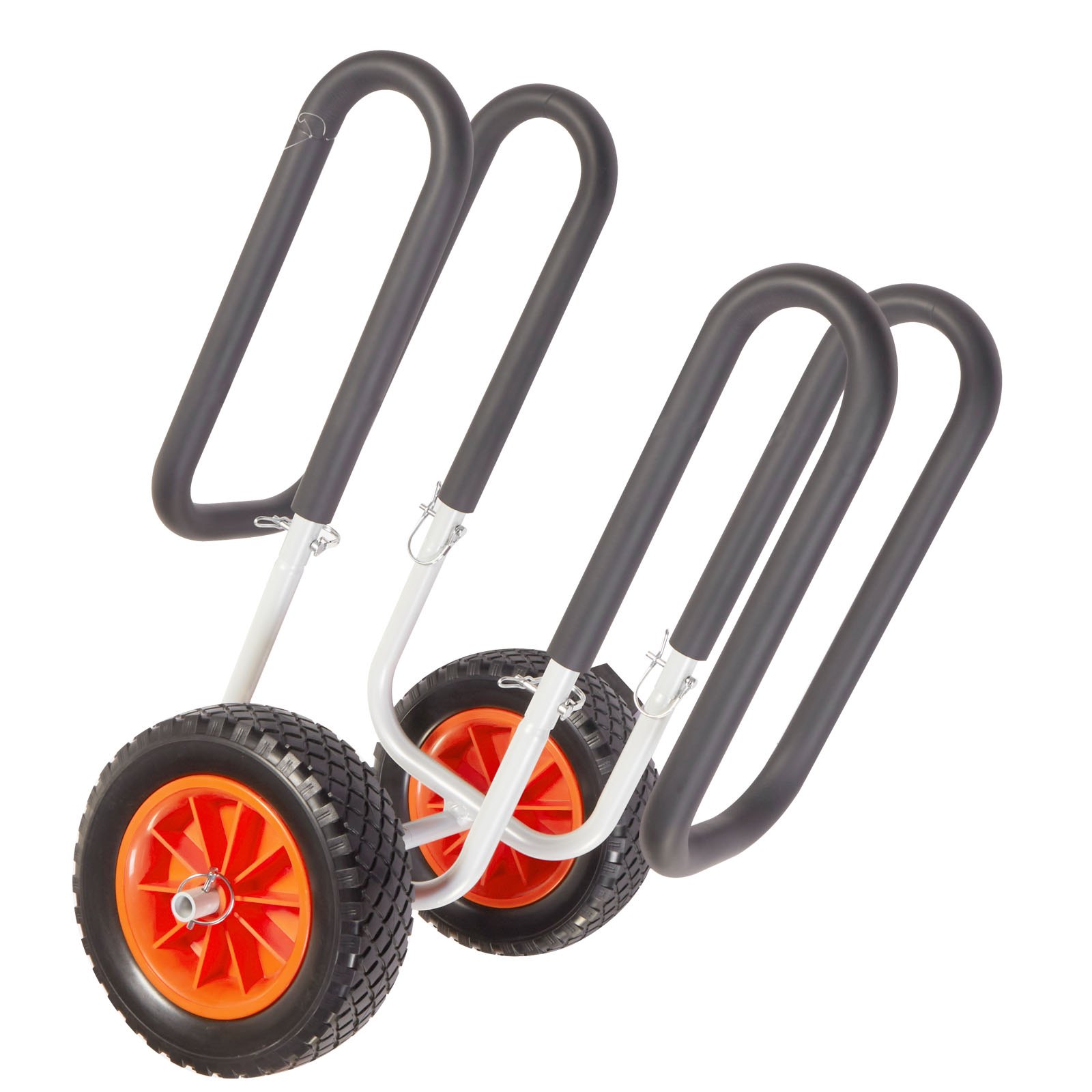 Kayak Cart, 150 Lbs Load Capacity, Stand Up Paddle Board Trolley With 10-inch Solid Rubber Tires & Kickstands, Carrier Ratchet Strap For Paddleboard & Surfboard Transport$86.99View on Mallflare
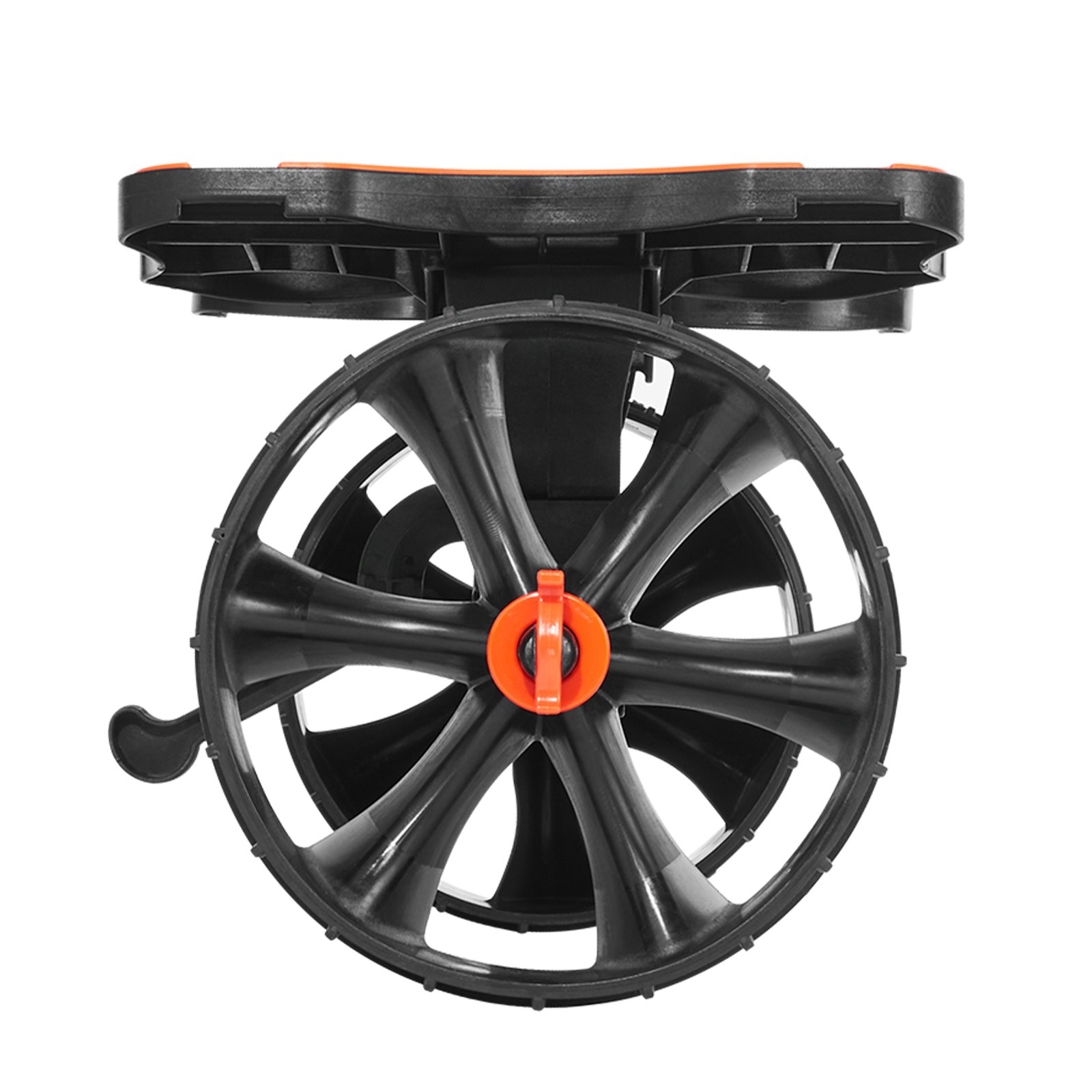 Kayak Cart, 300 Lbs Load Capacity, Foldable Trolley With 10-inch Solid Rubber Tires & 1 Ratchet Strap, Paddle Board For Carrying Kayaks, Canoes, Paddleboards, Float Mats, Jon Boats$103.99View on Mallflare
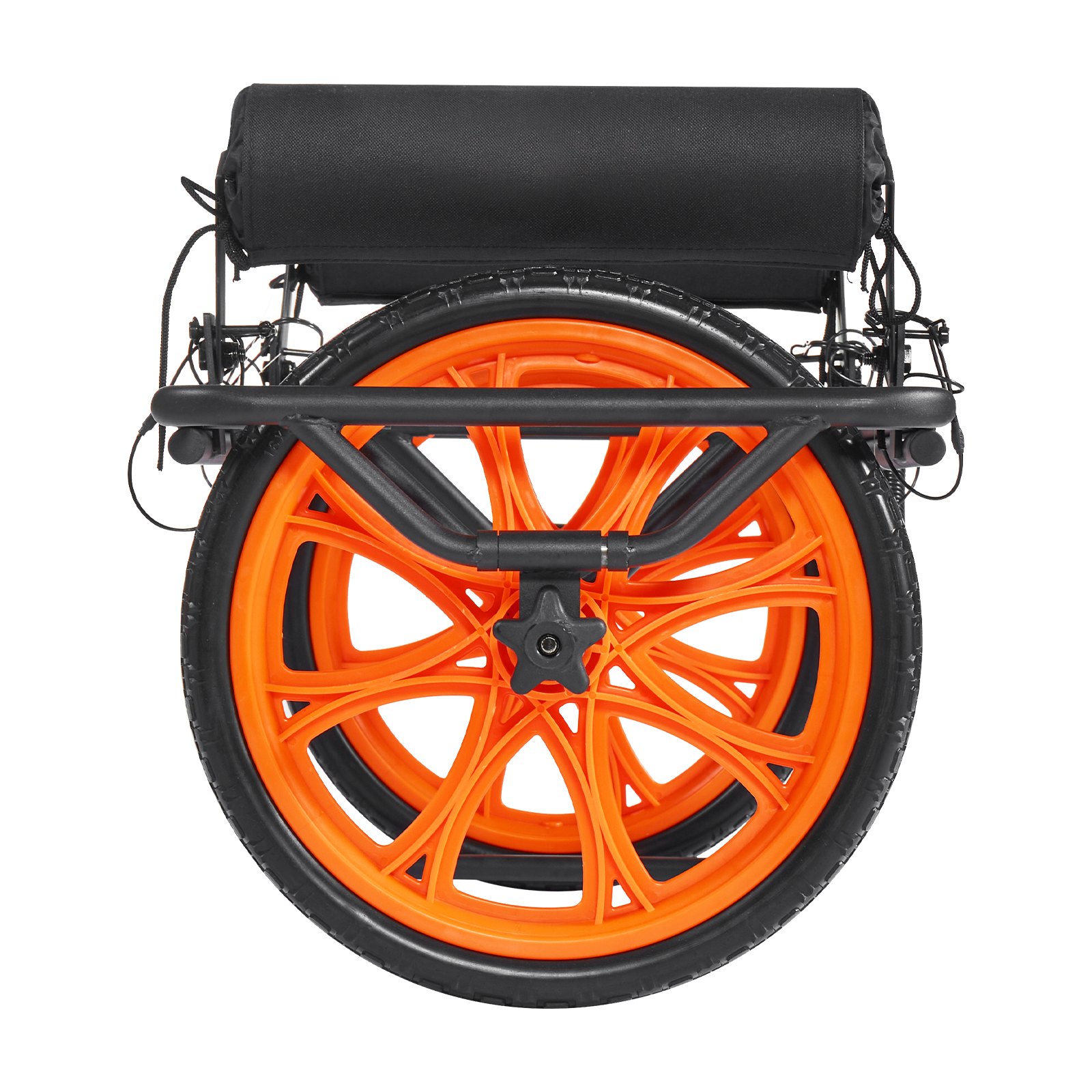 Kayak Cart, 330 Lbs Load Capacity, Canoe Dolly With 15-inch Solid Rubber Tires & Kickstand, Assembles & Disassembles Within Seconds, Paddle Board Trolley For Kayaks, Canoes, Paddleboards$118.99View on Mallflare
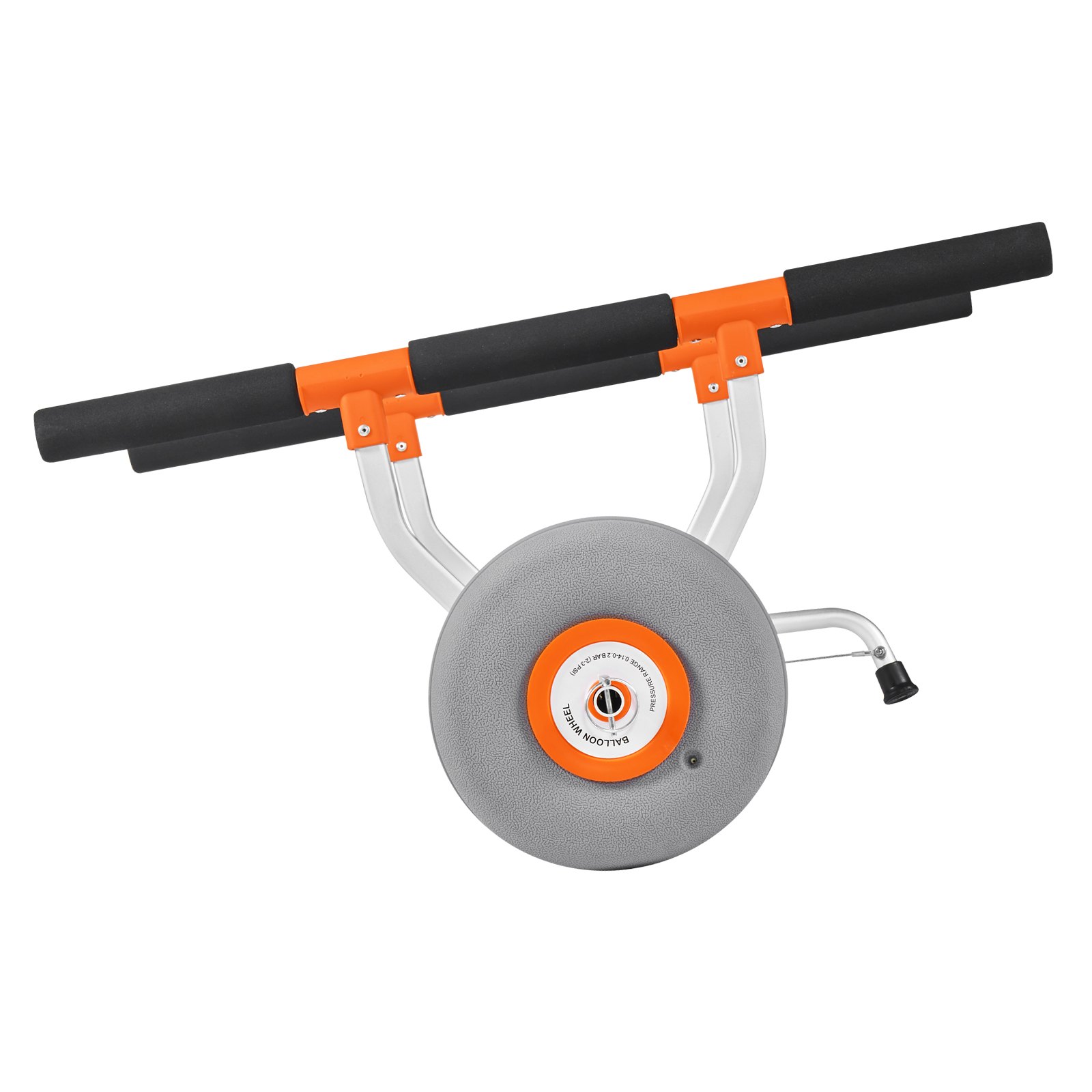 Kayak Cart, 350 Lbs Load Capacity, Trolley With 12-inch Inflatable PU Tires & 2 Straps, Assembles & Disassembles Within Seconds, Paddle Board For Carrying Kayaks And Canoes$152.99View on Mallflare
Highlights
- Shaft material dictates swing weight and fatigue: aluminum is heavy and flexes; fiberglass is mid-weight and stiff; carbon is lightest and stiffest but costliest.
- Blade shape changes cadence and torque: asymmetric dihedral blades track smoothly for touring, while wide high-angle blades deliver sprint power at higher stroke rates.
- Feathering and split-shaft adjustability let you set blade offset (commonly 0-60 degrees) and pack the paddle down for transport or as a spare.
- Length and blade size must match boat beam and paddler height: wider boats and taller torsos need longer shafts, and oversized blades overload smaller paddlers.
Best use cases
- Recreational rec kayak on flat water: pick a two-piece aluminum or fiberglass paddle sized to your beam; skip carbon unless you paddle weekly.
- Touring and distance paddling: choose a fiberglass or carbon shaft with a moderate asymmetric blade and adjustable ferrule; skip heavy aluminum paddles that cause fatigue.
- Whitewater or surf: select a shorter length with a durable reinforced blade and minimal flex; skip long touring lengths that catch water and limit bracing.
- Fishing and sit-on-top stability: use a longer shaft to clear wide hulls and rod holders; skip narrow high-angle blades that tire you during slow drifts.
Buying tips
- Size by formula: for low-angle touring add roughly 5-7 inches to your height; for high-angle paddling use height minus 4-6 inches; for wide rec boats add 4-6 inches to clear the gunwales.
- Match blade area to fitness: blades near 600-700 sq cm suit touring cadence; 700-800+ sq cm high-angle blades demand more torque and suit stronger paddlers.
- Prefer a two- or three-piece split shaft with a positive detent ferrule: it packs for travel, sets repeatable feather angle, and serves as a spare.
- Check grip and drip rings: textured shaft or indexed grip reduces slip when wet, and drip rings keep water off your hands and into the boat.
Specs
| Shaft Material | Aluminum / Fiberglass / Carbon |
|---|---|
| Blade Shape | Asymmetric dihedral vs symmetric |
| Shaft Pieces | 1-piece / 2-piece / 3-piece split |
| Feathering | 0-60 deg adjustable ferrule |
Related searches
What to check before buying
- Measure your kayak's beam width at the cockpit and your seated torso height before choosing length; wide beams need longer shafts.
- Confirm the paddle breaks down to fit your vehicle or storage (two-piece or three-piece) if you transport frequently.
- Verify blade material durability for your environment: plastic blades survive rocky shallows; carbon blades chip on impact.
- Ensure you have a PFD and leash or tether system for paddling and fishing setups before heading out.
FAQ
Data sources: eBay / Amazon listings and product attribute feeds Data updated Nov 16, 2026.
Some links on this page are affiliate links. If you buy after clicking one, we may earn a commission at no extra cost to you. This does not change which products appear here or their order. Affiliate disclosure.