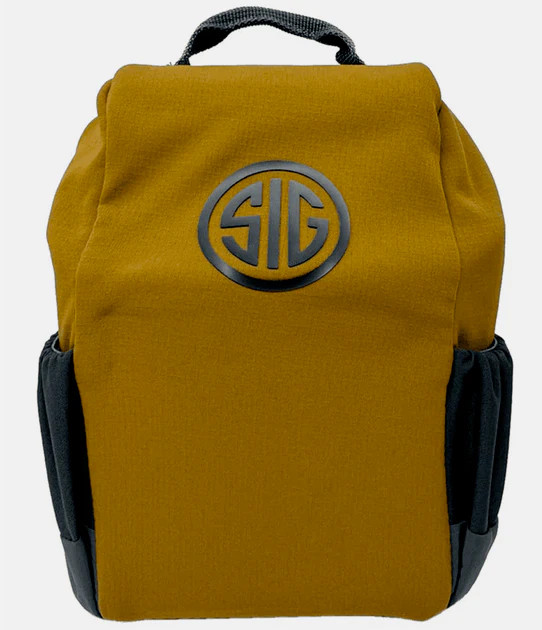

Photos from current listings. Actual item, color, and included accessories may vary.
Sig Sauer Zulu Binocular Harness Buying Guide
The Sig Sauer Zulu binocular harness is a dedicated chest-carry system designed to keep Zulu-series binoculars secure, accessible, and stable during active glassing. The key trade-off is between a low-profile elastic harness that minimizes bulk and a structured, padded harness that distributes weight over long hours; the Zulu harness leans toward the streamlined elastic design. Choose it if you want a factory-fit, quick-draw system for Sig Zulu binoculars; skip it if you need a universal harness for non-Sig optics or a load-bearing pack-integrated solution.


At a glance
- Brand
- Not synced yet
- Model
- Not synced yet
- MPN
- Not synced yet
- Category
- Hunting, Prospecting & Metal Detecting
- Status
- Offers available
- Data updated
- Nov 16, 2026
Current offers
Highlights
- Purpose-built for Sig Sauer Zulu binoculars, with attachment points sized to Zulu objective and eyepiece dimensions rather than generic one-size loops.
- Elastic four-point harness design keeps binoculars flat against the chest to reduce swing during hiking, climbing, and brush navigation.
- Available in multiple sizes (Medium shown) and colorways like FDE, so fit is determined by torso circumference and layering, not one universal strap.
- Quick-release buckles and adjustable webbing let you tension the binoculars for running or loosen them for seated glassing without removing the harness.
Best use cases
- Best fit: hunters and scouting users running Sig Zulu binoculars who want a low-bulk chest harness that stays quiet and close to the body — pick the size matching your chest measurement over base layers.
- Best fit: western or mountain hunters who switch between glassing and hiking — the four-point elastic system holds binoculars tight during steep climbs and releases quickly for prone or seated glassing.
- Wrong fit: users with non-Sig binoculars or large porro-prism optics — generic attachment loops may not secure objective bells; choose a universal bino harness with adjustable pouch sizing instead.
- Skip if: you need a harness integrated with a rangefinder pouch, GPS sleeve, or hydration routing — this is a dedicated binocular harness, not a full chest rig.
Buying tips
- Match size to chest circumference over your outermost hunting layer: measure around the chest at armpit level and add 2-4 inches for cold-weather jackets before selecting Medium vs Large.
- Confirm your Zulu model: Zulu5, Zulu6, and Zulu7 have different objective sizes (42mm vs 50mm vs 56mm) — the harness attachment spacing is optimized for the Zulu line but objective bell clearance varies by model.
- Check buckle and webbing hardware: look for acetal or nylon quick-release buckles and nylon webbing rather than elastic-only loops, which stretch out and sag after a season of heavy use.
- Prefer four-point attachment over two-point: a four-point harness distributes tension across the binocular body and prevents the optic from tilting or bouncing against your chest on descents.
Specs
| Attachment Points | Four-point elastic chest harness |
|---|---|
| Optic Fit | 32–42mm roof-prism binoculars |
| Chest Sizing | Medium 36–44 in / Large 44–52 in |
| Buckle Type | Quick-release side buckles |
Alternatives to compare
Related searches
What to check before buying
- Measure chest circumference over your outermost hunting layer to select medium versus large harness sizing.
- Verify your binocular's objective lens diameter is 42mm or less for elastic pouch compatibility.
- Check that the harness straps are narrow enough (under 1.5 inches) to layer under a backpack without chafing.
- Confirm the harness buckle style is compatible with your bino's strap lugs — most roof-prism binoculars use standard 1-inch webbing loops.
FAQ
Data sources: eBay / Amazon listings and product attribute feeds Data updated Nov 16, 2026.
Some links on this page are affiliate links. If you buy after clicking one, we may earn a commission at no extra cost to you. This does not change which products appear here or their order. Affiliate disclosure.