Photos from current listings. Actual item, color, and included accessories may vary.
Pickleball Ball Outdoor Indoor Buying Guide
Outdoor and indoor pickleball balls differ mainly in hole count, hole geometry, and wall thickness, which dictate flight stability, bounce, and durability on each surface. Outdoor balls use 40 smaller holes for wind resistance and a harder, thicker shell for asphalt and concrete, while indoor balls use 26–32 larger holes and a softer, thinner shell for gym floors. The decision rule is simple: match the ball's hole pattern and hardness to your playing surface, and reject any ball marketed as 'all-surface' if it compromises either durability or true bounce.


At a glance
- Category
- Pickleball Balls
- Data updated
- Nov 16, 2026
Current offers
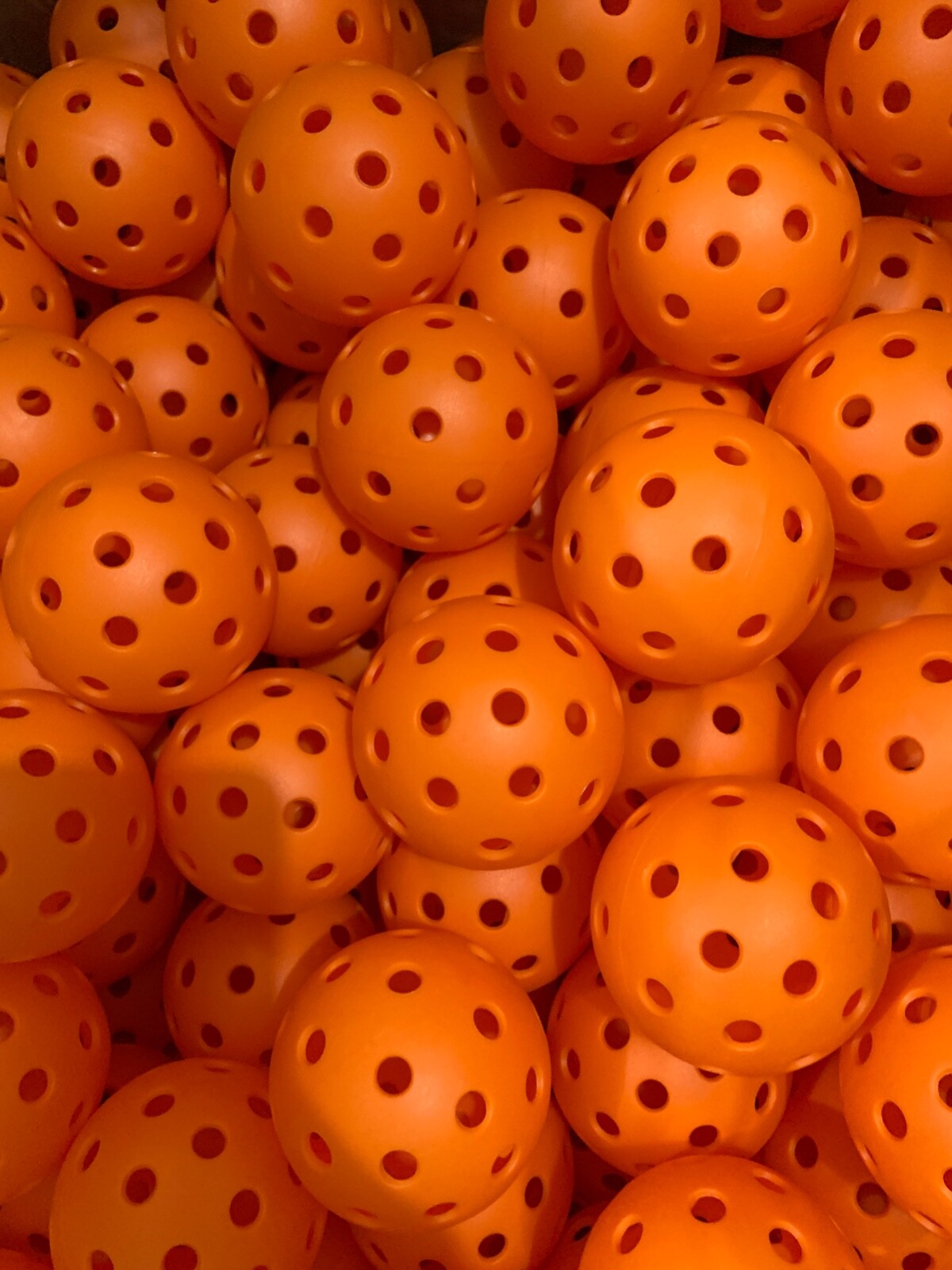 Pack of 15 Quality Pickleball Balls for OUTDOOR/Orange$20.99
 View on eBay
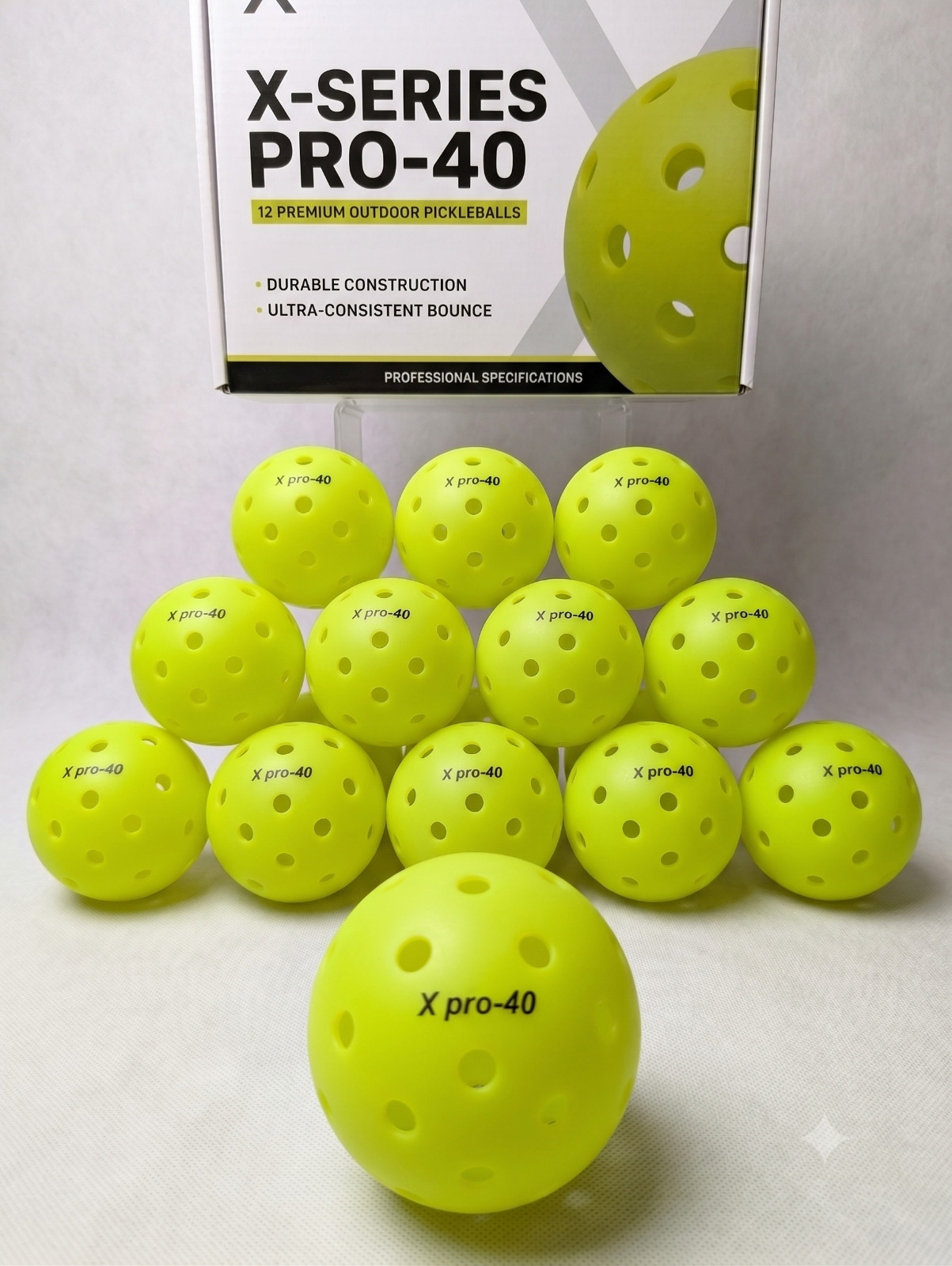 12-Pack Outdoor Pickleball Balls Set. Standard 40 Holes Ball Meet USAPA Standard$23.99View on eBay
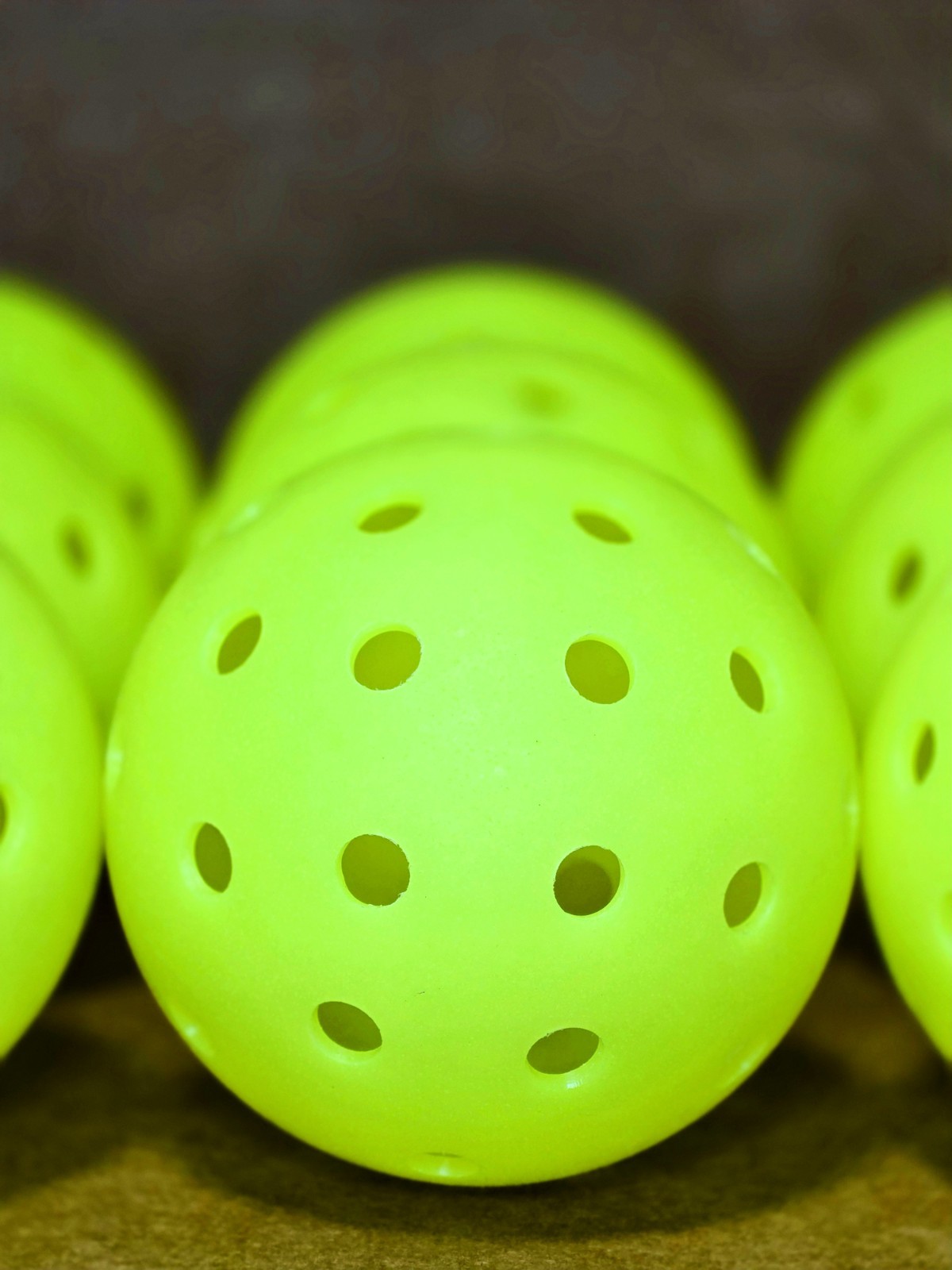 16-Pack Outdoor 40 Holes Pickleball Ball Tournament Grade$25.00View on eBay
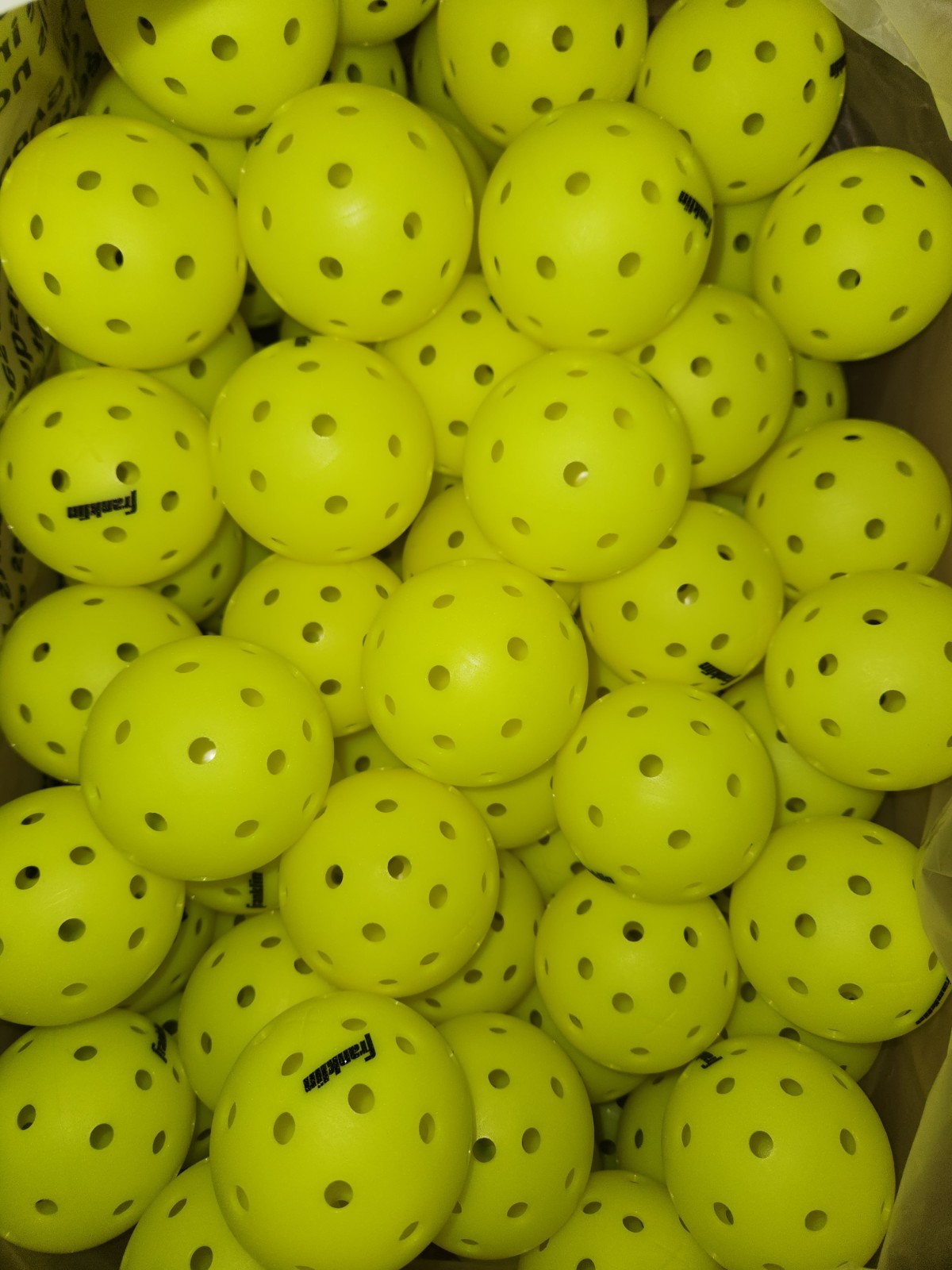 NEW Franklin X-40 Pickleball Outdoor Ball set of 12 Optic Yellow FREE SHIPPING$28.99View on eBay
Highlights
- Outdoor balls universally use 40 holes: smaller diameter holes reduce wind drift and stabilize flight on rough outdoor courts.
- Indoor balls use 26–32 larger holes: bigger holes create a higher, softer bounce suited to smooth gym floors and reduce skidding.
- USAPA/USA Pickleball approval requires exact hole count, weight (0.78–0.935 oz), and bounce (30–34 in from 78 in drop) for tournament play.
- Wall thickness separates tiers: outdoor balls need thicker, harder plastic for asphalt durability; indoor balls use thinner, softer plastic for controlled bounce.
Best use cases
- Choose a 40-hole outdoor ball (e.g., Franklin X-40 style) for asphalt, concrete, or sport-court outdoor play—skip 26–32-hole indoor balls, which bounce erratically and wear fast on rough surfaces.
- Choose a 26–32-hole indoor ball for gymnasium or smooth indoor floors—skip 40-hole outdoor balls, which sit low and skid on polished surfaces.
- Choose USAPA-approved 40-hole balls for tournaments and league play—skip non-approved multi-packs for sanctioned events, since hole count and bounce may fail spec.
- For casual multi-surface backyard play, pick a middle-tier 40-hole outdoor ball rated for rough surfaces—skip premium indoor-only balls, which scuff quickly on concrete.
Buying tips
- Count the holes: 40 holes = outdoor; 26–32 holes = indoor. Any 'all-surface' claim with 40 holes is an outdoor ball regardless of marketing.
- Verify USA Pickleball approval for tournament use—approval lists exact models and requires 40 holes for outdoor and 26–32 for indoor balls.
- Match ball hardness to court: outdoor balls need harder, thicker walls for asphalt; indoor balls are softer and thinner for gym floors.
- Buy packs sized to your play frequency: 12–16 ball packs suit clubs and frequent players; 3–6 packs suit casual singles or doubles.
Specs
| Hole Count | 40 outdoor / 26–32 indoor |
|---|---|
| Shell Hardness | Hard outdoor / Soft indoor |
| Approval | USA Pickleball approved models |
| Bounce Spec | 30–34 in from 78 in drop |
Related searches
What to check before buying
- Confirm your primary court surface: rough outdoor asphalt/concrete needs 40-hole outdoor balls; smooth gym floors need 26–32-hole indoor balls.
- Measure storage and carry capacity: 12–16 ball packs require a larger bag or hopper than 3–6 packs.
- Check league or tournament rules for USA Pickleball approval before buying non-approved multi-packs.
- Verify color visibility against your court background: optic yellow is standard for outdoor; indoor balls often come in high-visibility colors.
FAQ
Data sources: eBay / Amazon listings and product attribute feeds Data updated Nov 16, 2026.
Some links on this page are affiliate links. If you buy after clicking one, we may earn a commission at no extra cost to you. This does not change which products appear here or their order. Affiliate disclosure.