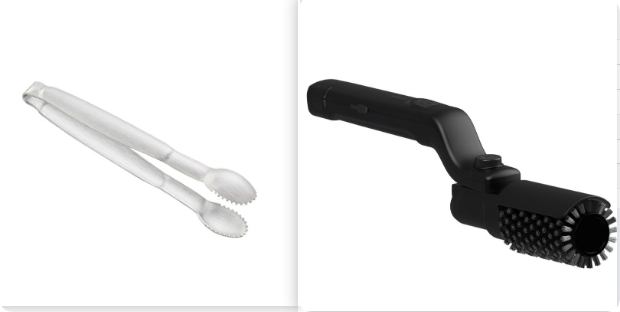

Photos from current listings. Actual item, color, and included accessories may vary.
Grill Cleaner Brush Buying Guide
A grill cleaner brush is a dedicated tool for removing carbonized grease and food residue from hot cooking grates, where the core trade-off is bristle durability and safety versus cleaning speed. Durable options use stainless steel bristles or abrasive pads with reinforced handles, while compromises rely on soft brass, short bristles, or cordless motors with undersized batteries.


At a glance
- Category
- BBQ Rubs, Sauces & Prep Tools
- Data updated
- Nov 16, 2026
Current offers
Highlights
- Bristle material determines aggression: stainless steel cuts heavy carbon on cast iron and steel grates, brass is softer for porcelain-coated grates, and nylon is safe only on ceramic or infrared elements.
- Brush head geometry matters: a 3-sided or angled head cleans top, sides, and front of grates in one pass, while flat heads require rotating the brush and leave corners untouched.
- Cordless electric cleaners deliver 300–600 RPM oscillation and need 2000mAh+ batteries for a full session; weak 1500mAh cells stall under pressure.
- Handle construction separates durable from disposable: welded steel ferrules and full-tang handles survive high heat, while plastic-ferrule brushes loosen bristles and shed into food.
Best use cases
- Best fit: stainless steel bristle brush with a 3-sided head and long steel handle for daily cleaning of cast-iron or stainless grates on gas and charcoal grills; skip soft brass if you cook at high heat weekly.
- Best fit: brass-bristle brush for porcelain-enameled grates where steel scratches the coating; never use stainless steel on enamel, as it removes the glass layer and causes rust.
- Best fit: cordless electric brush with a 2000mAh+ battery for deep cleaning after low-and-slow cooks or on heavily carbonized grates; skip it for light weekly maintenance where a manual brush is faster and needs no charging.
- Wrong fit: nylon brushes on hot grates above 400°F — they melt and leave plastic residue; reserve nylon for cold cleaning or ceramic-coated surfaces.
Buying tips
- Match bristle to grate: stainless steel for cast iron and stainless, brass for porcelain enamel, nylon only below 400°F on ceramic or infrared.
- Check bristle retention: look for tufts stapled or welded into a metal ferrule; loose bristles are a physical hazard and signal low build quality.
- Electric models: demand 2000mAh or higher battery capacity and 300+ RPM oscillation; lower ratings stall under hand pressure and leave carbon behind.
- Handle length should keep your hand at least 6 inches from the grate surface; short handles expose knuckles to flare-ups and heat.
Specs
| Bristle Material | Stainless / Brass / Nylon |
|---|---|
| Head Style | Flat / 3-sided / Angled |
| Power Source | Manual / Cordless electric |
| Battery Capacity | 2000mAh+ for electric models |
Related searches
What to check before buying
- Measure grate bar spacing: brushes with bristle tufts wider than the gaps cannot reach between bars — pick a head sized to your grate pattern.
- Confirm grate material (cast iron, stainless, porcelain enamel, ceramic) before choosing bristle hardness to avoid scratching or melting.
- For cordless electric brushes, verify the charger plug standard and voltage matches your region and that the battery is removable for replacement.
- Check that the brush head is replaceable or the bristles are re-brushable; disposable heads extend tool life and reduce waste.
FAQ
Data sources: eBay / Amazon listings and product attribute feeds Data updated Nov 16, 2026.
Some links on this page are affiliate links. If you buy after clicking one, we may earn a commission at no extra cost to you. This does not change which products appear here or their order. Affiliate disclosure.