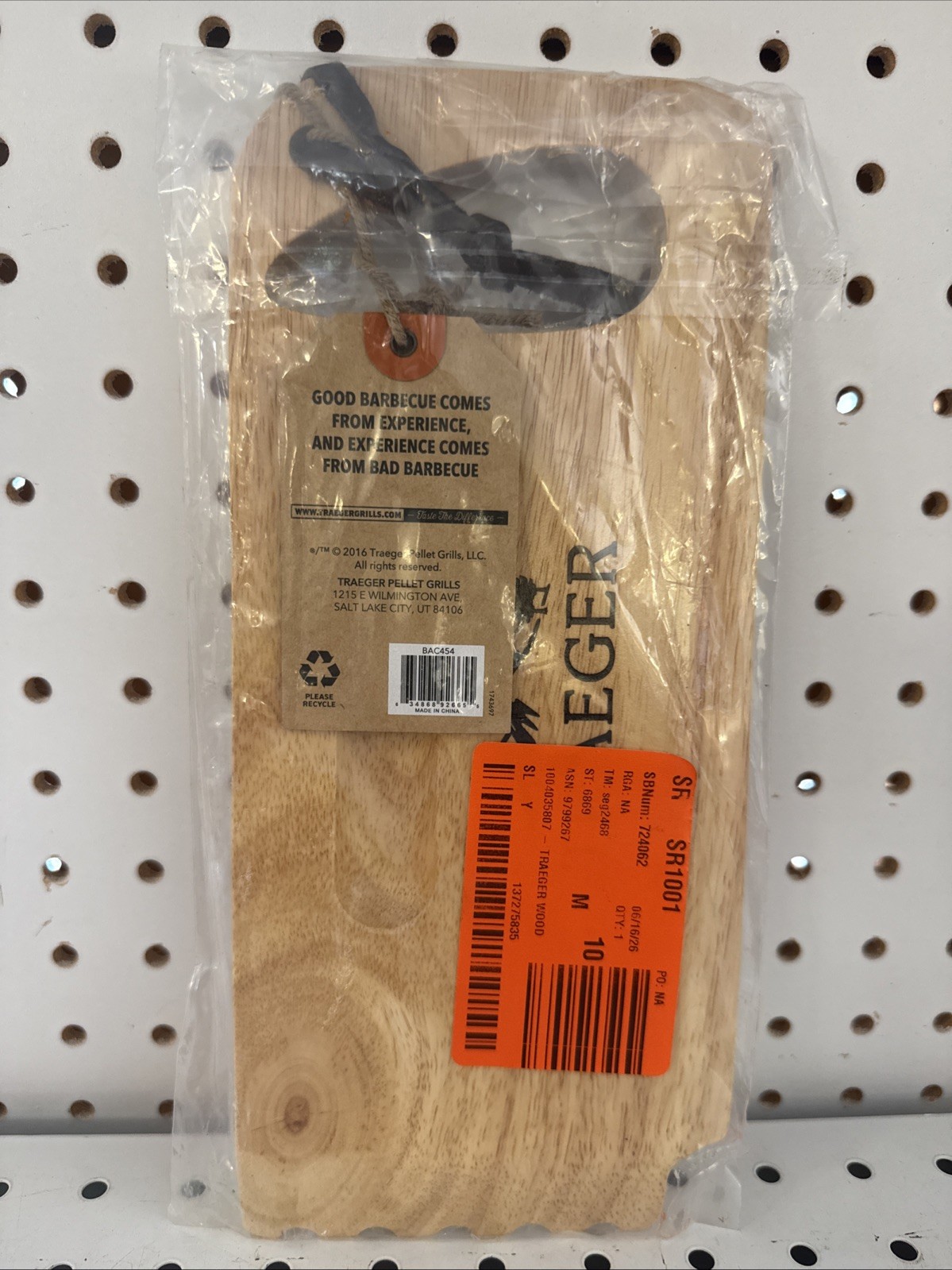

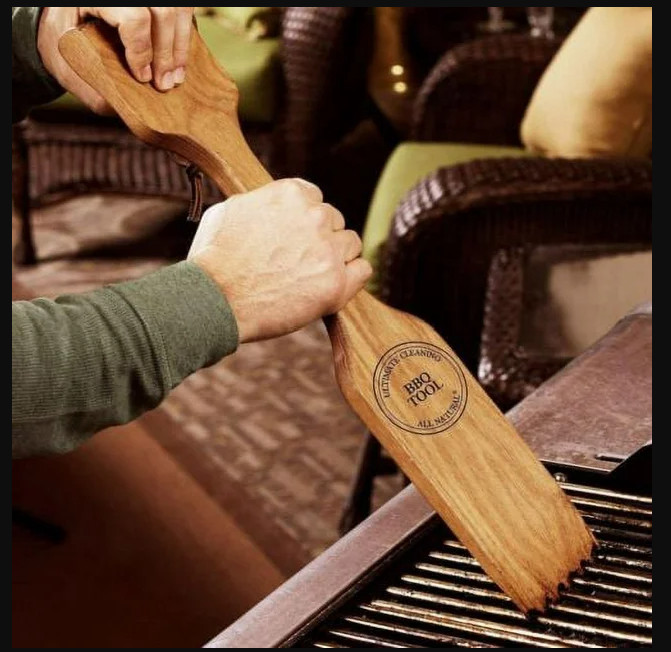
Photos from current listings. Actual item, color, and included accessories may vary.
Grill Scraper Buying Guide
A grill scraper is the rigid-edged tool used to shear carbonized grease and char off hot grate bars, distinct from a wire brush that scrubs between them. The core trade-off is edge geometry and material: hard stainless or cast aluminum edges cut fast but can gouge porcelain enamel, while hardwood and polymer scrapers are coating-safe but wear and require re-profiling. Buy a dedicated scraper whose edge width matches your grate spacing and whose material matches your grate finish — anything soft or narrow enough to skate over the bars without contact is a compromise.


At a glance
- Category
- BBQ Rubs, Sauces & Prep Tools
- Data updated
- Nov 16, 2026
Current offers
Highlights
- Edge material decides coating safety: stainless steel and cast aluminum cut carbon fastest but scratch porcelain-coated grates; hardwood and heat-resistant nylon are the enamel-safe tier.
- Hardwood scrapers rely on a square-cut end grain that self-reconditions by sanding flat; softwoods and laminated bamboo round over and lose scraping contact within a season.
- Effective scraper width tracks grate pitch: 3–4 in blades suit tight 0.5 in bar spacing, while wide 6–8 in heads bridge kettle and pellet grates without dropping between bars.
- Bristle-free brush-scraper hybrids use a stainless wire-woven pad plus a rigid lip, eliminating loose-bristle ingestion risk that has driven recalls of conventional wire brushes.
Best use cases
- Porcelain-enameled or ceramic-coated grates: pick a hardwood or heat-resistant nylon scraper and skip stainless edges entirely — a steel blade will chip the coating and accelerate rust.
- Cast-iron and bare carbon-steel grates: pick a stainless or cast-aluminum scraper with a straight 90-degree edge; hardness is an advantage here and the seasoning tolerates aggressive shearing.
- Pellet smokers and kamado cookers with wide bar spacing: pick a long-handled 20 in scraper with a 4–6 in head so you reach the back of the grate without dropping the blade between bars.
- Wire-brush owners switching for safety: skip any brush with exposed bristle tufts and move to a bristle-free woven-pad scraper; open coil brushes shed wire into food and are the wrong fit for anyone cooking for kids or guests.
Buying tips
- Match edge width to grate gap: a blade narrower than the bar spacing falls through, so measure the widest gap and buy a head at least 1 in wider than that gap.
- For enamel grates choose hardwood with a straight, squared end; for cast iron choose stainless — the material tier is the single biggest durability and safety decision.
- Handle length should keep your knuckles at least 6 in from the firebox; 16–20 in handles fit most kettles, while 12 in paddles are only safe on cold grates.
- Prefer a scraper with a replaceable or resharpenable edge; a fixed soft-wood head that rounds off is a disposable tool, not a durable one.
Specs
| Edge Material | Hardwood / Stainless / Nylon |
|---|---|
| Grate Compatibility | Enamel-safe vs cast-iron rated |
| Head Width | 3–6 in (match bar spacing) |
| Handle Length | 12–20 in reach tier |
Related searches
What to check before buying
- Measure your grate bar spacing and the widest gap before choosing head width — the scraper must be wider than the gap to make contact.
- Identify your grate finish (porcelain enamel, cast iron, bare steel, stainless) and confirm the scraper edge material is rated for it.
- Confirm handle length clears your grill lid height and keeps hands outside the hot zone during a burn-off.
- Check that the tool fits your storage and cleaning routine — hardwood needs drying after wash, stainless tolerates dish soap and scrubbing.
FAQ
Data sources: eBay / Amazon listings and product attribute feeds Data updated Nov 16, 2026.
Some links on this page are affiliate links. If you buy after clicking one, we may earn a commission at no extra cost to you. This does not change which products appear here or their order. Affiliate disclosure.