Photos from current listings. Actual item, color, and included accessories may vary.
Pickleball Shoe Buying Guide
Pickleball shoes are court-specific athletic shoes engineered for the lateral stops, pivots, and forward lunges of a low-bounce sport played on hard indoor and outdoor surfaces. The core trade-off is between a grippy, durable outsole for hard courts and a lighter, more flexible build for comfort—most general tennis shoes compromise lateral stability, while running shoes lack the outsole pattern for court grip. The clear decision rule: choose a shoe with a non-marking herringbone or modified herringbone outsole, a reinforced medial/lateral midsole, and a low-to-mid drop; skip any running or cross-training shoe that lacks lateral outriggers and court-specific traction.


At a glance
- Category
- Pickleball Shoes, Bags & Grips
- Data updated
- Nov 16, 2026
Current offers
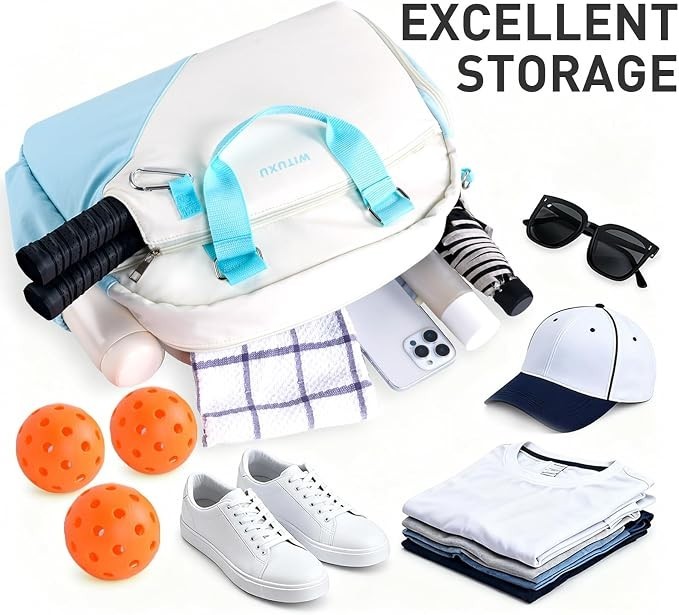 Wituxu Pickleball Bag for 2 Paddles, Vented Shoe Compartment & Wet-Dry Pocket$20.95
 View on eBay
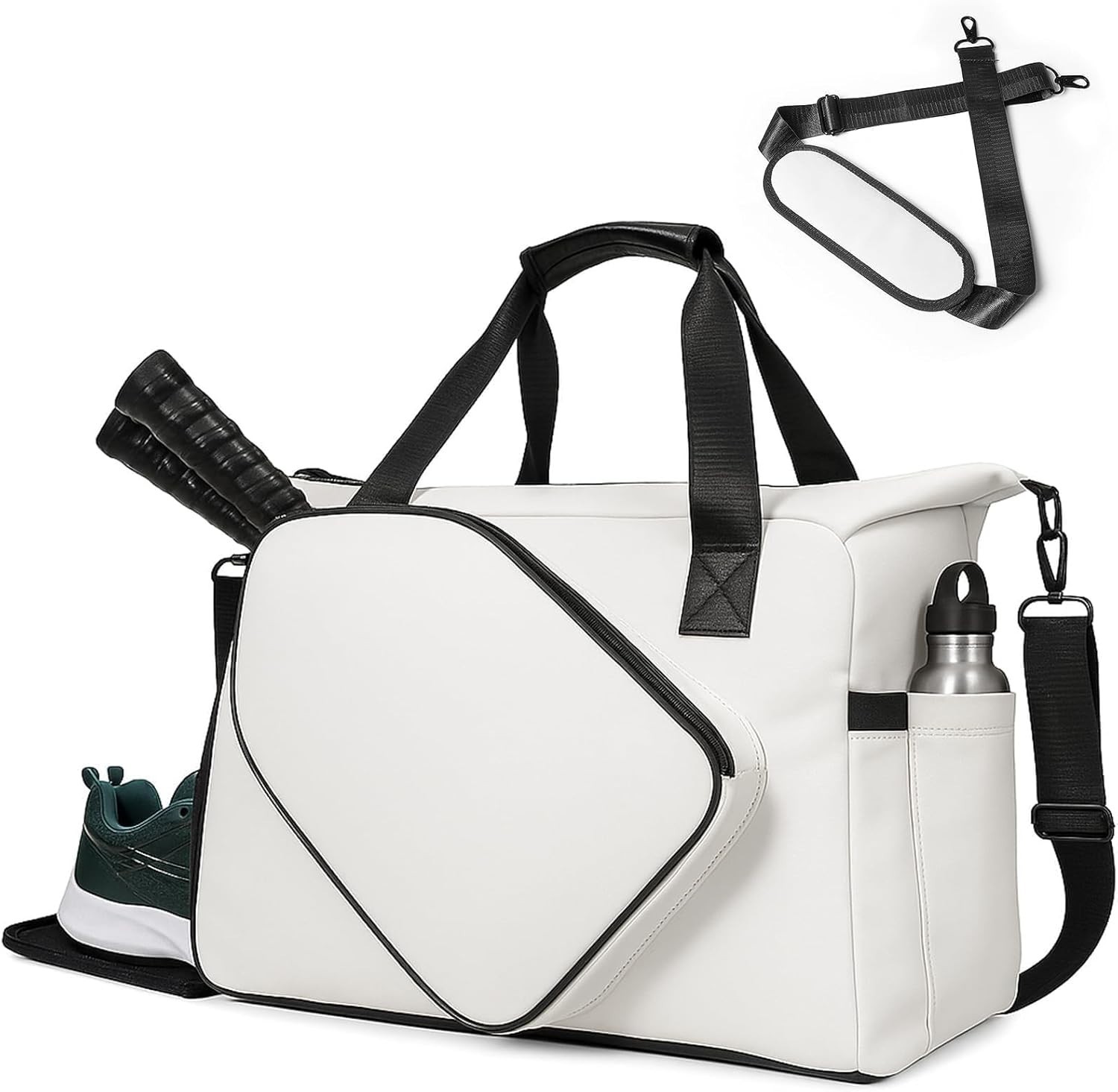 Professional Pickleball Tote Bag with Shoe Compartment and Paddle Storage$23.99View on eBay
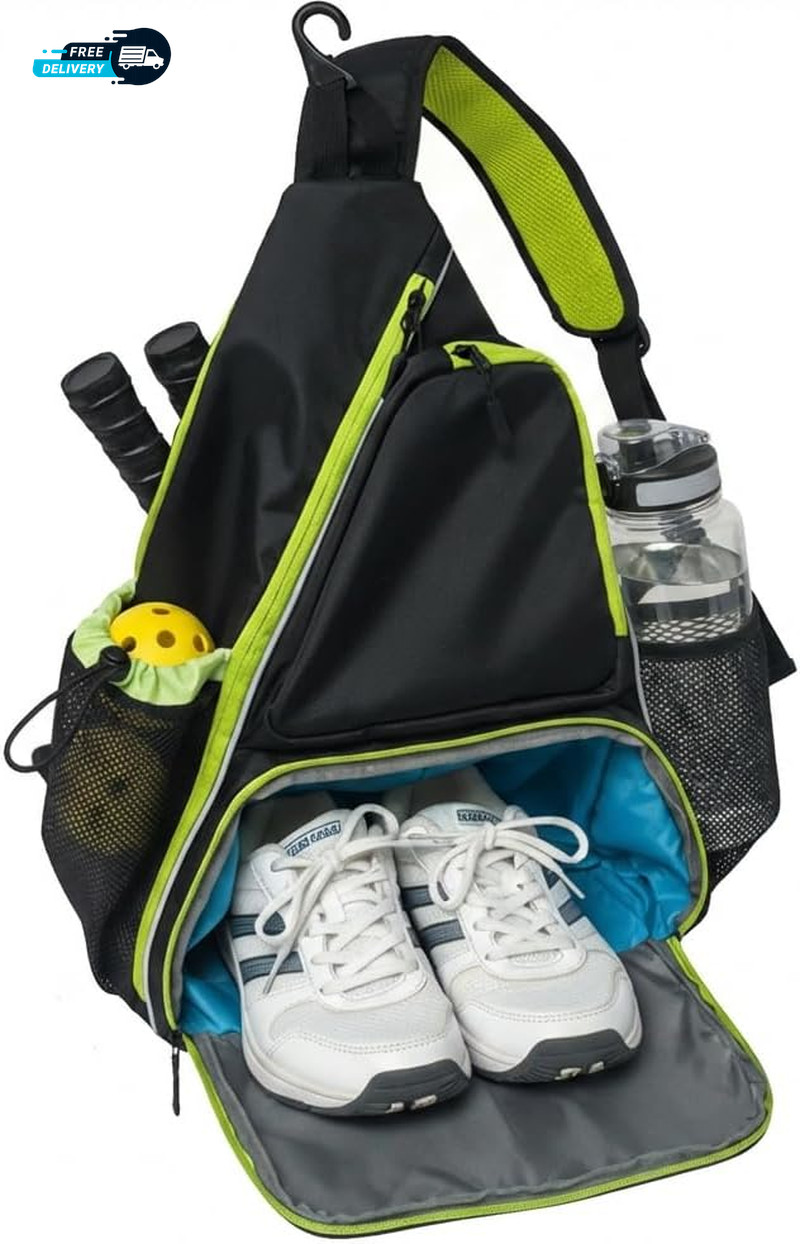 Pickleball Sling Bag with Shoe Compartment - Crossbody Backpack Fits 2 Paddles$27.11View on eBay
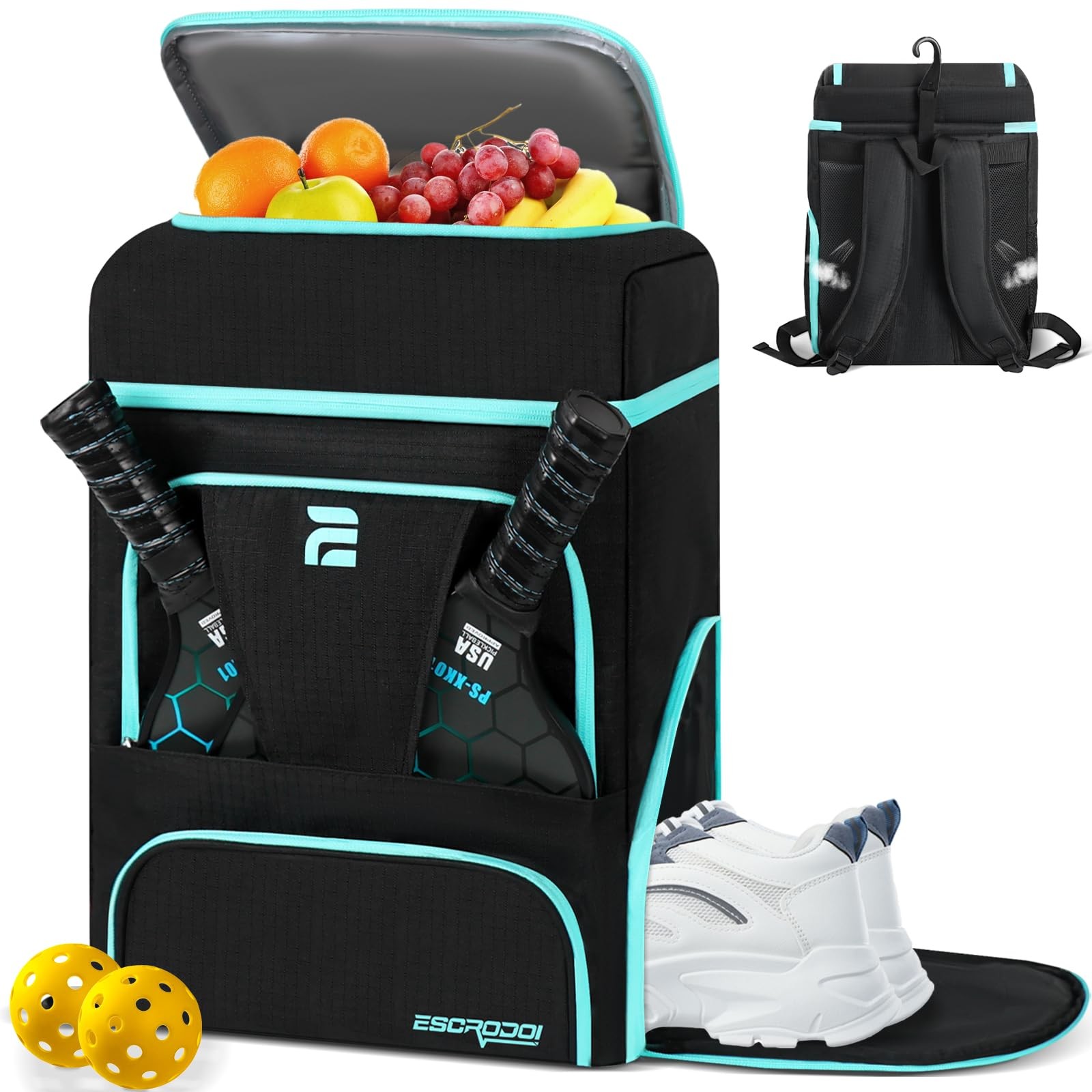 ESCRODOI Pickleball Bag Backpack with Shoe Compartment&Cooler,Black$28.96View on eBay
- ESCRODOI Pickleball Bag Backpack with Shoe Compartment&Cooler,Black$31.63View on eBay
- Pickleball Bag Backpack with Shoe Compartment & Cooler, Large Pickleball Spor...$32.32View on eBay
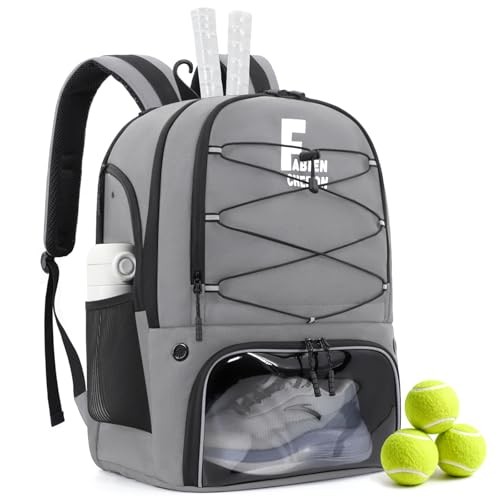 Tennis Bag,Pickleball Bag with Shoe Compartment and Cooler,Fence Hook Grey$47.45View on eBay
Highlights
- Court outsole patterns: herringbone or modified herringbone rubber delivers multi-directional grip on hard courts; running shoe treads wear fast and slip on lateral stops.
- Lateral support: TPU midfoot shanks, outriggers, and reinforced medial cages prevent ankle roll during wide dinks and split-step transitions—absent on generic cross-trainers.
- Cushioning stack: low-profile forefoot (under 20 mm) keeps court feel and reduces rollover risk; max-cushion running foams raise the center of gravity and slow direction changes.
- Durability zones: abrasive-resistant rubber in the toe drag and medial pivot areas extends life on rough outdoor hard courts; exposed EVA midsoles wear through in weeks.
Best use cases
- Best fit: hard indoor and outdoor courts (acrylic, concrete, sport tile) — pick a herringbone outsole with non-marking rubber and a reinforced toe cap for drag protection.
- Best fit: players with wide feet or high arches — choose a shoe with a roomy toe box and removable insole; skip narrow performance lasts that pinch on lateral cuts.
- Wrong fit: clay or grass play — herringbone hard-court rubber clogs and slips; select a clay-specific or all-court outsole with wider spacing instead.
- Wrong fit: casual wear or gym-only use — court shoes have stiff lateral structures and low cushioning; skip them for walking or treadmill running.
Buying tips
- Fit rule: leave a thumb's width (about 1 cm) between longest toe and shoe end; court shoes run true-to-size but narrow models may need a half size up.
- Outsole check: look for a full herringbone or modified herringbone pattern; a pivot point (circular tread) under the forefoot improves spin and reduces torque.
- Support tier: choose a mid-top or added ankle collar for prior ankle sprains; low-top for speed and unrestricted footwork if ankles are stable.
- Replacement signal: worn-through outsole at the toe or medial edge, compressed midsole (visible creasing), or lost lateral rigidity means the shoe no longer protects the foot.
Specs
| Outsole Pattern | Herringbone / Modified Herringbone |
|---|---|
| Court Surface | Hard court (indoor/outdoor) |
| Support Height | Low-top / Mid-top |
| Fit Width | Standard D / Wide 2E-4E |
Related searches
What to check before buying
- Measure foot length and width at the end of the day; compare to the shoe's last width—standard D for men, B for women—and size up for wide feet.
- Confirm court surface: indoor wood/tile needs non-marking gum rubber; outdoor acrylic/concrete needs abrasive-resistant carbon rubber.
- Check insole compatibility: removable insoles allow custom orthotics; glued-in insoles limit arch support adjustments.
- Verify ankle history: prior sprains or instability favor mid-top collars or external ankle support; otherwise low-top preserves mobility.
FAQ
Data sources: eBay / Amazon listings and product attribute feeds Data updated Nov 16, 2026.
Some links on this page are affiliate links. If you buy after clicking one, we may earn a commission at no extra cost to you. This does not change which products appear here or their order. Affiliate disclosure.