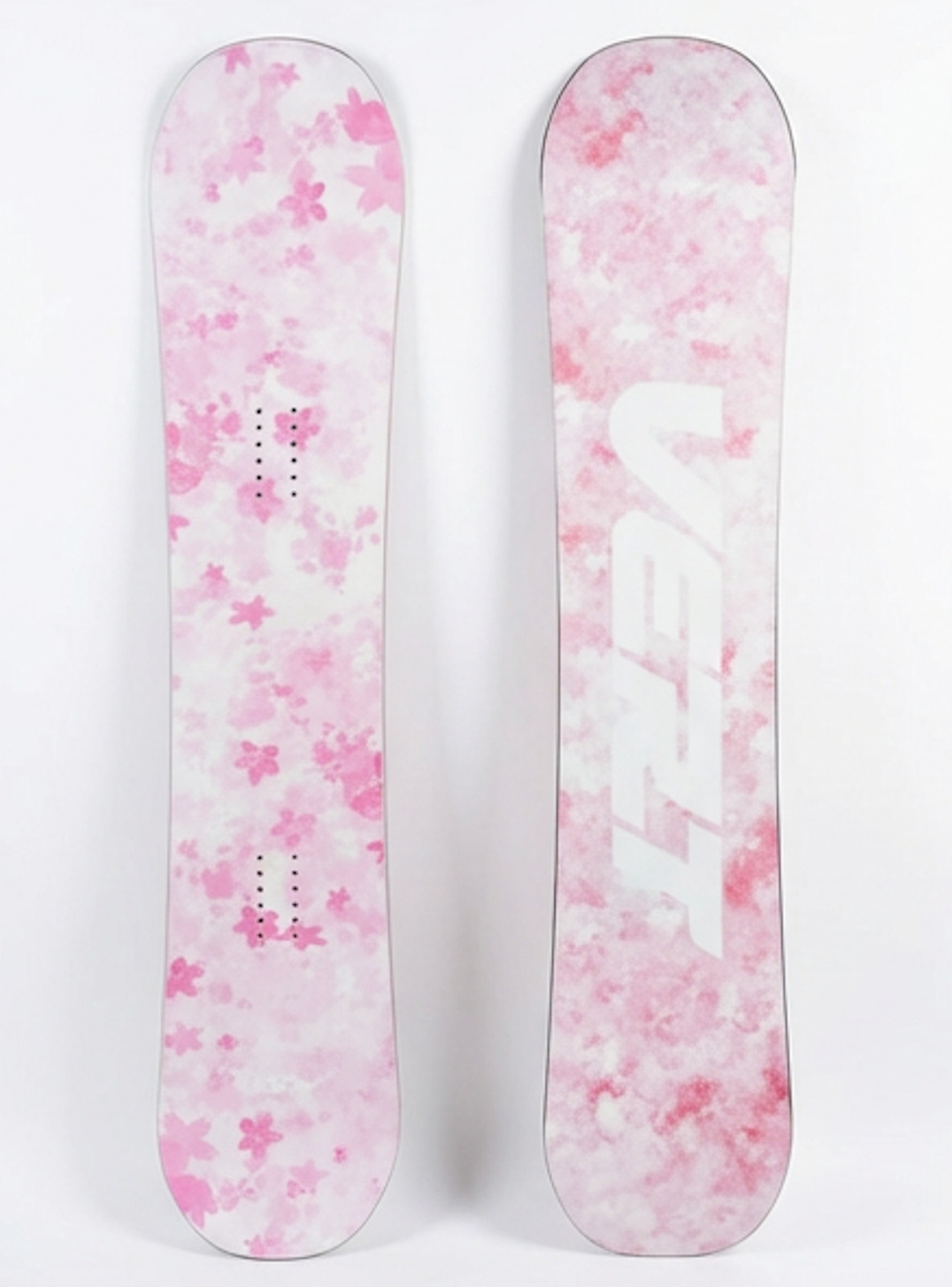

Photos from current listings. Actual item, color, and included accessories may vary.
All Mountain Snowboard Buying Guide
All-mountain snowboards are true quiver-of-one decks designed to handle groomers, powder, park, and steeps without specializing in any single terrain. The core trade-off is between camber profile (grip and pop) and rocker (float and forgiveness), with edge-hold and torsional stiffness determining how hard you can charge. Choose a directional or true-twin board with a hybrid camber profile and sintered base for durable all-terrain performance; avoid flat or full-rocker beginner decks for aggressive riding.


At a glance
- Category
- Skis & Snowboards
- Data updated
- Nov 16, 2026
Current offers
Highlights
- Hybrid camber profiles (camber under feet, rocker at tips) dominate all-mountain boards for grip plus float, while full camber suits hardpack and full rocker suits powder-only days.
- Sintered bases absorb wax and run faster than extruded bases but require regular waxing; extruded bases are durable and low-maintenance but slower.
- True twin shape gives switch riding and park versatility; directional or directional-twin shapes add float and drive in powder and steeps.
- Stiffness ratings (3-4 soft for park, 5-7 medium all-mountain, 8+ stiff for freeride) directly affect edge hold at speed and forgiveness in trees.
Best use cases
- Pick a medium-stiff (5-7) hybrid camber true twin or directional twin if you ride 70% groomers with occasional park and powder; skip full rocker boards that wash out on hardpack.
- Choose a directional shape with early rise and a stiffer tail for resort powder days and steeps; skip true twin park boards if you rarely ride switch.
- Select a softer (4-5) hybrid board for park laps and beginner-to-intermediate all-mountain progression; skip stiff freeride decks that punish low-speed maneuvering.
Buying tips
- Match board waist width to boot size: under US 10.5 use standard width (24.5-25.5 cm), US 10.5-12 use mid-wide (25.5-26.5 cm), US 12+ use wide (26.5+ cm) to avoid toe drag.
- Board length should reach between chin and nose for all-mountain; add 2-4 cm for freeride float, subtract 2-4 cm for park agility.
- Look for a sintered 4000+ base and steel edges with 2x2 inserts for durability and binding compatibility; avoid extruded bases if you prioritize speed.
- Hybrid camber with camber underfoot and rocker in the tips outperforms flat or full rocker for all-mountain edge hold and float.
Specs
| Camber Profile | Hybrid camber / Full camber / Rocker |
|---|---|
| Shape | True twin / Directional twin / Directional |
| Flex Rating | 3-9 (soft to stiff) |
| Base Material | Sintered vs Extruded |
Related searches
What to check before buying
- Measure your boot sole length in centimeters and compare to board waist width to ensure no toe or heel drag.
- Confirm your binding disc pattern (2x2 or 4x4) matches the board insert pattern; most modern boards use 2x2.
- Check your stance width and binding angles against the board's reference stance and insert pack spread.
- Verify your weight falls within the board's recommended rider weight range for the intended flex and length.
FAQ
Data sources: eBay / Amazon listings and product attribute feeds Data updated Nov 16, 2026.
Some links on this page are affiliate links. If you buy after clicking one, we may earn a commission at no extra cost to you. This does not change which products appear here or their order. Affiliate disclosure.