Photos from current listings. Actual item, color, and included accessories may vary.
Cycling Goggle Buying Guide
Cycling goggles span two distinct architectures: vented wrap-around sunglasses for open-road speed and sealed goggle/mask combos for downhill, enduro, and dust-heavy MTB. The core trade-off is lens coverage and wind sealing versus airflow and optical clarity—sealed goggles block debris but fog without dual-pane or anti-fog coatings, while open frames vent heat but leave eyes exposed to roost and grit. Buy sealed goggle/mask systems for lift-served or shuttle DH and dusty trails; buy wrap-around UV400 glasses for road, gravel, and XC where ventilation and pedaling airflow matter.

At a glance
- Category
- Sports Protection
- Data updated
- Nov 17, 2026
Current offers
 MTB Protective Mask Goggles Combo Motorcycle Cycling Outdoor Sports$23.99
 View on eBay
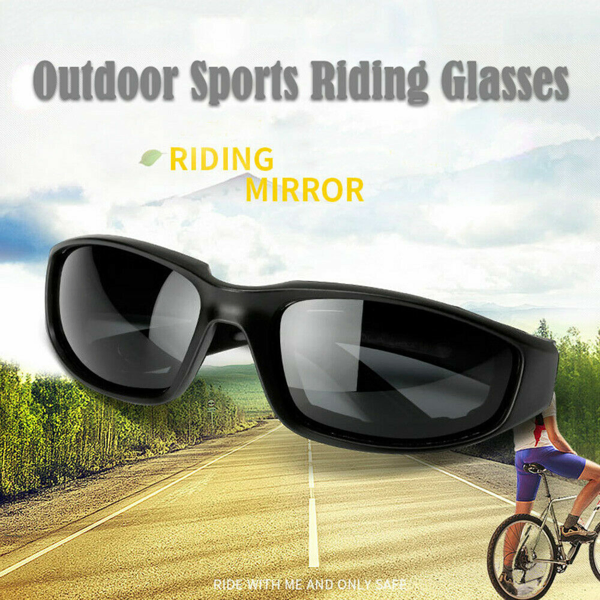 1 Pairs Motorcycle Sports Biker Riding Glasses Wind Resistant Eye Protection Goggles Cycling Sunglasses Grey Color$15.99
 View on Mallflare
 MTB Safety Mask & Goggles Set Multi Color Windproof Cycling Protection$24.99View on eBay
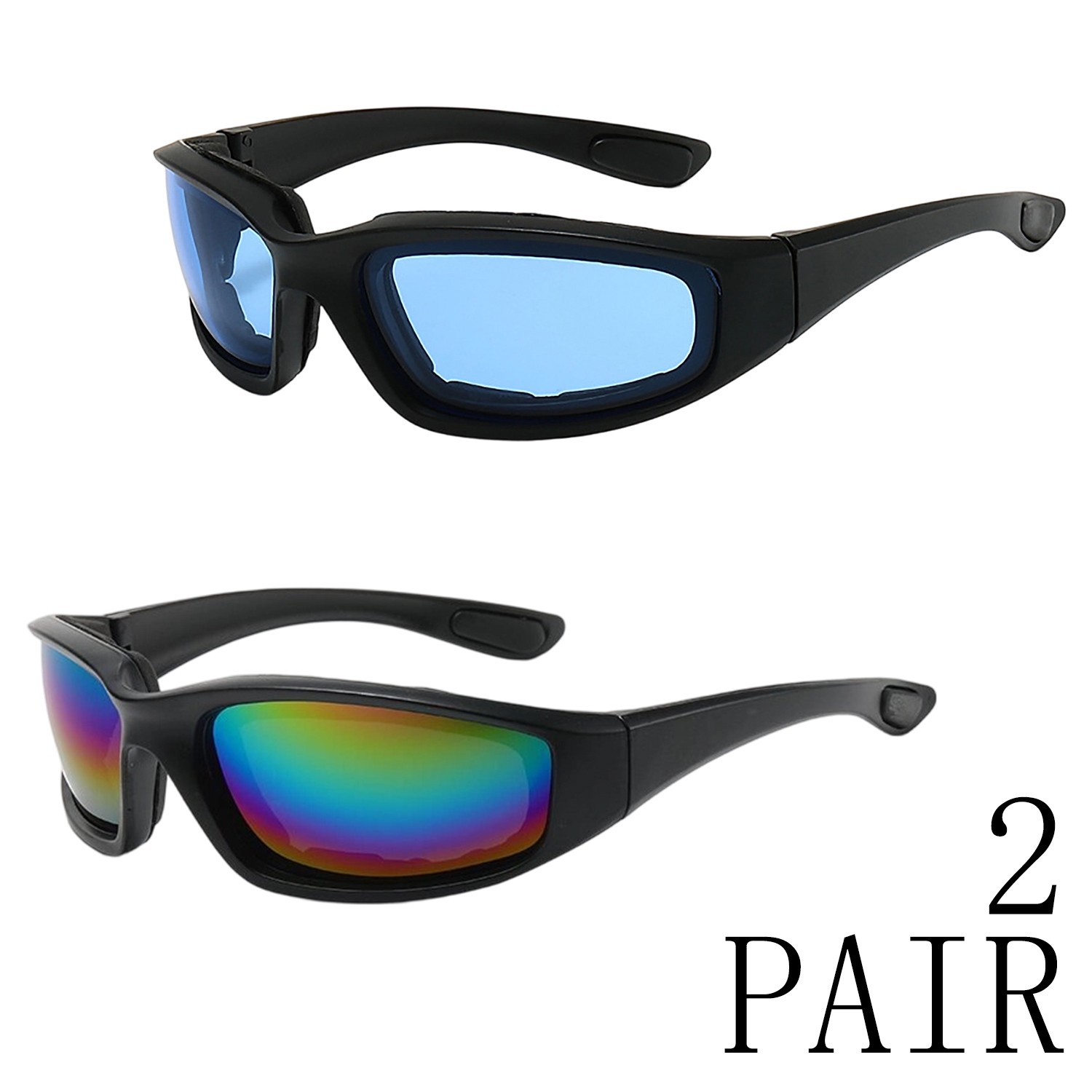 Cycling Sunglasses Motorcycle Sports Biker Riding Goggles UVA & UVB Protection$16.99View on Mallflare
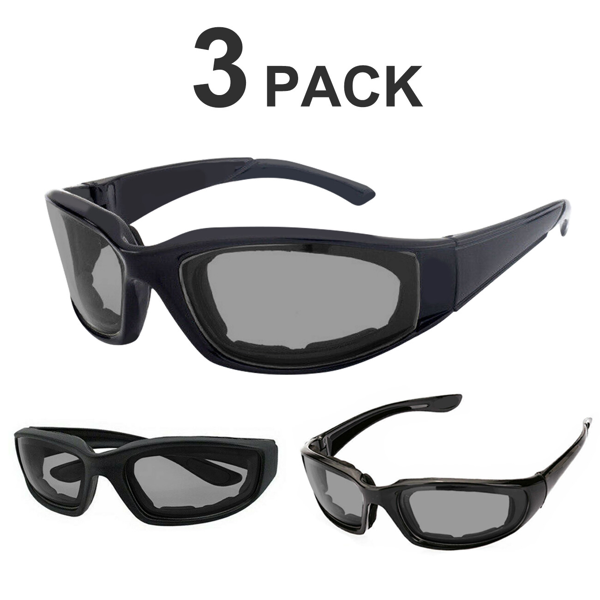 3 Pairs Motorcycle Sports Biker Riding Glasses Wind Resistant Eye Protection Goggles Cycling Sunglasses Grey Color$19.99View on Mallflare
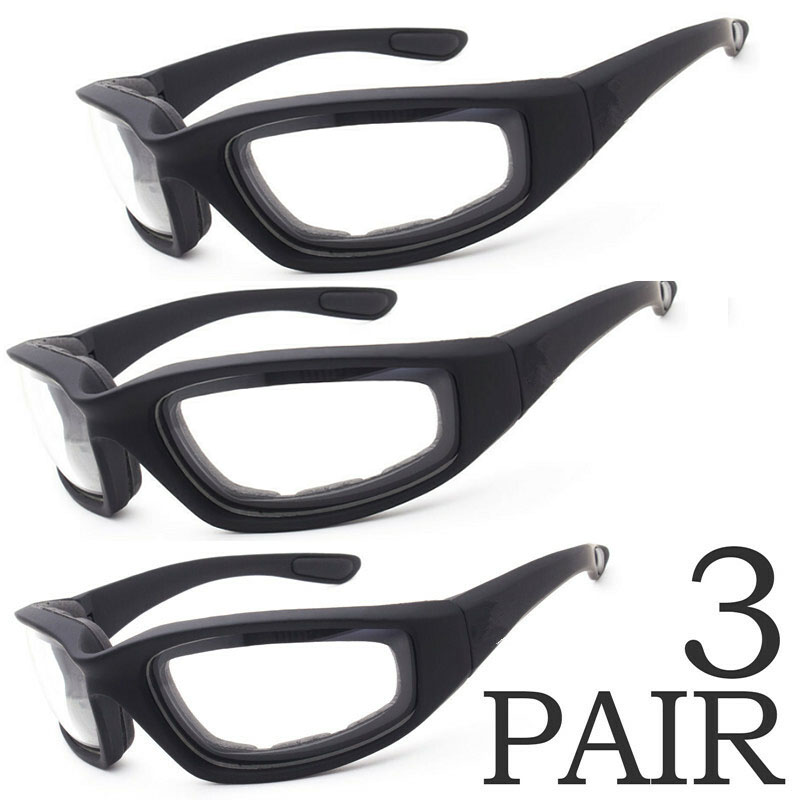 Cycling Sunglasses Chopper Outdoor Sports Glasses For Men Wrap Around UV400 Protection For Fishing Driving Windproof$20.99View on Mallflare
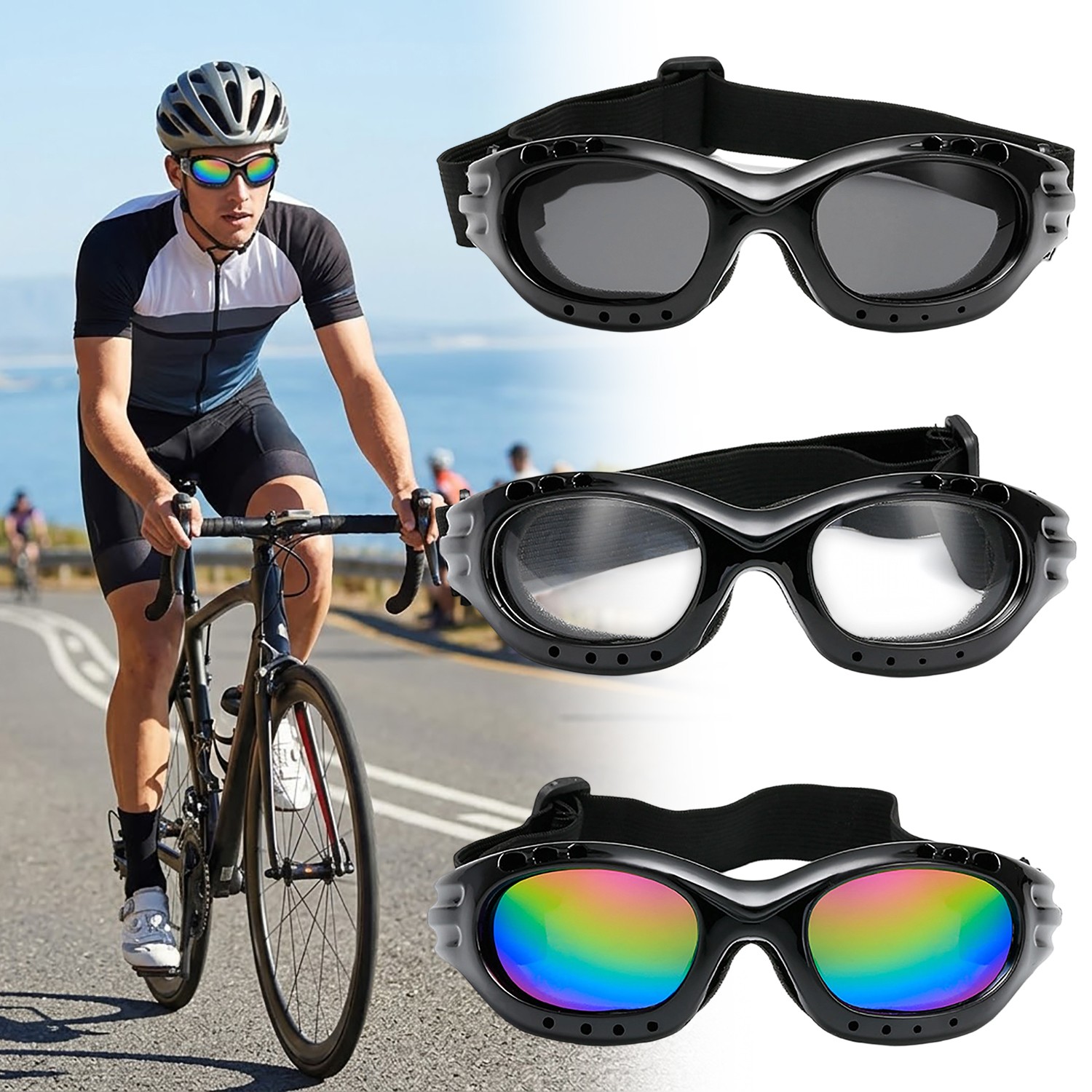 Cycling Sunglasses Motorcycle Sports Biker Riding Skiing Goggles UVA & UVB Protection$20.99View on Mallflare
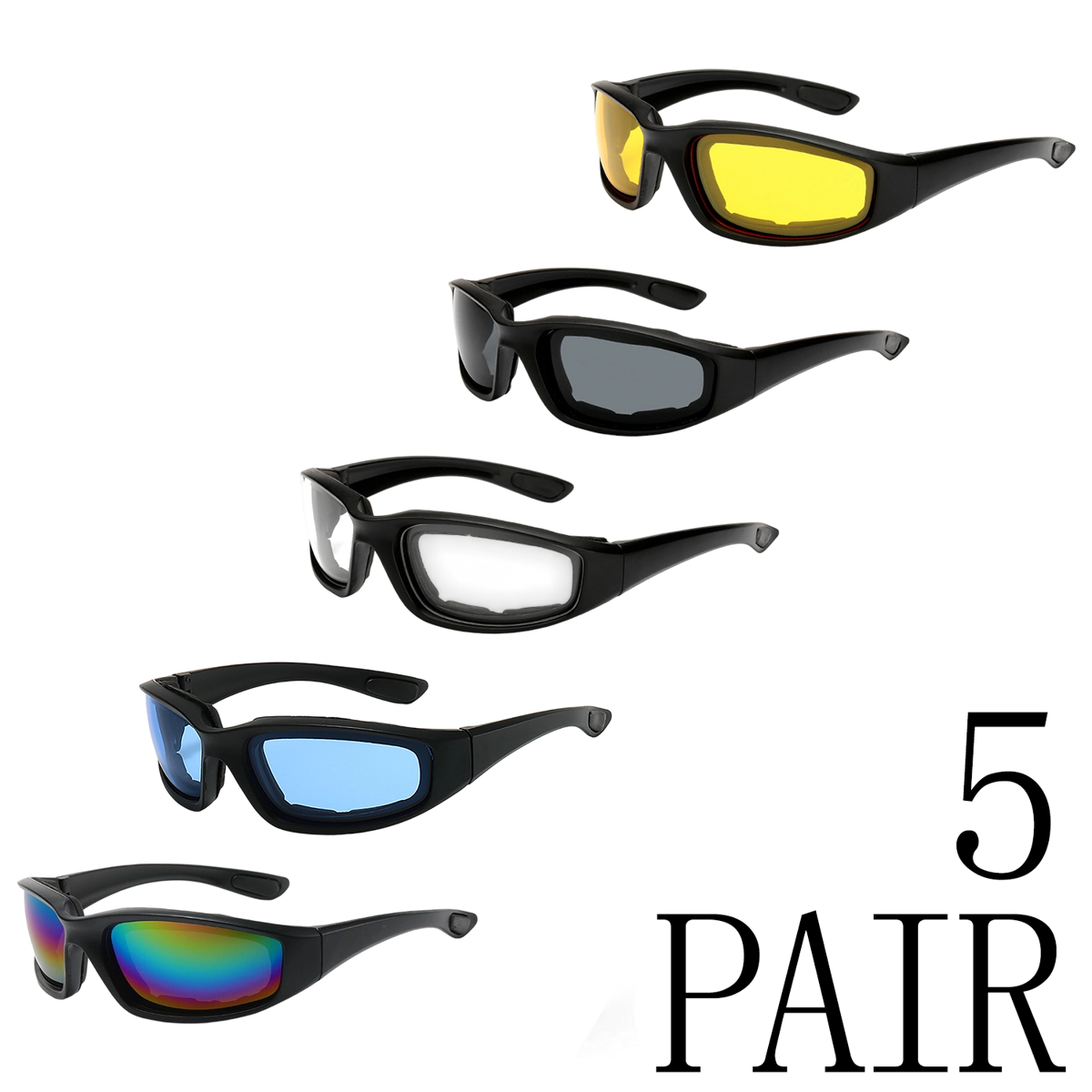 Cycling Sunglasses Motorcycle Sports Biker Riding Goggles UV400 Windproof$23.99View on Mallflare
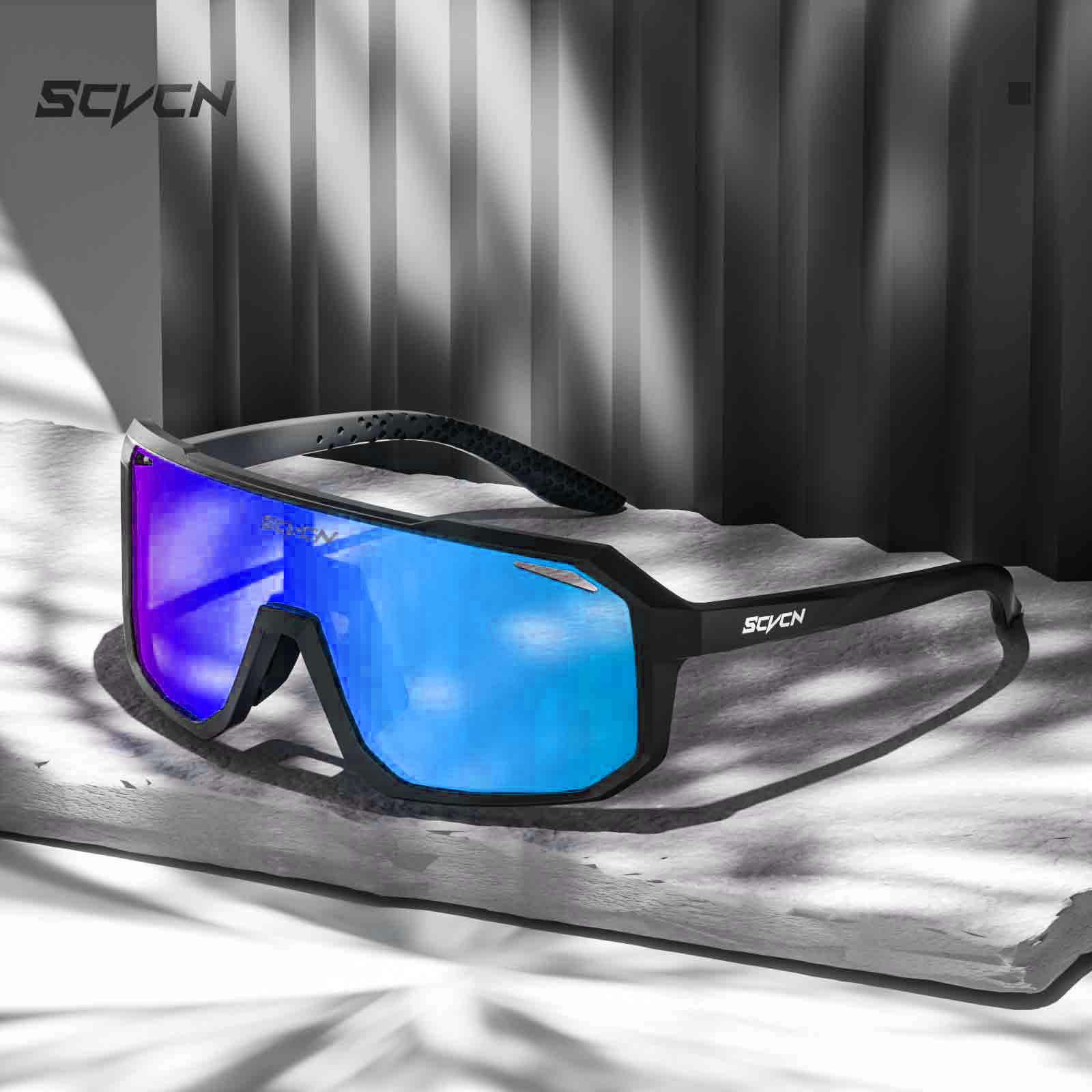 SCVCN Cycling Glasses, Sports Sunglasses, Outdoor Men's And Women's Running, Mountain Bike Wind Protective Goggles$28.99View on Mallflare
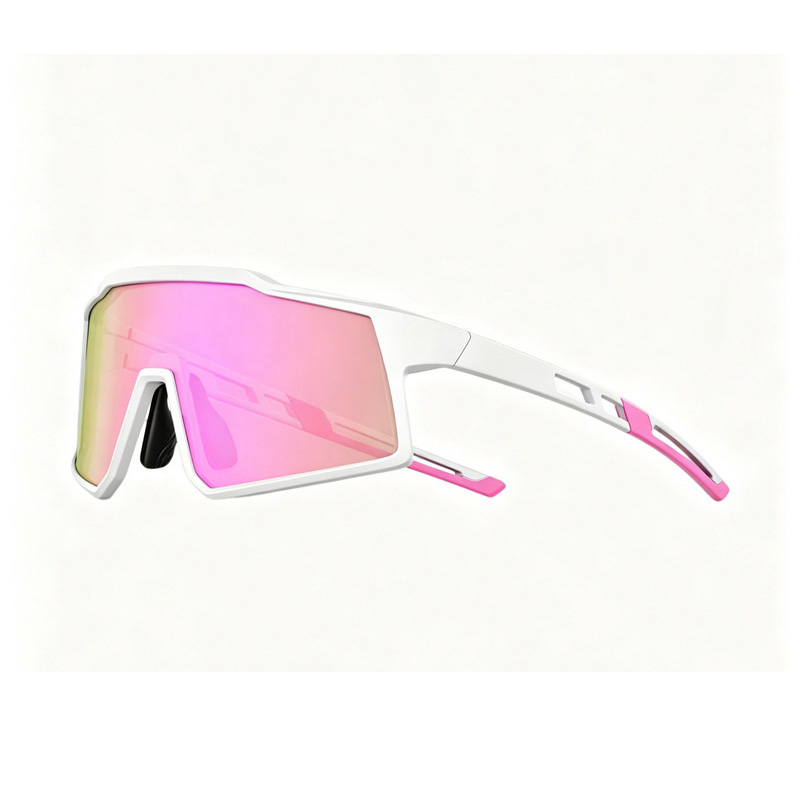 Children's Polarized Cycling Glasses For Teenagers Outdoor Sports And Windproof Goggles$32.99View on Mallflare
Highlights
- Lens standard: UV400 blocks UVA/UVB to 400 nm; polarized cuts glare off wet tarmac and water but adds cost and slight contrast loss in low light.
- Frame architecture: sealed MTB goggle/mask combos use foam gaskets and strap mounts; wrap-around cycling glasses use vented lenses and adjustable nose/temple grips.
- Anti-fog mechanics: dual-pane lenses with hydrophilic coating resist condensation; single-pane goggles fog fast when climbing or stopped.
- Impact standard: look for EN 166 or ANSI Z87.1 ratings on lens/frame for true debris protection; generic 'windproof' claims alone do not certify impact resistance.
Best use cases
- Downhill, enduro, or shuttle laps: pick a sealed goggle with dual-pane anti-fog lens and a mask/strap combo; skip vented sunglasses that let roost through.
- Road, gravel, or XC riding: pick vented wrap-around UV400 glasses with interchangeable lenses; skip sealed goggles that trap heat and fog on climbs.
- Riders who wear prescription glasses: pick an over-glasses (OTG) goggle with a deep frame cavity or a wrap frame with Rx insert; standard low-profile goggles will press frames into the face.
Buying tips
- For OTG fit, measure frame width and choose a goggle with at least 145 mm inner cavity width; narrower shells pinch temples and leak air.
- Match lens VLT to light: dark smoke/grey for bright sun, amber/rose for flat or overcast light, clear for night or dense woods.
- Choose polycarbonate lenses over acrylic: polycarbonate passes impact tests and blocks UV natively; acrylic cracks and hazes.
- For sealed goggles, require a dual-pane lens or anti-fog coating plus top vents; single-pane sealed goggles are a fog compromise.
Specs
| Lens Protection | UV400 / polarized optional |
|---|---|
| Frame Type | Vented wrap vs sealed goggle |
| Anti-Fog | Dual-pane + hydrophilic coating |
| Impact Standard | EN 166 / ANSI Z87.1 |
Related searches
What to check before buying
- Helmet compatibility: confirm the goggle strap width and shell gap match your helmet's goggle port; full-face and open helmets need different strap lengths.
- Prescription clearance: measure your glasses' total width and temple thickness against the goggle's OTG cavity before choosing a sealed model.
- Face and nose fit: sealed goggles need a foam gasket that matches your bridge height; try adjustable nose pieces on wrap glasses.
- Lens swap system: if you ride dawn-to-dusk, pick a model with tool-free interchangeable lenses rather than fixed tint.
FAQ
Data sources: eBay / Amazon listings and product attribute feeds Data updated Nov 17, 2026.
Some links on this page are affiliate links. If you buy after clicking one, we may earn a commission at no extra cost to you. This does not change which products appear here or their order. Affiliate disclosure.