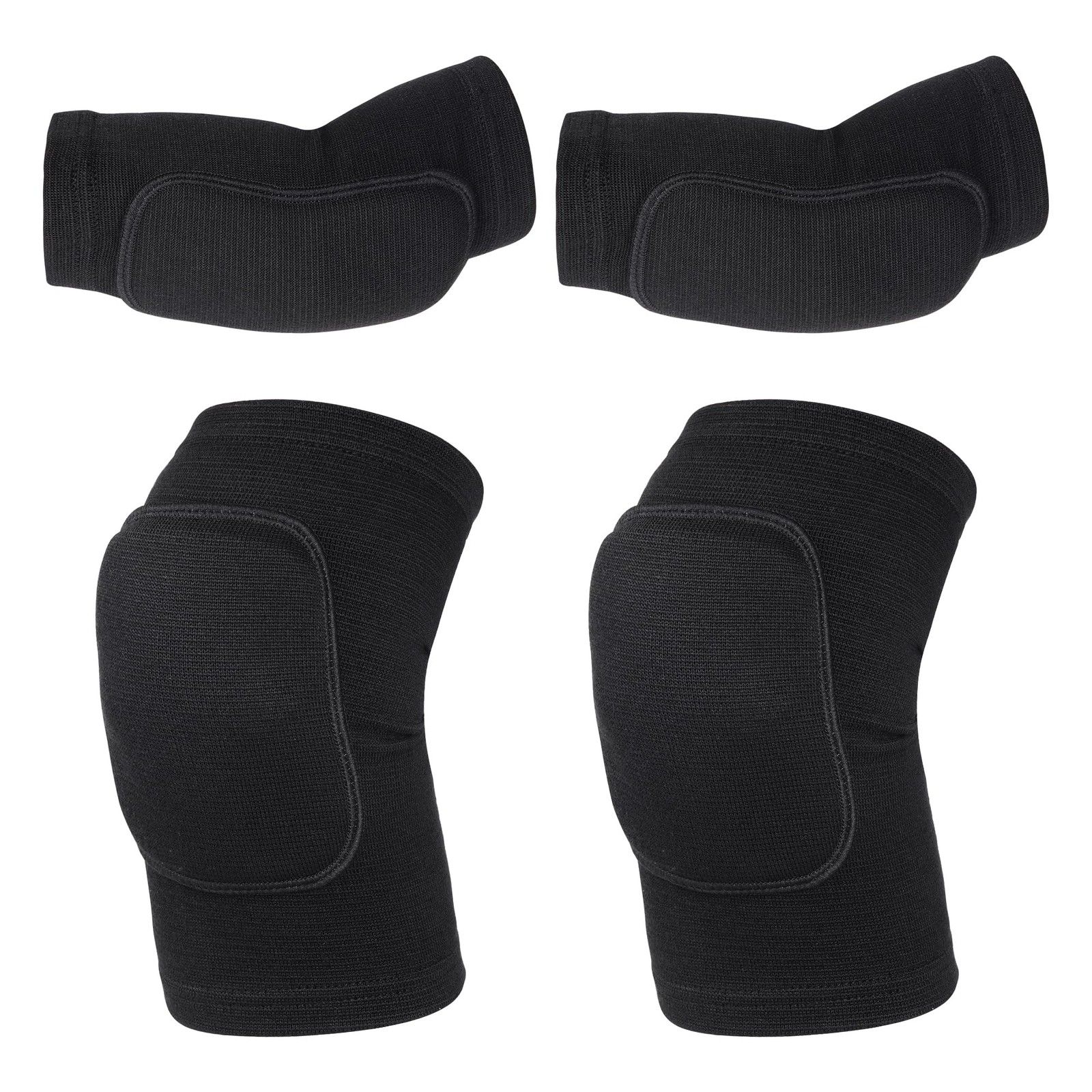

Photos from current listings. Actual item, color, and included accessories may vary.
Volleyball Knee Pad Buying Guide
Volleyball knee pads are padded sleeves worn over the kneecap to absorb impact during dives, digs, and floor scrambles. The core trade-off is padding thickness versus mobility: thick gel or EVA foam protects hard landings but can bunch behind the knee, while thin sleeves breathe and stay put but offer minimal shock absorption. Choose a pad with a sewn-in or removable dense foam core, a silicone anti-slip band, and a stretch mesh back if you play competitively; skip cheap single-layer foam sleeves with no grip band for anything beyond recreational play.


At a glance
- Category
- Sports Protection
- Data updated
- Nov 16, 2026
Current offers
Highlights
- Padding construction separates tiers: dense EVA foam or gel inserts (10-20mm thick) absorb impact, while single-layer open-cell foam compresses flat after a few sessions.
- Anti-slip engineering matters more than thickness — a silicone or rubberized band at the top hem keeps the pad over the kneecap during repeated dives.
- Knee sleeve fit uses circumference math: measure around the knee center and size to the pad's chart; a pad that is too loose slides down, too tight restricts circulation.
- Youth and adult sets differ mainly in sleeve length and strap circumference; kids' pads typically run 25-30cm around the knee versus 35-45cm for adult sizes.
Best use cases
- Best for indoor hard-court volleyball: pick a medium-thickness (12-15mm) EVA or gel pad with a silicone grip band and mesh back panel for breathability.
- Best for beach or grass volleyball: choose a thinner, low-profile sleeve (8-10mm) that won't trap sand and dries fast; skip bulky gel pads that hold moisture.
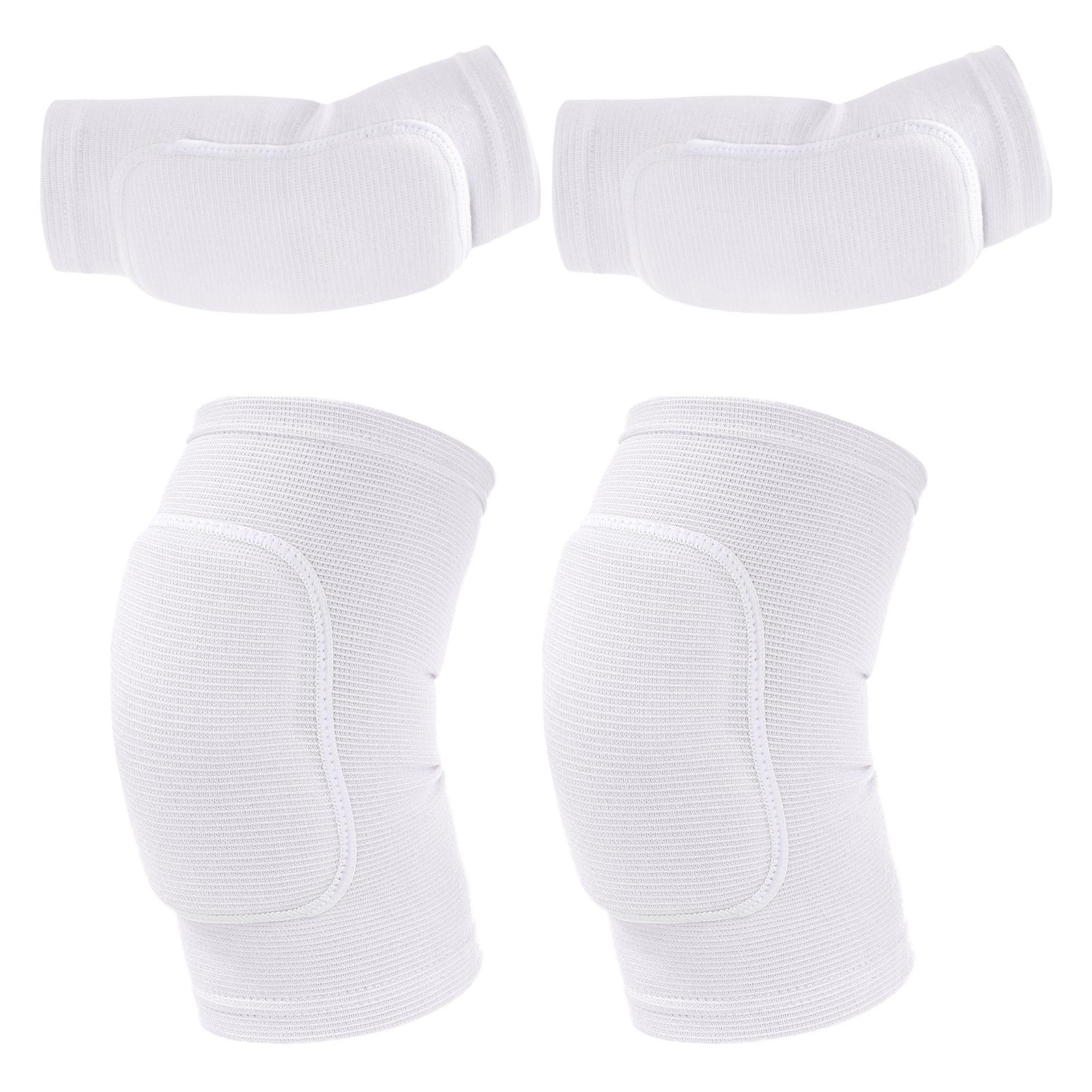
- Best for youth beginners: a knee-and-arm pad set in the correct youth circumference is adequate for recreational play; skip adult-sized pads that slide off smaller legs.
- Wrong fit: heavy-duty 20mm+ gel pads are overkill for casual players and restrict knee flexion — reserve them for competitive divers on hard floors.
Buying tips
- Measure knee circumference at the center of the kneecap and match the pad's size chart; do not size up for 'room' — loose pads slide down during play.
- Choose a pad with a sewn-in or removable foam core, not a loose foam insert that shifts; gel inserts offer better shock absorption than basic EVA.
- Look for a silicone or rubberized anti-slip band at the top hem — this is the single biggest durability and fit differentiator over cheap sleeves.
- For sets, confirm the knee pads include a grip band and the arm pads have elbow cutouts; youth sets should state a knee circumference range, not just 'kids'.
Specs
| Padding Material | EVA foam / gel / open-cell foam |
|---|---|
| Padding Thickness | 8-20mm (10-15mm typical) |
| Anti-Slip Band | Silicone / rubberized top hem |
| Sleeve Fit | Circumference-sized S/M/L / youth |
Related searches
What to check before buying
- Measure around the knee center (not the thigh) with a soft tape and compare to the pad's size chart — most brands run S/M/L by circumference.
- Confirm the pad length covers the kneecap and upper shin without bunching behind the knee when bent at 90 degrees.
- Check the back panel material: mesh or perforated fabric for breathability; solid neoprene traps heat and sweat.
- For youth sets, verify the knee sleeve circumference range fits the player's leg — adult pads on kids slide down and offer no protection.
FAQ
Data sources: eBay / Amazon listings and product attribute feeds Data updated Nov 16, 2026.
Some links on this page are affiliate links. If you buy after clicking one, we may earn a commission at no extra cost to you. This does not change which products appear here or their order. Affiliate disclosure.