Photos from current listings. Actual item, color, and included accessories may vary.
Baseball Cage Buying Guide
A baseball cage is a freestanding or frame-supported net enclosure that stops batted balls so you can take full swings in a backyard, garage, or indoor bay. The decisive trade-off is netting architecture: lightweight 4-ply knotless polyester handles backyard practice, while knotted HDPE at 30-ply or heavier absorbs machine-speed impacts without gouging. Choose knotted HDPE for pitching machines and team use, and knotless polyester only for hand-toss or tee work.


At a glance
- Category
- Team Sports
- Data updated
- Nov 17, 2026
Current offers
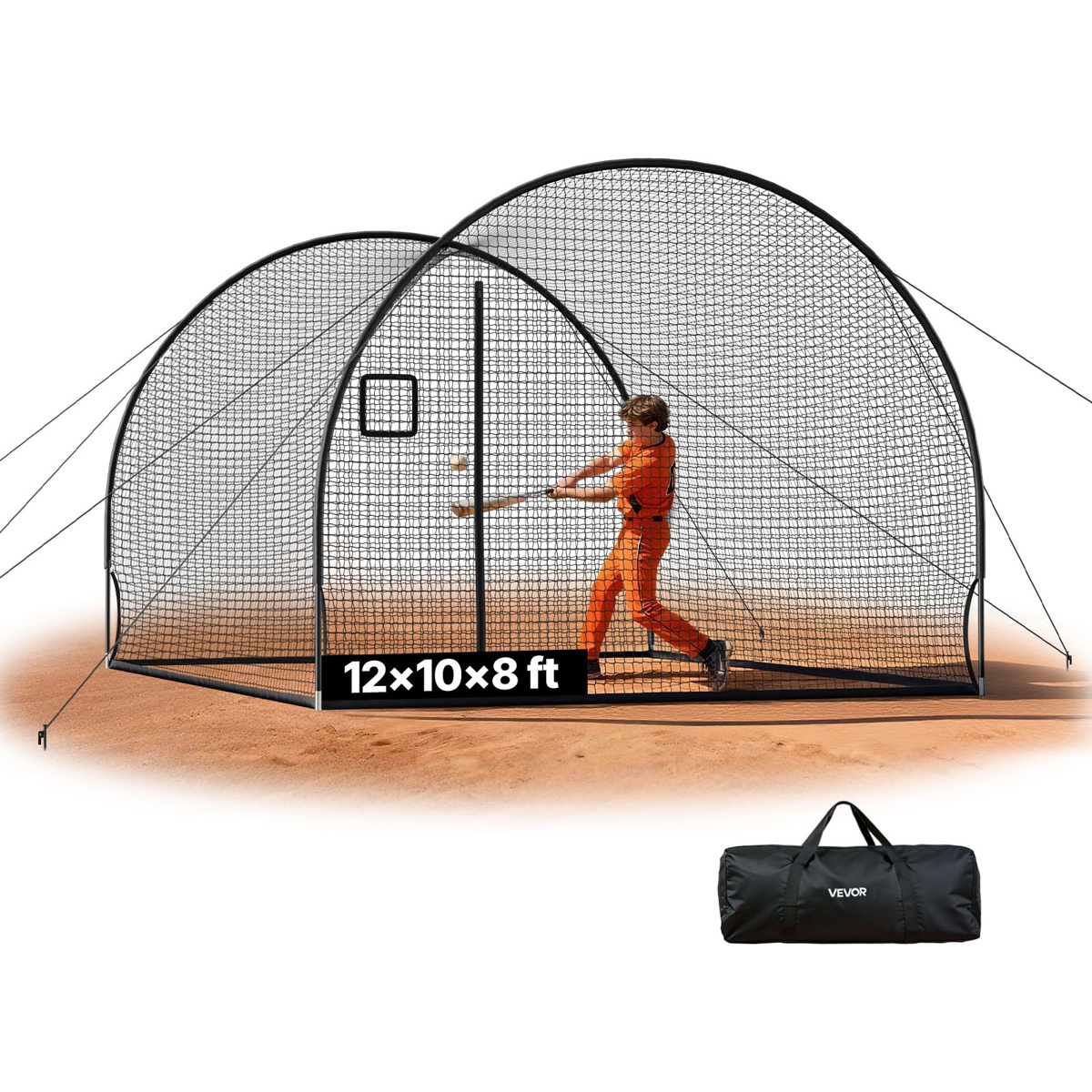 Baseball Batting Cage, 12 x 10.2 x 7.6 FT Freestanding Hitting Net, for Outdoor Practice, 4-Ply Knotless Polyester Netting, Pitching Machine Opening, Trainer for Backyards$119.99
 View on Mallflare
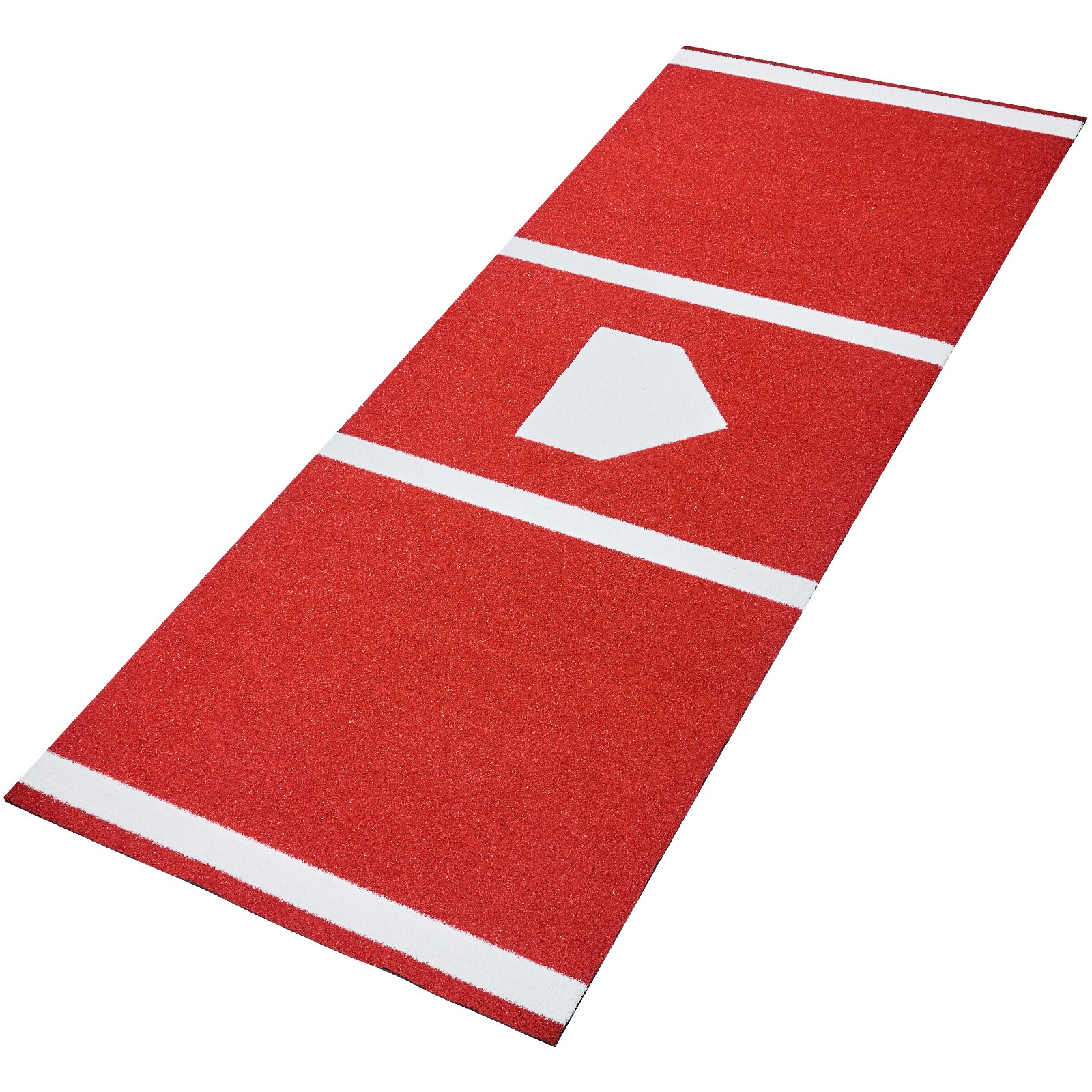 Baseball Hitting Mat, 10x3.8 Ft Batting Cage Mat, Batters Box Turf Mats, Softball Practice Equipment With Home Plate And Anti Fade Portable Training Aid For Indoor Outdoor, Red$144.99View on Mallflare
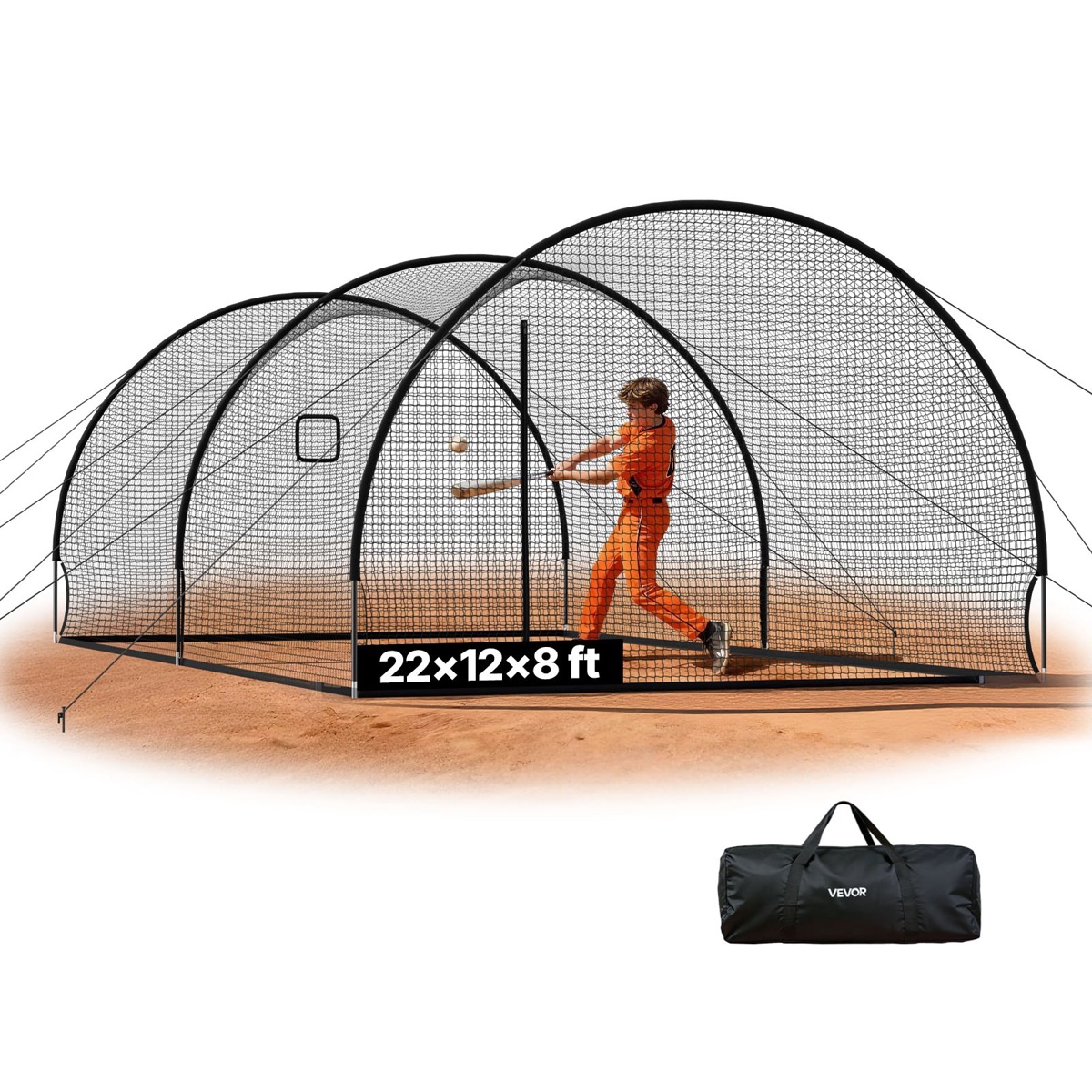 Baseball Batting Cage, 22.2 x 12.1 x 7.9 FT Freestanding Hitting Net, for Indoor Outdoor Practice, 4-Ply Knotless Polyester Netting, Pitching Machine Opening, Trainer for Team$157.99View on Mallflare
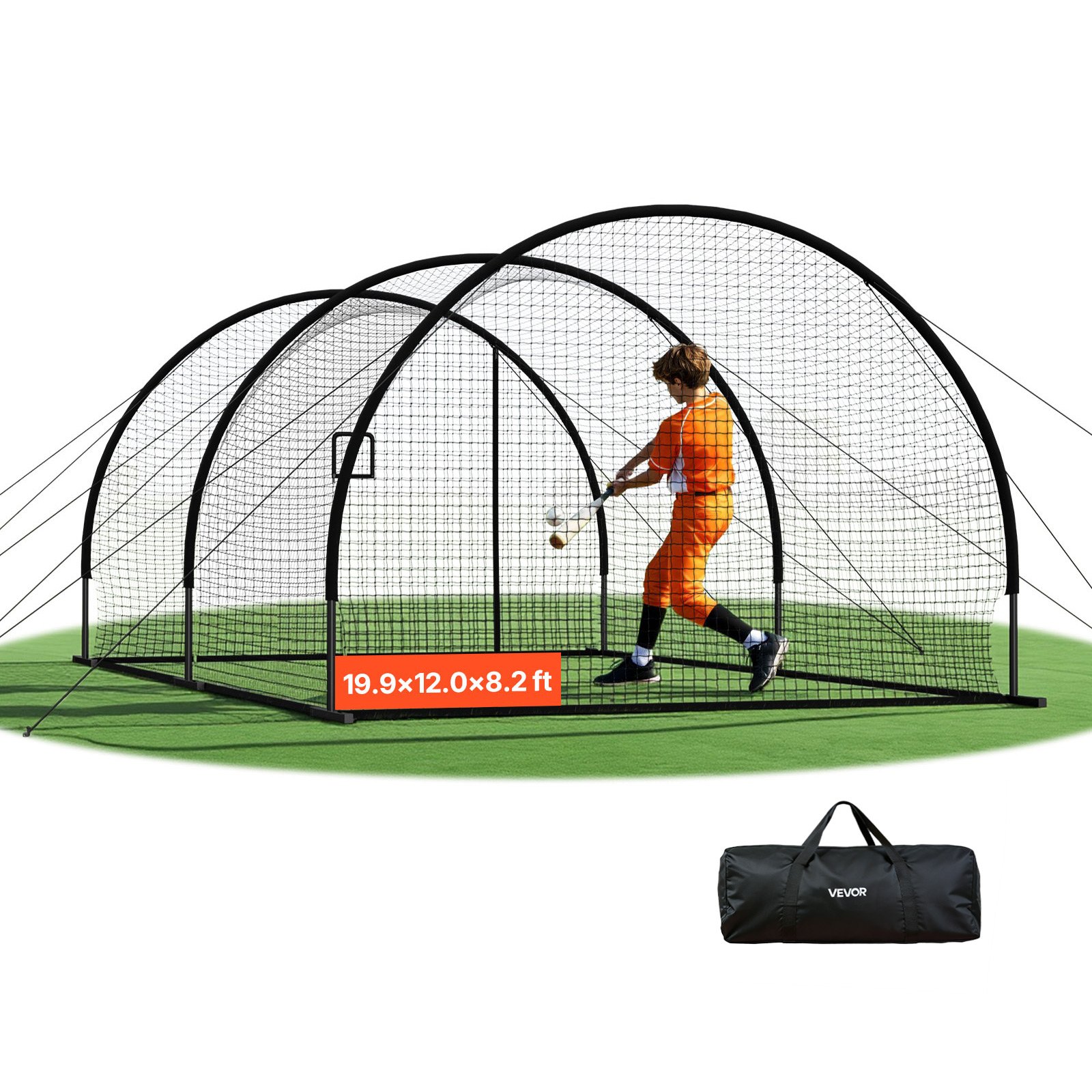 Baseball Batting Cage, 19.9 x 12.0 x 8.2 FT Freestanding Hitting Net, for Indoor & Outdoor Practice, 30-Ply Knotted HDPE Netting with Pitching Machine Opening, Training Net for Teams$167.99View on Mallflare
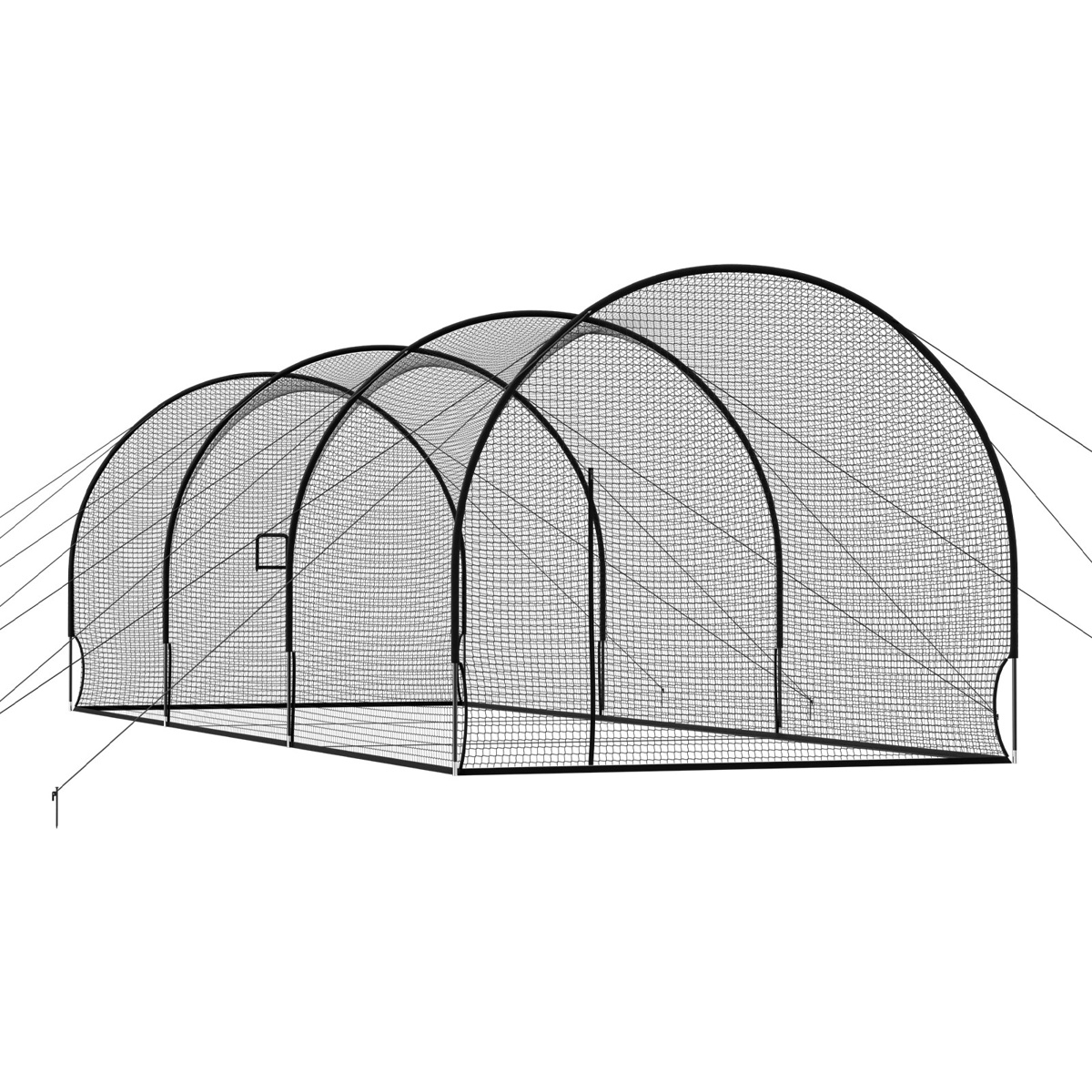 Baseball Batting Cage, 33.0 X 12.0 X 9.8 FT Freestanding Portable Hitting Cages With 4-Ply Knotless Polyester & Pitching Machine Opening, Battings Netting For Indoor Outdoor$180.99View on Mallflare
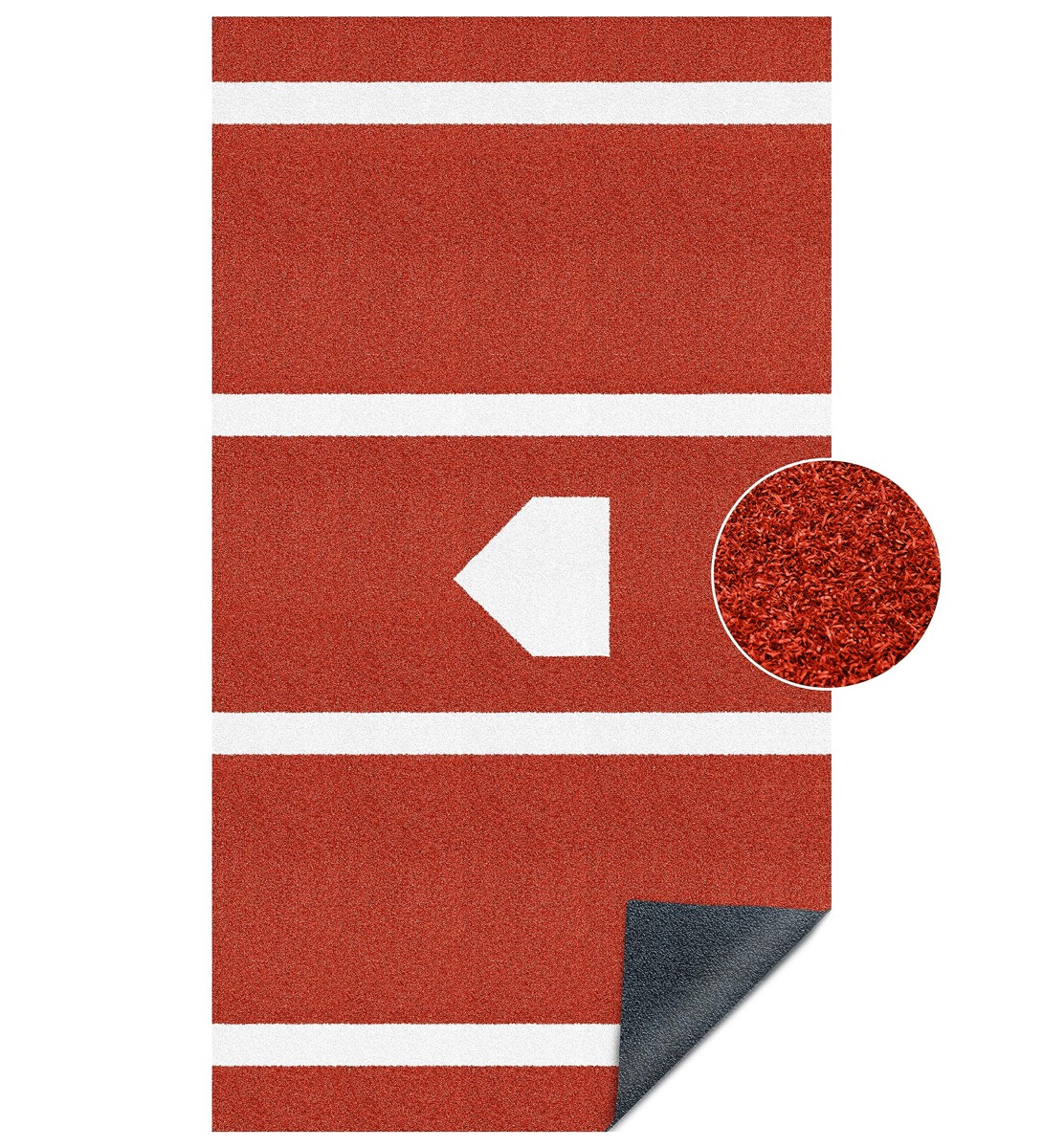 Premium Baseball Batting Mat 10x3.8 Ft Indoor Outdoor Portable Softball Hitting Mat, Non-slip Rubber Bottom Cage Mat With Home Plate For Batter, Pitcher And Catcher Training$186.99View on Mallflare
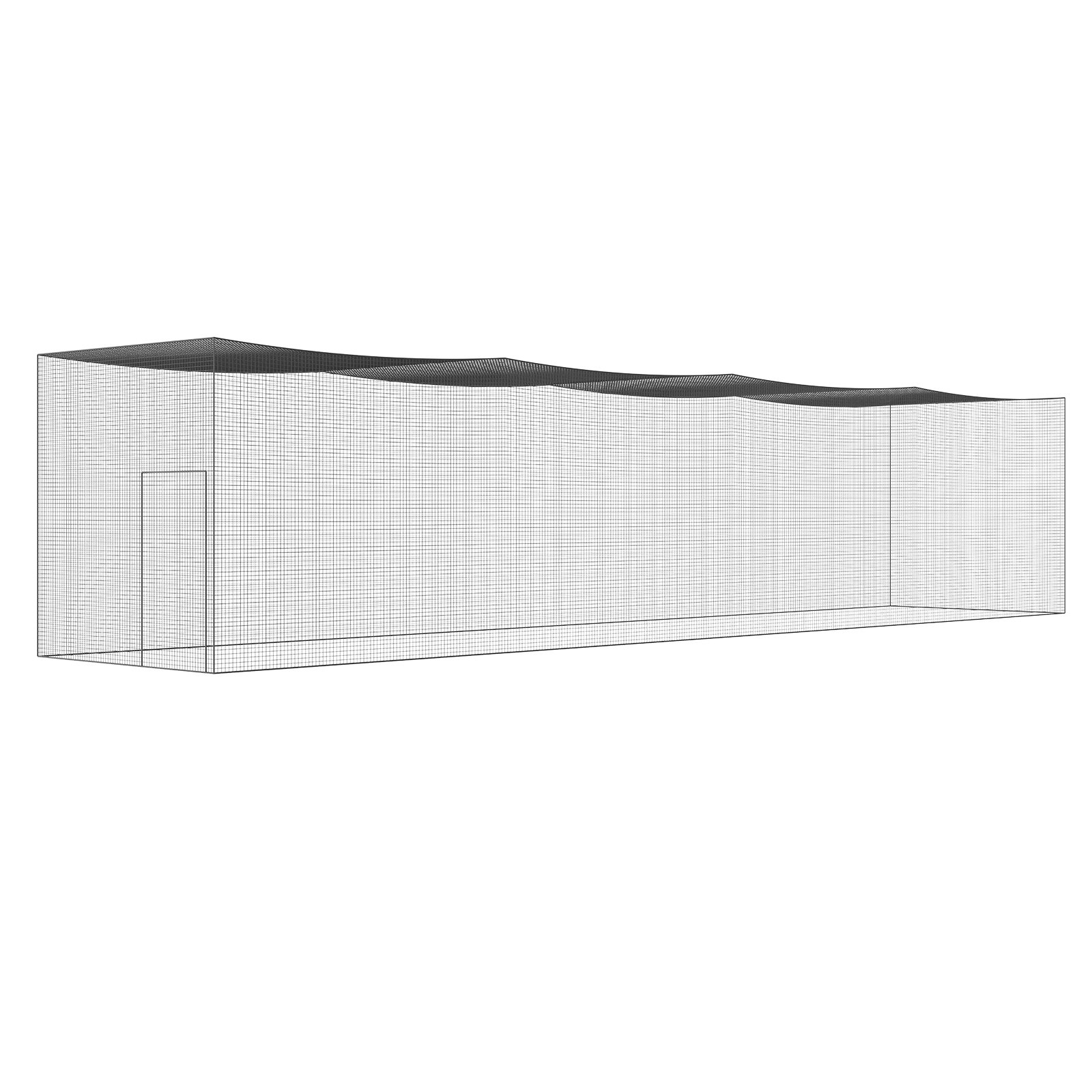 Baseball Batting Netting, Professional Softball Hitting Training Net, Practice Portable Pitching Cage Net With Door & Carry Bag, Heavy Duty Enclosed PE 55FT NET ONLY$207.99View on Mallflare
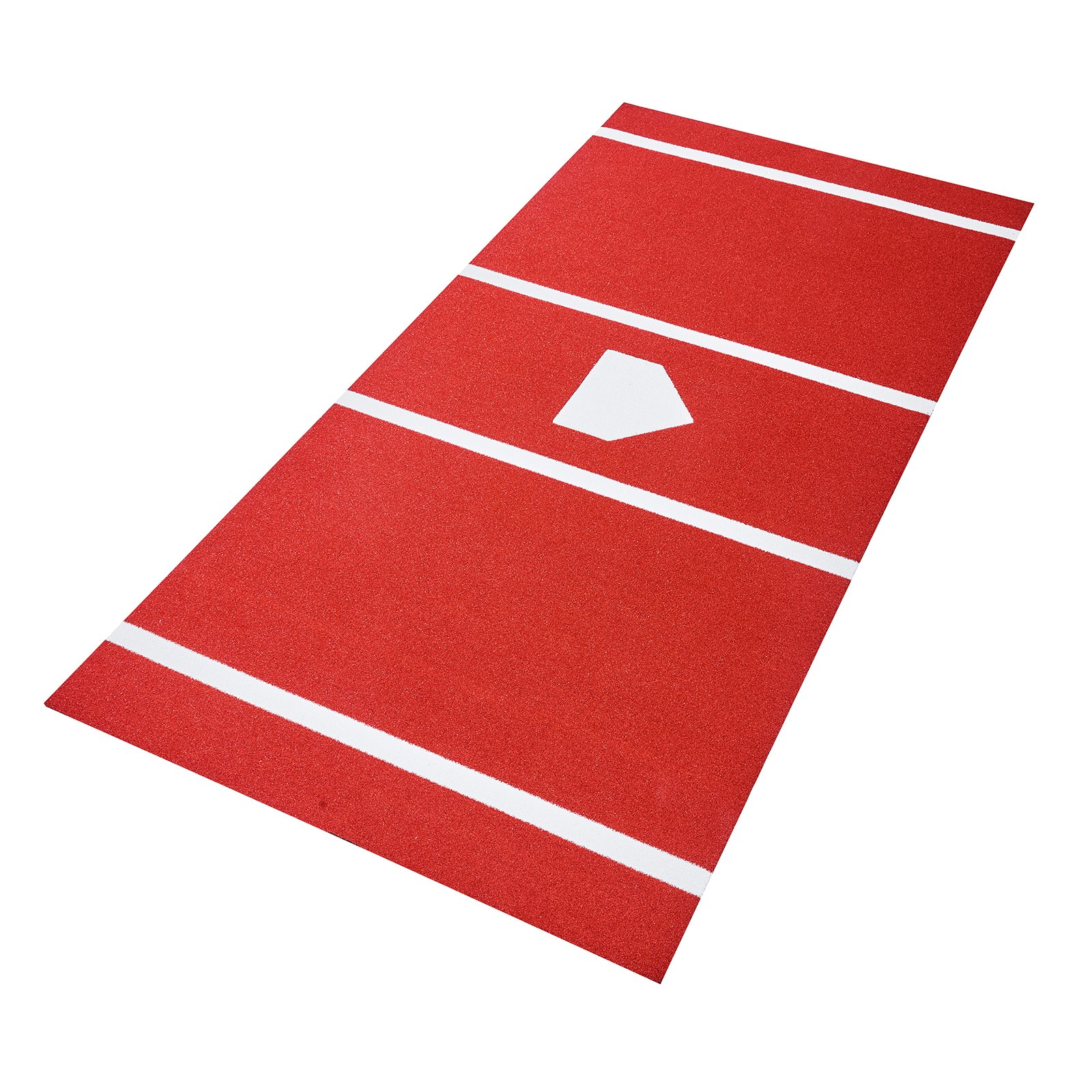 Baseball Hitting Mat, 12x6 Ft Batting Cage Mat, Batters Box Turf Mats, Softball Practice Equipment With Home Plate And Anti Fade Portable Training Aid For Indoor Outdoor, Red$249.99View on Mallflare
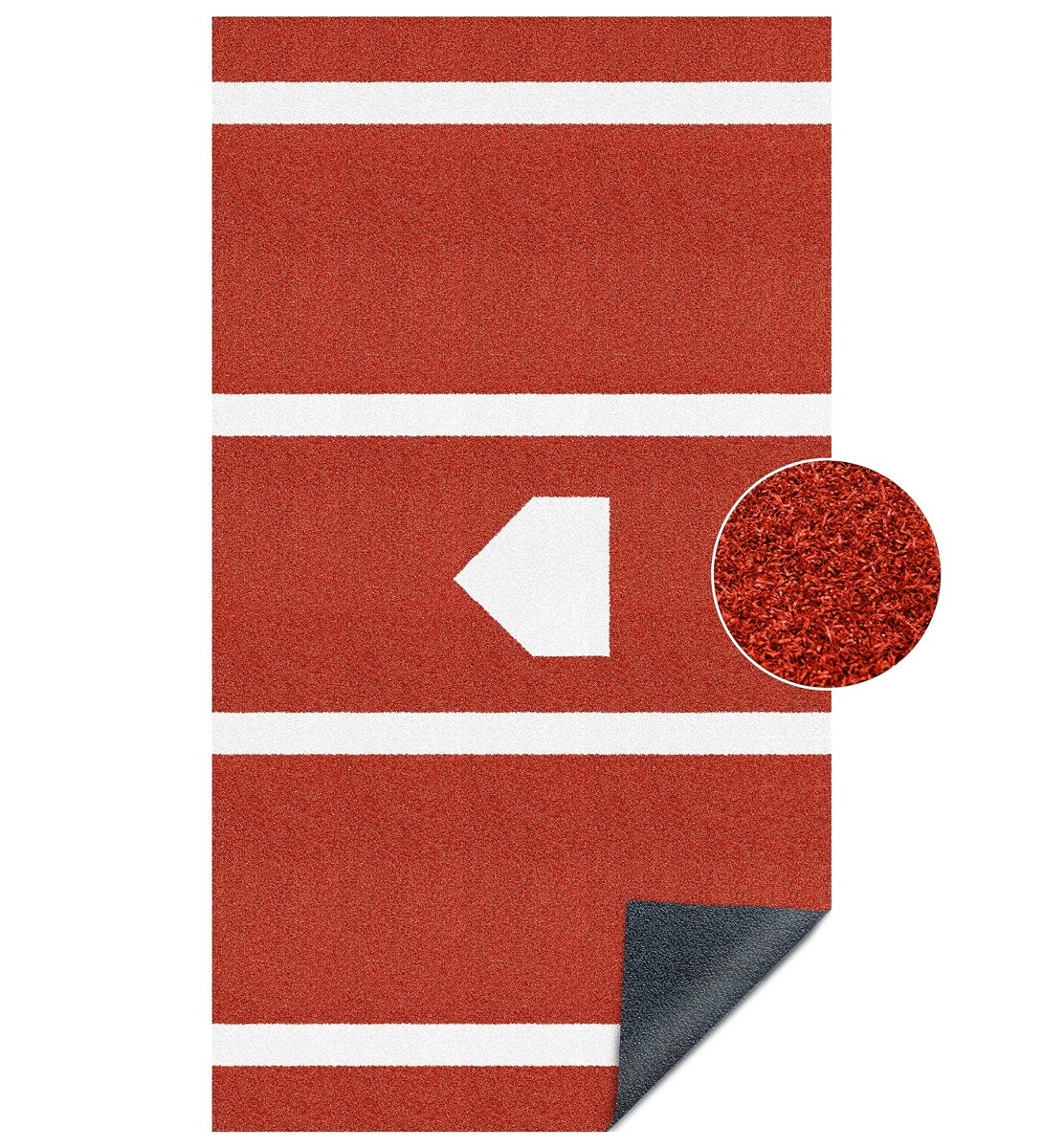 Premium Baseball Batting Mat 12 X 6 Ft Indoor Outdoor Portable Softball Hitting Mat, Non-slip Rubber Bottom Cage Mat With Home Plate For Batter, Pitcher And Catcher Training$304.99View on Mallflare
 Premium Baseball Batting Mat 12 X 6 Ft Indoor Outdoor Portable Softball Hitting Mat, Non Slip Rubber Bottom Cage Mat With Home Plate For Batter, Pitcher And Catcher Training$304.99View on Mallflare
Highlights
- Net construction separates tiers: 4-ply knotless polyester is soft, tangle-resistant, and light enough for one-person setup but wears faster under 70+ mph machine balls.
- Knotted HDPE at 30-ply and above resists abrasion and holds shape under repeated machine impact; knotless mesh relies on strand bonding that abrades at high velocity.
- Cage depth must exceed batter-to-backstop distance: 12 ft depth fits front toss, 20 ft supports full bullpen work, and 33 ft accommodates live pitching with a catcher.
- Freestanding fiberglass or steel pole frames with guy-line anchors are portable but require staking or sandbags; permanent frames need concrete footings for wind and impact loads.
Best use cases
- Backyard tee and front-toss practice: pick a 12 x 10 x 7.6 ft knotless polyester cage; skip 30+ ft team cages that overwhelm small lots and cost more per usable swing.
- Pitching-machine and team practice: buy knotted HDPE 30-ply or heavier in 20-33 ft depth with a dedicated machine opening; skip 4-ply knotless nets that groove and tear under 70+ mph balls.
- Indoor garage or commercial bay: choose a freestanding cage sized to ceiling height minus 1 ft clearance with rubber-backed turf mat; skip staked outdoor frames that need ground penetration.
Buying tips
- Match cage length to training type: 12 ft for tee/front toss, 20 ft for short-toss and machine work, 33 ft for live pitching with catcher and umpire space.
- Require at least 30-ply knotted HDPE for pitching machines; 4-ply knotless polyester is acceptable only for balls under 60 mph and hand-toss drills.
- Add a rubber-bottom turf mat sized 10 x 3.8 ft for batter's box or 12 x 6 ft for full stance and stride; bare net over grass kills footing and swings.
- Frame poles must be at least 1.5 in diameter fiberglass or powder-coated steel with guy lines and ground stakes; thin pop-up poles flex and fail at the corners.
Specs
| Net Material | Knotless polyester vs knotted HDPE |
|---|---|
| Net Ply Rating | 4-ply knotless up to 30-ply knotted |
| Cage Depth | 12 ft / 20 ft / 33 ft |
| Frame & Anchoring | Fiberglass or steel + stakes/guy lines |
Related searches
What to check before buying
- Measure available depth, width, and height, and subtract 1 ft from ceiling or branch clearance so the net crown never contacts structure.
- Confirm ground surface: stakes need soil or turf, while concrete or deck requires weighted sandbags rated for the frame's wind load.
- Verify the net includes a pitching-machine opening and door if you plan machine drills; net-only listings lack frame, stakes, and door.
- Check ball type and speed: dimpled machine balls and real leather at 70+ mph demand knotted HDPE, not knotless polyester.
FAQ
Data sources: eBay / Amazon listings and product attribute feeds Data updated Nov 17, 2026.
Some links on this page are affiliate links. If you buy after clicking one, we may earn a commission at no extra cost to you. This does not change which products appear here or their order. Affiliate disclosure.