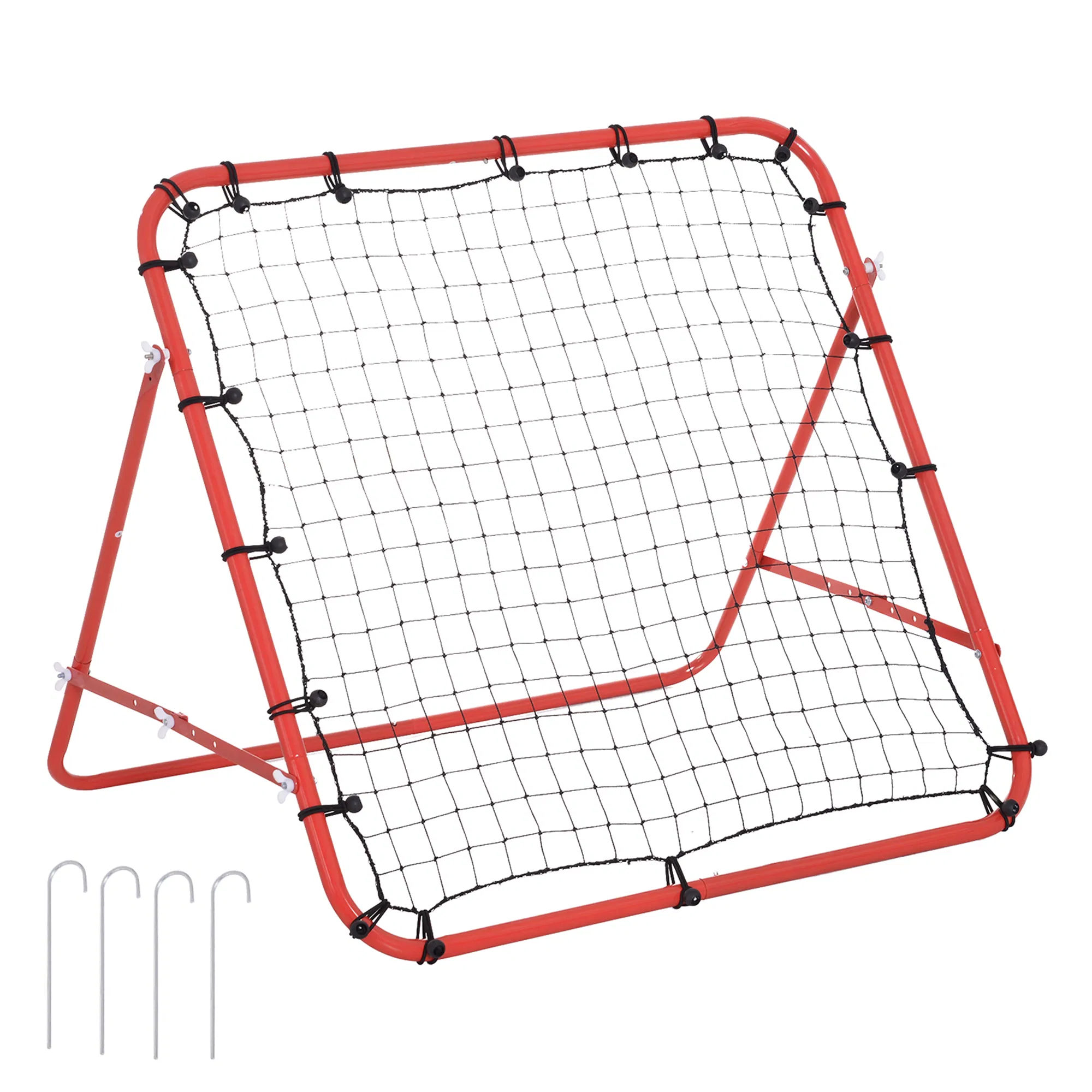

Photos from current listings. Actual item, color, and included accessories may vary.
Football Training Aid Buying Guide
Football training aids are rebounders, target nets, and reaction tools that let players practice passing, receiving, and striking without a partner. The core trade-off is between flimsy pop-up nets that warp after one season and framed steel rebounders with replaceable netting and adjustable tension. Buy a welded or bolted steel-frame rebounder with UV-stabilized netting if you train weekly; skip fiberglass-pole pop-ups unless they are strictly portable warm-up tools.


At a glance
- Category
- Team Sports
- Data updated
- Nov 16, 2026
Current offers
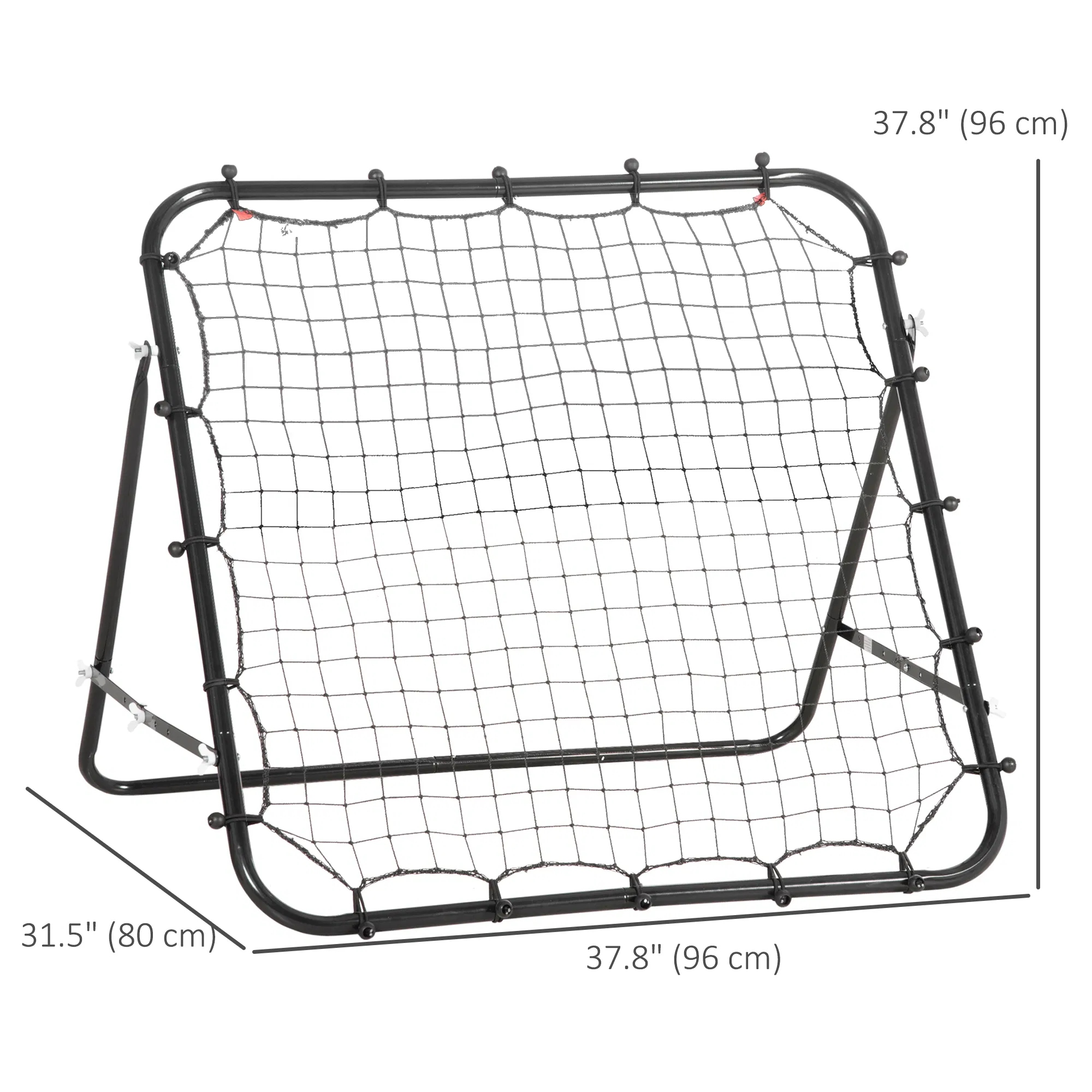
Highlights
- Frame construction separates tiers: 25-32 mm powder-coated steel tubing with welded corners survives repeated ball impact; 8-12 mm fiberglass or plastic poles are portable but fatigue and splinter.
- Netting grade determines rebound feel and lifespan: 3-5 mm UV-stabilized polyethylene or nylon knots hold tension; thin 1-2 mm monofilament nets stretch out and lose rebound within weeks.
- Adjustable rebound angle (typically 0-45 degrees via locking pins or strap tension) lets one aid serve ground-pass, volley, and header drills instead of a single fixed bounce.
- Anchor system matters outdoors: ground stakes plus sandbags or weighted base keep the frame stable on grass; indoor use needs rubber feet and a wall-safe standoff to avoid scuffing.
Best use cases
- Best fit: solo passing and first-touch drills in a backyard or small garden — pick a 1.2-1.8 m framed rebounder with adjustable angle and stake anchors.
- Best fit: team warm-up and reaction training on grass — choose a larger 2-3 m target rebounder with a reinforced bottom net and replaceable bungee netting.
- Wrong fit: high-velocity shooting practice — a light training rebounder will deflect or tip; use a weighted steel shooting target or goal with heavier netting instead.
- Wrong fit: indoor hallway or garage with fragile walls — skip staked outdoor frames and pick a freestanding low-bounce model with rubber feet and a compact footprint.
Buying tips
- Match frame tube diameter to use: 25 mm+ steel for adult power shots, 16-22 mm for youth and light training; anything under 16 mm is a warm-up toy, not a training tool.
- Check net attachment: replaceable bungee or tie-on nets extend the aid's life; heat-sealed or stapled nets mean the whole unit is disposable when the net tears.
- For outdoor use, confirm the frame includes ground stakes and a sandbag or weight sleeve; a bare frame without anchoring will tip in wind or on hard shots.
- Size the rebounder to the drill: a 1 m target suits close-range touch drills, while 2 m+ surfaces are needed for long passing and angled rebound work.
Specs
| Frame Material | Powder-coated steel vs fiberglass poles |
|---|---|
| Frame Tube Diameter | 16-32 mm steel (25 mm+ adult) |
| Net Mesh | 20-40 mm knotted PE / nylon |
| Rebound Angle | Fixed vs adjustable 0-45 degrees |
Related searches
What to check before buying
- Measure your training space: allow at least 2 m behind the rebounder for ball return and 3 m in front for the player's run-up.
- Confirm surface type: grass needs stake anchors, turf or gym floors need rubber feet, and hard ground needs a weighted base to prevent tipping.
- Check the net mesh size: smaller mesh (under 40 mm) contains footballs cleanly; larger mesh lets balls pass through on hard strikes.
- Verify assembly footprint and storage: folding frames fit small gardens, but fixed welded frames need permanent space or a wall mount.
FAQ
Data sources: eBay / Amazon listings and product attribute feeds Data updated Nov 16, 2026.
Some links on this page are affiliate links. If you buy after clicking one, we may earn a commission at no extra cost to you. This does not change which products appear here or their order. Affiliate disclosure.