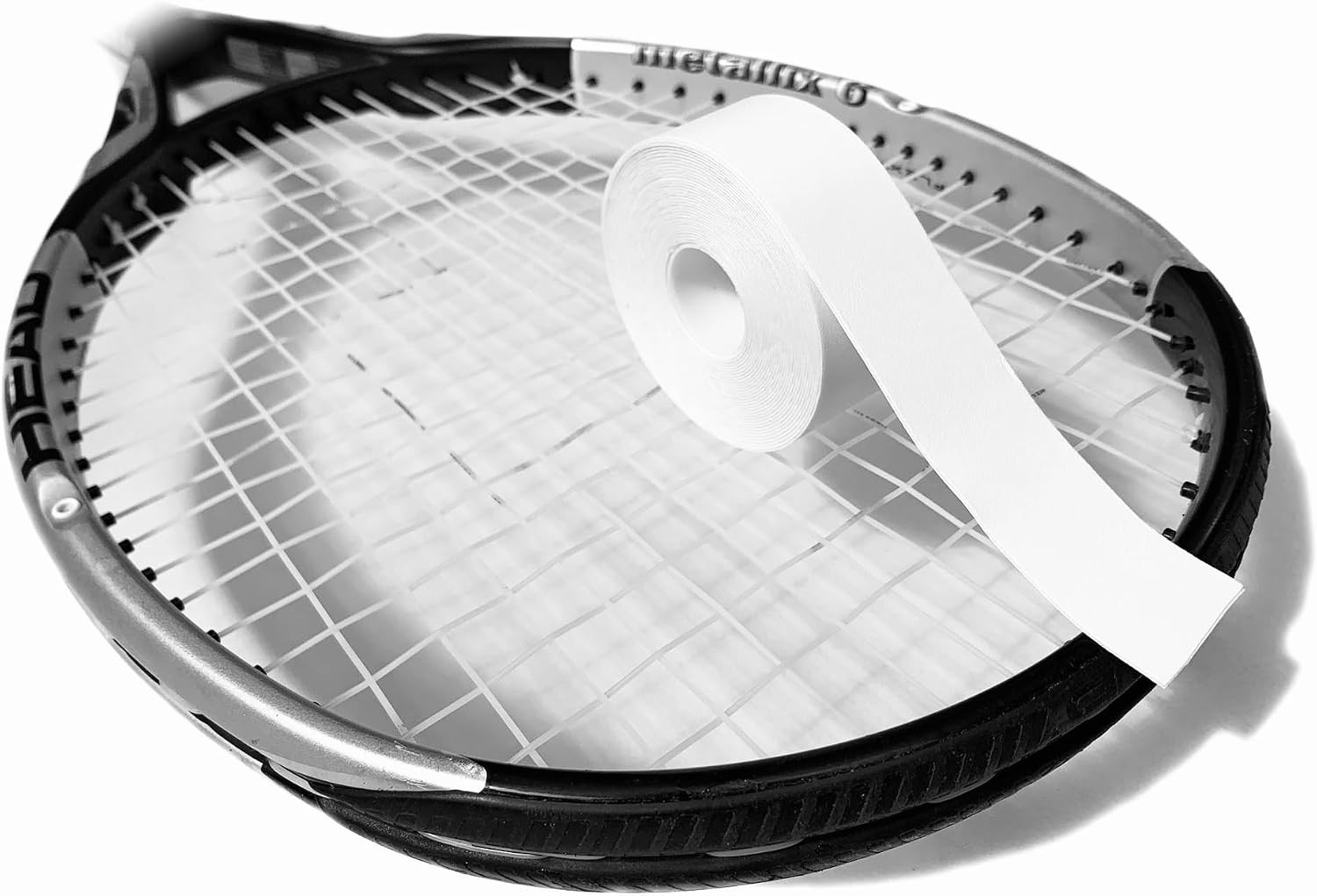

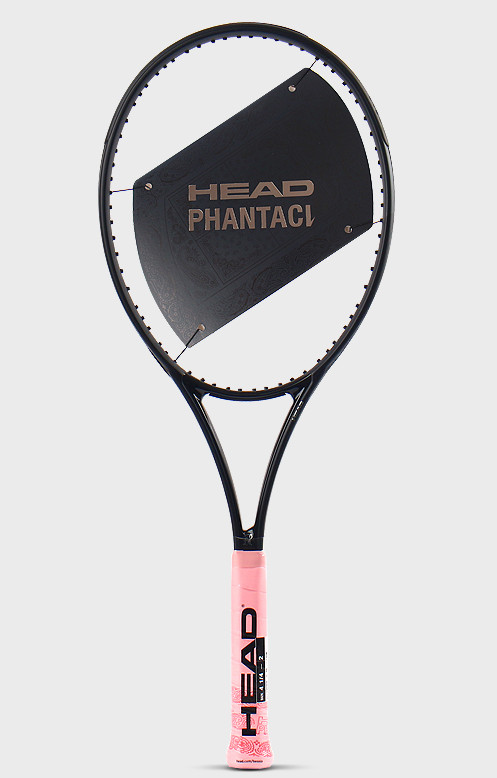
Photos from current listings. Actual item, color, and included accessories may vary.
Head Tennis Racket Buying Guide
HEAD tennis rackets span beginner pre-strung frames to player-oriented performance models, and the primary trade-off is weight versus power: lighter frames (260–285g) are easier to swing but transmit more shock, while heavier frames (300g+) offer stability and plow-through at the cost of fatigue. The clear decision rule is to match unstrung weight and head size to your swing speed and arm health, not to the paint job or pro endorsements.


At a glance
- Category
- Tennis & Racquet Sports
- Data updated
- Nov 16, 2026
Current offers
Highlights
- HEAD model tiers are defined by weight and beam: Tour/Pro frames run 300–315g unstrung with 21–23mm beams for control; Instinct/Extreme sit 280–300g; Boom/Spark are 260–275g for easy power.
- Head size drives the forgiveness window: 100 sq in is the modern all-court standard, 98 sq in favors flat hitters, and 105–115 sq in oversize frames expand the sweet spot for beginners and seniors.
- String pattern determines launch and spin: 16x19 open patterns generate easier topspin and higher launch; 18x20 dense patterns give flatter, more controlled trajectories and longer string life.
- Grip sizing follows hand measurement: 4 1/8 in (G1) to 4 5/8 in (G5), with most adults fit at G2–G3; a grip too small promotes wristy flipping, too large blocks wrist snap on serve.
Best use cases
- Beginners and casual recreation: pick a 100–110 sq in, 260–285g pre-strung HEAD frame (Spark, Boom Team) — skip 300g+ Tour/Pro models that feel sluggish and harsh.
- Intermediate club players with developed strokes: a 295–300g, 100 sq in, 16x19 frame (Speed MP, Instinct MP) balances power and control; skip oversize 115 sq in frames that spray on full swings.
- Advanced/competitive players: choose 305–315g, 98–100 sq in, 18x20 or tight 16x19 player frames (Speed Pro, Prestige) for stability against heavy balls; skip lightweight sub-280g frames that twist on off-center hits.
- Players with elbow or shoulder sensitivity: select 275–295g with a flexy beam and softer stringbed, or add a vibration-dampening grip; skip stiff 70+ RA frames and thin-beam 320g models.
Buying tips
- Weigh the frame unstrung: 260–285g suits slower swing speeds and beginners, 285–300g suits intermediate all-courters, 300–315g suits advanced players who generate their own pace.
- Match head size to contact consistency: 100 sq in is the safe all-court default; go 105+ sq in only if you mishit often, and 98 sq in only with repeatable center contact.
- Choose string pattern by stroke style: 16x19 for topspin and easier depth, 18x20 for flat hitters and string durability; 16x18 sits between for spin-friendly control.
- Confirm grip size before buying: measure hand length from crease to fingertip — under 4.5 in fits G1/G2, 4.5–4.75 in fits G3, over 4.75 in fits G4/G5.
Specs
| Frame Weight | 260–315g unstrung by tier |
|---|---|
| Head Size | 98 / 100 / 105+ sq in |
| String Pattern | 16x19 open vs 18x20 dense |
| Grip Size | G1–G5 (4 1/8–4 5/8 in) |
Related searches
What to check before buying
- Measure your hand and current racket grip: match the HEAD G-size (G1–G5) to avoid re-gripping or hand strain.
- Confirm strung vs unstrung: performance frames ship unstrung and require a string job at 48–57 lb tension before play.
- Check balance and swingweight preference: head-light frames maneuver at net, head-heavy frames add plow-through from the baseline.
- Verify grip and string compatibility: standard replacement grips fit all HEAD handles, but some pallets require brand-specific butt caps.
FAQ
Data sources: eBay / Amazon listings and product attribute feeds Data updated Nov 16, 2026.
Some links on this page are affiliate links. If you buy after clicking one, we may earn a commission at no extra cost to you. This does not change which products appear here or their order. Affiliate disclosure.