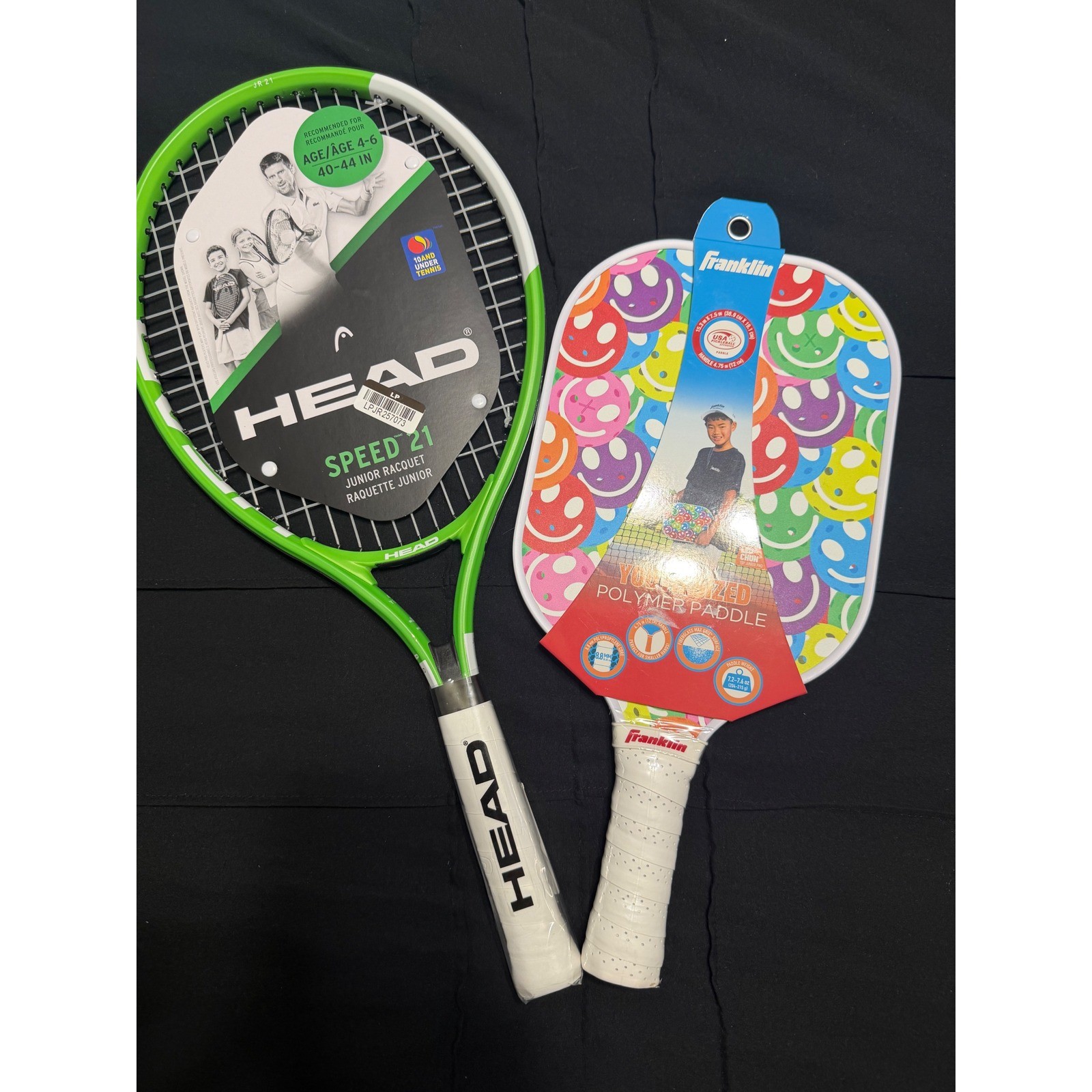

Photos from current listings. Actual item, color, and included accessories may vary.
Junior Tennis Racket Buying Guide
Junior tennis rackets are scaled-down frames sized by child height and grip circumference, and the key trade-off is aluminum versus graphite construction: aluminum is light and cheap but vibrates and bends, while graphite/composite frames mirror adult playability and hold string tension. The decision rule is simple—match racket length to the child's height, not age, and choose graphite or a graphite-aluminum blend for any child playing weekly or transitioning to match play.


At a glance
- Category
- Tennis & Racquet Sports
- Data updated
- Nov 17, 2026
Current offers
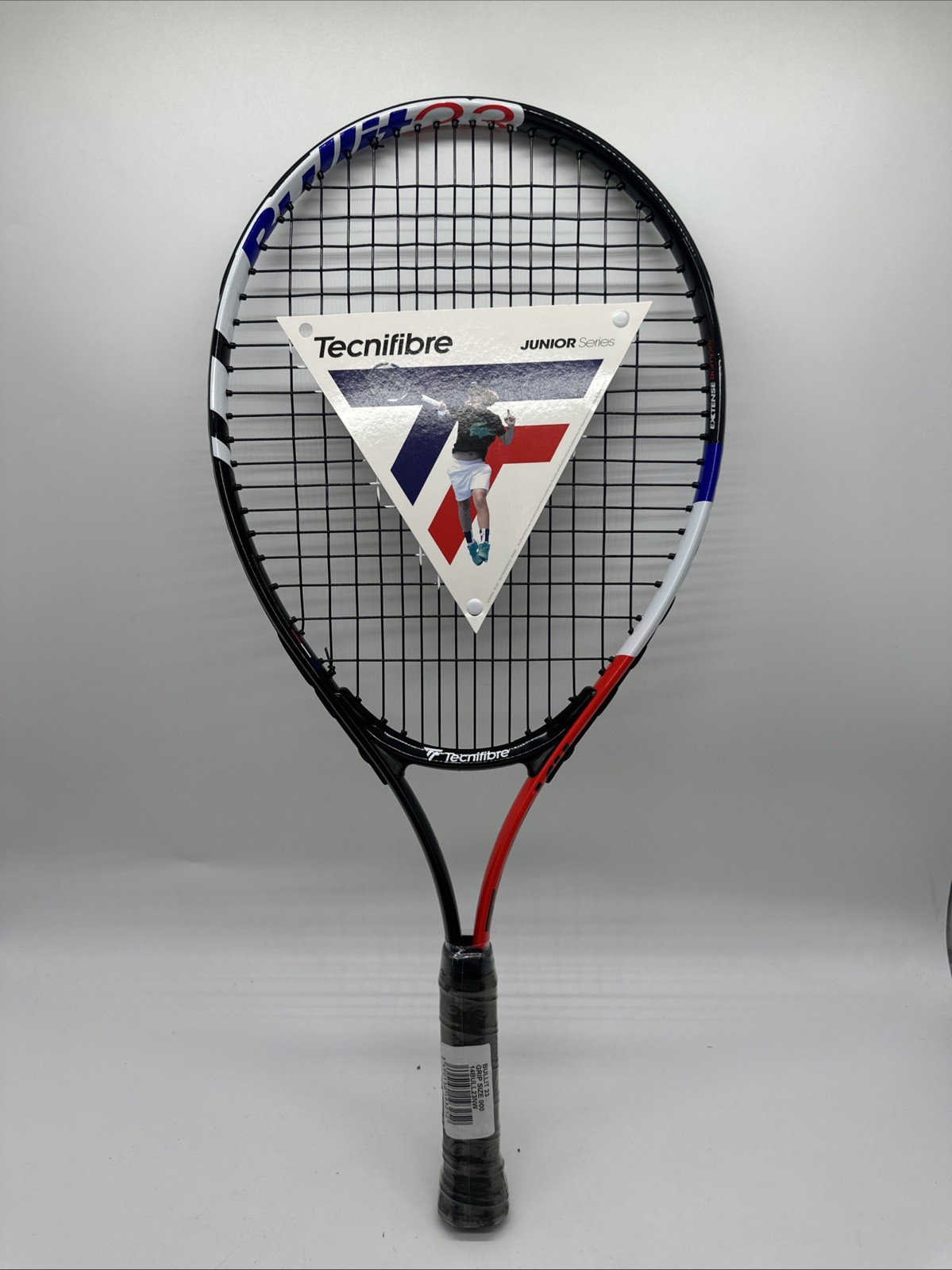
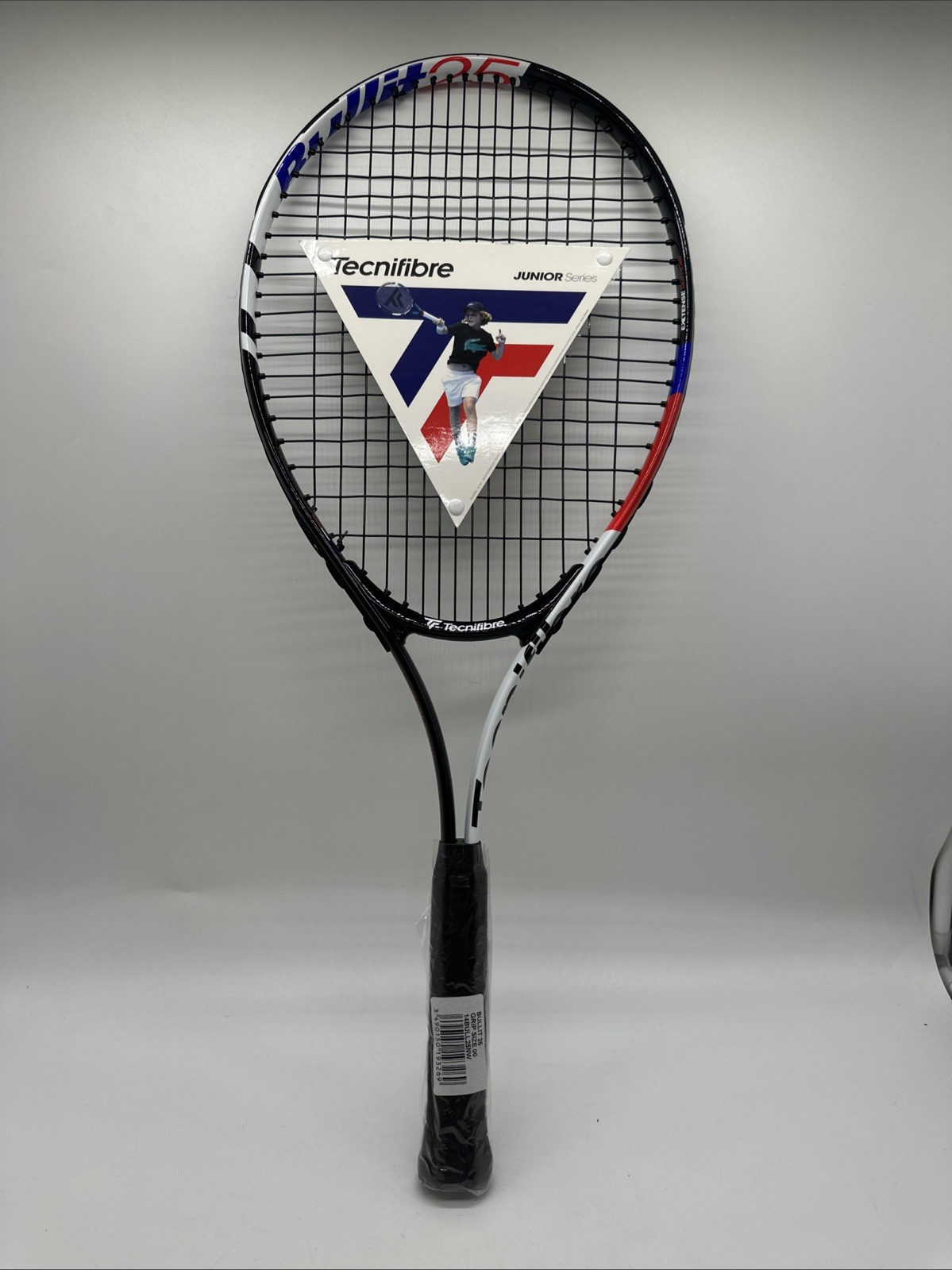
Highlights
- Length tiers follow height: 19" for 35–39" tall, 21" for 40–44", 23" for 45–49", 25" for 50–55", and 26" for 56–60" — grip size grows with length.
- Frame material separates tiers: aluminum is durable and budget-friendly but harsh; graphite or graphite-composite frames damp vibration and hold string tension for real stroke development.
- Head sizes in junior frames run roughly 85–105 sq in, with larger heads on shorter rackets for forgiveness and smaller heads on 25–26" frames for control.
- Pre-strung junior rackets ship with basic synthetic gut at mid tension; quality frames accept restringing, while aluminum models often use shared string holes that limit tension range.
Best use cases
- Best fit: a 5–7 year old (40–44" tall) starting weekly lessons — pick a 21" graphite-composite frame with a 95–100 sq in head and 3 1/2–3 5/8 grip.
- Best fit: a 9–11 year old (50–55" tall) in match play — choose a 25" graphite frame with a 100 sq in head and 3 7/8–4 grip, skipping aluminum entirely.
- Wrong fit: buying a 26" frame for a child under 55" tall or an adult frame for a junior — oversize length strains the arm and delays swing mechanics.
- Wrong fit: choosing a 19" aluminum frame for a tall 8-year-old — the short length forces a cramped swing; move up to 23–25" graphite instead.
Buying tips
- Measure the child's height in shoes and add 1–2" for growth room; if between tiers, choose the shorter length for swing control rather than the longer one.
- Grip size should leave a finger-width gap between fingertips and palm when gripping — junior grips run 3 1/2 to 4 1/8, matching length tiers.
- Prioritize graphite or graphite-composite over aluminum once the child plays twice weekly or competes; aluminum is fine only for first-timers under age 7.
- Check that the frame is pre-strung and includes a cover for entry tiers, and confirm the string pattern is standard (16x19 or 16x18) so it can be restrung locally.
Specs
| Length Tiers | 19 / 21 / 23 / 25 / 26 in |
|---|---|
| Frame Material | Graphite vs aluminum vs composite |
| Grip Size Range | 3 1/2 – 4 1/8 in |
| Head Size Range | 85 – 105 sq in |
Related searches
What to check before buying
- Measure child height in shoes and record it; compare against the 19/21/23/25/26-inch length chart before selecting a tier.
- Verify grip circumference (3 1/2–4 1/8) fits the child's hand with a finger-width gap, since grip is fixed on most junior frames.
- Confirm frame material on the throat or product page: graphite/composite for developing players, aluminum only for entry-level first frames.
- Check that replacement grips and standard synthetic gut strings are available locally, because junior frames use smaller grips and shorter string beds.
FAQ
Data sources: eBay / Amazon listings and product attribute feeds Data updated Nov 17, 2026.
Some links on this page are affiliate links. If you buy after clicking one, we may earn a commission at no extra cost to you. This does not change which products appear here or their order. Affiliate disclosure.