Photos from current listings. Actual item, color, and included accessories may vary.
Ping Pong Bat Buying Guide
A ping pong bat is the primary striking tool in table tennis, and its performance hinges on blade construction, rubber tackiness, and handle ergonomics rather than marketing claims. The core trade-off is between pre-assembled recreational bats with dead, low-spin rubber and custom or club-grade bats with porous sponge and carbon or all-wood blades. Buy a bat rated for spin and speed by ITTF rubber standards if you play weekly; skip glossy pre-made bats with hard, non-tacky rubber if you intend to learn proper topspin technique.


At a glance
- Category
- Tennis & Racquet Sports
- Data updated
- Nov 18, 2026
Current offers
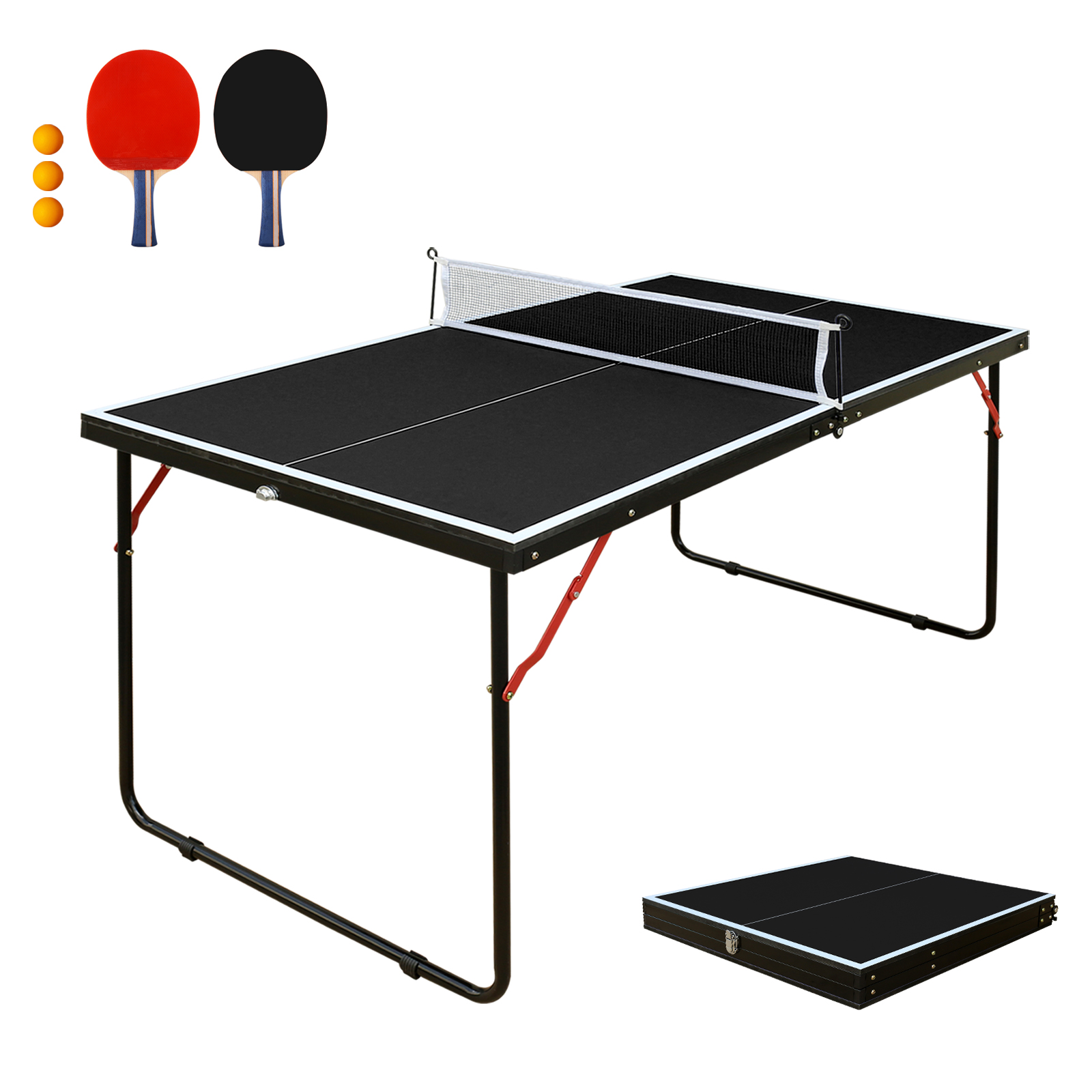 4.5ft Black Table Tennis Foldable & Portable Ping Pong Set With Net And 2 Paddles For Indoor Outdoor Game$82.99
 View on Mallflare
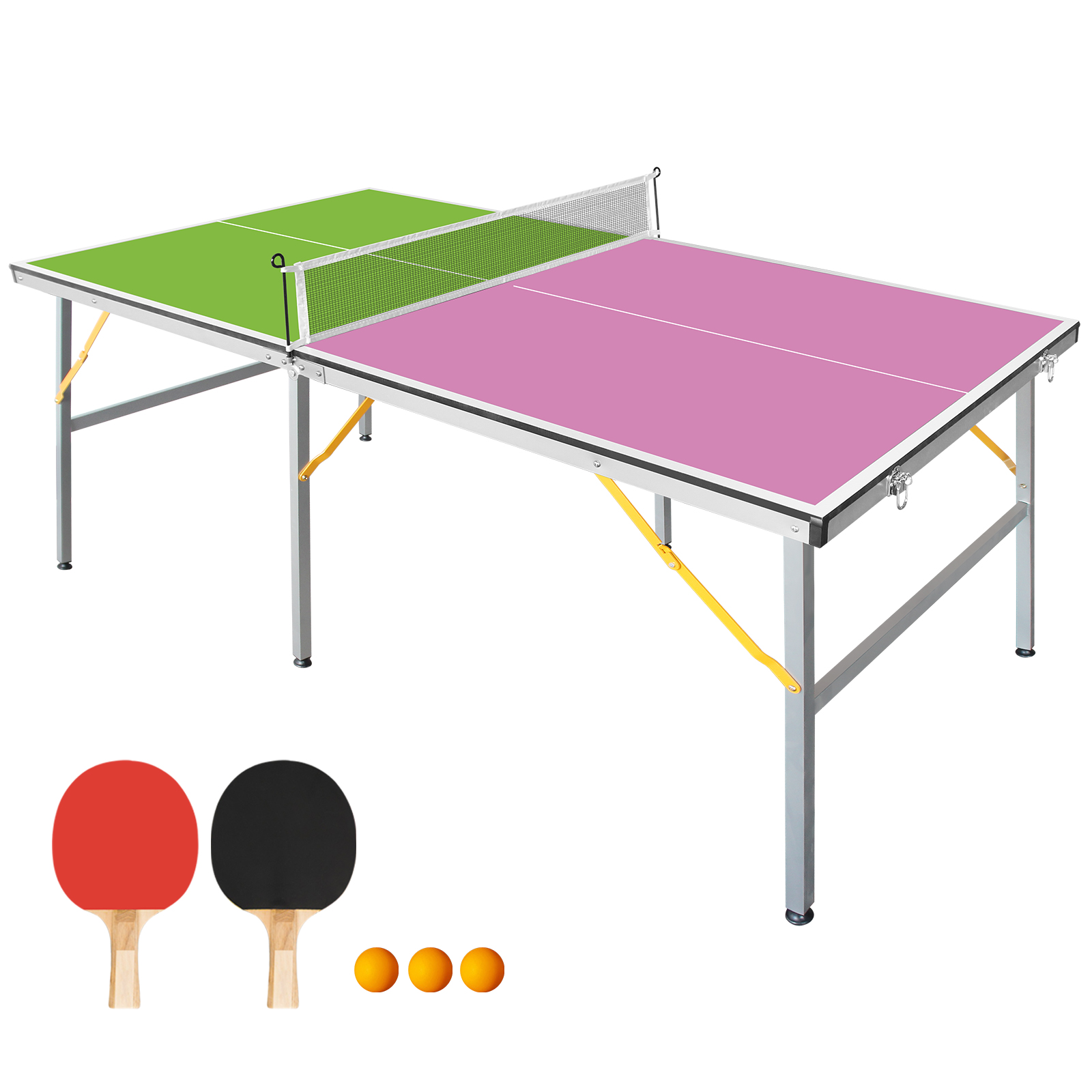 6FT Foldable & Portable Table Tennis – Mid-Size Ping Pong Set for Indoor Play, Includes Net, 2 Paddle, and 3 Balls with Green and Purple Tabletop$103.99View on Mallflare
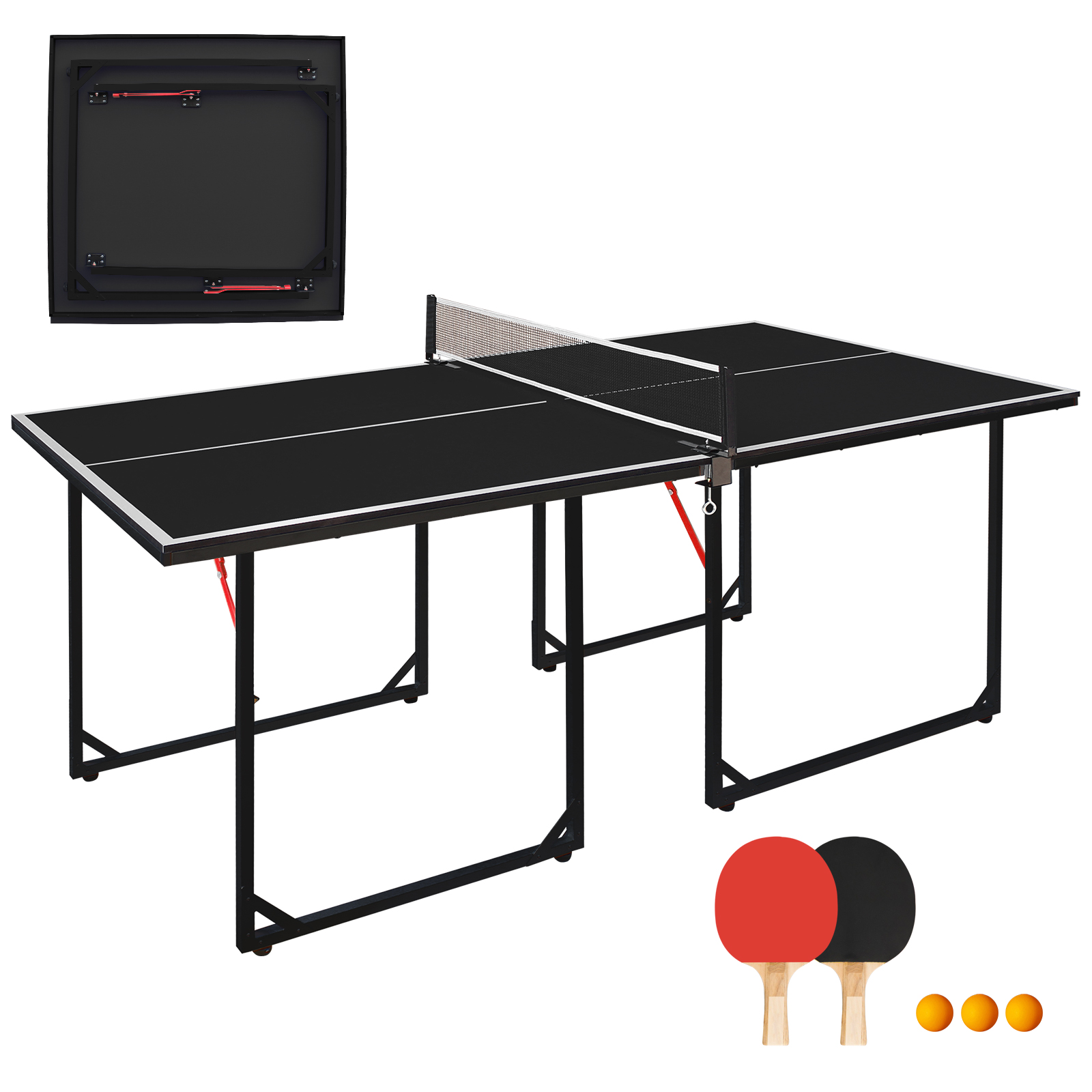 6ft Mid-Size Table Tennis Foldable & Portable Ping Pong Set for Indoor & Outdoor Games with Net, 2 Paddles and 3 Balls (Black Tabletop)$132.99View on Mallflare
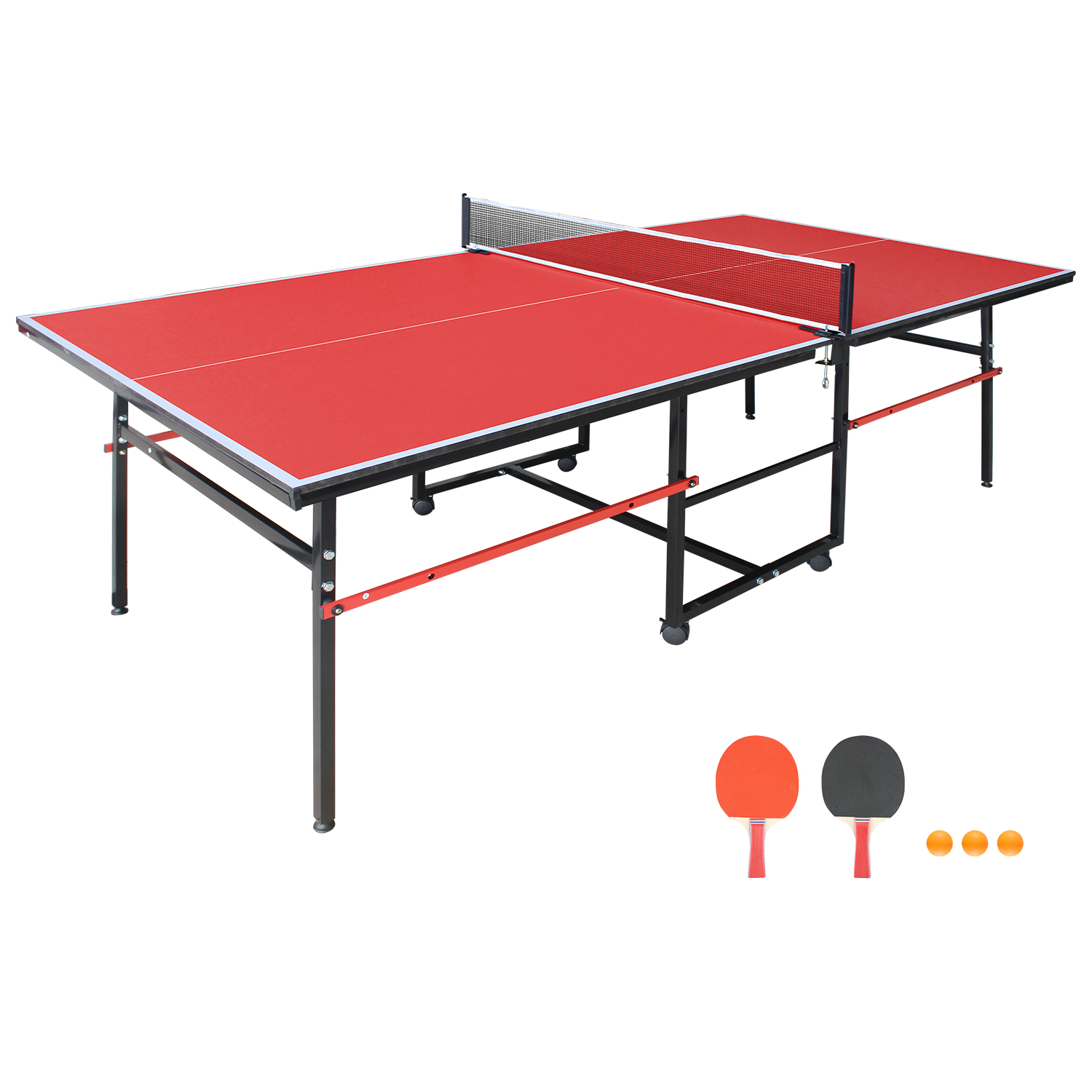 8ft Red Mid-Size Table Tennis Foldable & Portable Ping Pong Set For Indoor Games With Net, 2 Paddles And 3 Balls$198.99View on Mallflare
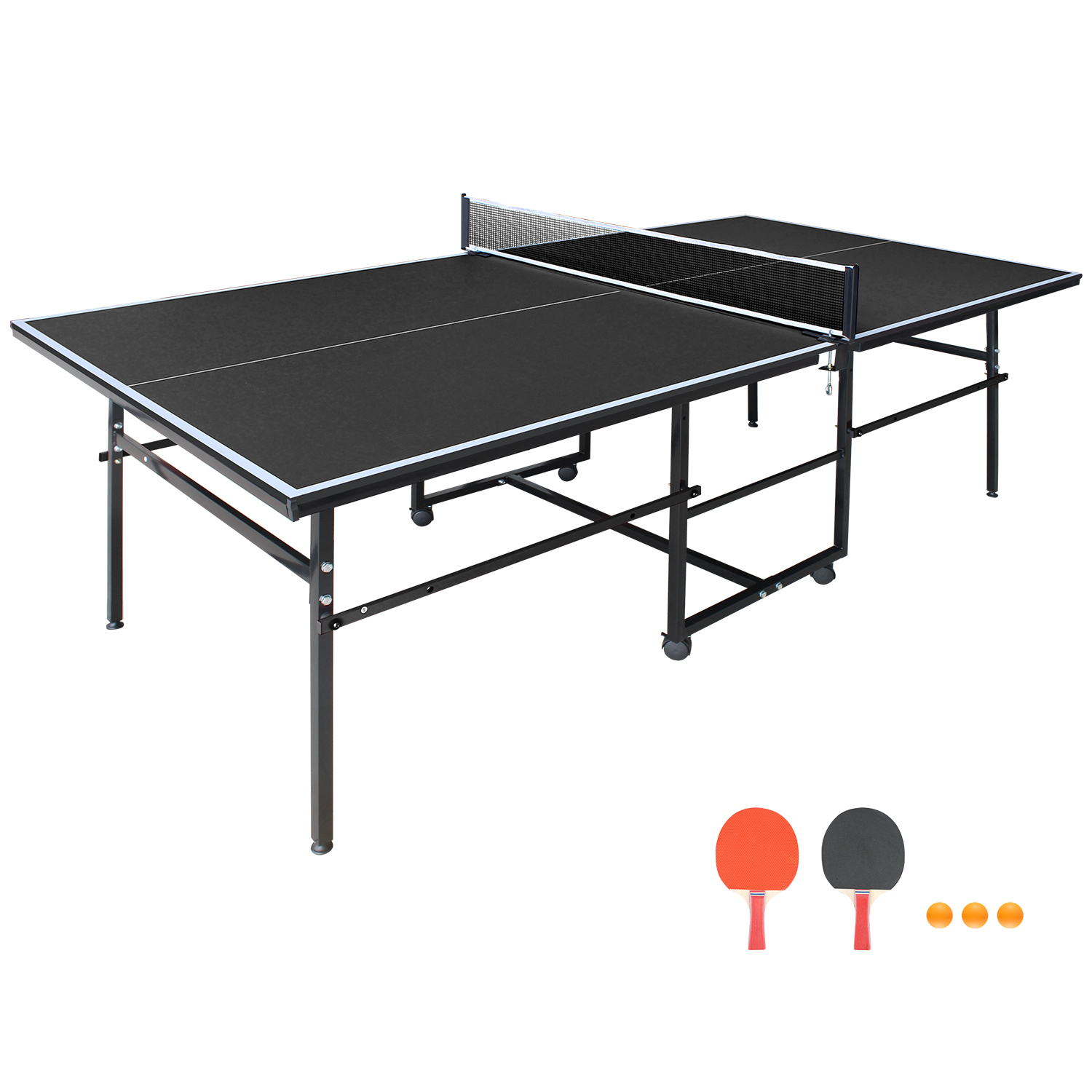 8.5x4. 3ft Black Mid-Size Table Tennis Foldable & Portable Ping Pong Set For Indoor Games With Net, 2 Paddles And 3 Balls$215.99View on Mallflare
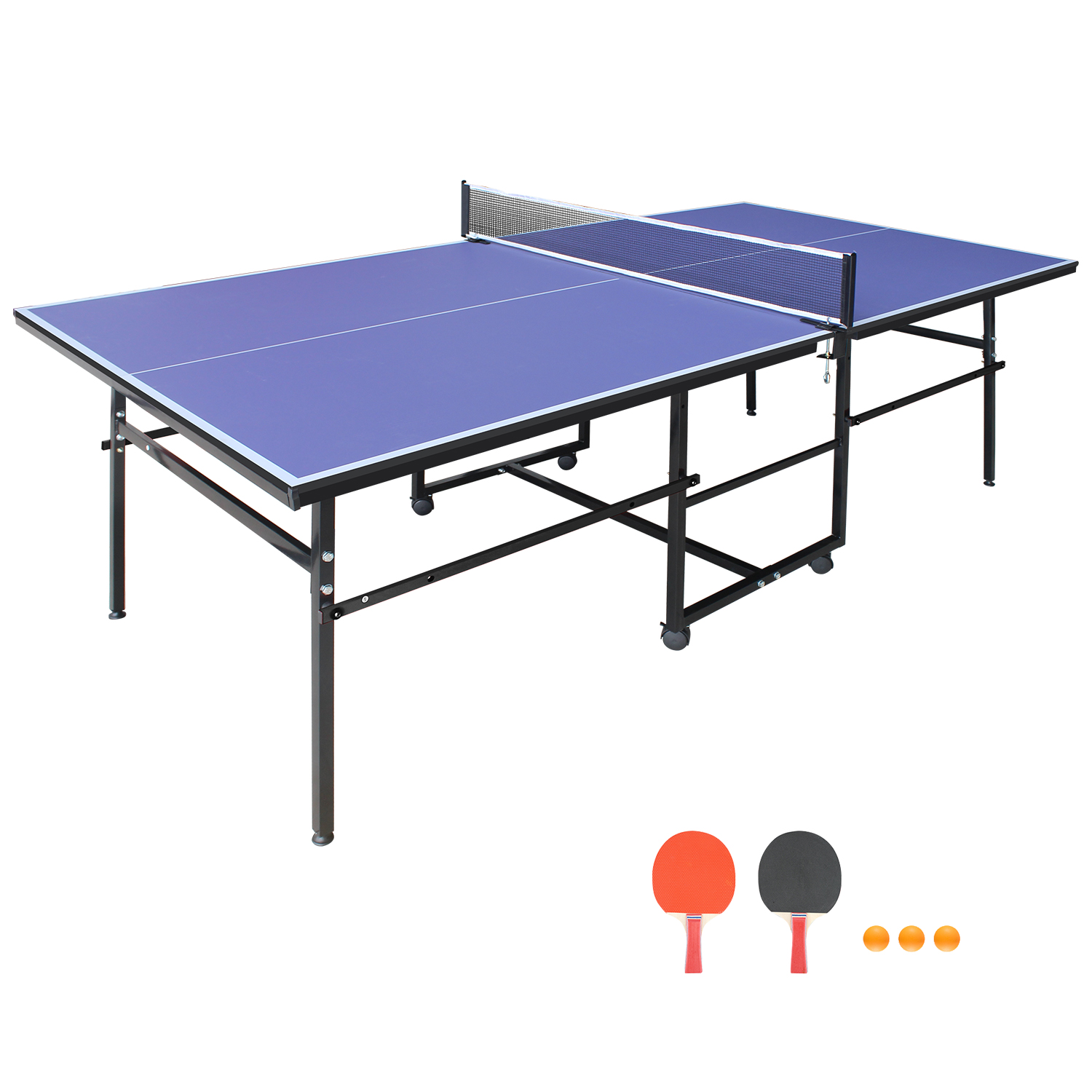 8.5x4. 3ft Blue Mid-Size Table Tennis Foldable & Portable Ping Pong Set For Indoor Games With Net, 2 Paddles And 3 Balls$215.99View on Mallflare
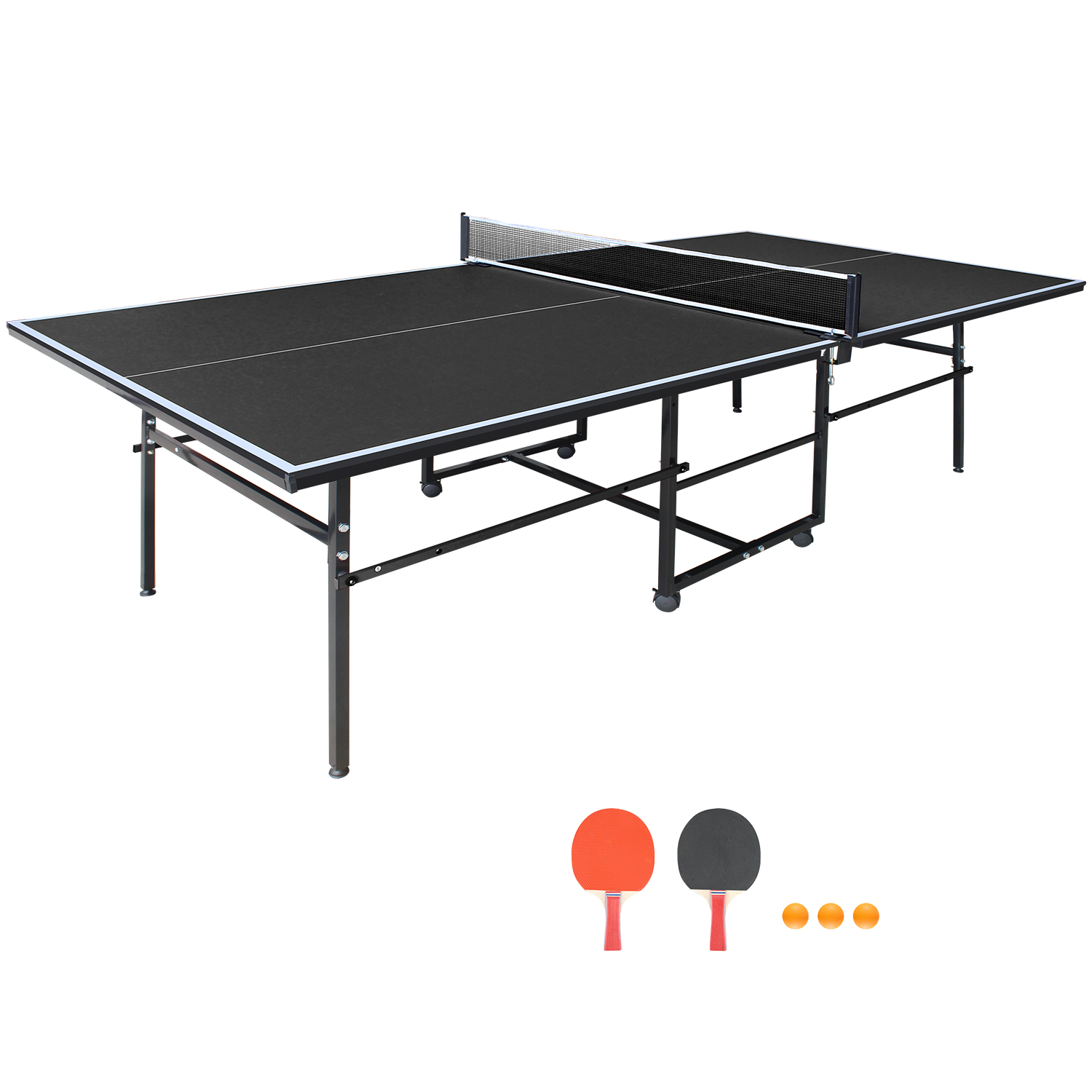 9x4.1ft Black Mid-Size Table Tennis Foldable & Portable Ping Pong Set For Indoor Games With Net, 2 Paddles And 3 Balls$216.99View on Mallflare
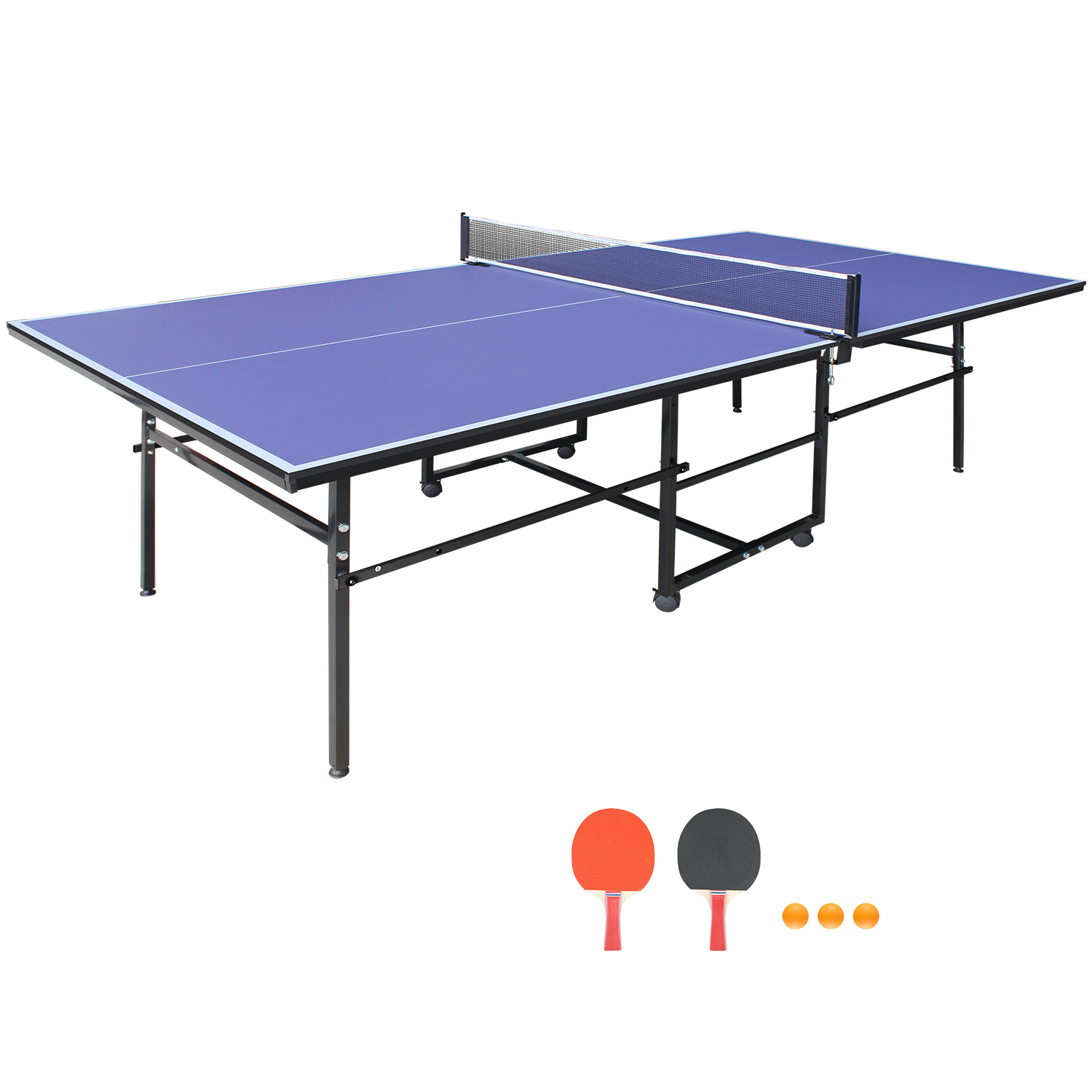 9x4.1ft Blue Mid-Size Table Tennis Foldable & Portable Ping Pong Set For Indoor Games With Net, 2 Paddles And 3 Balls$216.99View on Mallflare
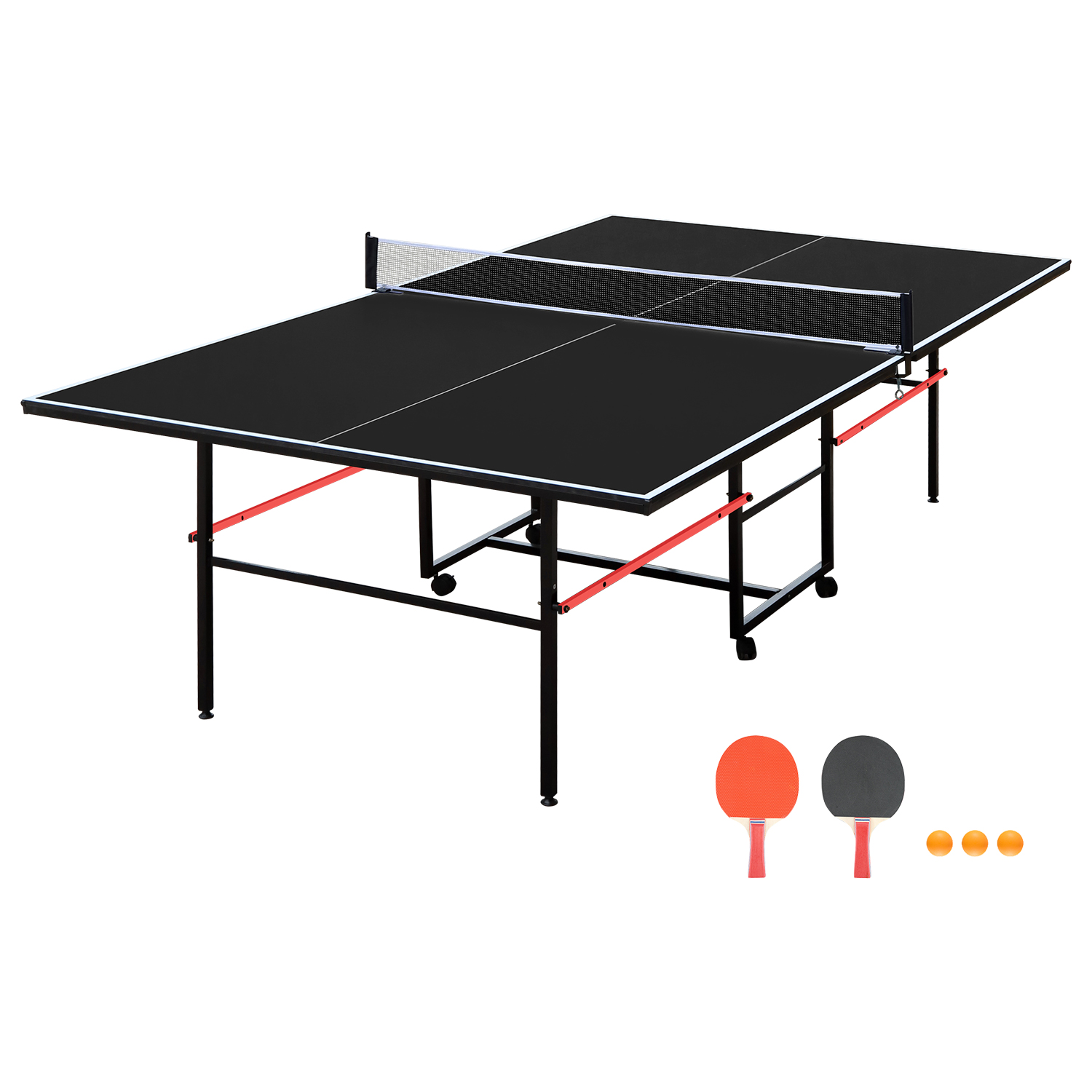 9ft Mid-Size Table Tennis Foldable & Portable Ping Pong Set For Indoor Games With Net, 2 Paddles And 3 Balls$231.99View on Mallflare
Highlights
- ITTF-approved rubber must be non-reflective, uniformly colored, and marked with the ITTF logo; unmarked rubber is illegal for tournament play and often indicates low-grade sponge.
- Blade composition drives feel: 5-ply all-wood offers control for beginners, 7-ply wood adds stiffness for hitters, and carbon or arylate layers boost speed for advanced loopers.
- Sponge thickness governs spin and speed: 1.5-1.8 mm suits defensive choppers, 1.9-2.1 mm is the all-round standard, and 2.2+ mm max-thickness rubber is for offensive loopers.
- Handle shape matters for grip: flared handles taper for forehand loops, straight handles suit blockers, and anatomical handles fill the palm for players with larger hands.
Best use cases
- Best for club and league play: pick a custom bat with ITTF-marked tacky rubber (2.0-2.1 mm sponge) and a 5-ply wood or inner-carbon blade; skip glossy pre-made bats with 1.5 mm non-tacky rubber.
- Best for family recreation and garage tables: choose a pre-assembled bat with 1.8-2.0 mm sponge and a flared handle for comfort; skip tournament-grade custom bats that cost more and demand technique.
- Best for defensive chopping and close-to-table blocking: select a slower all-wood blade with 1.5-1.8 mm sponge and tacky rubber for control; skip max-thickness offensive rubber that launches pushes long.
- Wrong fit: buying a carbon offensive bat as a first bat; the extra speed amplifies poor technique and makes serves and pushes hard to control.
Buying tips
- Match sponge thickness to style: 1.5-1.8 mm for control and defense, 1.9-2.1 mm for all-round offense, and max 2.2+ mm only if you have consistent loop mechanics.
- Choose blade weight under 90 g for rapid over-table transitions; blades over 95 g suit power loopers but fatigue the wrist during long sessions.
- For pre-made bats, grip the handle and check balance: a head-heavy bat strains the wrist, while a handle-balanced bat improves serve and flip control.
- Replace worn rubber when the topsheet loses tack and the sponge hardens; performance drops sharply after 6-12 months of weekly play.
Specs
| Rubber Type | Tacky inverted vs non-tacky pre-made |
|---|---|
| Sponge Thickness | 1.5-1.8 mm control / 1.9-2.1 mm all-round |
| Blade Construction | 5-ply wood / 7-ply / carbon composite |
| Handle Shape | Flared / straight / anatomical / penhold |
Related searches
What to check before buying
- Measure your hand span from thumb to pinky; spans over 20 cm favor flared or anatomical handles, while smaller hands suit straight or penhold grips.
- Confirm your table size: mid-size tables (4.5-9 ft) pair with recreational bats, while full 9x5 ft regulation tables justify club-grade custom bats.
- Check rubber legality for league play: the topsheet must carry the ITTF logo and be black on one side and a non-reflective color on the other.
- Verify the bat comes with a protective case and cleaning sponge; tacky rubber degrades quickly when stored unprotected in a bag.
FAQ
Data sources: eBay / Amazon listings and product attribute feeds Data updated Nov 18, 2026.
Some links on this page are affiliate links. If you buy after clicking one, we may earn a commission at no extra cost to you. This does not change which products appear here or their order. Affiliate disclosure.