Photos from current listings. Actual item, color, and included accessories may vary.
Ping Pong Racket Buying Guide
Ping pong rackets span a huge quality gap: cheap 5-ply poplar paddles with slick rubber that deaden spin, versus ITTF-approved tournament blades with pimpled or inverted rubbers that reward technique. The decisive split is rubber grade and blade construction—not brand hype. Buy a laminated 5-7 ply wood blade with 1.5-2.0mm sponge rubber for real play; skip hollow plastic toy paddles entirely.


At a glance
- Category
- Tennis & Racquet Sports
- Data updated
- Nov 18, 2026
Current offers
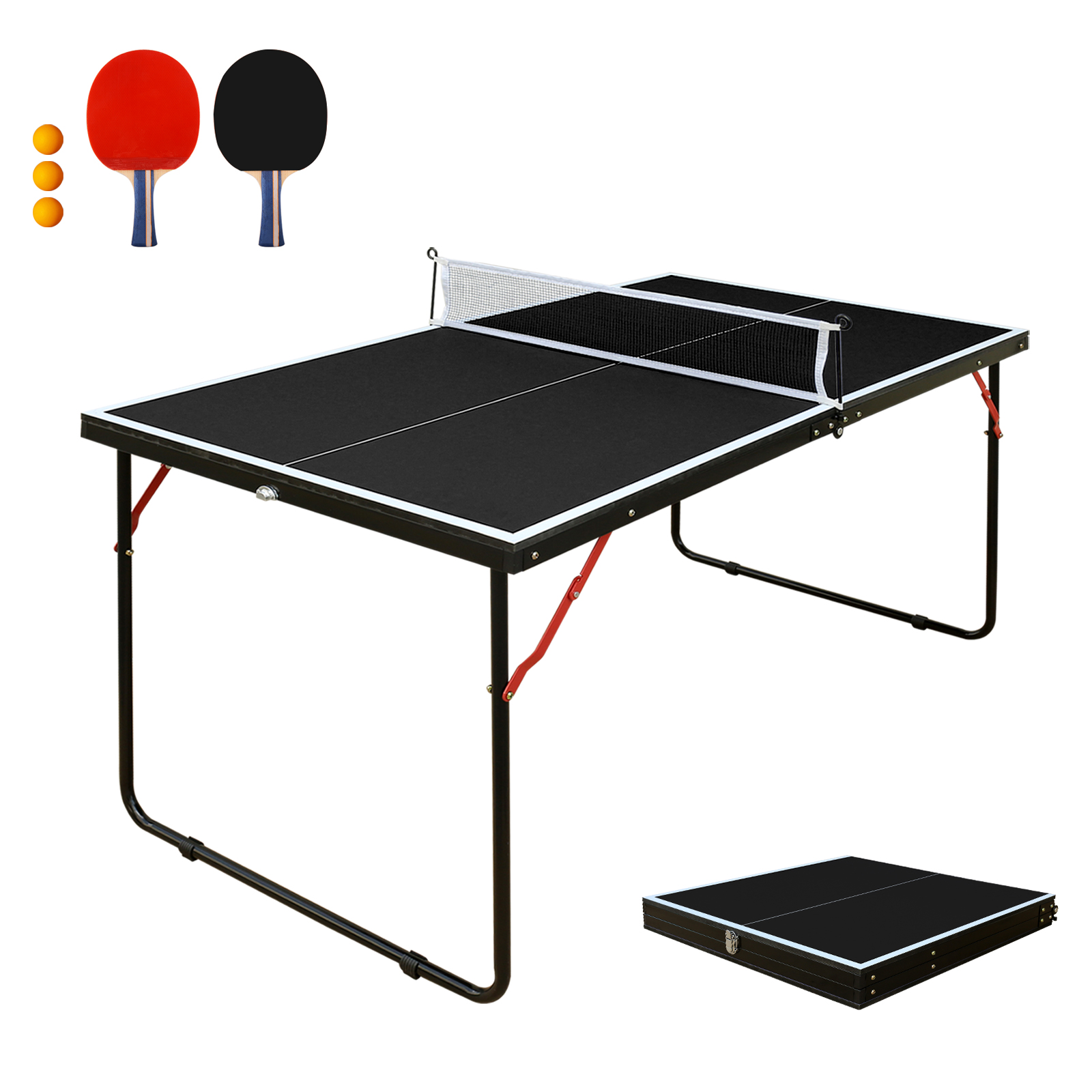 4.5ft Black Table Tennis Foldable & Portable Ping Pong Set With Net And 2 Paddles For Indoor Outdoor Game$82.99
 View on Mallflare
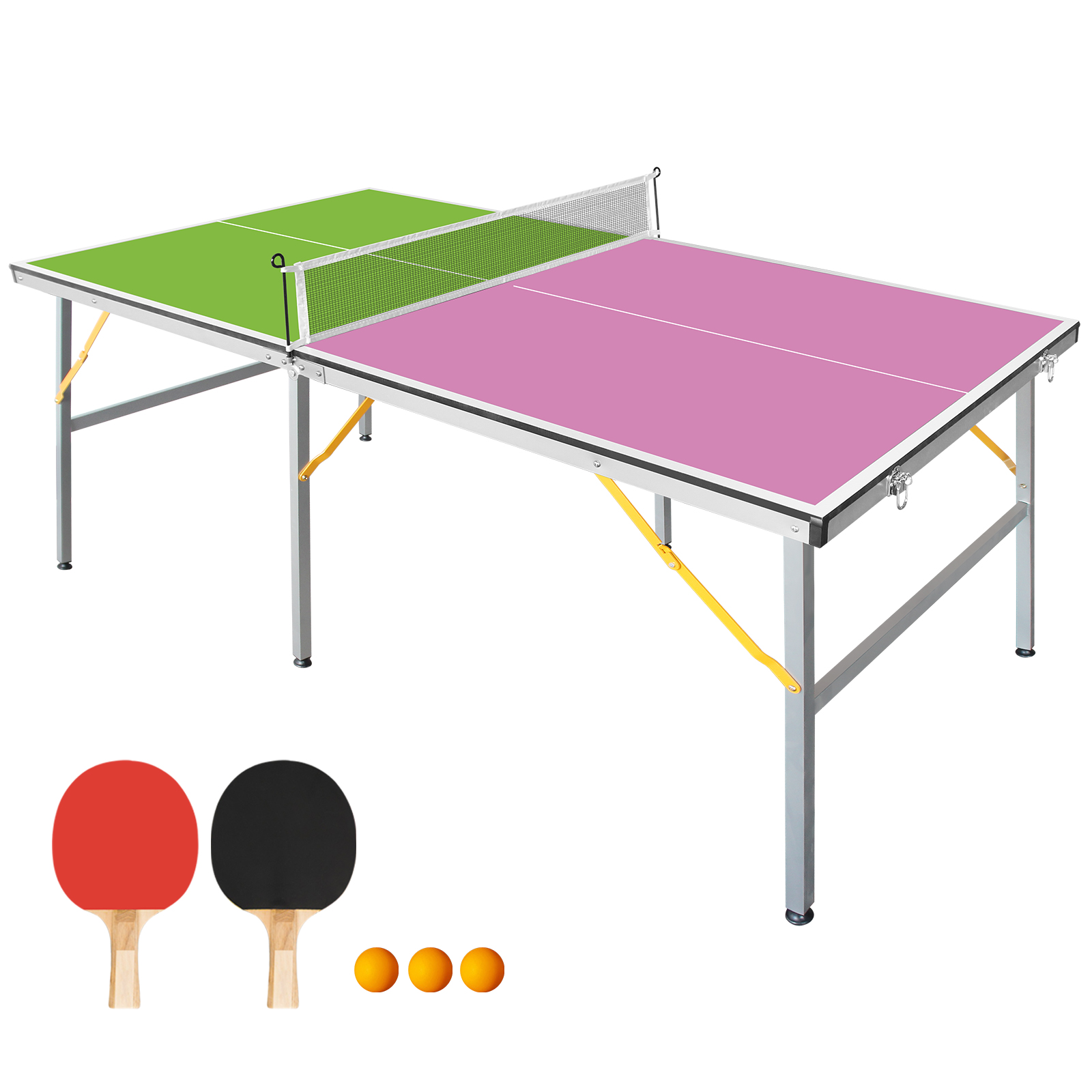 6FT Foldable & Portable Table Tennis – Mid-Size Ping Pong Set for Indoor Play, Includes Net, 2 Paddle, and 3 Balls with Green and Purple Tabletop$103.99View on Mallflare
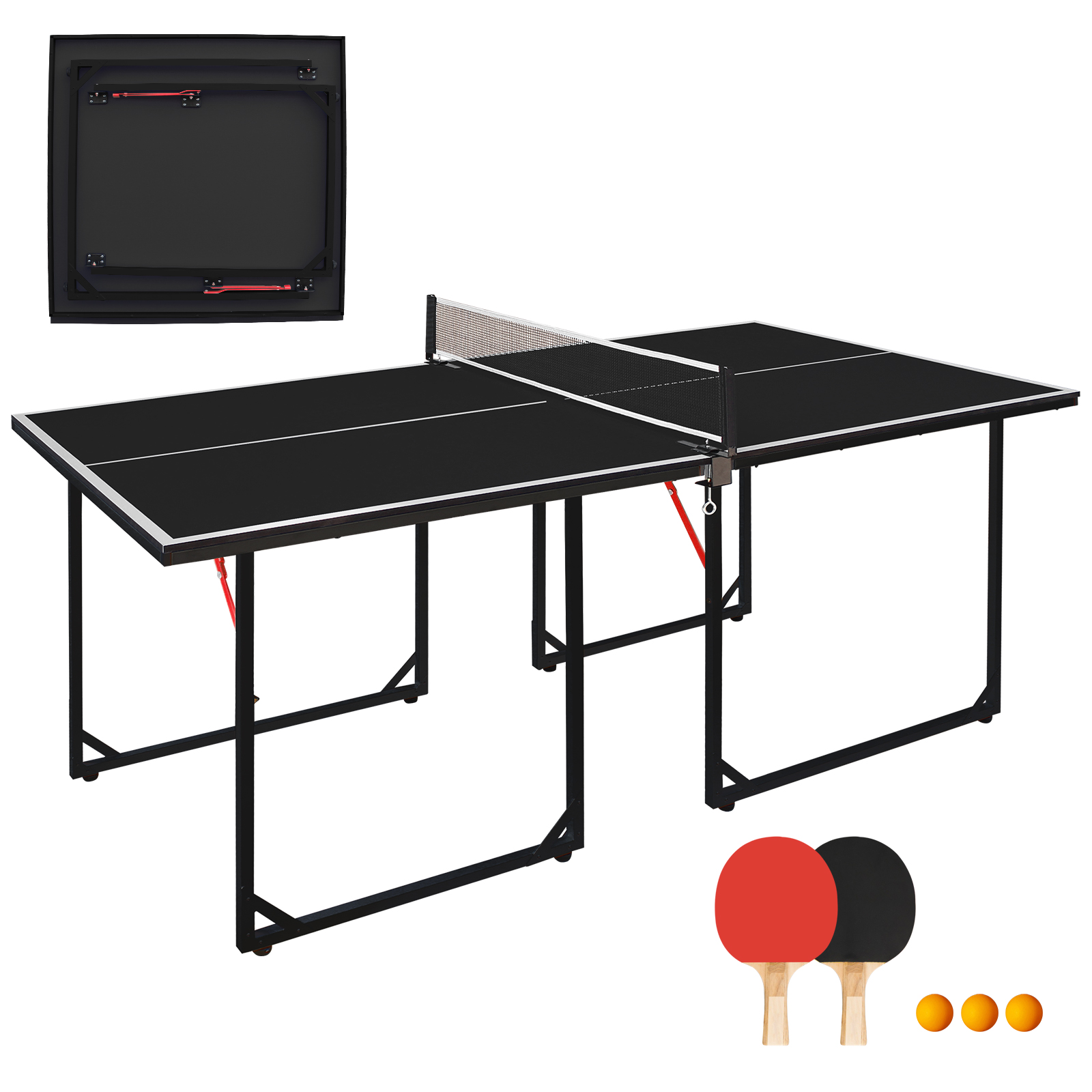 6ft Mid-Size Table Tennis Foldable & Portable Ping Pong Set for Indoor & Outdoor Games with Net, 2 Paddles and 3 Balls (Black Tabletop)$132.99View on Mallflare
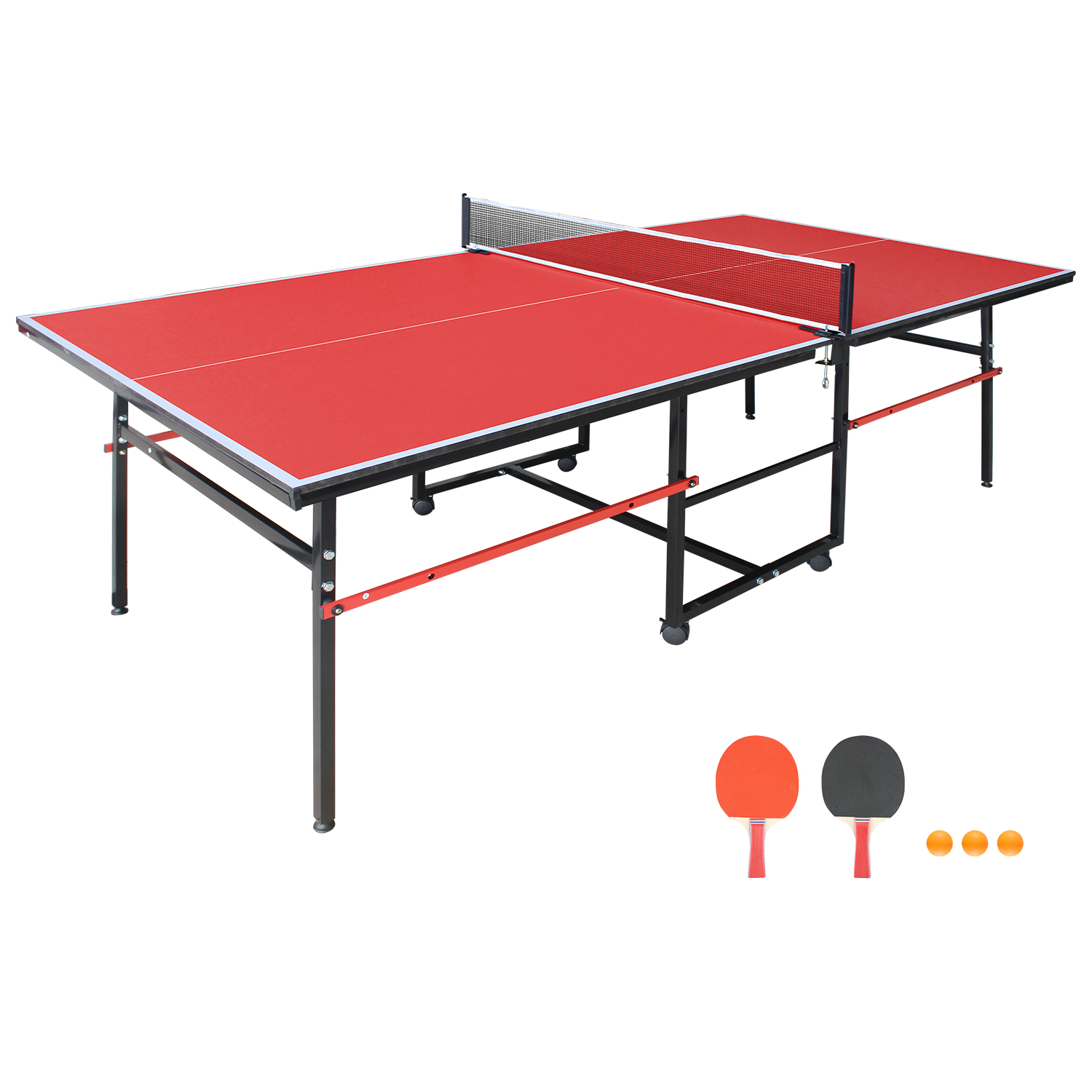 8ft Red Mid-Size Table Tennis Foldable & Portable Ping Pong Set For Indoor Games With Net, 2 Paddles And 3 Balls$198.99View on Mallflare
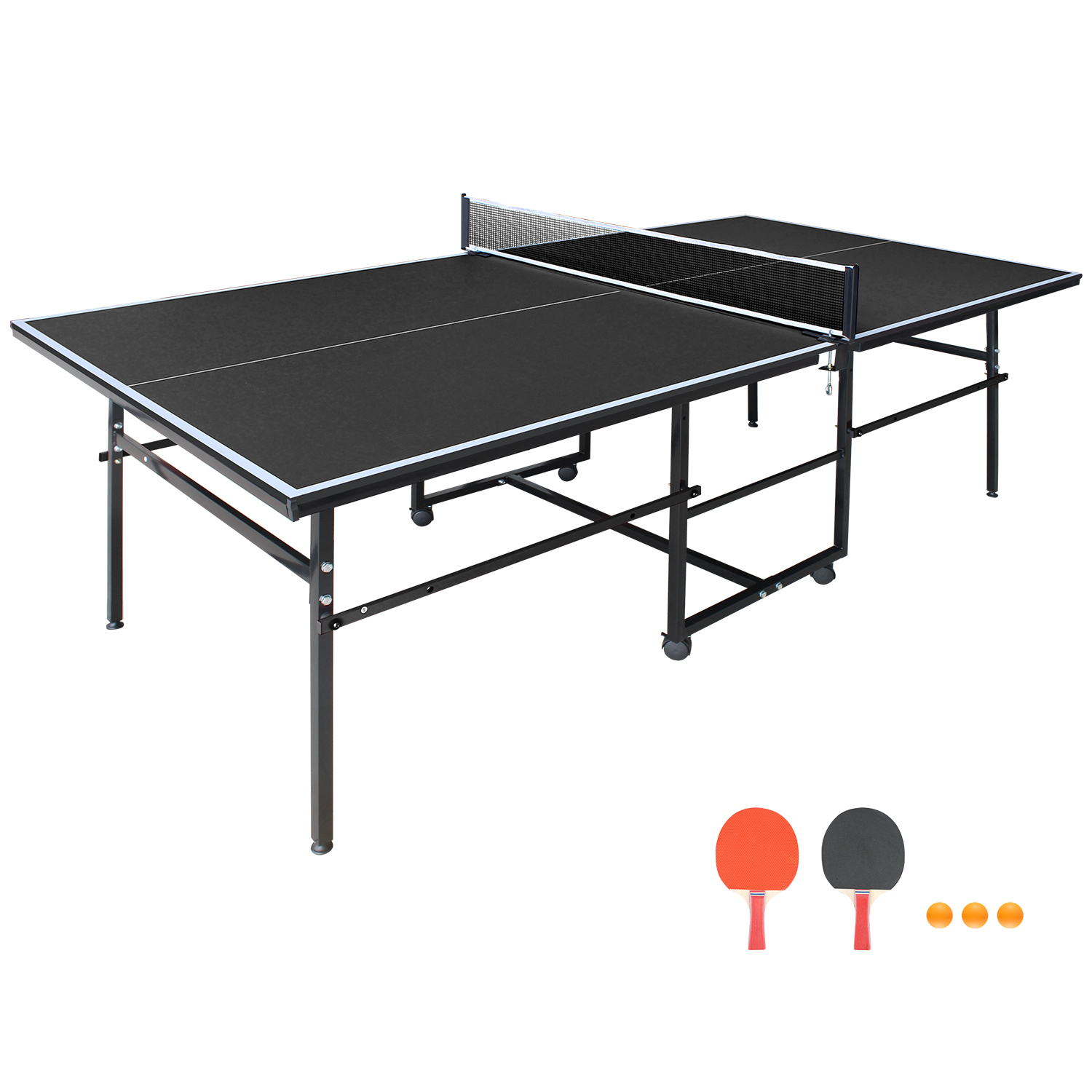 8.5x4. 3ft Black Mid-Size Table Tennis Foldable & Portable Ping Pong Set For Indoor Games With Net, 2 Paddles And 3 Balls$215.99View on Mallflare
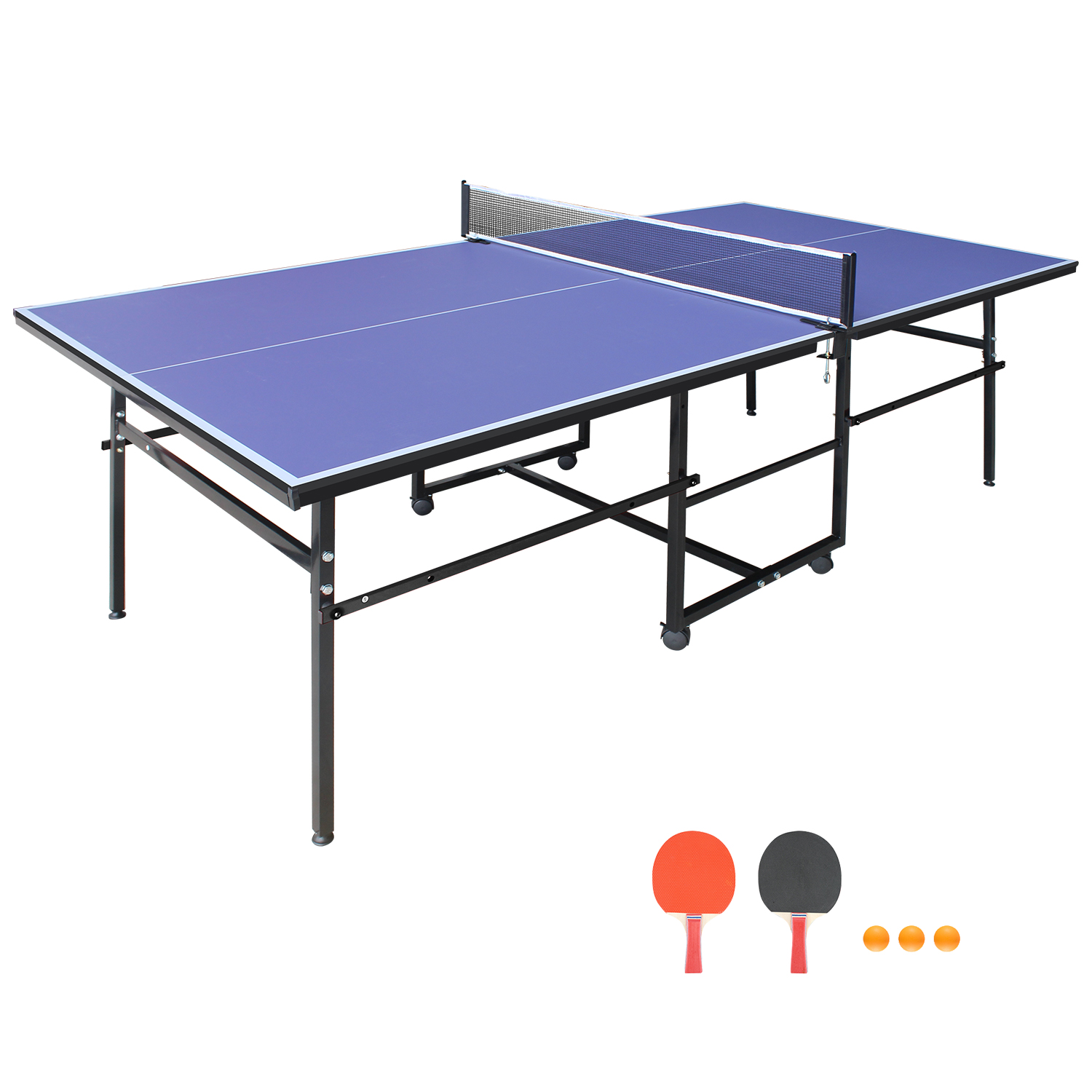 8.5x4. 3ft Blue Mid-Size Table Tennis Foldable & Portable Ping Pong Set For Indoor Games With Net, 2 Paddles And 3 Balls$215.99View on Mallflare
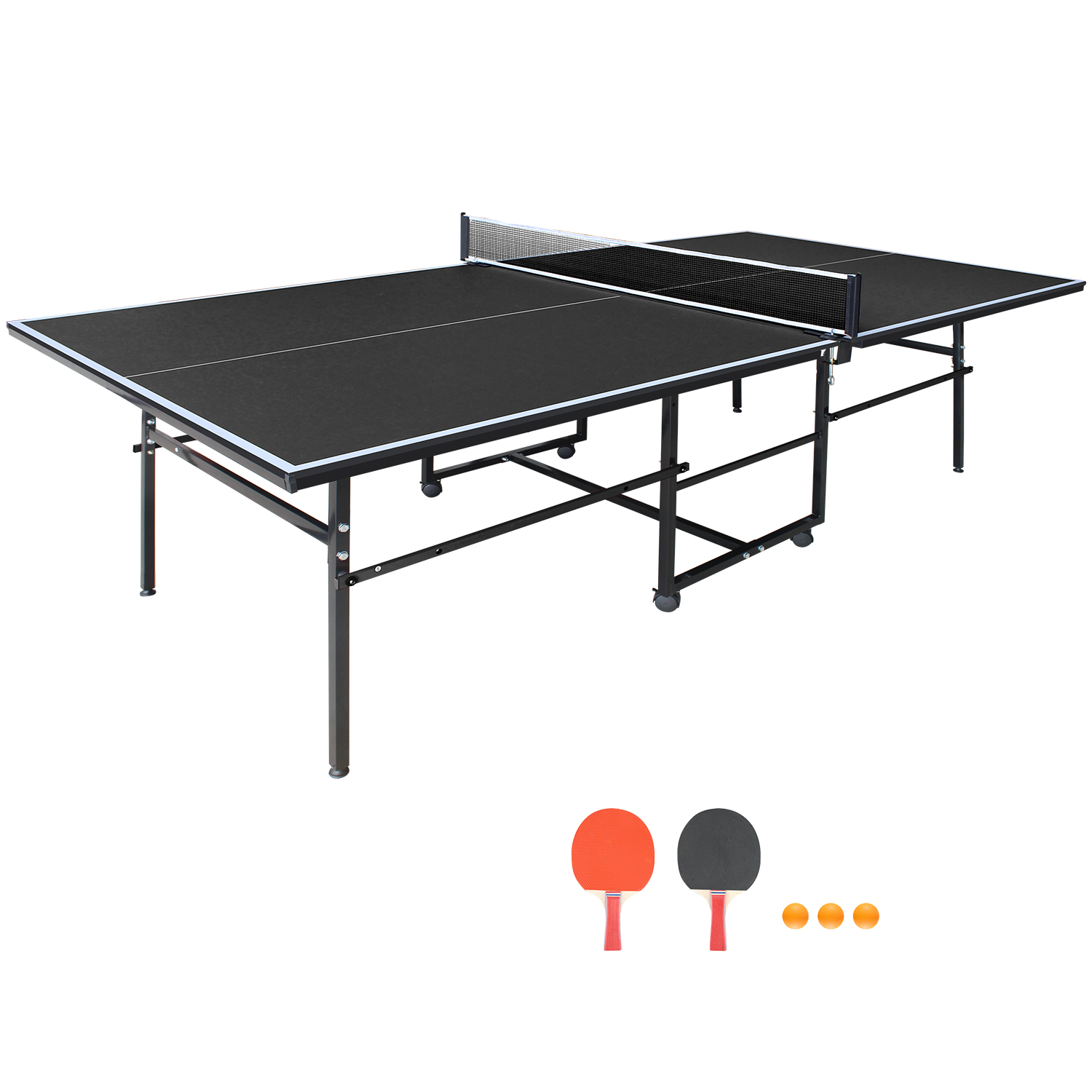 9x4.1ft Black Mid-Size Table Tennis Foldable & Portable Ping Pong Set For Indoor Games With Net, 2 Paddles And 3 Balls$216.99View on Mallflare
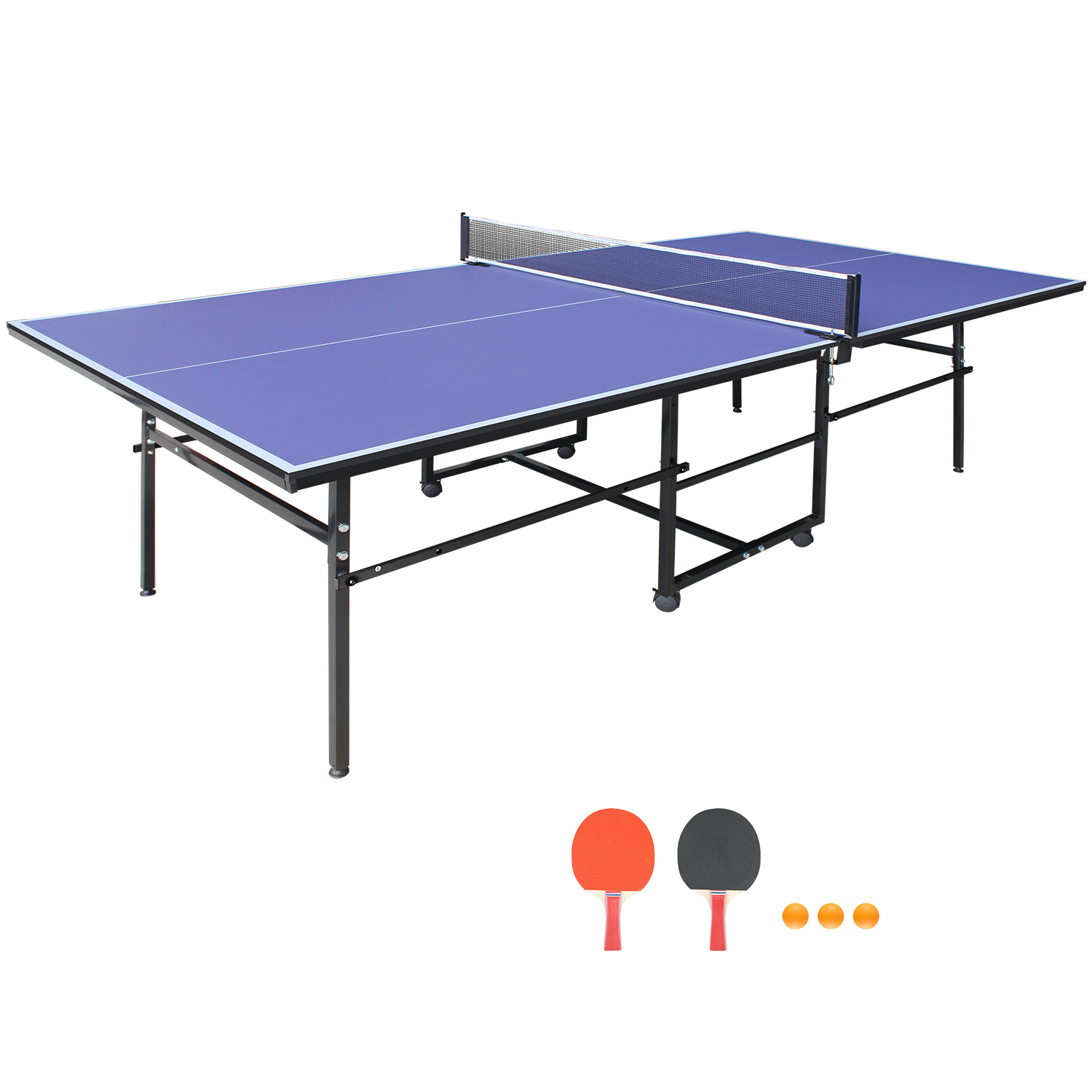 9x4.1ft Blue Mid-Size Table Tennis Foldable & Portable Ping Pong Set For Indoor Games With Net, 2 Paddles And 3 Balls$216.99View on Mallflare
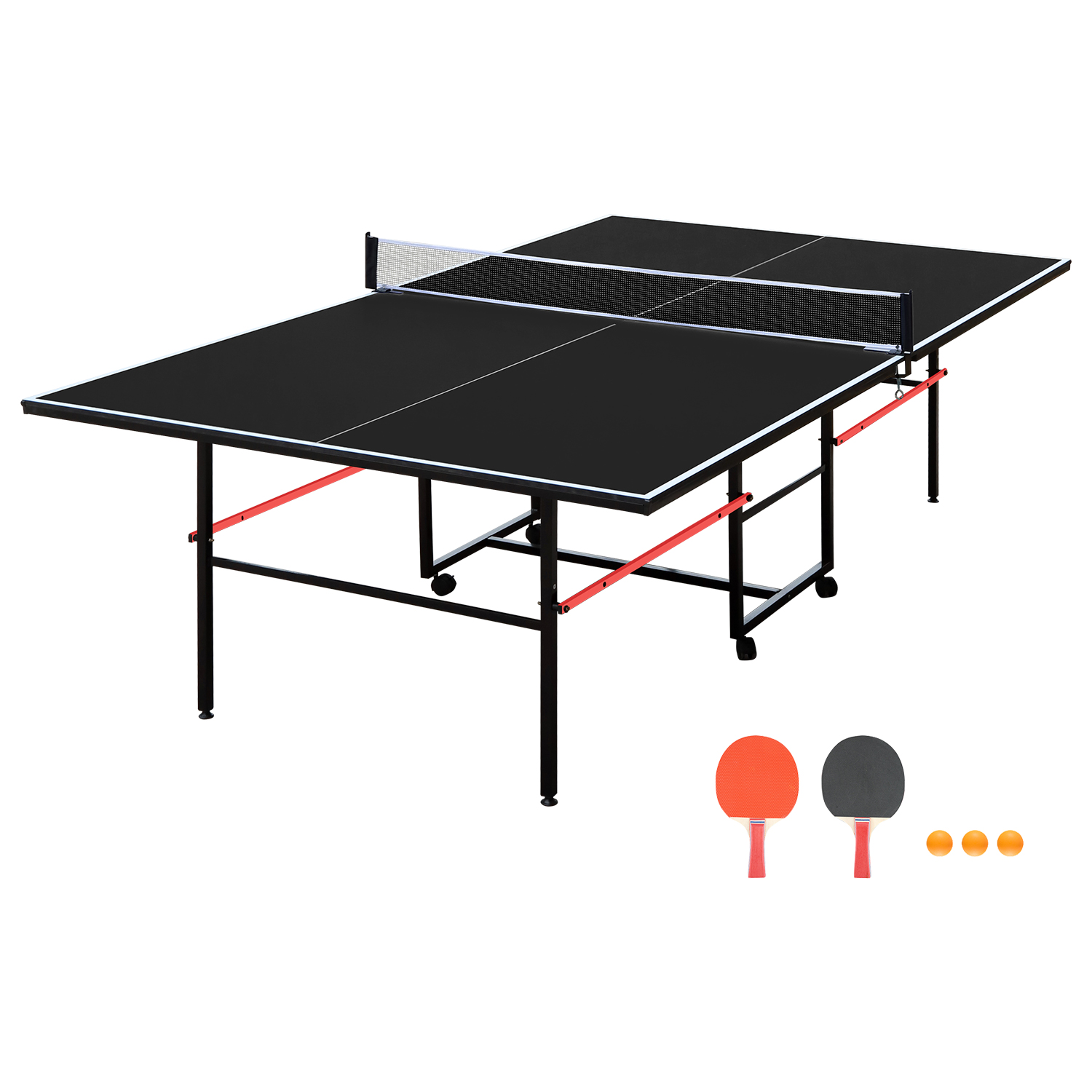 9ft Mid-Size Table Tennis Foldable & Portable Ping Pong Set For Indoor Games With Net, 2 Paddles And 3 Balls$231.99View on Mallflare
Highlights
- ITTF approval logo on rubber means it passed thickness, flatness and friction tests—unapproved rubber cannot be used in sanctioned tournament play.
- Blade ply count drives feel: 5-ply all-wood flexes for control and spin, 7-ply stiffens for speed and smashing, carbon layers add speed at the cost of touch.
- Inverted (smooth) rubber generates topspin and backspin; short pimples hit flat and fast; long pimples produce unpredictable wobble for defensive chopping.
- Sponge thickness 1.5-1.8mm favors control and short game; 2.0mm-plus maximizes speed and spin but punishes late contact.
Best use cases
- Recreational basement or office play: pick a pre-assembled 5-ply wood racket with 1.8-2.0mm inverted rubber on both sides—best balance of spin and forgiveness.
- Tournament or league play: buy an ITTF-approved rubber blade with rated sponge thickness and a flared handle for grip security; skip any paddle lacking the ITTF stamp.
- Kids and beginners: choose a lighter 5-ply blade with 1.5mm soft sponge for control; skip carbon blades and long-pimple rubbers until stroke technique is stable.
Buying tips
- Match rubber to style: inverted smooth for loopers, short pimple for hitters, long pimple for choppers—mixed setups suit all-round players.
- Handle shape matters: flared widens at the base for loopers, straight suits blockers, anatomical contours to the palm for fast attack.
- Check blade weight: 70-95g is standard; sub-70g suits juniors and quick blocks, over-90g adds power but tires the wrist.
- Replace worn rubber when the topsheet loses tack or pimples glaze—grip degradation kills spin long before the wood fails.
Specs
| Rubber Type | Inverted / Short or Long Pimple |
|---|---|
| Sponge Thickness | 1.5mm control to 2.0mm+ speed |
| Blade Construction | 5-ply all-wood / 7-ply / carbon |
| Handle Shape | Flared / Straight / Anatomical |
Related searches
What to check before buying
- Grip circumference: measure your palm width; flared handles suit medium-to-large hands, straight suits smaller grips.
- Playing surface: confirm table size and net height, since racket sets pairing with mid-size 6-9ft tables suit recreation, not regulation 9x5ft play.
- Rubber condition on arrival: new rackets should have tacky, uniform topsheets with no air bubbles under the sponge.
- Storage climate: keep rackets in a case away from heat and sun; rubber oxidizes and hardens in UV and dry air.
FAQ
Data sources: eBay / Amazon listings and product attribute feeds Data updated Nov 18, 2026.
Some links on this page are affiliate links. If you buy after clicking one, we may earn a commission at no extra cost to you. This does not change which products appear here or their order. Affiliate disclosure.