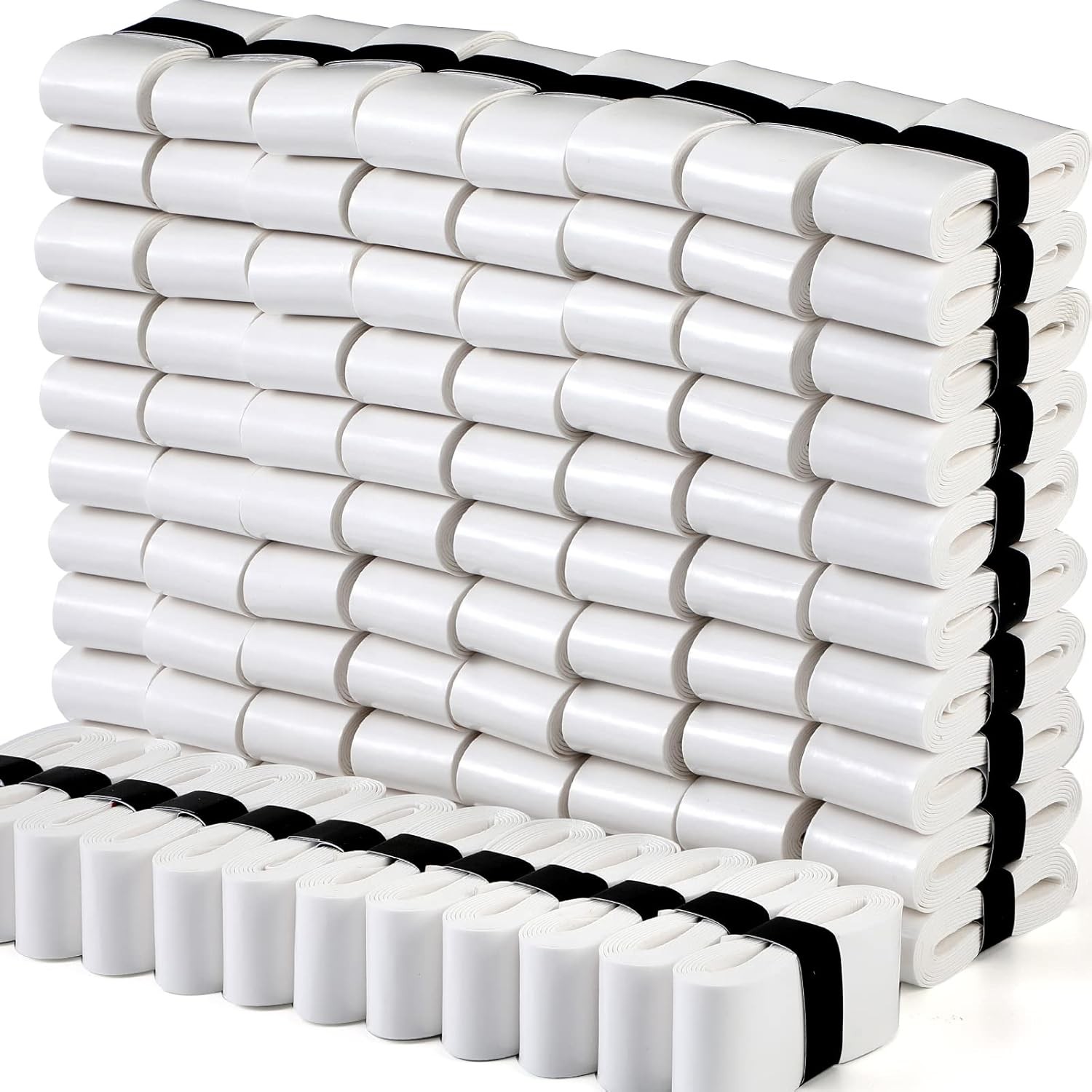

Photos from current listings. Actual item, color, and included accessories may vary.
Racket Grip Tape Buying Guide
Racket grip tape splits into two functional layers: a thin, tacky overgrip that protects the original grip and manages sweat, and a thicker replacement grip that restores handle size and cushioning. The decisive trade-off is sweat absorption and tackiness versus durability and thickness—cheap smooth PU overgrips feel great for a set, then slip; textured or perforated grades last longer but feel firmer. Buy replacement grips only when the factory grip is worn or you need to change handle size; buy overgrips in bulk for routine sweat management and freshness.


At a glance
- Category
- Tennis & Racquet Sports
- Data updated
- Nov 16, 2026
Current offers
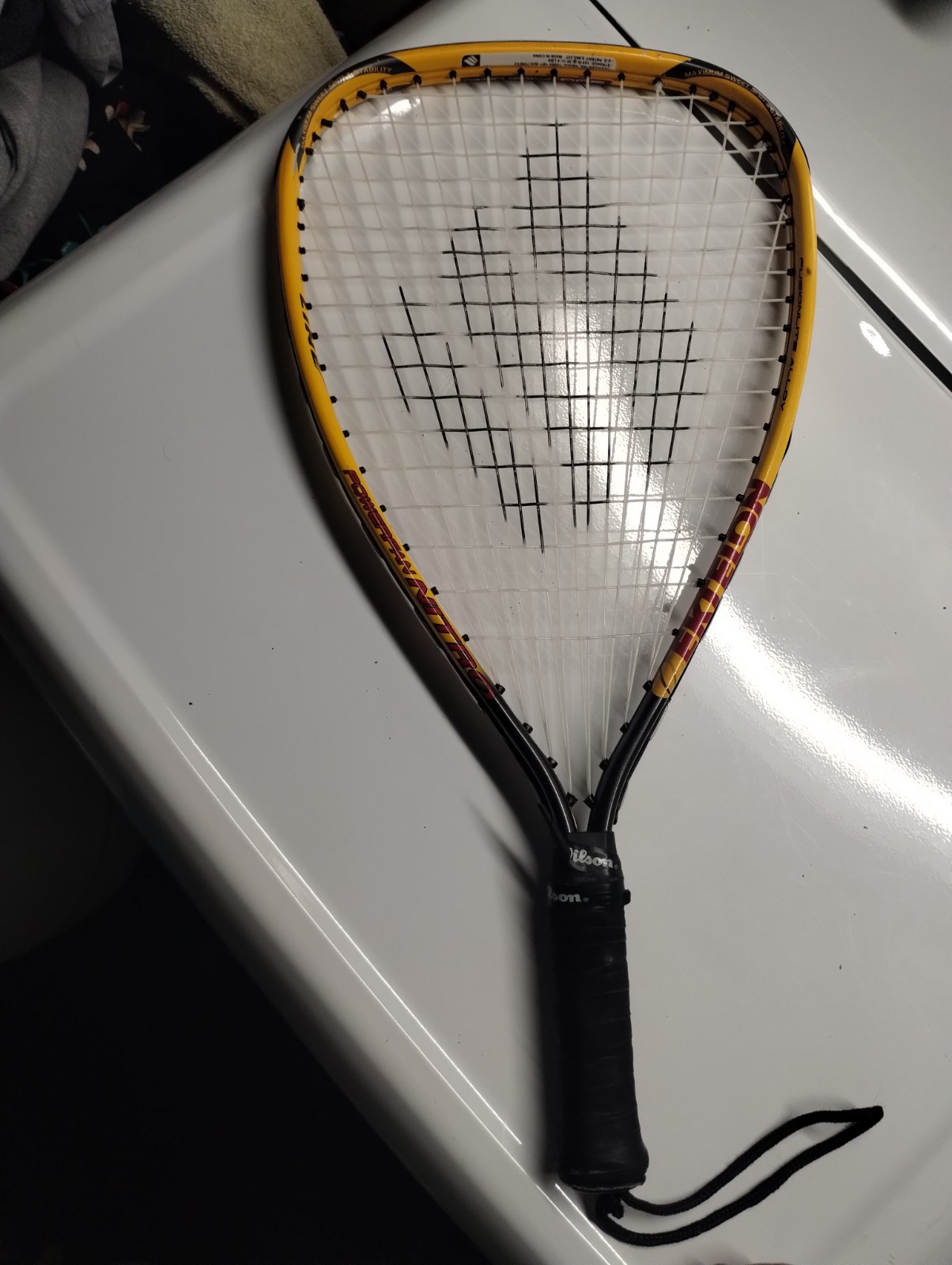
Highlights
- Overgrips are thin (0.5–0.75 mm) and meant to be replaced frequently; replacement grips are 1.5–2.5 mm thick and last months, altering handle diameter.
- Tackiness comes from polyurethane surface chemistry; perforated or embossed patterns channel sweat away, while smooth PU gives maximum initial grip but saturates faster.
- Wilson and Babolat overgrips are typically 3-packs or 12-packs of 1.1–1.3 m rolls—enough for one handle wrap each—while bulk lots offer 30–100 pieces for heavy players.
- Handle size math: each overgrip layer adds roughly 0.5 mm to the radius, shifting grip size about one full size (1/8 inch) after two layers; replacement grips can change size more substantially.
Best use cases
- Pick a perforated or ribbed overgrip (Babolat VS Original, Wilson Pro Overgrip) if you sweat heavily or play in humid conditions—smooth PU will slip within games.
- Choose a tacky smooth overgrip (Tourna Grip, Wilson Pro) for dry hands and maximum feel; skip perforated grades if you want the softest, most direct feedback.
- Buy a replacement grip (Wilson Cushion Aire, Babolat Syntec) only if the original handle is compressed, torn, or you need to increase grip size by one full size.
- Skip bulk 100-piece lots unless you string for a club or play daily—overgrips lose tackiness after 2–3 sessions and 100 pieces will dry out or lose adhesive.
Buying tips
- Measure your grip size: from the tip of your ring finger to the crease in your palm. If the result is 4 3/8 inches, buy a 4 3/8 grip; add an overgrip if you need 4 1/2.
- One overgrip layer adds about one grip size (1/8 inch). If you use two layers and your handle feels too large, switch to a thinner 0.5 mm overgrip or a smaller base grip.
- Replacement grips are model-specific in thickness: Wilson Cushion Aire is 2.1 mm and firm; Babolat Syntec Pro is 1.9 mm and softer. Choose thinner grades to preserve bevel feel.
- Check roll length and width: standard overgrip rolls are 1.1–1.3 m long and 25–27 mm wide—enough for one handle. Bulk packs should specify individually wrapped rolls, not pre-cut strips.
Specs
| Grip Type | Overgrip vs Replacement Grip |
|---|---|
| Overgrip Thickness | 0.5–0.75 mm (adds ~1 grip size) |
| Replacement Thickness | 1.5–2.5 mm (restores/alters size) |
| Pack Format | 3/12-pack rolls vs 30–100 bulk pieces |
Related searches
What to check before buying
- Confirm your current handle size (L0–L5 or 4 0/8 to 4 5/8) before buying—overgrips add size, replacement grips restore or change it.
- Measure your racket handle length and circumference; standard tennis handles accept 25–27 mm wide overgrip, but badminton handles need narrower 19–22 mm tape.
- Check your climate: humid or sweaty conditions demand perforated or moisture-wicking overgrips; dry climates favor smooth tacky PU.
- Verify the overgrip includes finishing tape—most 3-packs do, but bulk lots may ship rolls without adhesive tape, requiring separate finishing tape.
FAQ
Data sources: eBay / Amazon listings and product attribute feeds Data updated Nov 16, 2026.
Some links on this page are affiliate links. If you buy after clicking one, we may earn a commission at no extra cost to you. This does not change which products appear here or their order. Affiliate disclosure.